
Is Nepal safe for American travellers in 2026? An honest guide
From trail safety to altitude to the latest advisories, here's a straight answer for US travellers wondering whether Nepal is safe to visit and trek in 2026.
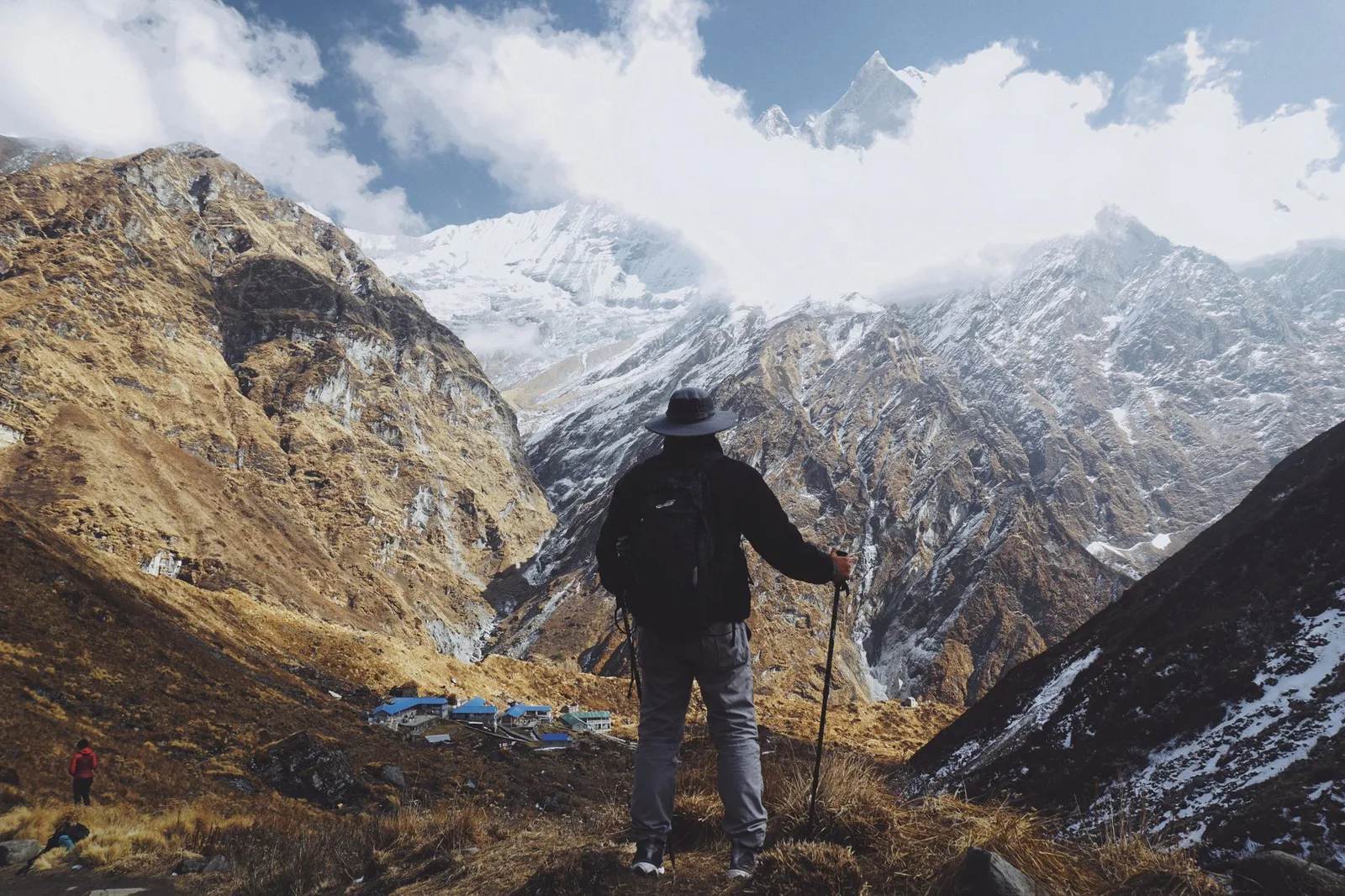
At a glance
- Published
- TopicSafety & Advisories
- Verified againstU.S. Department of State
- Treks coveredEverest Base Camp Trek — 12 Days, Kathmandu & Pokhara Tour — 5 Days, Annapurna Base Camp Trek — 9 Days
It is the question we hear most from American travellers: is Nepal safe? The honest, useful answer is yes — Nepal is a welcoming, stable destination for visitors in 2026 — but with a few real risks worth understanding, none of which are the ones people usually worry about. Here is the straight version.
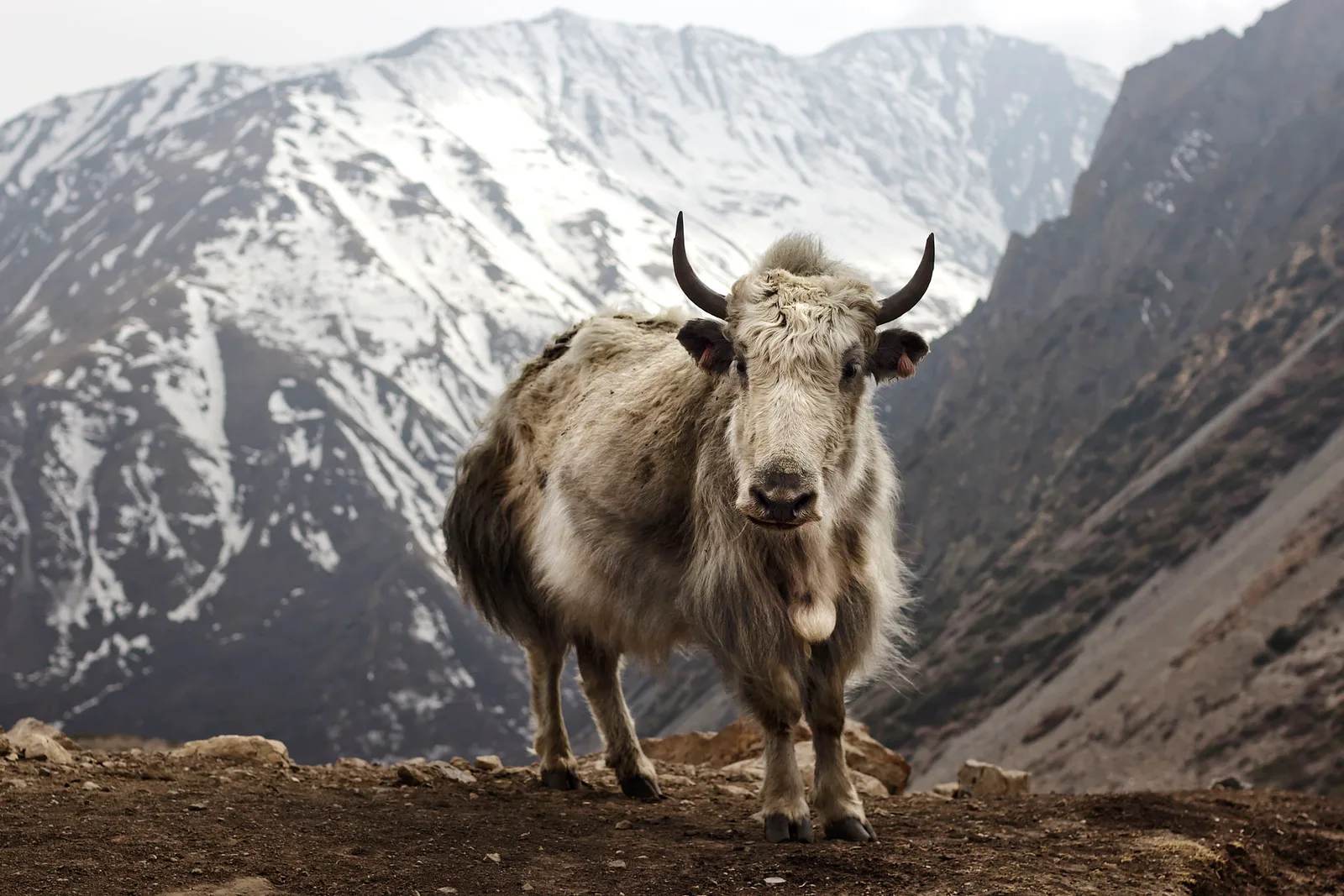
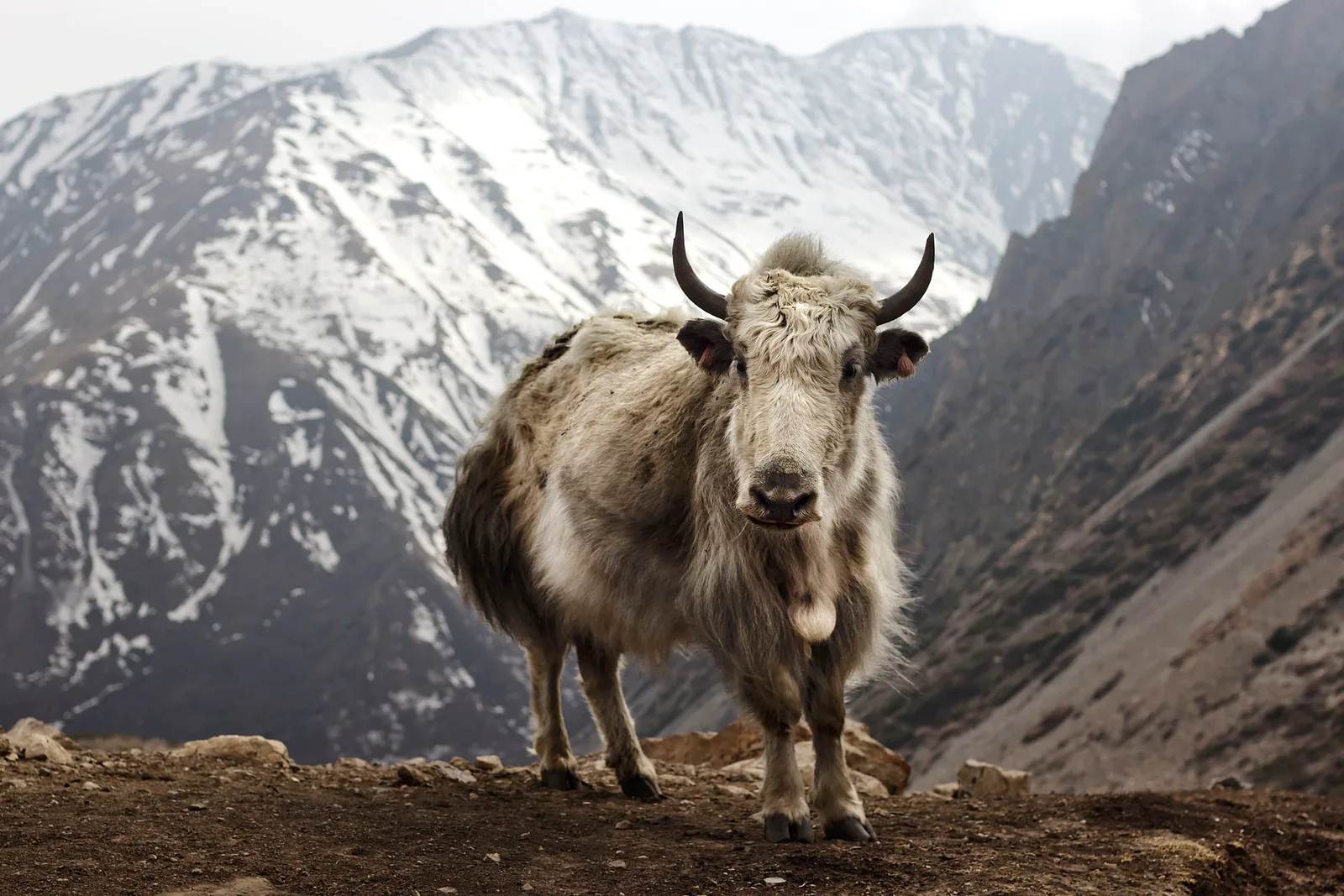
From the trail · Mustang


Key facts
- The U.S. State Department lists Nepal at Level 2: Exercise Increased Caution — the same as many of Europe
- The main trekking corridors are open and stable
- The biggest real risks are altitude and road travel, not crime
- Violent crime against tourists is rare
What the advisory actually means
A State Department Level 2 advisory sounds alarming but is routine — it is the same tier applied to France, Germany and Italy. It reflects occasional political demonstrations and the general hazards of mountain travel, not a dangerous country. Nepal's tourism economy runs on hundreds of thousands of foreign visitors a year, including well over 100,000 Americans in 2025, and the famous trails are busier than ever.
| Concern | The reality |
|---|---|
| Crime | Low; petty theft the main issue, as anywhere |
| Altitude sickness | The genuine #1 risk — managed by pacing |
| Road travel | Mountain roads are the real hazard; fly where sensible |
| Politics | Occasional protests; avoid crowds, rarely affect treks |
| Monsoon hazards | Landslides/floods Jun–Sep; plan around them |
The risk worth taking seriously
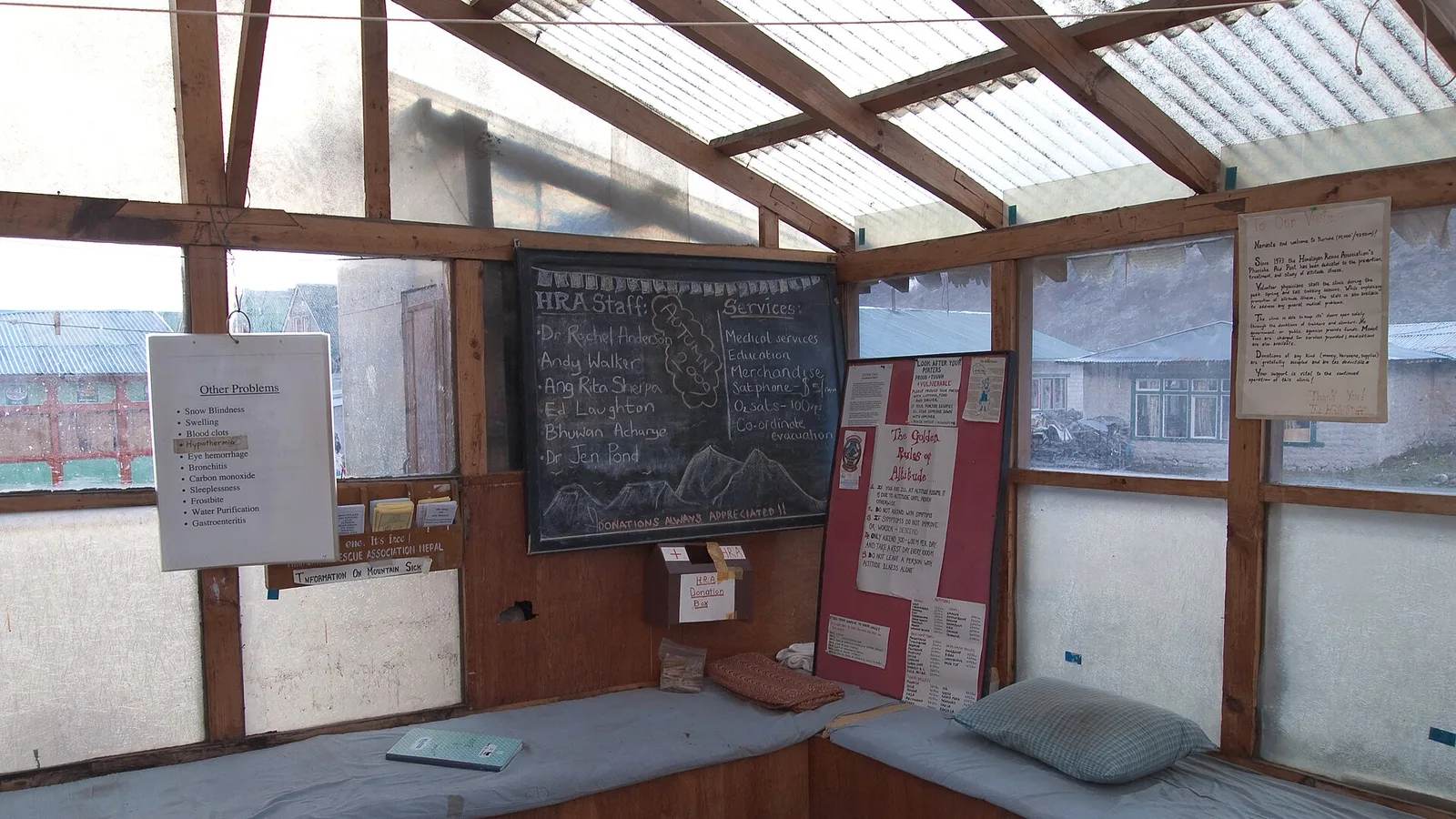
Altitude is the one that actually hurts people, and it does not care how fit or young you are. Acute mountain sickness is preventable with the right pace, acclimatisation days, hydration and a guide trained to spot the warning signs and act. This is the single strongest argument for trekking with an experienced operator rather than going it alone at altitude.
What this means for you
Travel to Nepal with normal international-travel common sense and you will be fine. Buy insurance that covers high-altitude trekking and helicopter evacuation, keep an eye on advisories, avoid any political gatherings, and — above all — respect the altitude by choosing a well-paced itinerary with a guide who knows the signs. A moderate, well-supported trek like Annapurna Base Camp is a reassuring first Himalayan trip.
Nepal is one of the friendliest countries you will ever visit. Prepare sensibly, respect the mountains, and the only thing that will overwhelm you is the scenery.
Updated for late 2026
Nepal remains a straightforward, welcoming destination for US travellers — visa on arrival, no advisory barrier to trekking. Planning a trip? See how to choose a licensed operator and the best two weeks to trek this autumn.
Source: U.S. Department of State travel information; Himalayan Rescue Association.
Cover photo: Iqx Azmi via Pexels (Pexels License).
Still running this season
Annapurna Base Camp Trek — 9 Days is running normally
NMA-certified local guides, transparent pricing, 5,000+ treks since 1998. Message us your dates and we'll sort the permits, lodges and logistics — reply within 24 hours, no obligation.
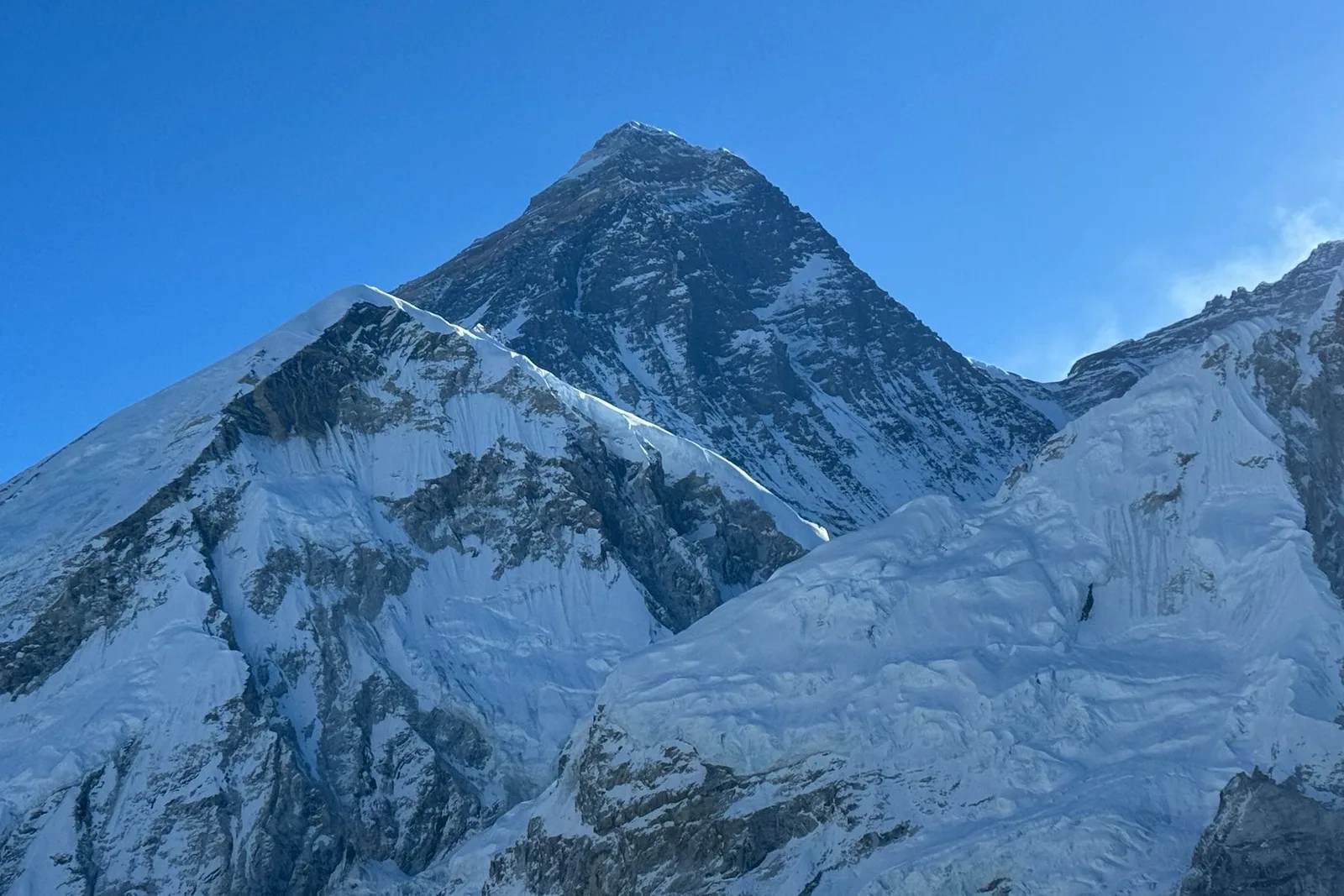
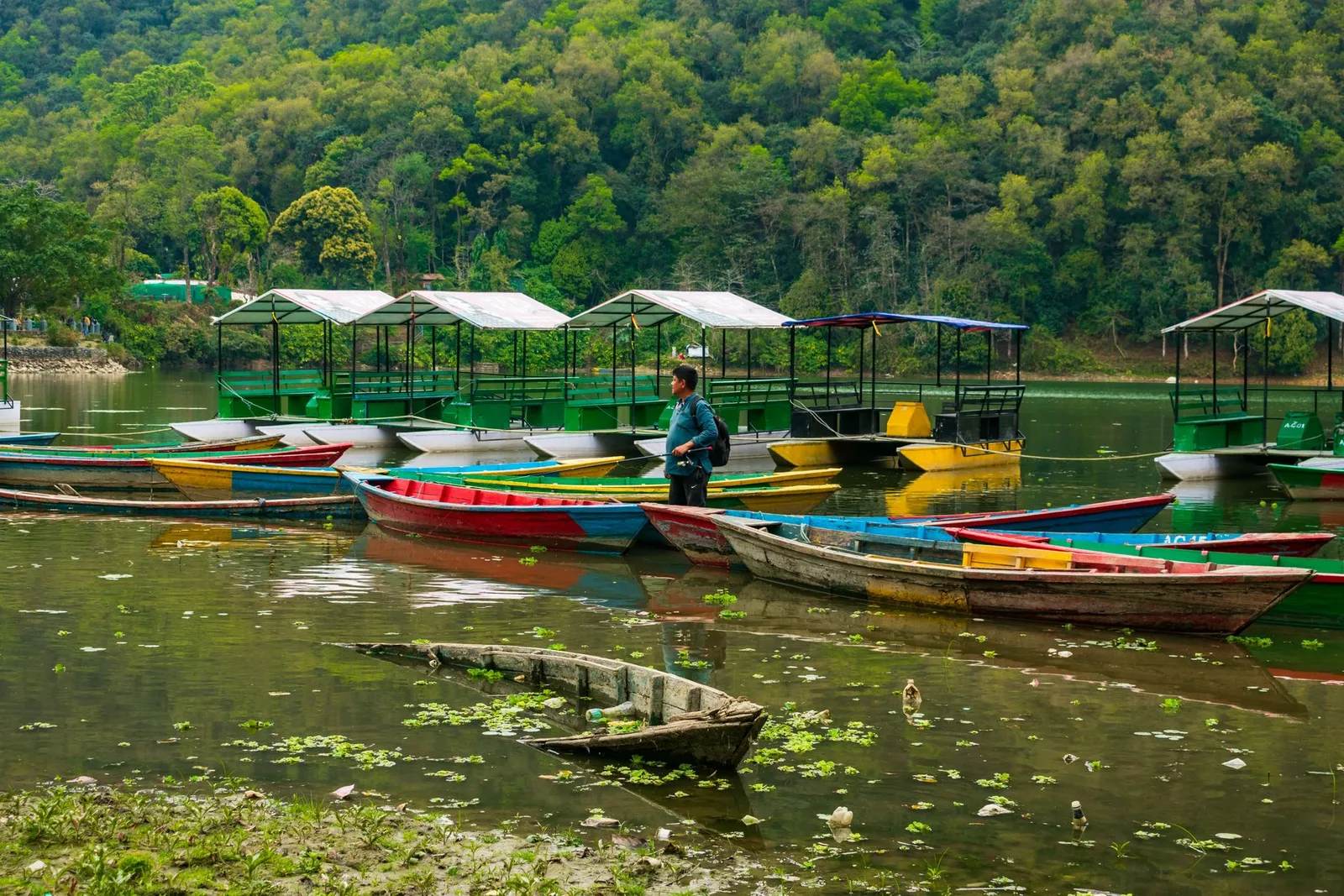
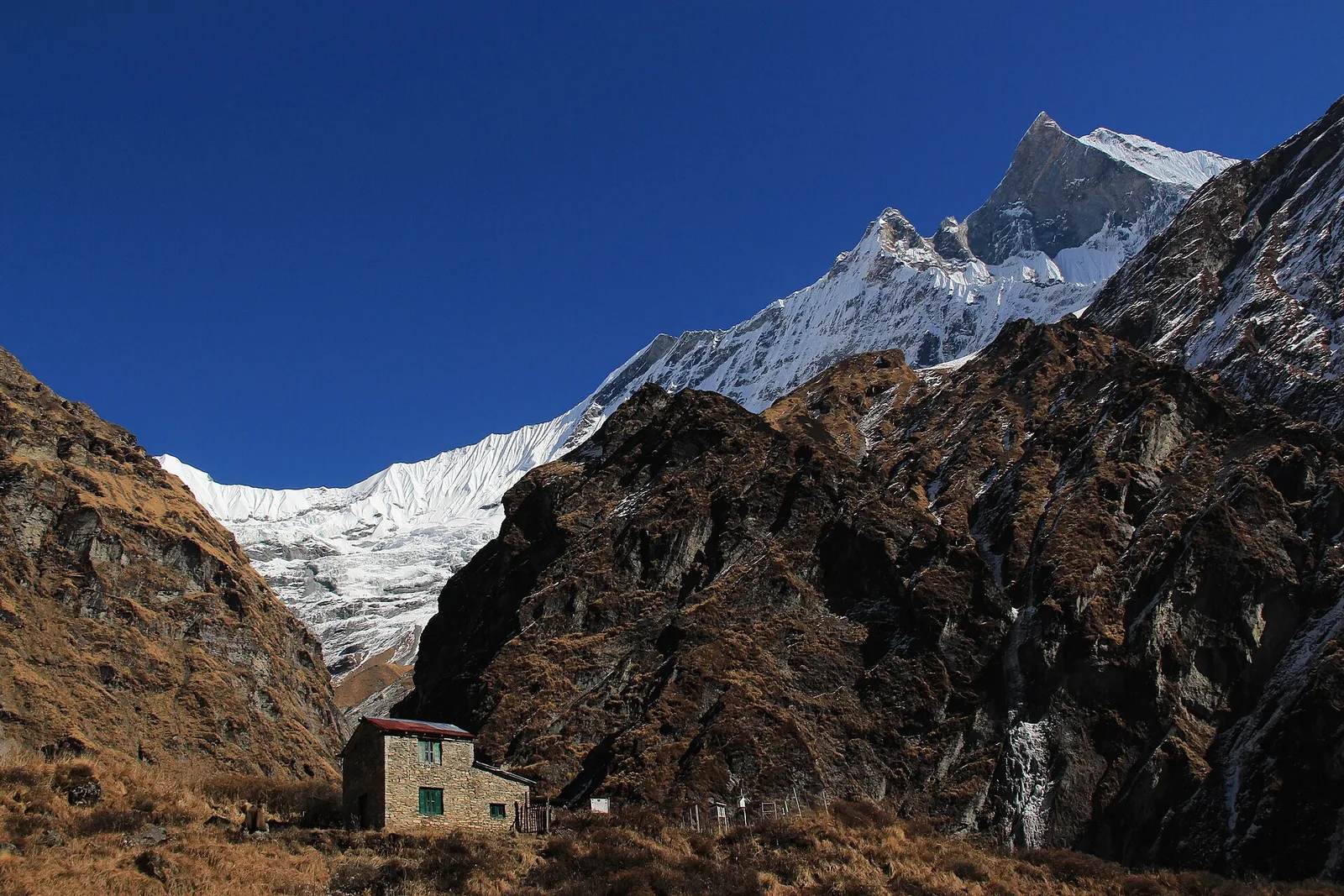
Popular Nepal treks
All treks →
Related coverage
Safety & Advisories
Your Nepal Trekking Guide Just Spent the Week Learning to Keep You Alive Above 4,000m
Days before Nepal's autumn trekking season opens, two of the country's oldest mountain-safety institutions ran back-to-back wilderness first-aid courses for working guides, drilling CPR, patient evacuation and the earliest signs of altitude sickness.
Safety & Advisories
Is the Tsum Valley Trek Affected by the 2026 Nepal Floods?
Short answer: no. Tsum Valley is in the Manaslu region of Gorkha district, on the Budhi Gandaki — a separate valley from the flood-hit Bhote Koshi in Rasuwa. The trail is running normally; the one honest caveat is the monsoon approach road.

Trail & Weather
Is November too late to trek Nepal in 2026? Here's the honest answer
No - November is often the clearest month of the whole year, and after the festival crowds go home around 10 November the trails empty out while the skies stay 150km-sharp. Here's exactly what changes, and when it really does get too cold.
Safety & Advisories
Is the Annapurna Circuit Trek Affected by the 2026 Nepal Floods?
Short answer: the Circuit trail itself was not hit — it runs the Marsyangdi and Kali Gandaki on the far western side of the country, a different river system from the Rasuwa flood. The one real catch is the drive in: confirm the Prithvi Highway to Besisahar, or fly to Pokhara.
Latest from the desk
Gear & Tech
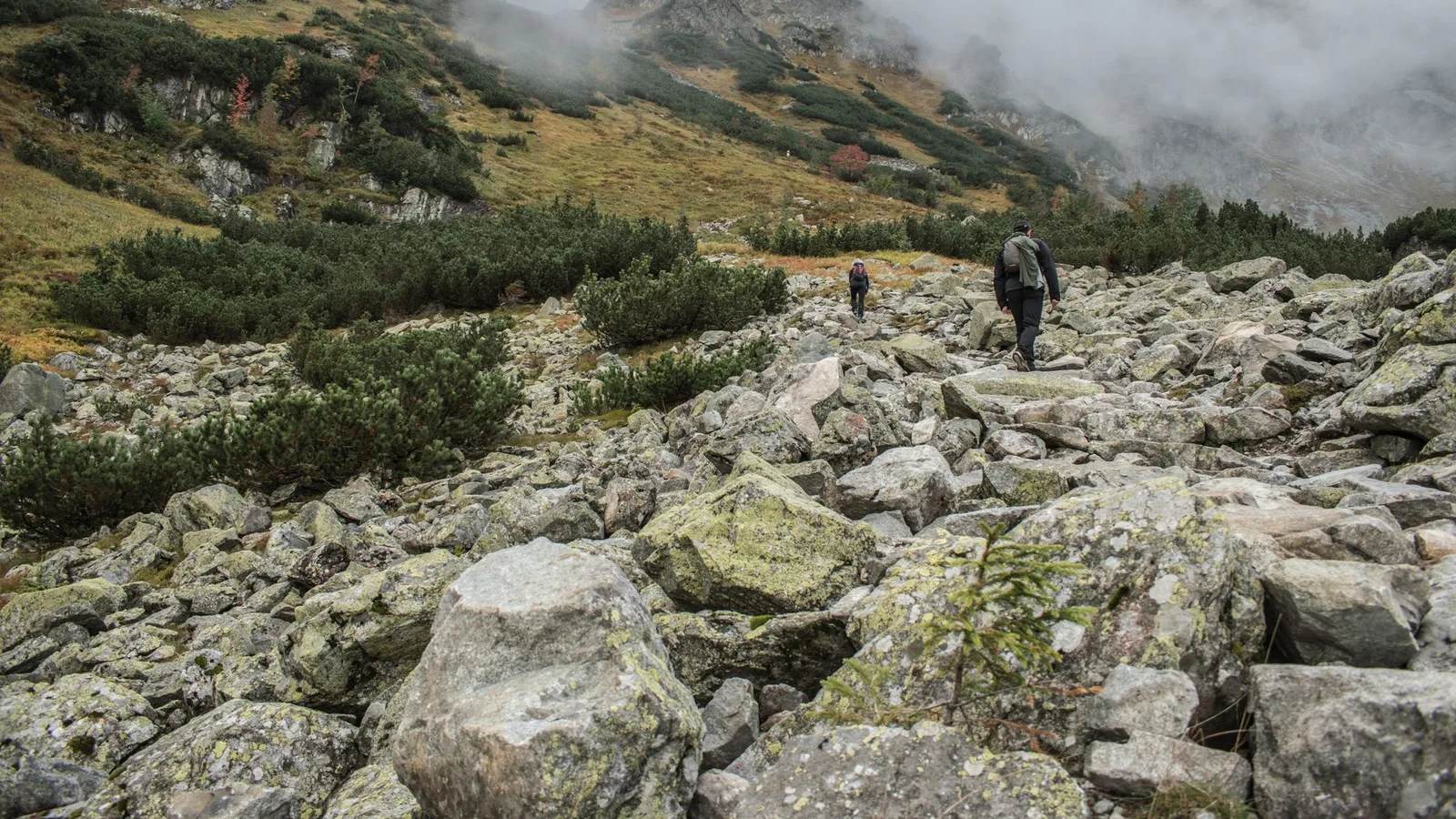
Trail shoes or hiking boots, and what the ankle-support research actually found
Most teahouse trekkers wear more boot than the walk needs, and the ankle-support argument holding that up is thinner than the shops suggest.
Gear & Tech
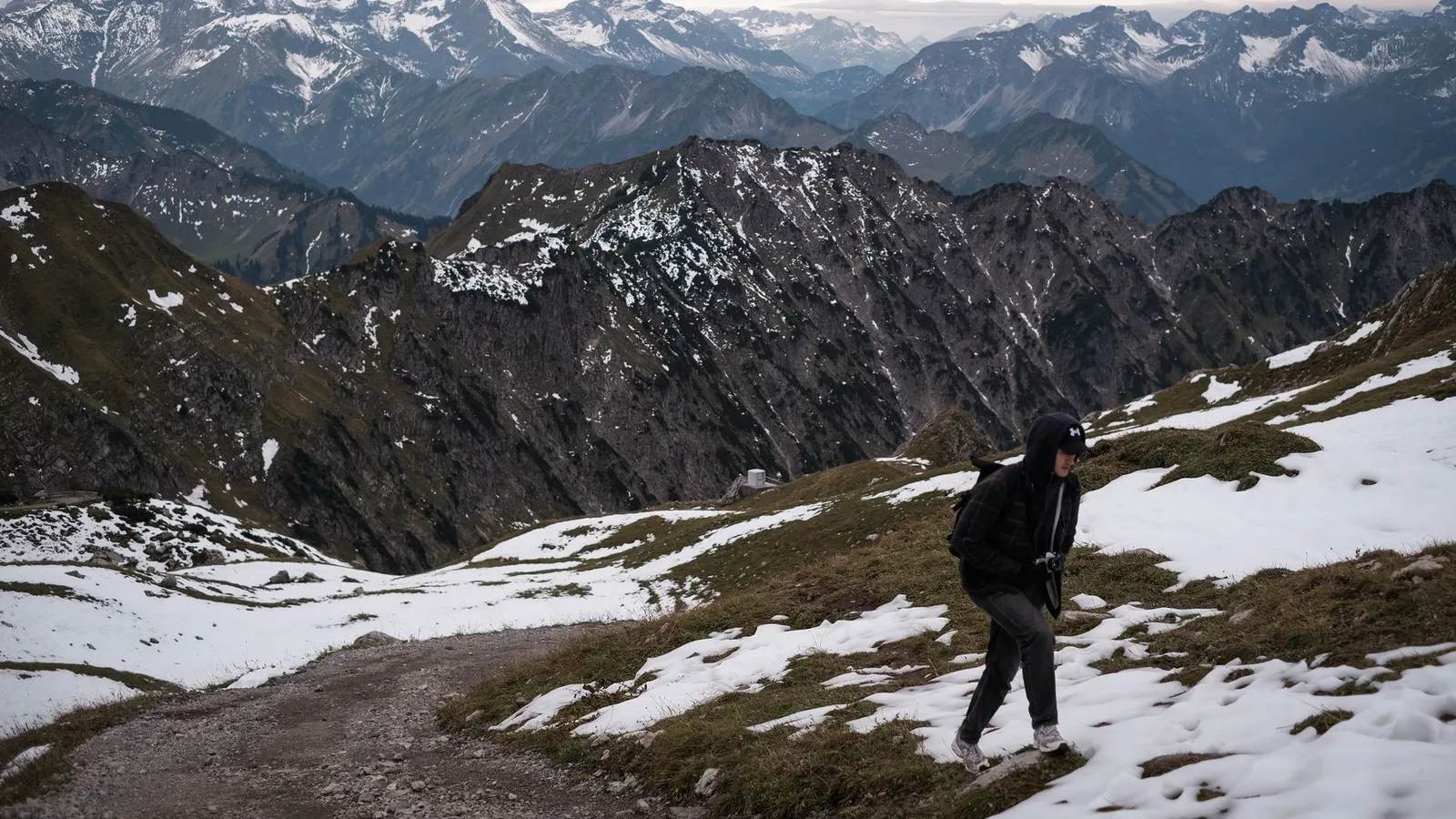
Merino or synthetic base layers, and what a lab found when it measured the smell
Merino wins the week-long wear, synthetic wins the overnight dry, and the lab reason merino stays fresh is not the bacteria story you have been told.
Safety & Advisories
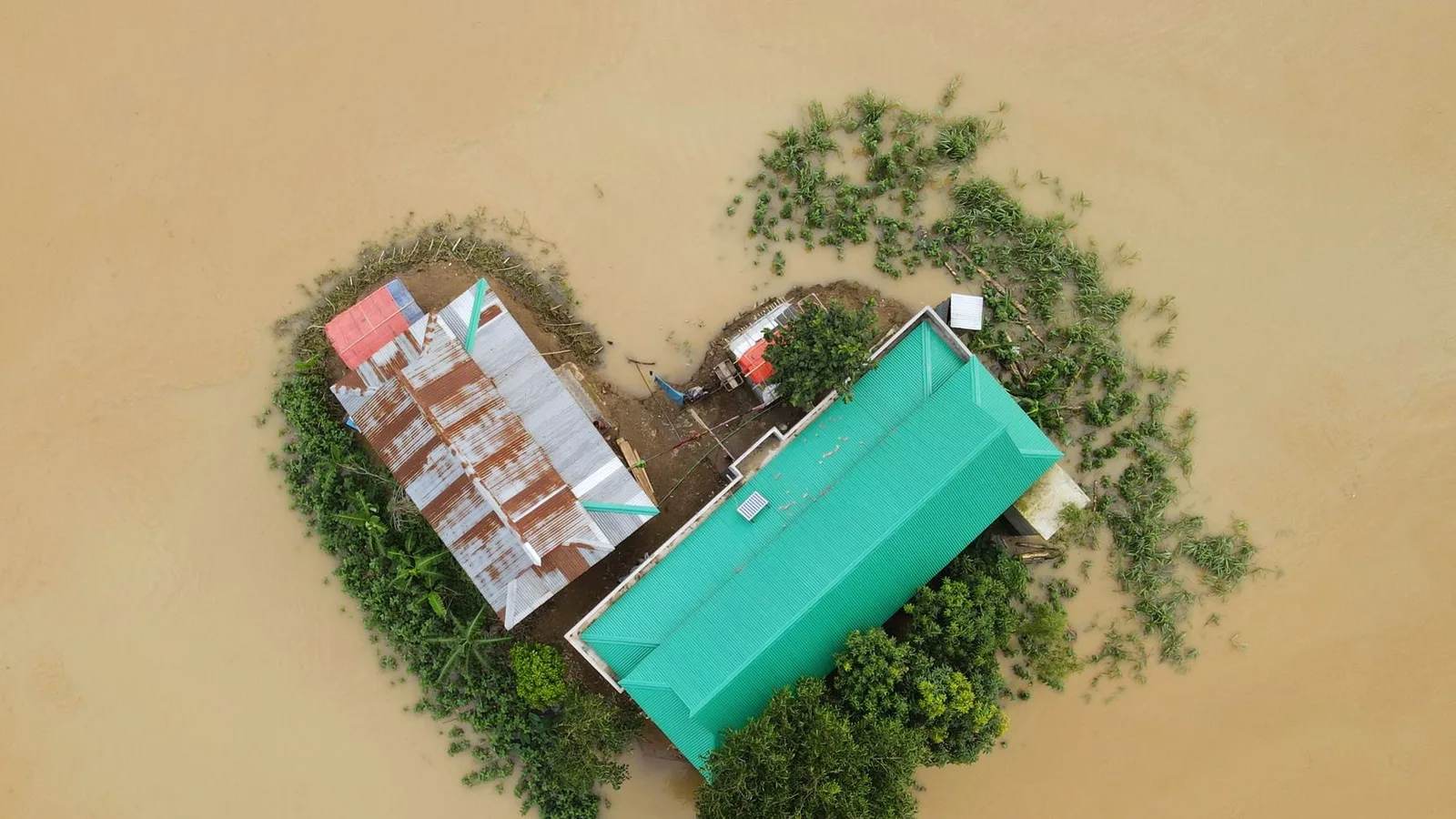
If someone you know is missing in the Nepal flood, you don't have to fly to Kathmandu
Nepal Police have identified 95 of more than 1,200 bodies recovered. Families abroad can be DNA-profiled at home and send the result in. Here is how it works.