
Is the Kathmandu to Pokhara road open right now, and what to do while it is not
Updated 9 September 2026 — the Kathmandu–Pokhara road is still shut at Krishnabhir. A 350-metre bypass is being cut. Here is how to reach Pokhara meanwhile.
At a glance
- Published · updated
- TopicSafety & Advisories
- Verified againstThe Kathmandu Post, Radio Nepal, The Himalayan Times and OnlineKhabar; Department of Roads
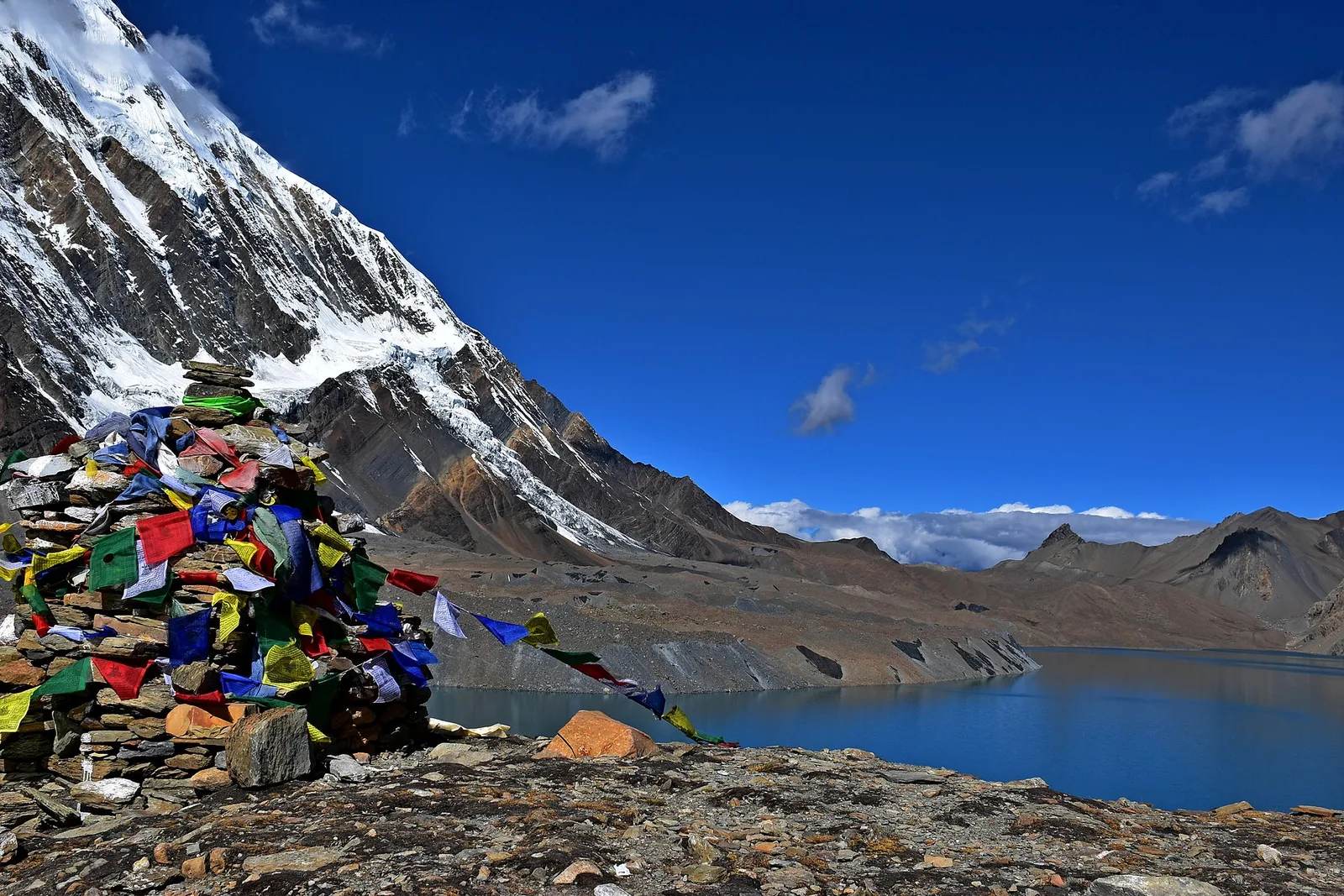
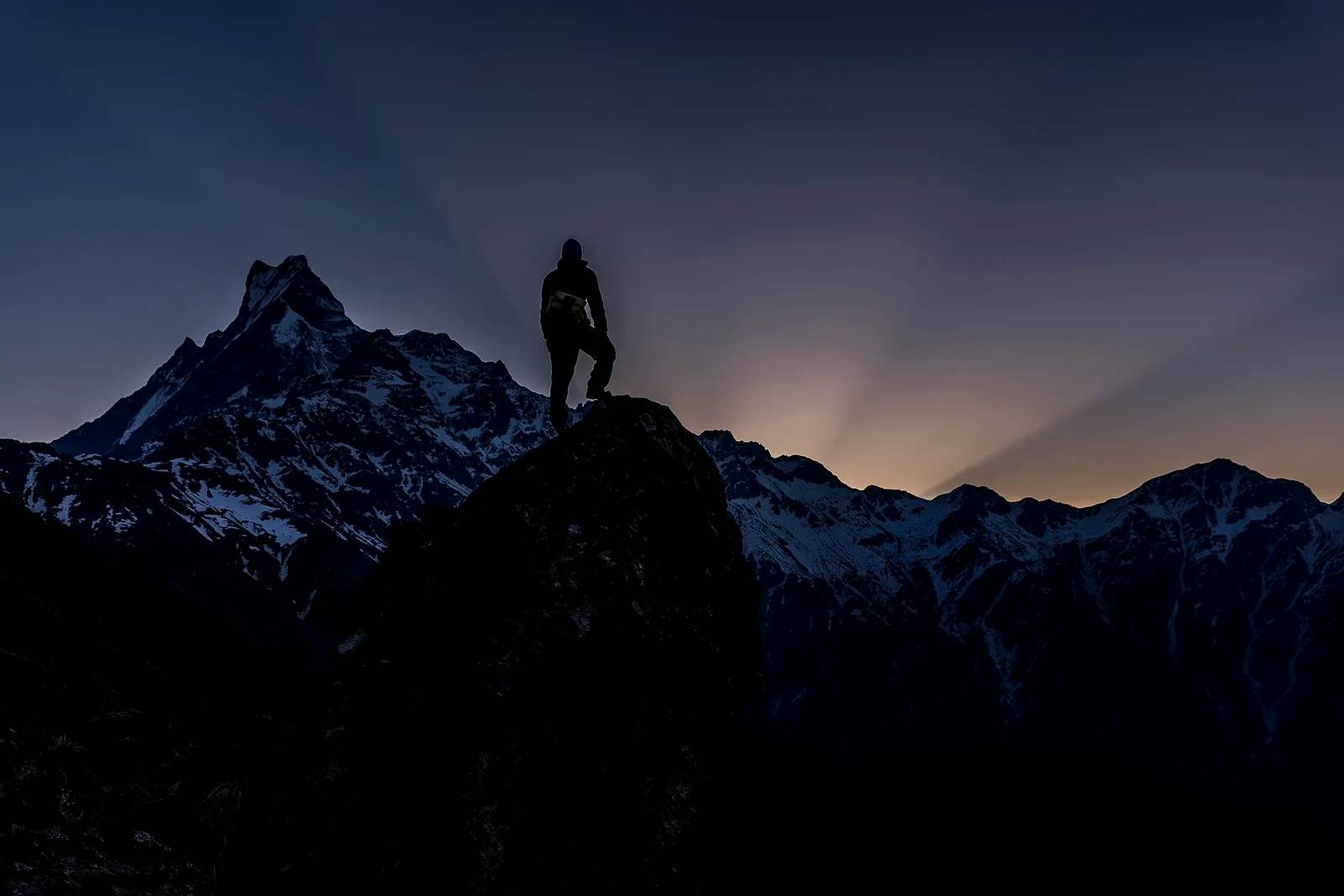
- Treks coveredAnnapurna Circuit Trek — Fly Jomsom 12 Days, Everest Base Camp Trek — 14 Days, Upper Mustang Trek — 12 Days
Answered — 9 September 2026
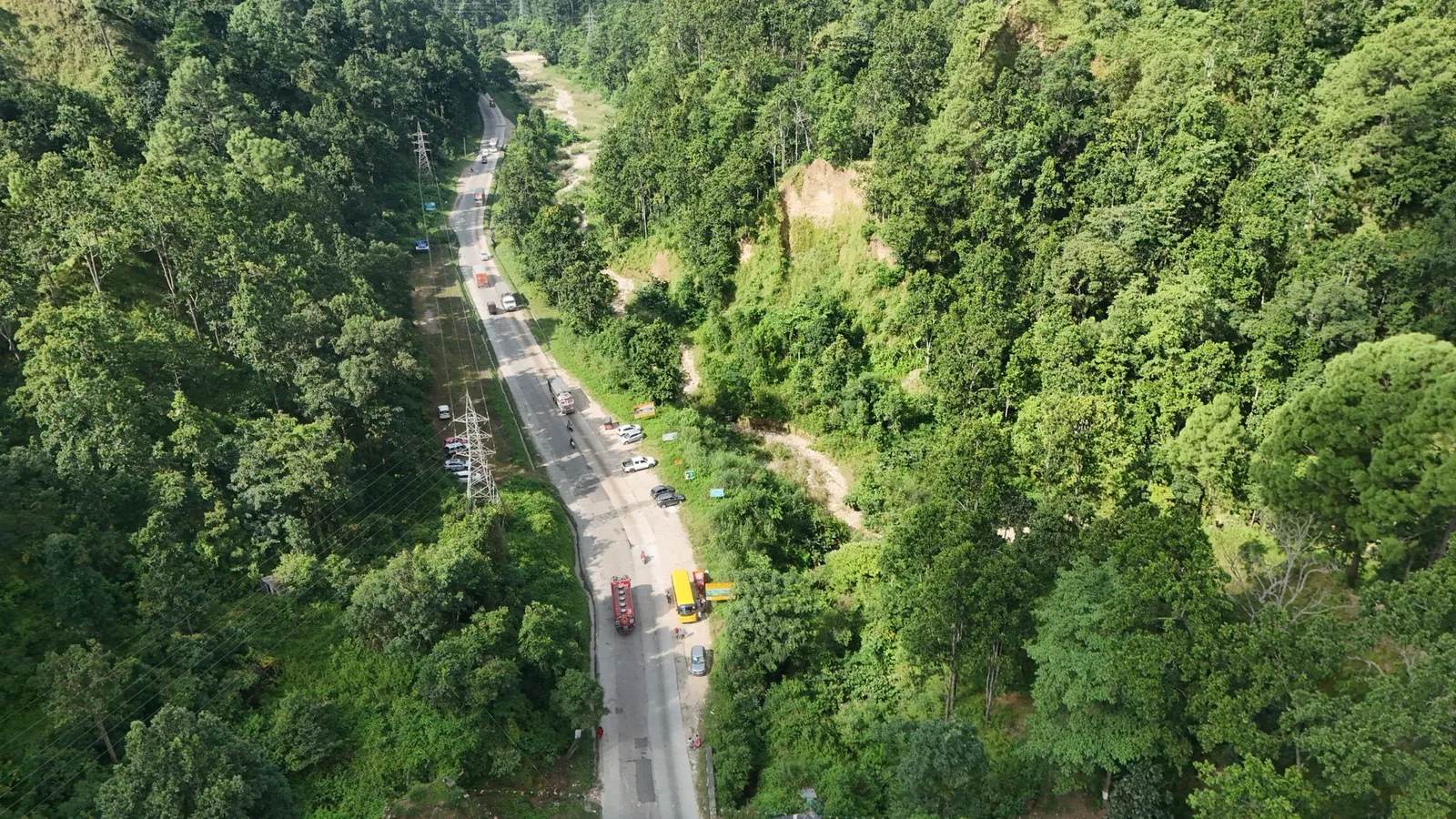
Is the Kathmandu–Pokhara road open right now? No. The Prithvi Highway is still closed at Krishnabhir in Dhading, where the Trishuli undercut the carriageway on 30 August. About 70 metres has fully collapsed and a further 120 metres is badly cracked — close to 200 metres in total, and considerably more than the 20 metres first reported.
What is being done: the Department of Roads began cutting a bypass track along the hillside above the collapse on Friday 4 September, with excavators working in from both sides. The track is 350 metres long and seven metres wide, cut about seven metres in from the edge of the existing road, and site manager Ishwar Nepal of Sharma JV put it at seven to ten days — a reopening around the middle of September. Prime Minister Balendra Shah told Parliament on 2 September that the section will be operational within this month. Treat both as stated intentions rather than a timetable.
Most trekking-season conversations are about the weather on the trail. From June to September the bigger travel risk in Nepal is often the road to the trail. The monsoon regularly triggers landslides and flooding on the mountain highways linking Kathmandu to Pokhara, Chitwan and the eastern hills — and a blocked road can cost you a day. Here is the honest picture, and how to plan around it.
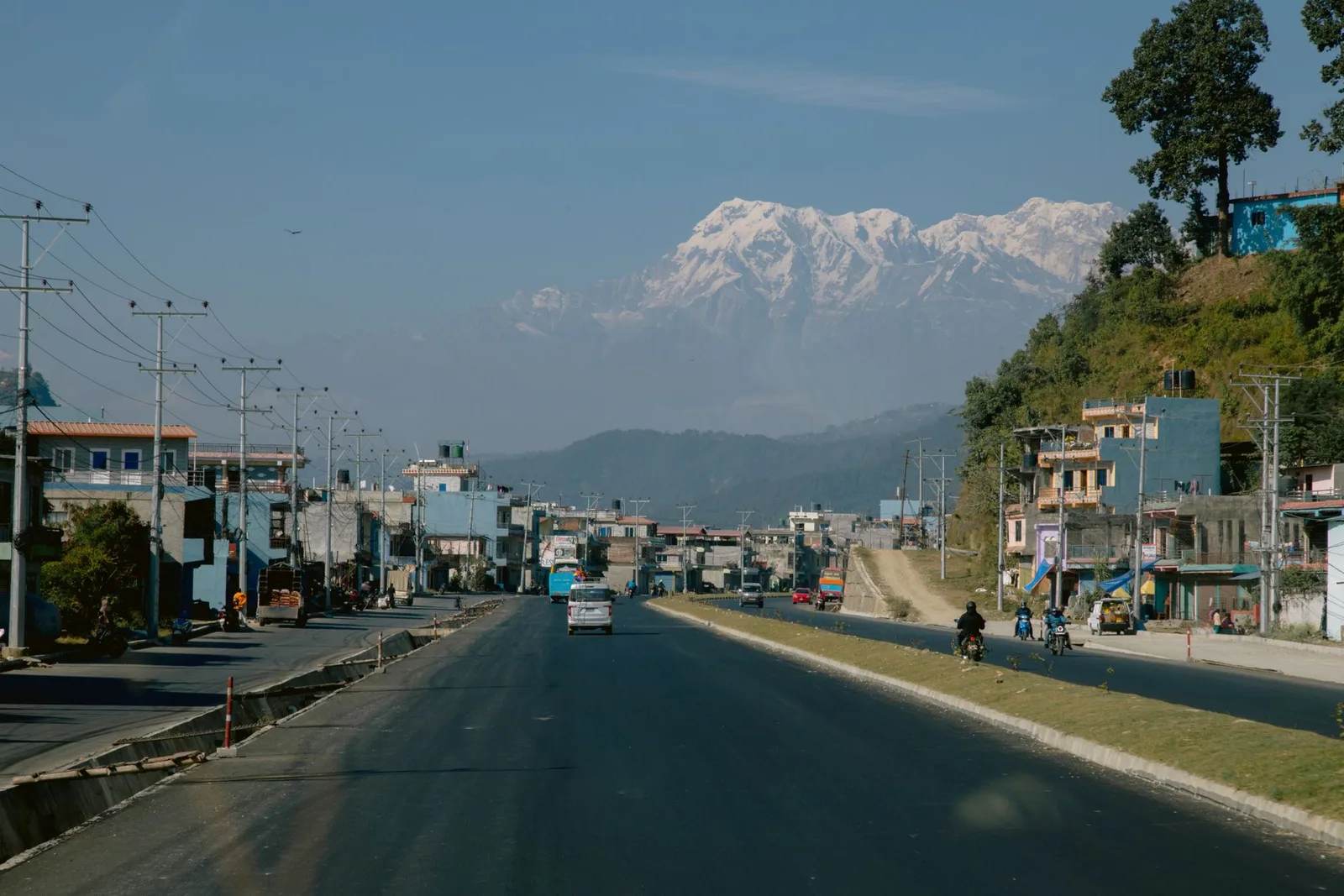
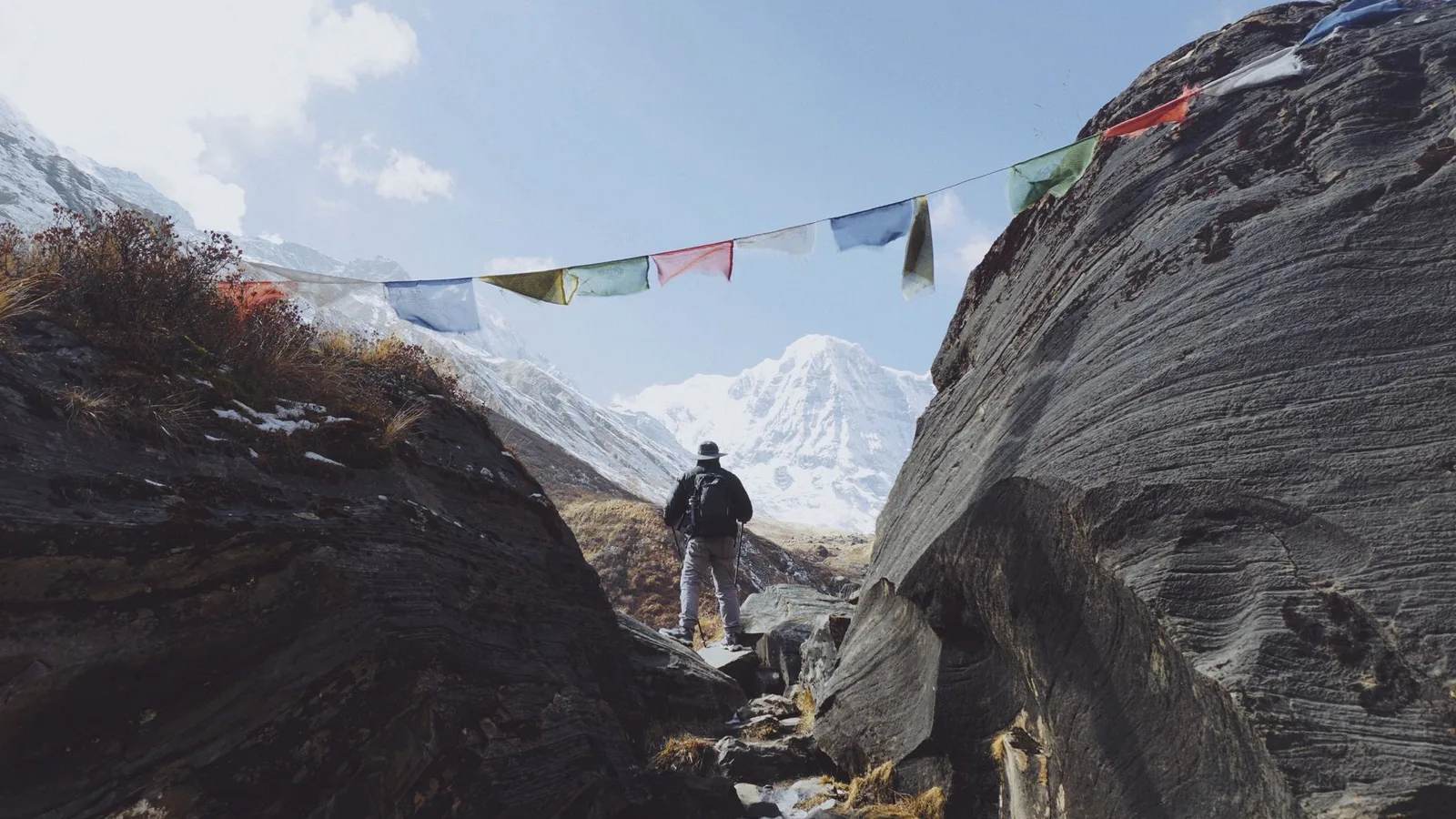
From the trail · Annapurna


There is no easy second road
The usual relief route is itself out of service. The BP Highway, which would normally absorb traffic when the Prithvi closes, has been shut since September 2024, so there is no straightforward alternative corridor.
Krishnabhir is also not the only break. The same floods took out sections at Parewabhir in Makwanpur and Patleban near Nagdhunga. When people say "the road to Pokhara is closed", the accurate version is that several of the routes you would fall back on are damaged at the same time.
How to reach Pokhara instead
Fly. Kathmandu–Pokhara is a 25-minute flight and several carriers run it daily. Around 150 tourist buses on the route are idle and air traffic has surged.
If you must drive, the official diversions are Hetauda–Naubise and Fisling–Benighat — not the Gorkha route, which gets recommended in forwarded messages and is not the sanctioned diversion. Full detail and named officials are in our report on the Krishnabhir closure, and conditions elsewhere in the flood-affected corridor are tracked on our live updates page.
What the permanent fix looks like
Undecided, and a tunnel is currently the favoured option. Three approaches are being weighed: reinforcing the cliffside track with soil-nailing, upgrading the bypass road across the river, or driving a tunnel past the landslide-prone zone entirely.
That matters for anyone planning beyond this season. A bypass track cut in ten days is a temporary carriageway on a slope that has already failed once, and it will be carrying the full Kathmandu–Pokhara load through the next monsoon unless something more permanent is built first.
Key facts
- Monsoon runs June–September; highway blockages are routine.
- The Narayanghat–Mugling road carries 12,000+ vehicles a day.
- Tuin Khola, near Mugling, is a known landslide hotspot.
- The Araniko Highway (toward the Tibet border) blocks frequently.
The roads that matter in any monsoon
A handful of arteries carry almost all trekker road travel, and each has its own weak point. Knowing which is which is most of the planning.
The Narayanghat–Mugling section — the spine connecting Kathmandu, Pokhara and Chitwan — is the busiest and most landslide-prone, with the Tuin Khola area a perennial concern. The Araniko Highway toward the northern border, which also serves the route to Langtang’s Rasuwa district, frequently closes at points in the Bhotekoshi valley. The flood-battered BP Highway to the eastern Terai is under major reconstruction.
| Route | Role | Monsoon note |
|---|---|---|
| Narayanghat–Mugling | Kathmandu ↔ Pokhara / Chitwan | Landslide-prone (Tuin Khola) |
| Araniko Highway | Toward Tibet border / Rasuwa | Frequent landslides (Bhotekoshi) |
| Prithvi Highway | Kathmandu ↔ Pokhara | Currently closed at Krishnabhir |
| BP Highway | Kathmandu ↔ eastern Terai | Closed since September 2024, under reconstruction |
How to travel smart in the rains
None of this means you cannot travel in the monsoon. Millions do, and the rain-shadow treks are at their best now. It means you plan with margin.
Where a flight exists and the budget allows, fly rather than drive on the tightest days. Build a buffer day into your itinerary so a one-day closure does not sink your trek start. Travel the highways in the morning, before the afternoon rain peaks. And lean on local, day-by-day knowledge of which sections are open, because the official picture changes faster than it is published.
What this means for you
Monsoon travel in Nepal rewards flexibility. We watch the highways daily, route our clients around the trouble spots, fly the legs worth flying, and always build in a buffer so a landslide is an inconvenience rather than a cancelled trek. If you are travelling in the rains, let us handle the logistics — it is exactly when local knowledge earns its keep. Planning the shoulder weeks? See whether September is too early to trek.
When to re-check this page
The bypass track was expected to take seven to ten days from 4 September, so the earliest realistic reopening is mid-September 2026. If you are reading this after about 20 September and this block still says the road is closed, treat it as out of date and confirm on the day.
Conditions in a Nepali monsoon change hourly, and no page updated daily can be trusted as a live feed. Use this for the shape of the problem and your own phone call for the state of it this morning.
Sources: The Kathmandu Post (2–6 September 2026); Radio Nepal; The Himalayan Times; OnlineKhabar; Peoples’ Review; Department of Roads.
Cover photo: Prince Nature via Pexels (Pexels License).
If you want to help. Nepal’s official relief channel is the government’s Prime Minister’s Disaster Relief Fund — restricted by law to rescue, relief and rehabilitation, audited annually, and it takes international cards directly. We collect nothing and receive nothing. Be careful of account numbers circulating in forwarded messages: disaster fundraising draws scams within days. Our full guide, including two vetted alternatives, is at where to donate for the Nepal floods and how to help.
Still running this season
Annapurna Circuit Trek — Fly Jomsom 12 Days is running normally
NMA-certified local guides, transparent pricing, 5,000+ treks since 1998. Message us your dates and we'll sort the permits, lodges and logistics — reply within 24 hours, no obligation.
Popular Nepal treks
All treks →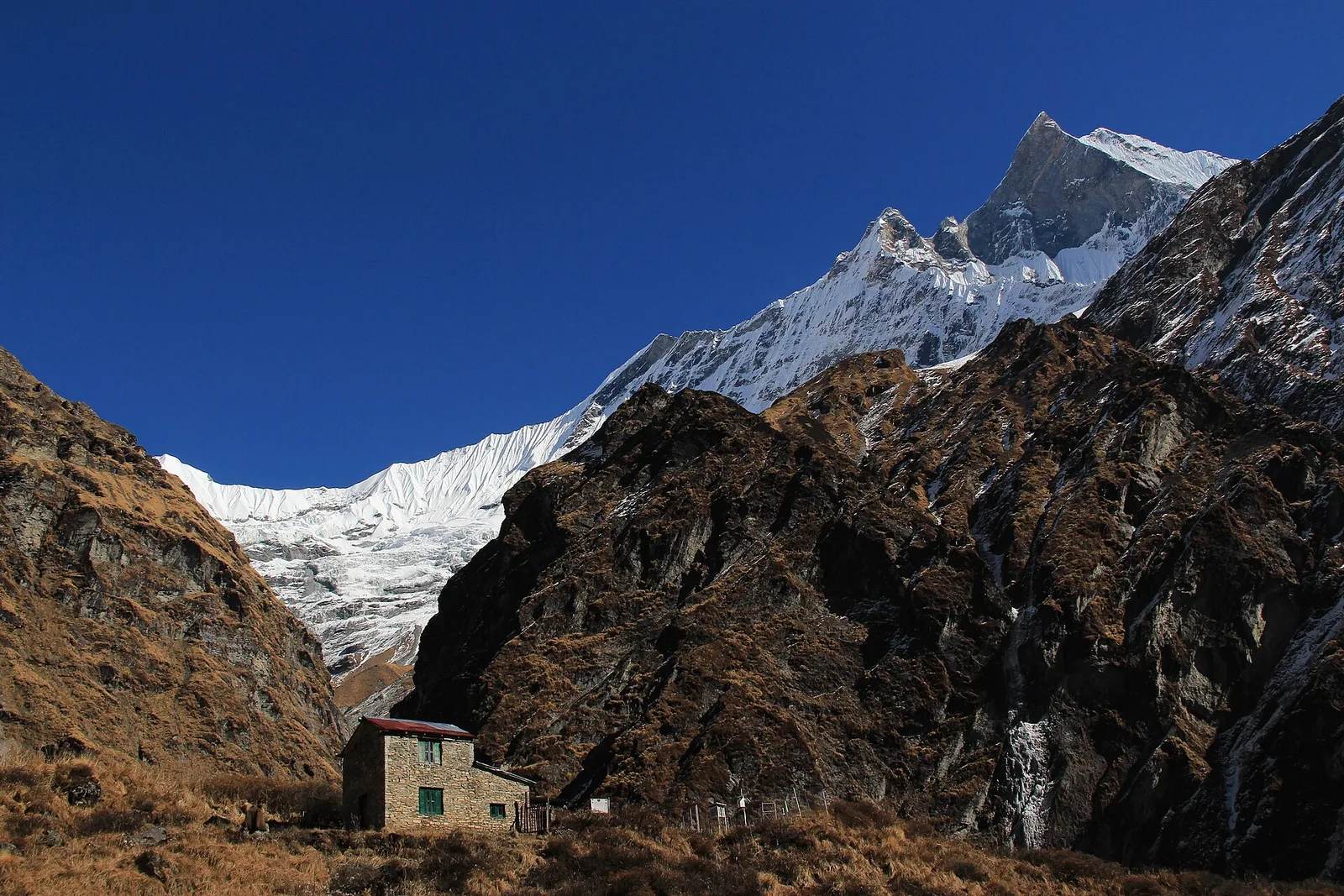
Related coverage
Safety & Advisories
Nepal Trekking Conditions Right Now: Region-by-Region Status After the 2026 Floods
Which trails are open, which access roads are cut, and what autumn 2026 actually looks like — updated through the season by a team based in Pokhara.
Breaking Flights & Access
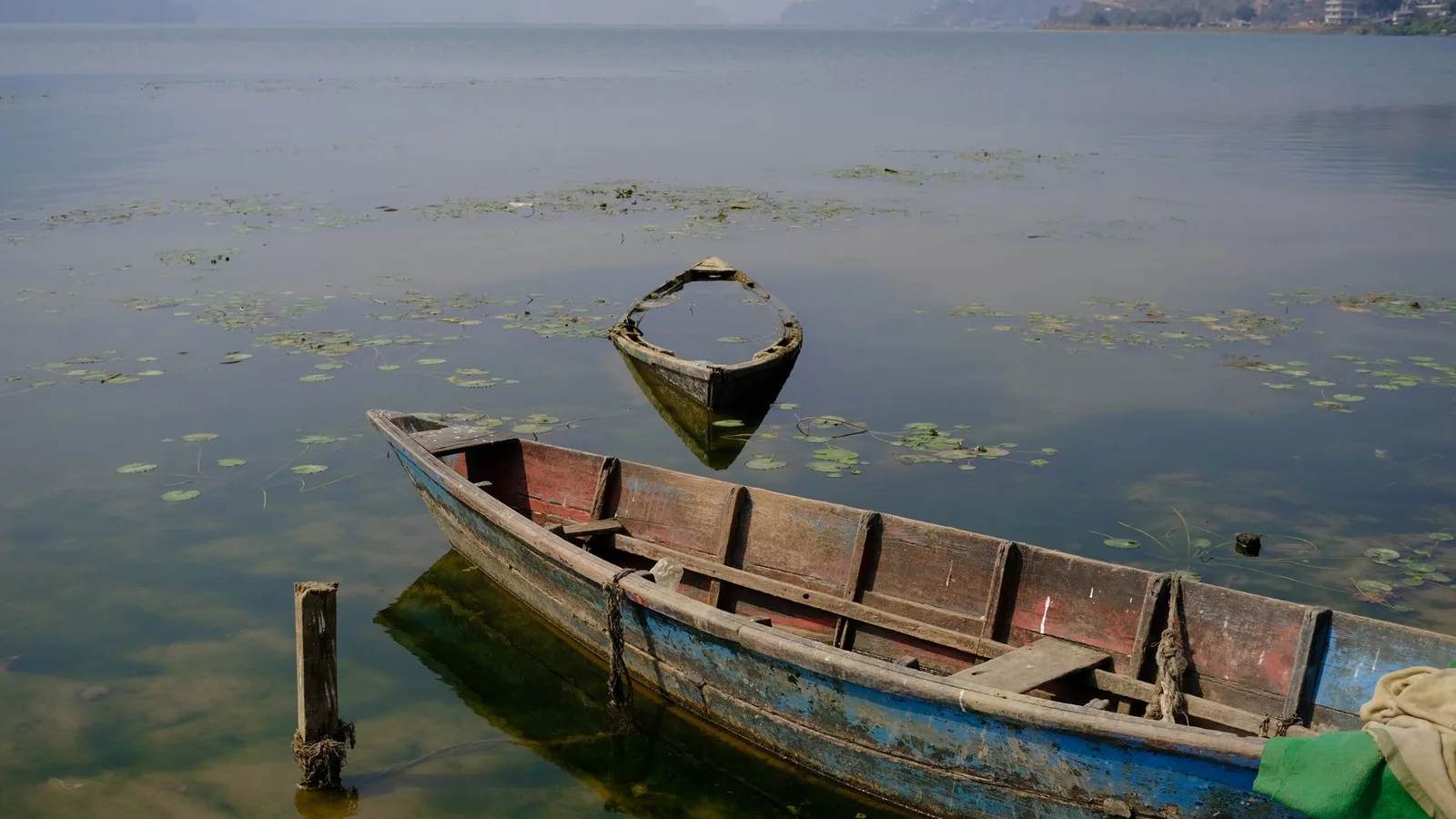
The Kathmandu to Pokhara highway is cut at Krishnabhir and it could be shut for a month
The Prithvi Highway collapsed at Krishnabhir in Dhading on 30 August and the Kathmandu–Muglin road is shut both ways. Police estimate a month to reopen.
Safety & Advisories
Is Pokhara safe from the floods? Yes, but getting there from Kathmandu is the real problem
Pokhara and Kaski district were not hit by the 26 August 2026 flood, which came down a different river system about 150 km east. The road in from Kathmandu is the part that is broken.

Breaking Safety & Advisories
Nepal’s tourism minister is asking you not to cancel your trek
Khadak Raj Paudel says the floods hit specific places, not the whole country, and the trails are open. Where he is right, and the bit he leaves out.
Latest from the desk
Gear & Tech
Trail shoes or hiking boots, and what the ankle-support research actually found
Most teahouse trekkers wear more boot than the walk needs, and the ankle-support argument holding that up is thinner than the shops suggest.
Gear & Tech
Merino or synthetic base layers, and what a lab found when it measured the smell
Merino wins the week-long wear, synthetic wins the overnight dry, and the lab reason merino stays fresh is not the bacteria story you have been told.
Safety & Advisories
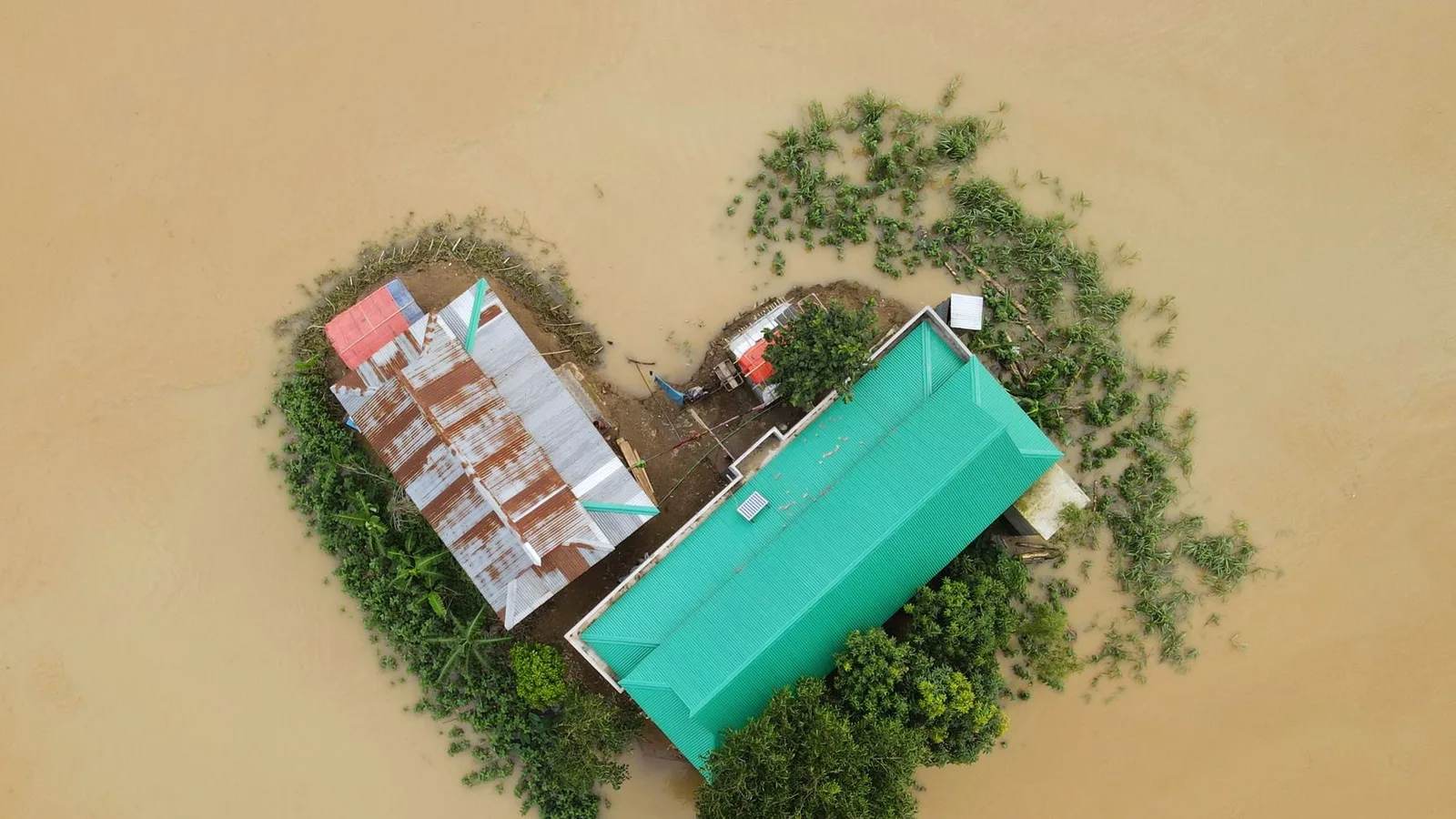
If someone you know is missing in the Nepal flood, you don't have to fly to Kathmandu
Nepal Police have identified 95 of more than 1,200 bodies recovered. Families abroad can be DNA-profiled at home and send the result in. Here is how it works.