
Monsoon and Your Lukla Flight: Manthali, Delays and Why You Need Buffer Days (2026)
Heading to Everest in the rains? Your flight may not even leave Kathmandu. Here is how Lukla access really works in monsoon 2026 — and how to protect your trip.
At a glance
- Published
- TopicFlights & Access
- Verified againstCivil Aviation Authority of Nepal
- Treks coveredEverest Base Camp Trek — 12 Days, Everest Base Camp Trek — 14 Days
Key facts
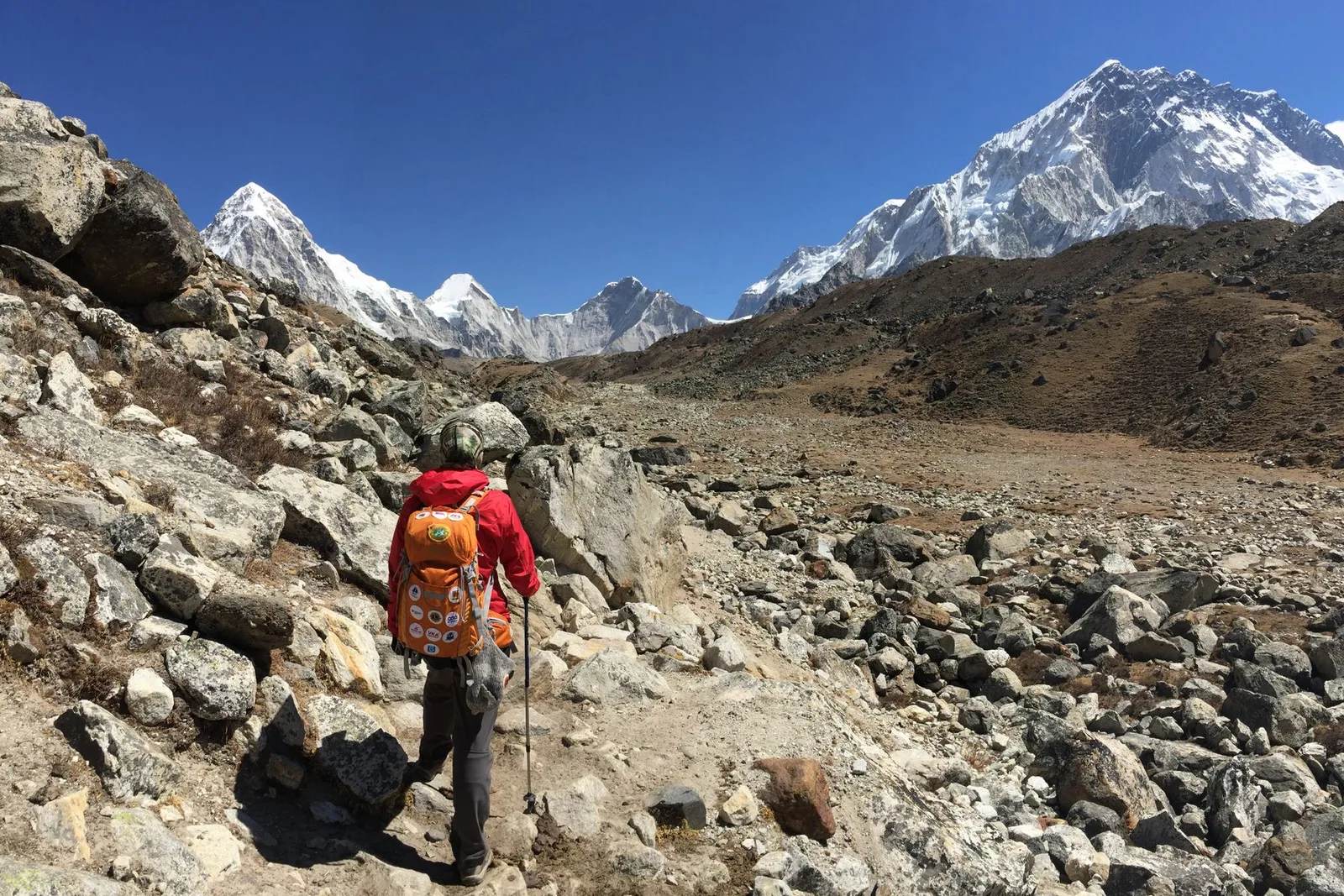
From the trail · Everest

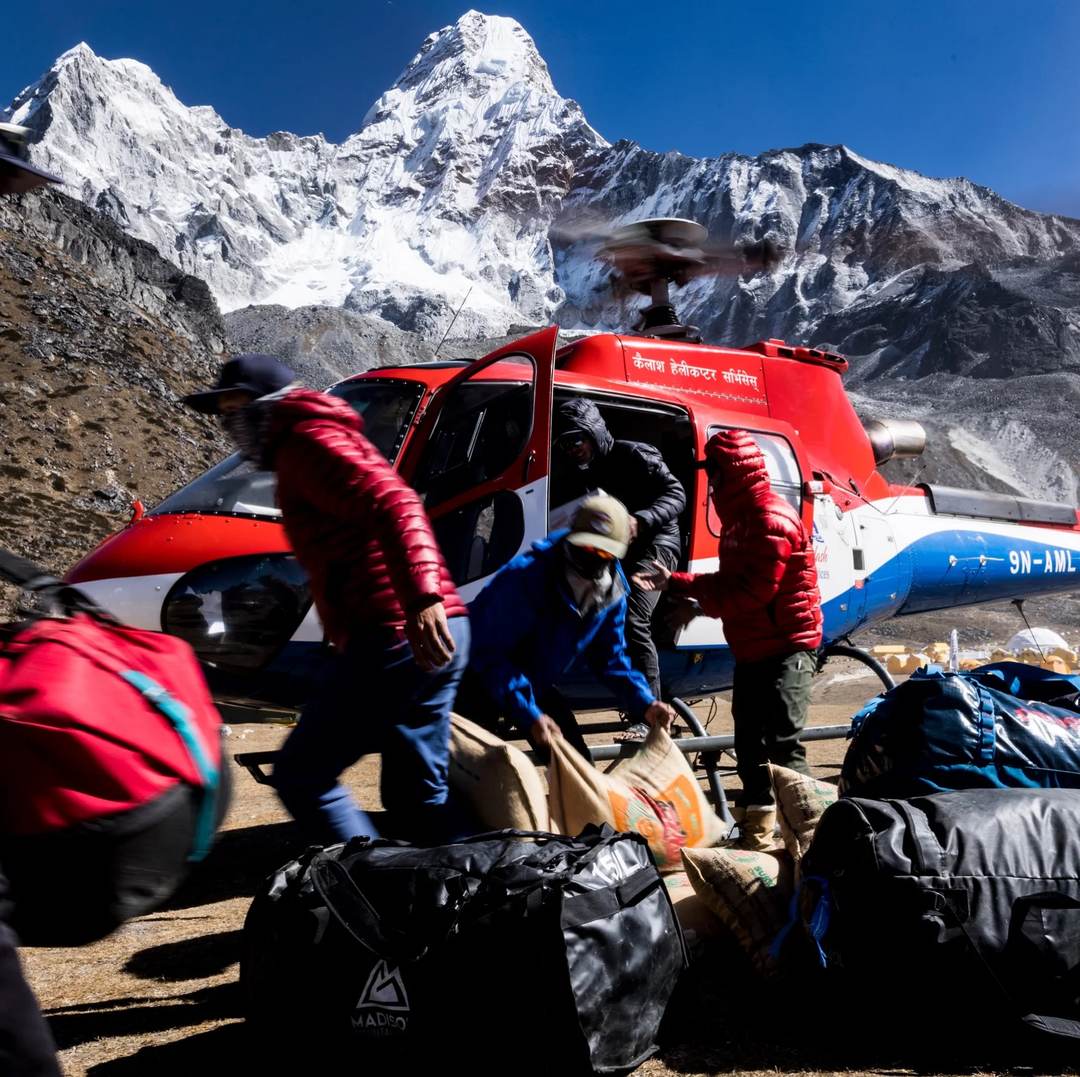
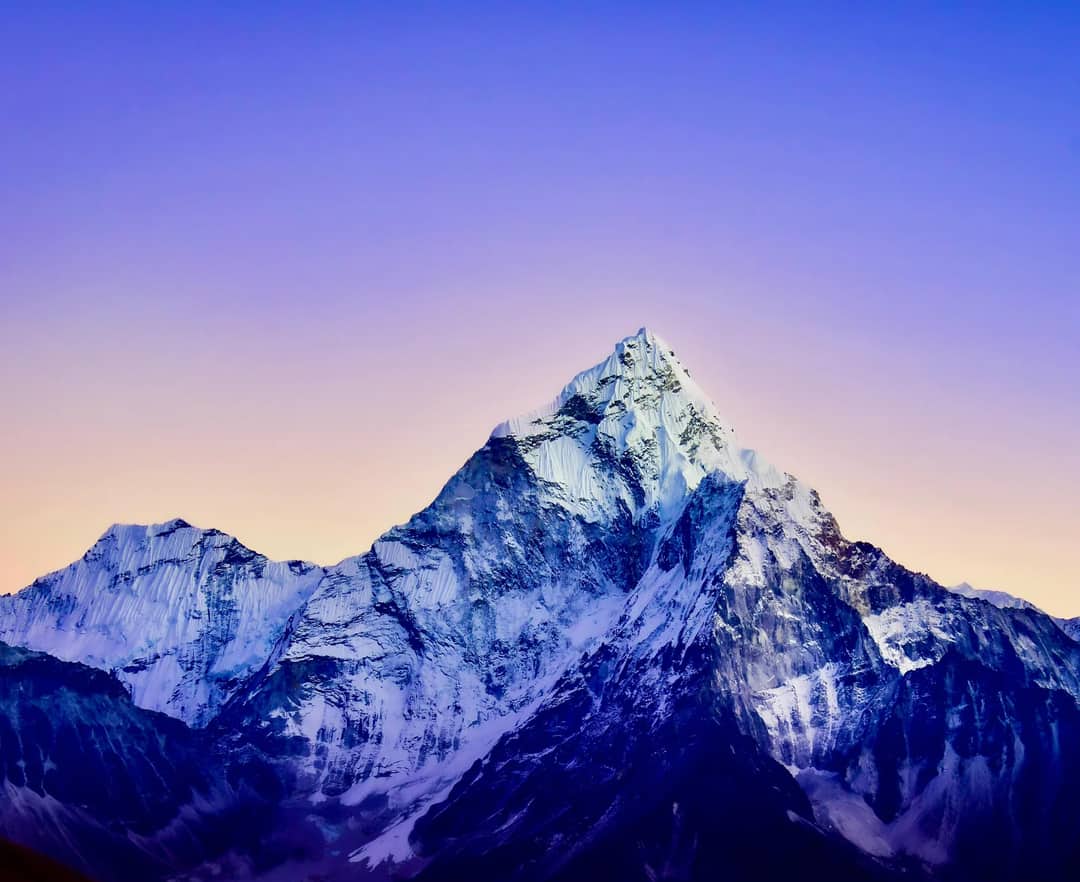

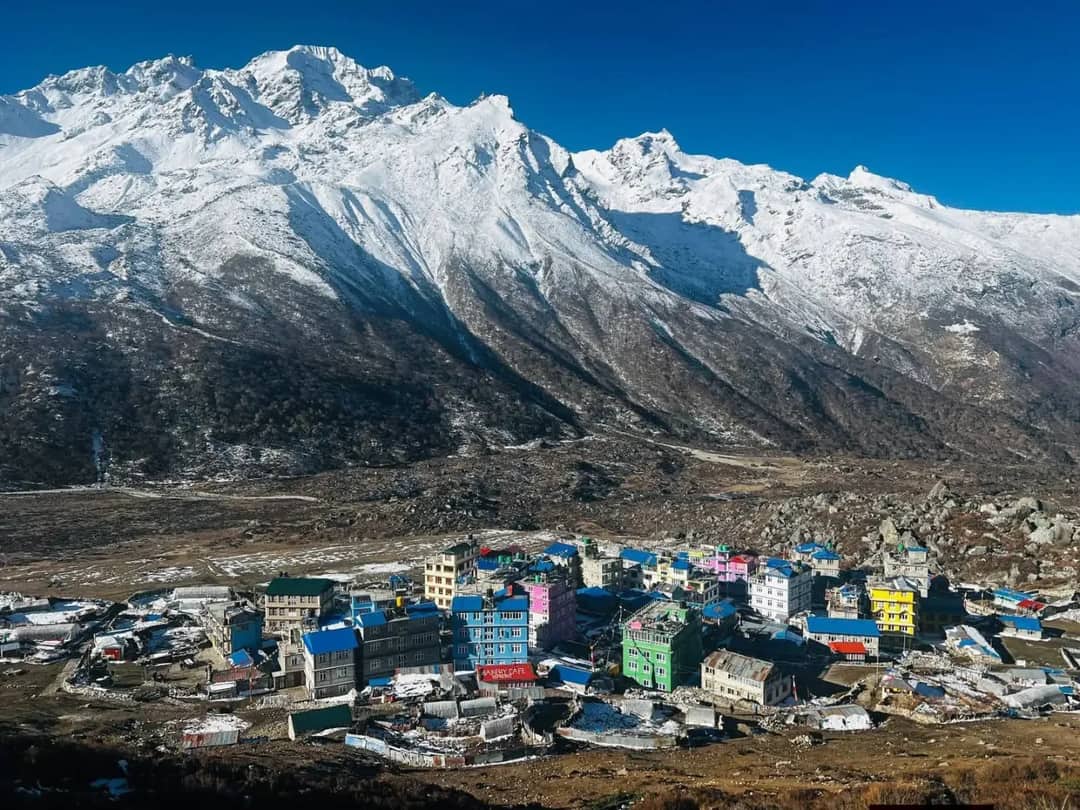
- In spring and autumn, all Lukla flights leave from Manthali (Ramechhap), a 4 to 5 hour pre-dawn drive from Kathmandu.
- In the monsoon (June to August) the crowds are gone and flights usually run from Kathmandu again — but weather, not congestion, becomes the problem.
- Lukla flies in a morning-only window and is grounded whenever cloud closes the strip at 2,860 m.
- There is no road to Lukla. Build 1 to 2 buffer days at each end of any Everest trek.
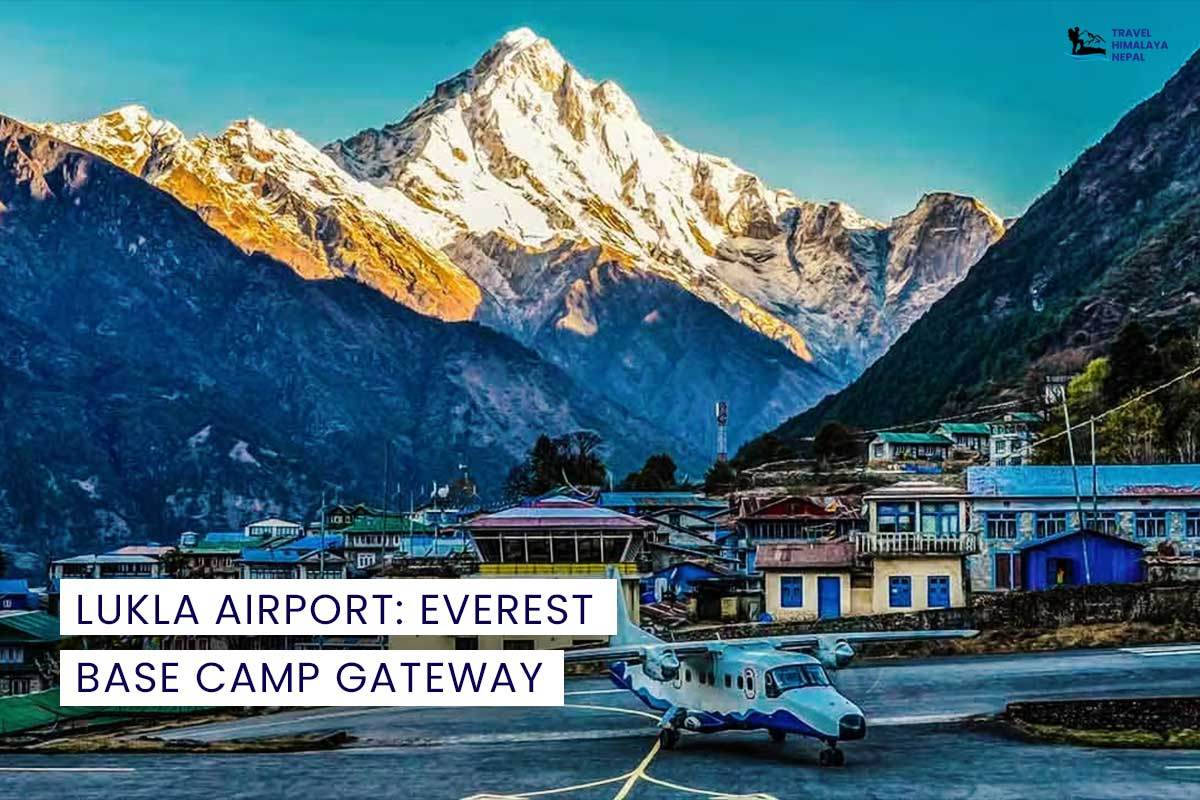
Of all the questions we field from trekkers in the rains, this is the one that catches people out: what time is my flight to Lukla? The honest answer in monsoon is — whenever the cloud lifts, if it lifts. Everest access has little to do with the itinerary printed in your brochure and everything to do with a tiny mountain runway at 2,860 metres that only opens when pilots can see it.
Here is how it actually works in 2026, season by season, and what to do about it.
Where your flight leaves from
This changes with the season. During the two peak windows — 15 March to 15 May and 25 September to 30 November 2026 — the Civil Aviation Authority of Nepal moves all Lukla flights out of Kathmandu to Manthali airport in Ramechhap, about 132 km east, to relieve the congestion at Tribhuvan. That means a 4 to 5 hour jeep drive, usually starting around 1 to 2 a.m. to catch the first slots.
In the monsoon and winter, when the trekking crowds thin right out, flights generally revert to the direct Kathmandu to Lukla hop — a 12 to 15 minute flight costing roughly USD 250 to 255 one way. Convenient in theory. The catch is the weather.
| Season | Flights depart | Drive from Kathmandu | Main risk |
|---|---|---|---|
| Spring peak (15 Mar–15 May) | Manthali (Ramechhap) | 4–5 hours | Congestion, 2 a.m. starts |
| Monsoon (Jun–Aug) | Kathmandu | In city | Cloud and rain delays |
| Autumn peak (25 Sep–30 Nov) | Manthali (Ramechhap) | 4–5 hours | Congestion, high demand |
| Winter (Dec–Feb) | Kathmandu | In city | Cold, morning fog |
Why monsoon is the hardest
Lukla operates under visual flight rules in a morning window of roughly 6 to 11 a.m., before the day heats up. In monsoon the cloud builds over the Khumbu by mid-morning and the valley fills in fast, so the flyable window is short and unreliable. Tribhuvan itself has no instrument landing system, so low cloud and the Kathmandu valley monsoon haze stack up delays at the city end too. One or two days of no flights in July is normal, not a catastrophe — provided your plan can absorb it.
What this means for trekkers
What to do
Never book an international flight home for the day after you are due back in Kathmandu. Build 1 to 2 buffer days at each end of an Everest trek, carry insurance that covers a helicopter evacuation or a paid heli-shuttle out of Lukla when flights stack up, and keep your plans flexible. With a buffer and a guide who is on the phone to the Lukla dispatchers each morning, a weather hold is an inconvenience. Without one, it can cost you the flight home.
If you would rather avoid the lottery altogether, the monsoon months are when our rain-shadow treks shine, and a clear-weather Everest trip is best planned for October and November or March to May.
Thinking about Everest? See our 14-day Everest Base Camp trek with buffer days built in, or the 12-day itinerary. We plan every Khumbu departure around the realities of Lukla, not the brochure.
Source: Civil Aviation Authority of Nepal (Ramechhap/Manthali peak-season routing); operator flight advisories, June 2026.
Still running this season
Everest Base Camp Trek — 12 Days is running normally
NMA-certified local guides, transparent pricing, 5,000+ treks since 1998. Message us your dates and we'll sort the permits, lodges and logistics — reply within 24 hours, no obligation.
Popular Nepal treks
All treks →
Related coverage
Records & People
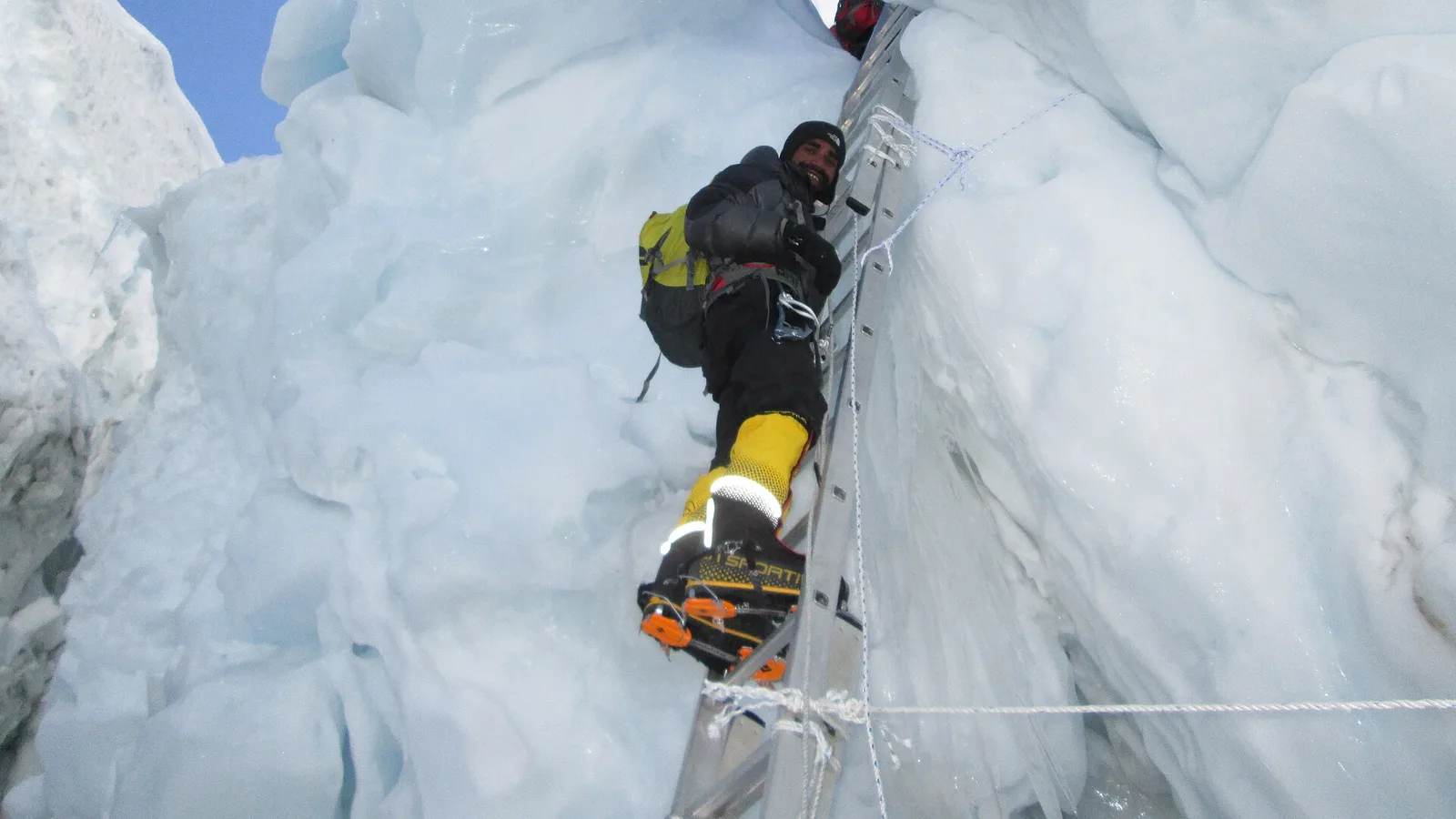
Eight Sherpas Build the Path Every Everest Climber Walks, and This Spring One Ice Tower Stopped Them for 19 Days
The Icefall Doctors fix the ladders and ropes through the Khumbu Icefall each spring, and in 2026 a 28-metre serac made it the latest route opening in years.
World Destinations
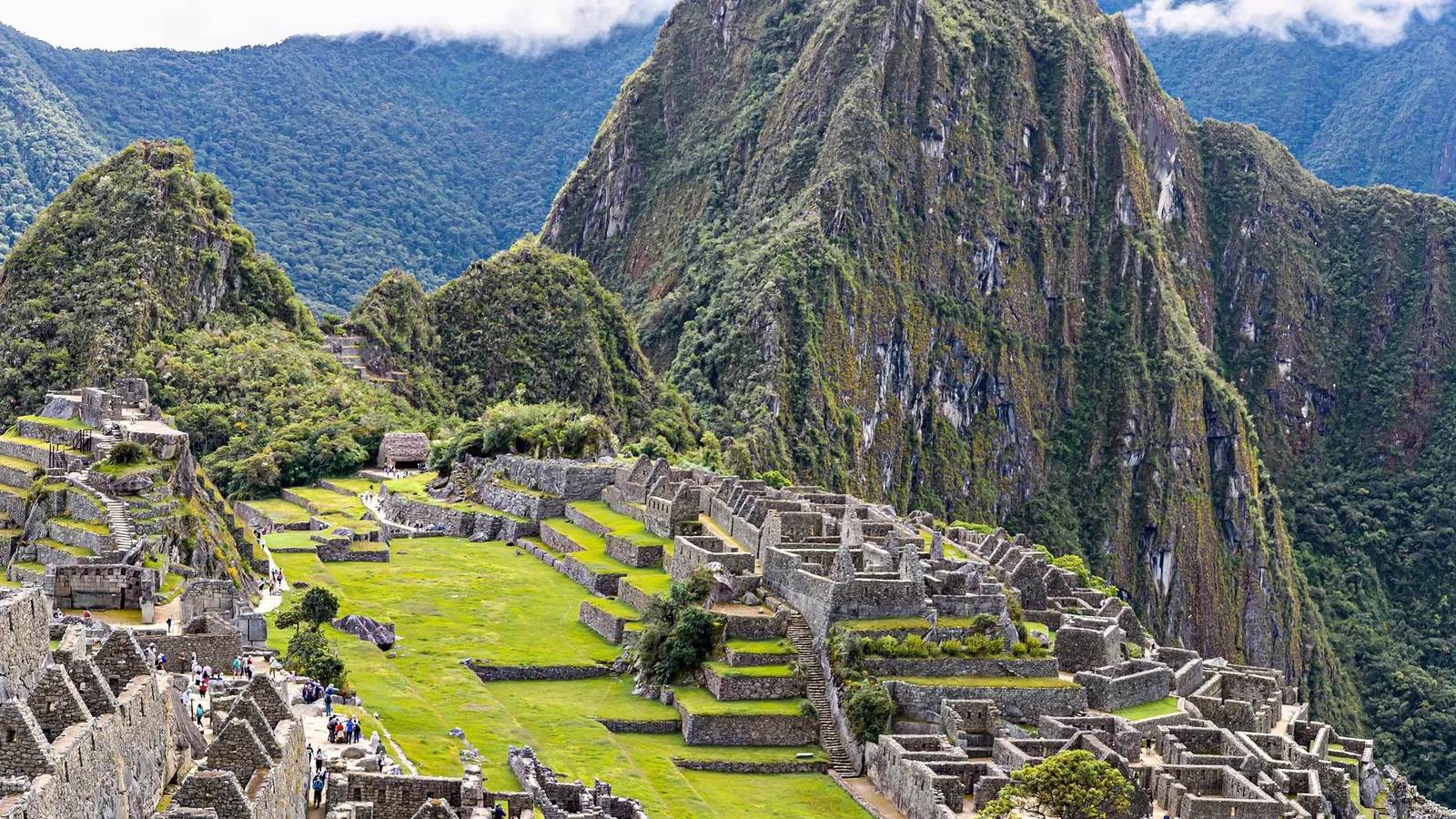
Altitude sickness doesn't need a mountain, just a flight to Cusco
Altitude illness starts around 2,450 m, and Cusco, La Paz and Lhasa all sit above it. Flying straight in is harder on you than walking to Everest Base Camp.

Flights & Access
Everest Base Camp Trek or Helicopter Tour? The Kala Patthar Reopening Changes the Math in 2026
A shared helicopter can land you on Kala Patthar again after a three-year ban, but it still can't buy you what nine days on the trail does.
Records & People
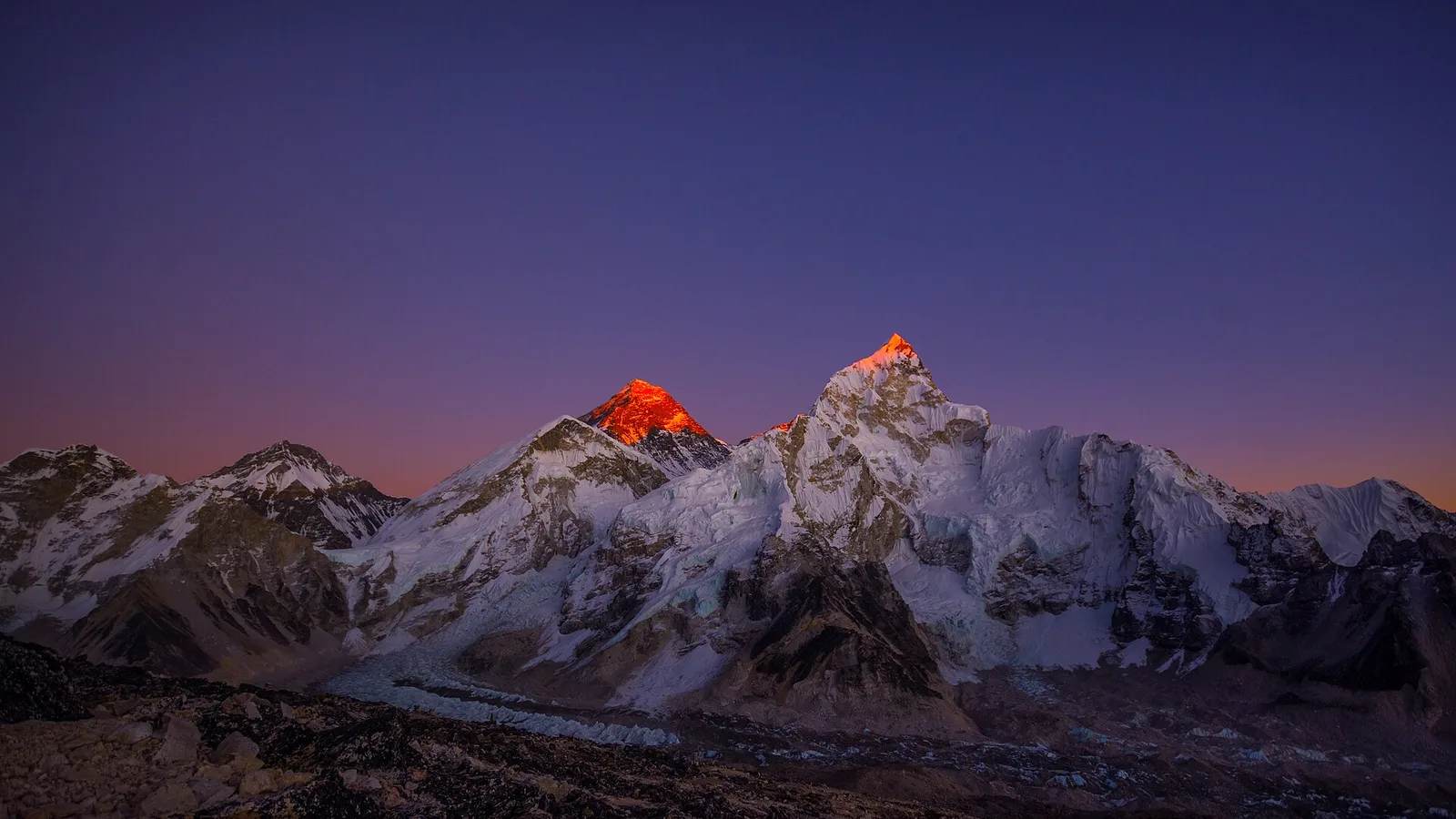
Nobody tells you Everest can only be climbed a few days a year, and the jet stream is why
For most of the year the jet stream sits on Everest’s summit. It lifts for a few weeks in May as the monsoon pushes it aside, and only then can anyone climb.
Latest from the desk
Permits & Rules
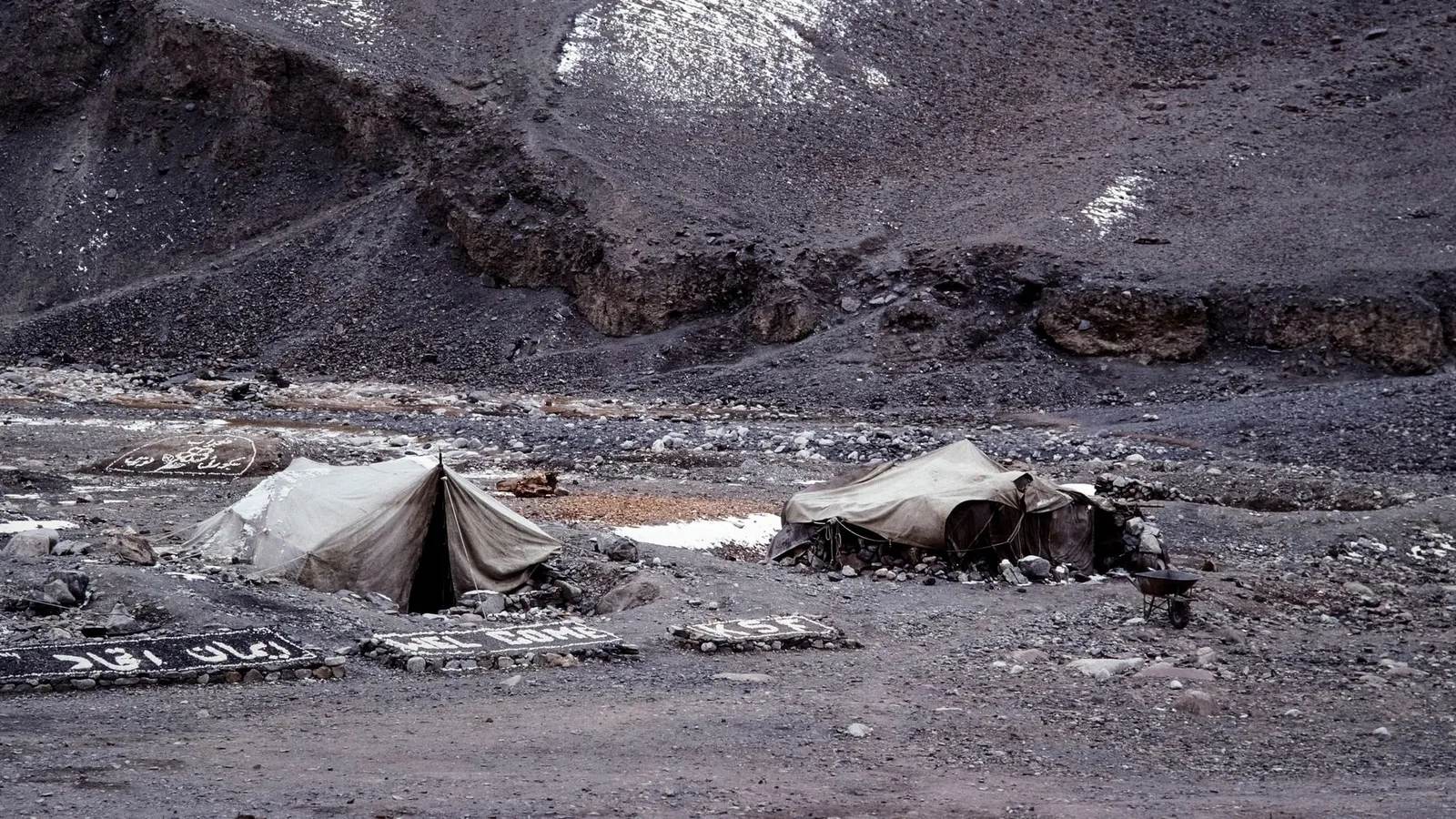
Nepal Now Stations Rangers at 6,400 Metres on Everest to Weigh Climbers' Rubbish, Poop Bags Included
Everest's first mountain rangers weighed 9.5 tonnes of waste this spring, and 1.76 tonnes of it was human waste carried down in bags.
Breaking Safety & Advisories
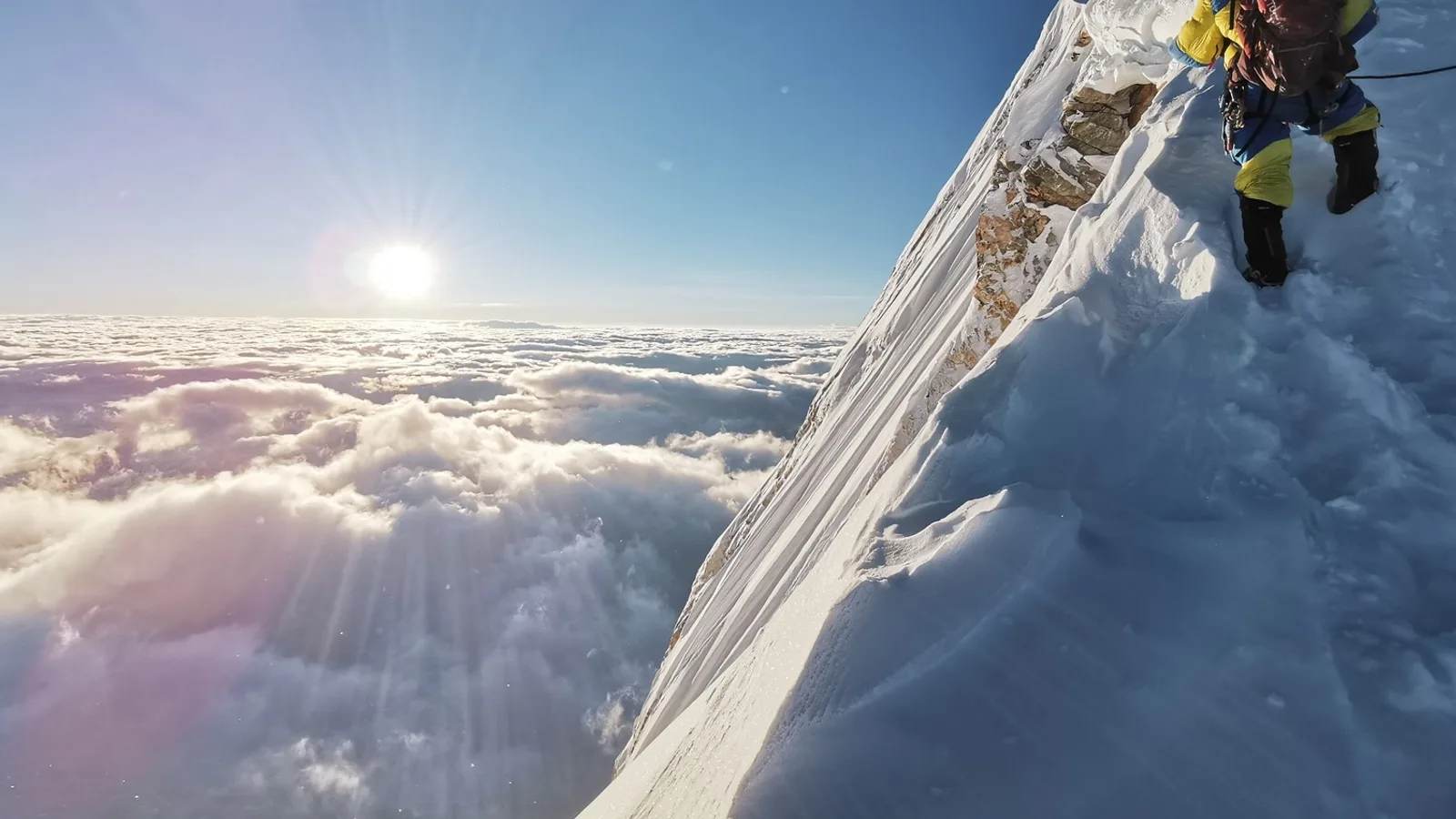
Two Climbers Died When an Avalanche Buried Their Tent at Manaslu Camp III, and It Is the Fourth Death This Autumn
An Indian-born German climber and his Nepali Sherpa guide were found under about seven feet of snow on 20 September, in a season with record permits.
Records & People
Nepal Drops From 8,848 Metres to 59 in Under 250 Kilometres, and Its Lowest Point Just Moved
A 2017 survey reportedly found a lower spot than the one Nepal had used for decades, which makes the gap between jungle floor and Everest summit even harder to believe.