
Why Nepal Floods Every Monsoon: The 2024–2026 Disaster Pattern and What It Means for Trekkers
Three monsoons, one recurring disaster — floods and landslides strike Nepal every June–September, and here is what the 2024–2026 record shows.
At a glance
- Published
- TopicTrail & Weather
- ReportingOriginal, by our guides in Pokhara
- Treks coveredAnnapurna Circuit Trek — 14 Days, Everest Base Camp Trek — 14 Days, Langtang Valley Trek — 7 Days
Three monsoons, one story. In late September 2024, floods and landslides killed more than 200 people across Nepal in a single week. In July 2025, a wall of water tore down the Bhote Koshi and swept away the Nepal–China border bridge at Rasuwagadhi. On 26 August 2026, the same river flooded again — killing at least 95 people in Nepal, by police count, and cutting a border trade route and a slice of the national grid. Different valleys, different triggers, but the shape of the disaster keeps repeating: a sudden, violent burst of water in the June–September window, striking faster than any warning can travel.
This piece is about that track record — the multi-year pattern and what it means for the trekking calendar. For the physics of why the rain itself is changing character, see Nepal's monsoon is turning erratic and extreme; for the season's opening and closing dates, see when Nepal's monsoon ends. What follows sits between them: the disaster record of 2024–2026, honestly sourced, and the practical takeaway for anyone deciding when to walk.
Key facts
- Nepal's deadliest recent monsoon week was late September 2024: reports converged above 200 dead nationwide, with record rainfall over the Kathmandu Valley.
- The Bhote Koshi river alone has flooded twice in about 14 months — July 2025 and August 2026 — both times destroying border infrastructure in Rasuwa.
- ICIMOD scientists say such high-mountain flood events are increasing at an “unprecedented” pace across the Hindu Kush Himalaya.
- The damage in all three years landed on roads, bridges and river valleys — not on the high trekking ridgelines — and mostly outside the main October–November season.
The three-year record
Each of the last three monsoons has produced a signature disaster. The figures below are the ones credible sources have attributed; where a toll rose through the days that followed, we cite the count and its source rather than round it up.
| When | Event | Casualties as reported | Source |
|---|---|---|---|
| Late Sep 2024 | Nationwide floods & landslides; record Kathmandu Valley rainfall (240–322 mm, largest since at least 1970) | Reports converged above 200 dead; at least 217 confirmed dead and 28 missing by 1 Oct; 56 dead across the valley | Government figures via Wikipedia; Al Jazeera |
| 8 Jul 2025 | Bhote Koshi flash flood at Rasuwagadhi; Nepal–China “Friendship” (Miteri) bridge swept away ~3:15 am | At least 8 dead, dozens missing; later attributed to a supraglacial-lake outburst in Tibet | The Kathmandu Post; myRepublica |
| 26 Aug 2026 | Bhote Koshi / Lhende Khola flash flood, Rasuwa district; border bridge, roads and hydropower hit | At least 95 confirmed dead in Nepal (toll climbed through the day); hundreds initially reported missing, many progressively accounted for | Bagmati Pradesh Police (spokesman Abi Narayan Kafle), as reported |
A word on the 2024 numbers, because they show how these events are counted. The toll that September climbed hour by hour — early police reports of around 100, then 126, then a government figure above 200 — as rescuers reached cut-off districts. Between 28 and 29 September the Kathmandu Valley took between 240 and 322 mm of rain, the heaviest recorded there since at least 1970, per Wikipedia's compiled tally. The 2026 Rasuwa flood behaved the same way: the confirmed count reported by Bagmati Pradesh Police rose from single digits early in the morning toward roughly 95 by day's end, and a separate preliminary list of the missing (put at 384 by the Nepal Tourism Board, most of them foreign nationals) was being worked down as authorities verified travellers' whereabouts and confirmed many safe. We say “initially reported missing,” not “dead” — the distinction matters, and the figures are still changing.
Why the same river keeps failing
The standout in the record is the Bhote Koshi, which drains from Tibet through Rasuwa and has now flooded catastrophically twice in a little over a year. Both times the water came not from rain on Nepali soil but from the ice above the border. The July 2025 flood was attributed to the sudden drainage of a supraglacial lake — a meltwater pool on the surface of a glacier — on the Tibetan side. For the 26 August 2026 event, no single cause has been established: ICIMOD scientists have offered two glacial explanations (a rock-ice avalanche that dammed and then released the Lhende Khola, and satellite evidence of a supraglacial lake draining north of the Langtang Himal), while Nepal's foreign minister pointed to an earthquake-triggered landslide, with the USGS recording a magnitude 4.4 tremor in Tibet minutes before the surge. What the glacial explanations share is a source above the treeline, releasing without warning.
What is driving the pattern
Two things are loading the dice. First, the rain: a warmer atmosphere holds more moisture and tends to deliver it in shorter, harder bursts, so the same seasonal total arrives as fewer, more dangerous downpours onto steep, saturated slopes. That is the mechanism we cover in the climate-science piece. Second, the ice: as Himalayan glaciers thin and retreat, meltwater pools and lakes multiply on and around them, and these can fail suddenly as glacial lake outburst floods (GLOFs) or ice-rock avalanches — a flood threat that arrives from above, independent of whether it is raining in the valley below.
ICIMOD's Saswata Sanyal has described such high-mountain flood events as increasing at an “unprecedented” pace across the Hindu Kush Himalaya. That framing fits the record on this page: two of the last three signature disasters were glacier-fed floods on a single trans-border river, not ordinary rain floods. For the wider picture of a warming range, see how climate change is reshaping the Himalaya, and for the immediate 26 August event, our report on the Bhote Koshi flash flood in Rasuwa.
What it means for the trekking calendar
Read the record carefully and a reassuring detail emerges: the damage keeps landing on roads, bridges and valley-floor settlements, and it keeps happening inside the monsoon — late September 2024, early July 2025, late August 2026 — not in the peak trekking months. The high trails most walkers actually climb sit above the water. The real exposure for a trekker is not being swept off a ridge; it is a washed-out road or a severed border crossing between the airport and the trailhead.
The takeaway: monsoon vs October–November
Nepal's main trekking season, October and November, opens after the monsoon has withdrawn — the skies clear, the rivers drop, and the flood-and-landslide risk that defines June–September falls away. If you trek in the autumn window, the pattern on this page largely isn't your problem; road crews typically have the season's damage repaired by the time it opens. If you must travel during the rains, build in buffer days for road and flight delays, do long transfers in daylight, favour fly-in routes over long drives, and lean toward the rain-shadow valleys behind the big peaks. And whenever you go, book with an operator who tracks live road and river conditions on your specific route.
The 2026 flood struck Syabrubesi and Timure — the road-head for the Langtang Valley and the overland gate to Tibet — and access there is being assessed. But the classic autumn routes are unaffected by it: the Everest Base Camp trek flies in and never touches a monsoon-blocked highway, the Annapurna Circuit runs through the dry rain-shadow country, and the Langtang Valley trek — once its access road is restored — remains one of the finest short treks in the country. The pattern is real, and it is worth respecting. It is also, for most trekkers, a reason to travel with the season's grain rather than a reason to stay home.
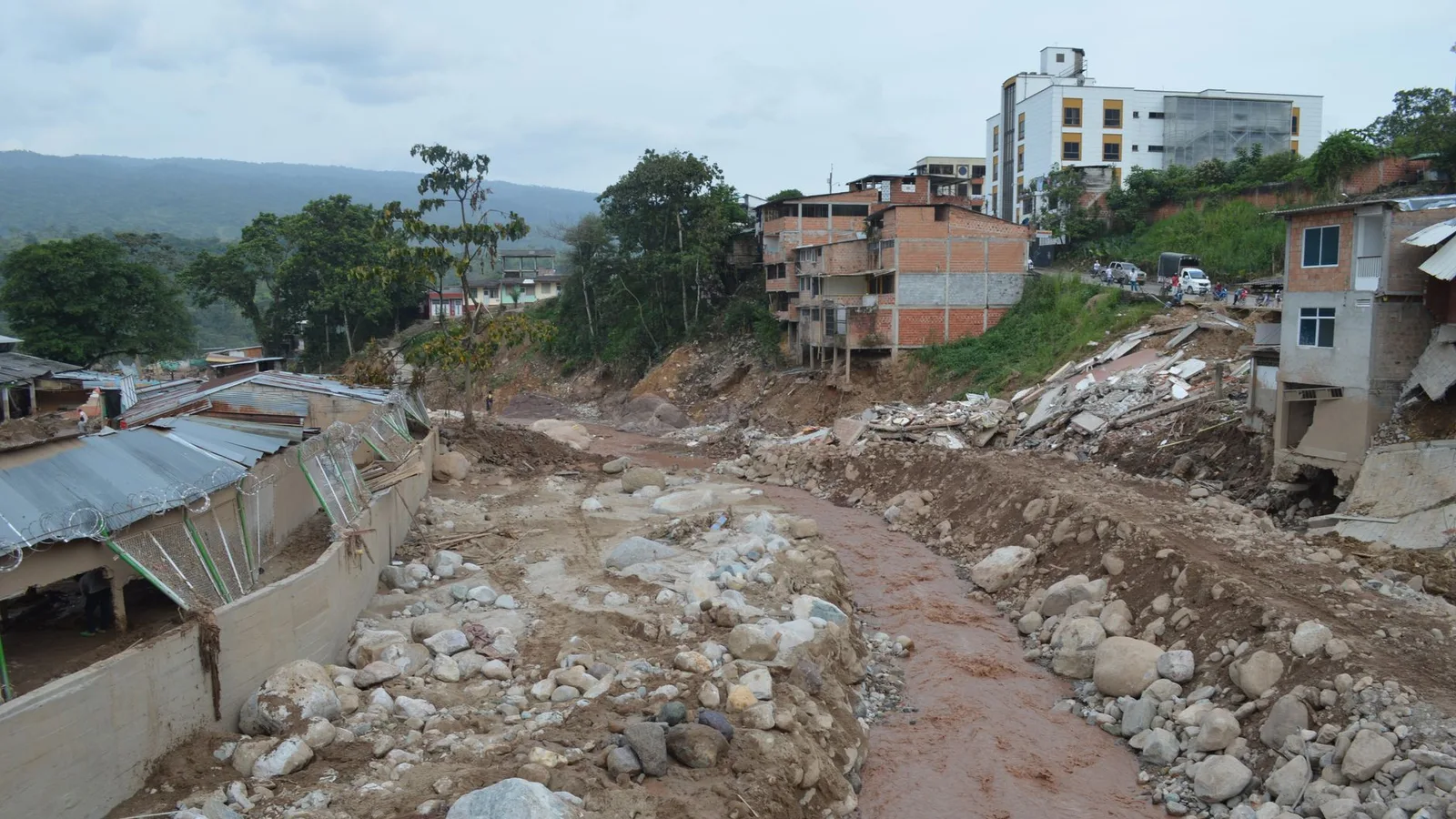
File photo: a monsoon-swollen Himalayan river — illustrative context, not the 26 August 2026 flood. Photo by Franklin Peña Gutierrez via Pexels (Pexels License).
Planning a trek?
Trek this route with us — Annapurna Circuit Trek — 14 Days
NMA-certified local guides, transparent pricing, 5,000+ treks since 1998. Message us your dates and we'll sort the permits, lodges and logistics — reply within 24 hours, no obligation.


Popular Nepal treks
All treks →


Related coverage
Breaking · Trail & Weather
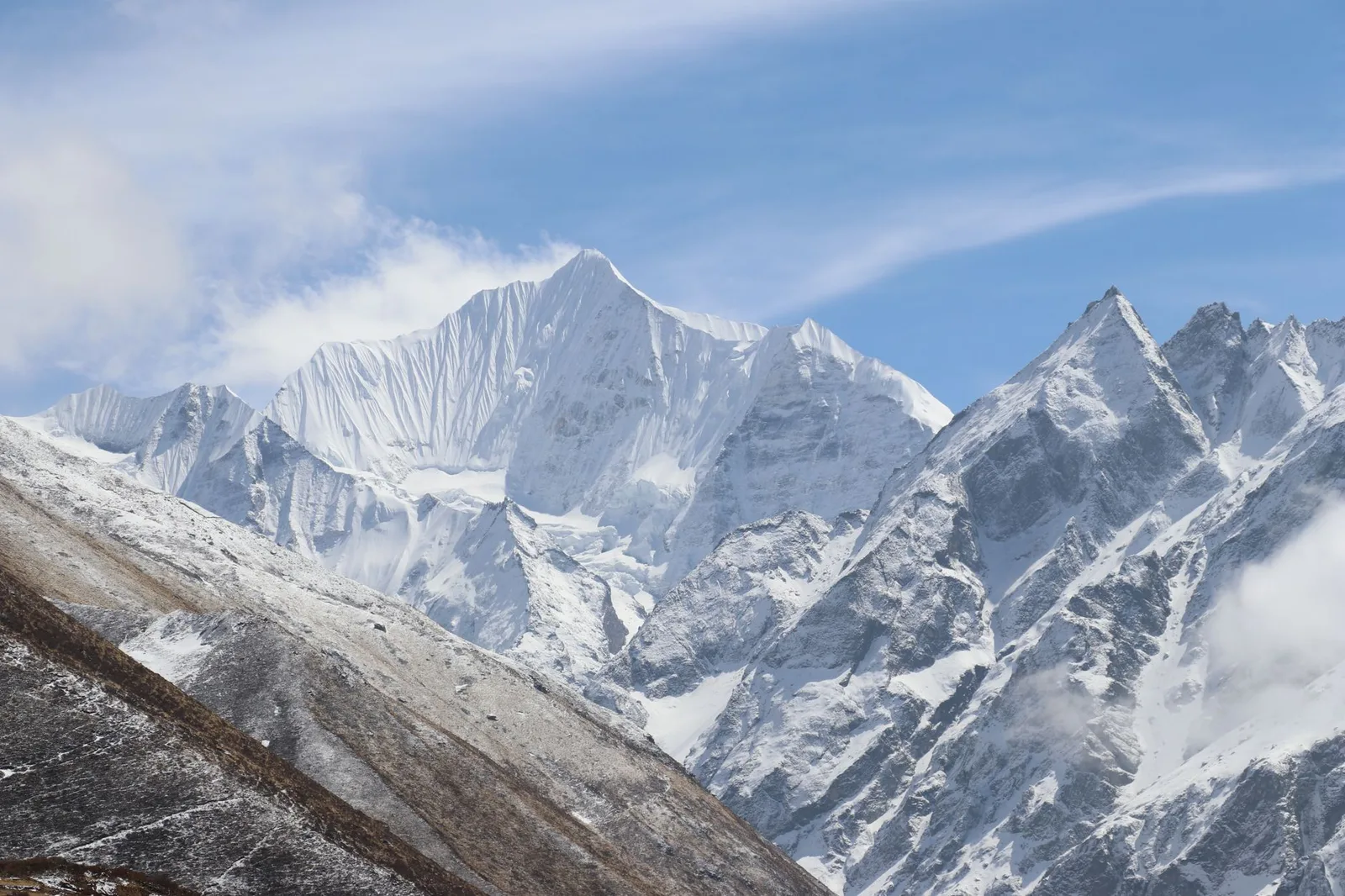
Monsoon Landslides Have Cut Nepal's Highways This August — Does It Actually Affect Your Trek?
Nepal Police confirmed fresh road closures in Rasuwa, Baglung and Mugu this week — here's exactly which treks that touches, and which ones it doesn't.
Climate & Environment
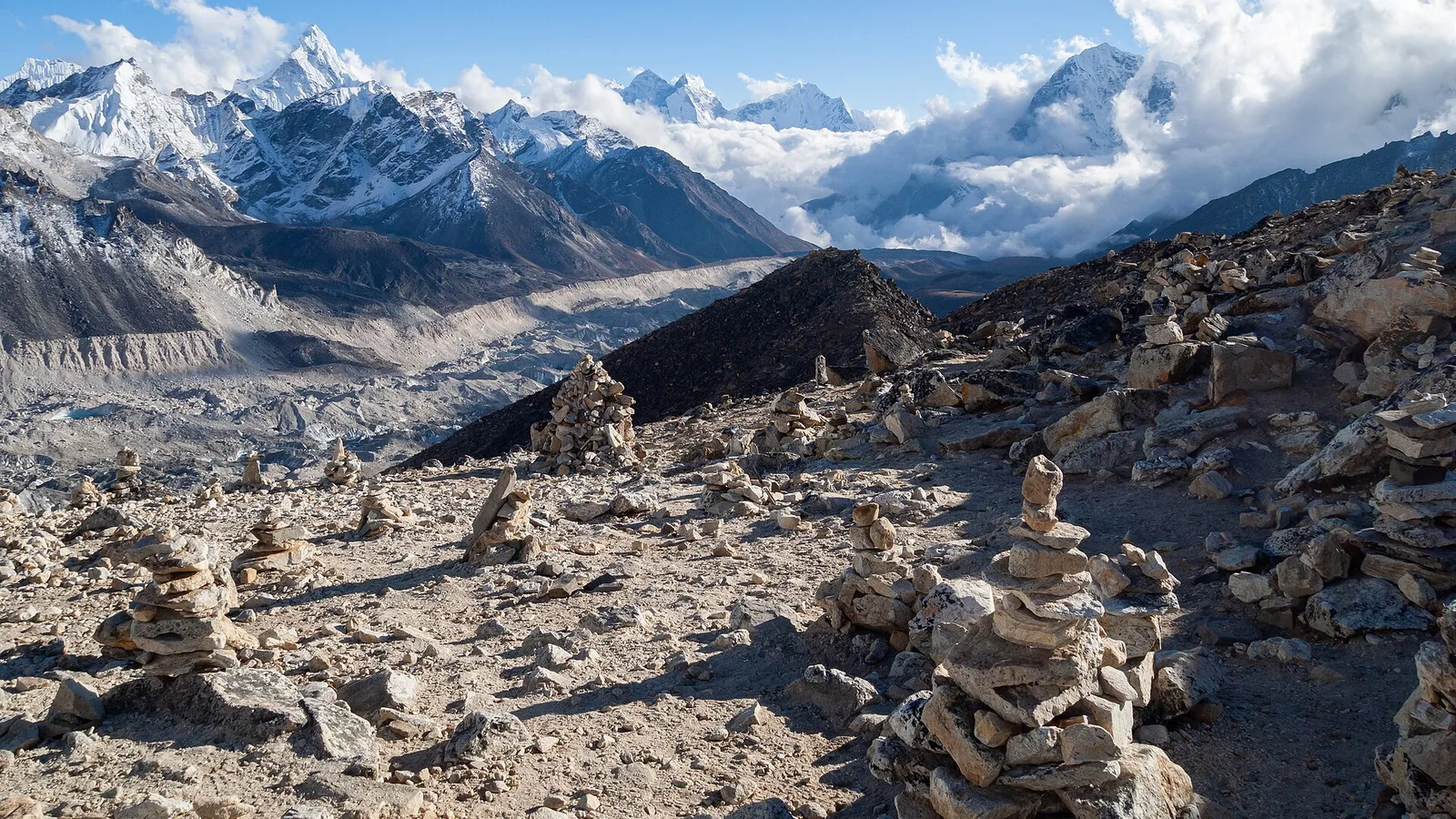
Nepal's Glaciers Are Retreating up to 28 Metres a Year — the Science, and What It Means for the Rivers Below (2026)
The ice below Everest is measurably shrinking — a decades-long record of retreat that pours extra water into Nepal's rivers now, but threatens the supply that keeps them flowing later.
Industry & Tourism
Nepal Just Opened Its Pitch to Japan and Britain at Two of the World's Biggest Travel Trade Shows
Applications opened this week for Tourism Expo Japan and World Travel Market London — the two trade floors where Nepal's tourism industry spends the next three months courting the agents and media who decide how you hear about a trek here.
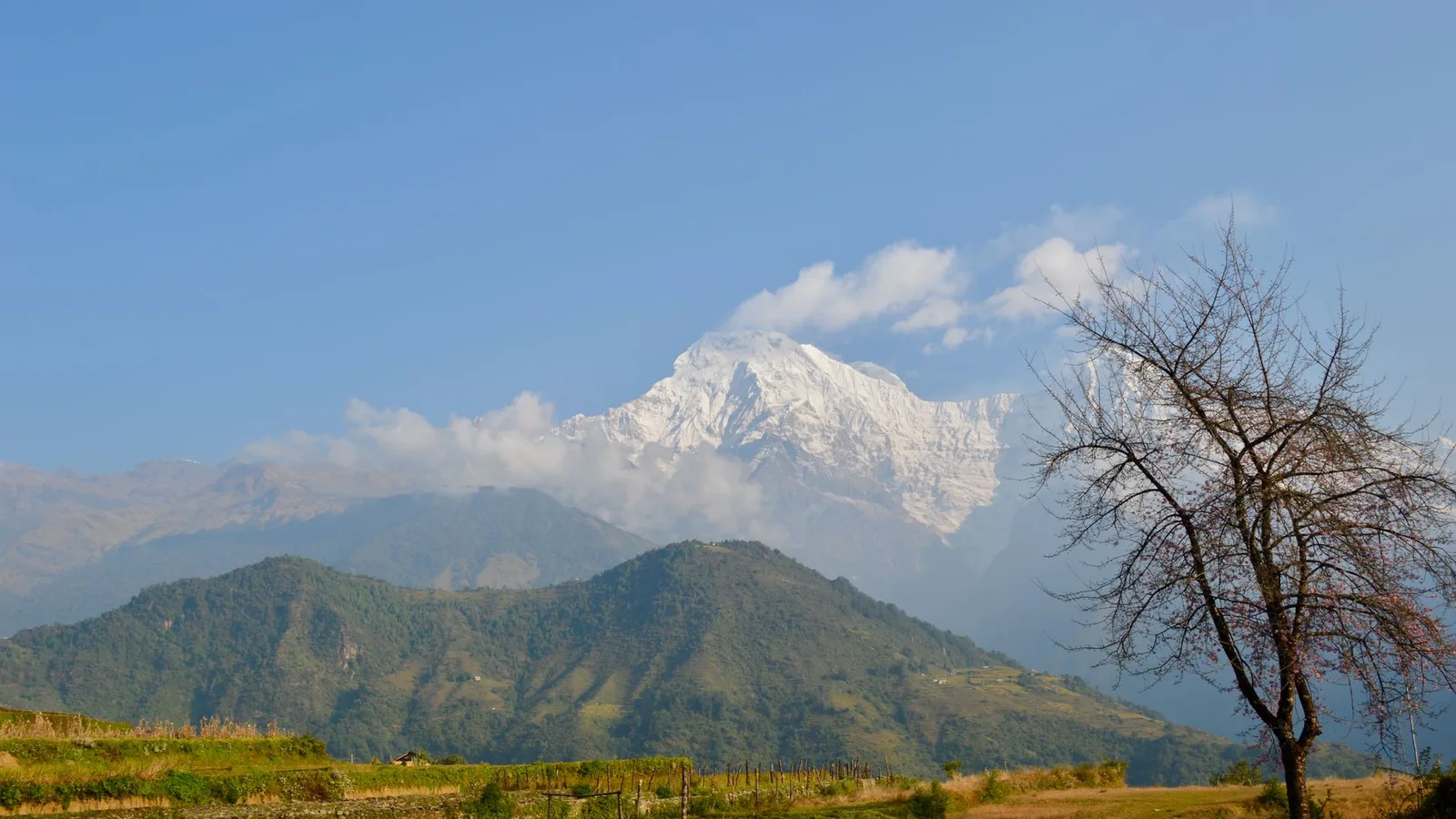
Trail & Weather
When Does Nepal's Monsoon End? Autumn Trekking Season Opens Late September 2026
The monsoon withdraws by late September, opening Nepal's clearest trekking window of the year — October and November.
Latest from the desk
Money & Insurance
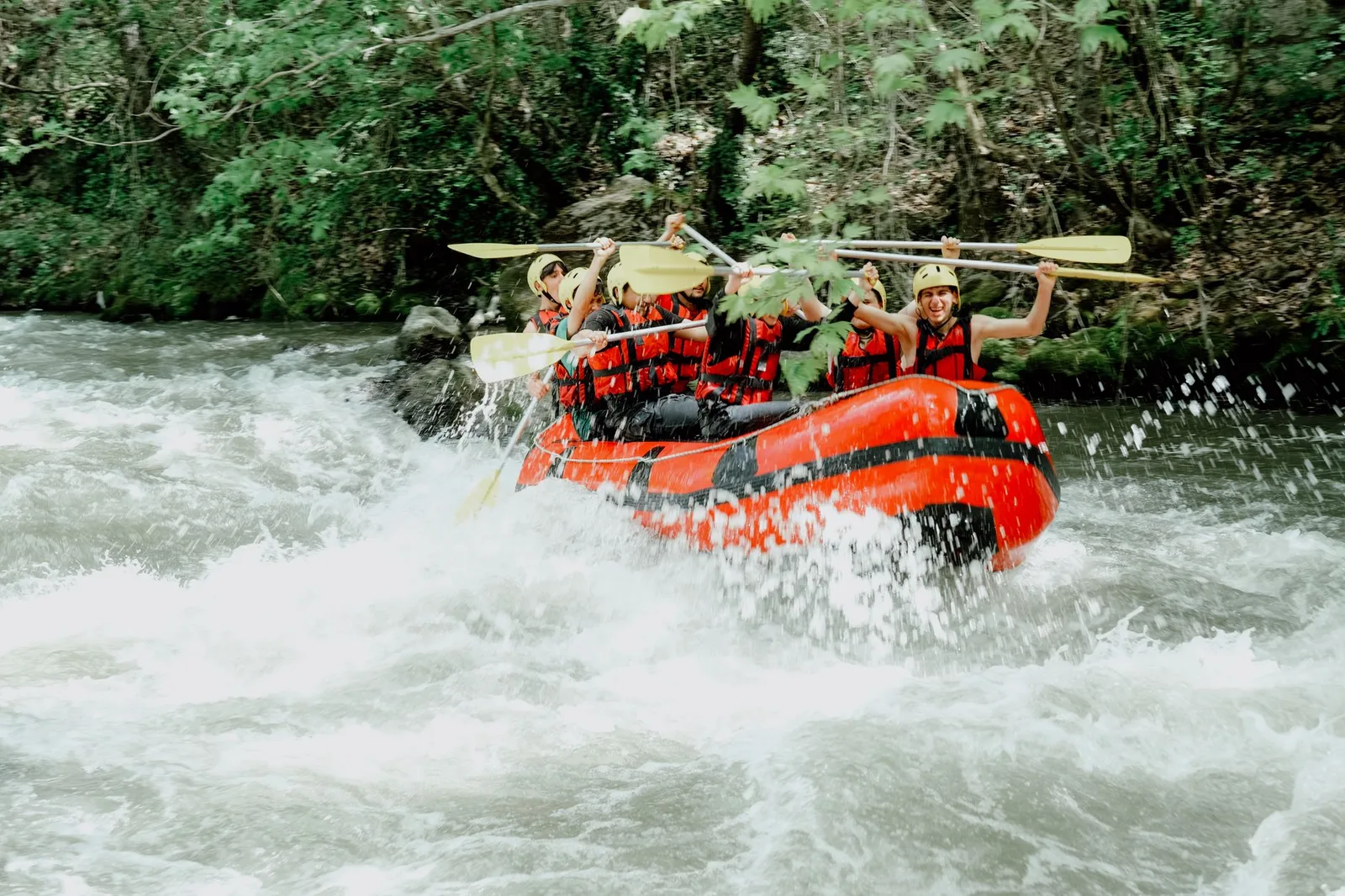
Adventure & Activity Travel Insurance in 2026: Why Standard Cover Excludes Rafting, Diving, Skydiving and High Trekking
Scuba, bungee, skydiving, quad bikes, jet skis, rafting, safari, motorbiking and trekking above a certain altitude are the activities standard travel insurance quietly leaves out. Here is how activity tiers and add-ons work, why an undeclared activity can void the whole claim, and how to match cover to your trip.
Climate & Environment
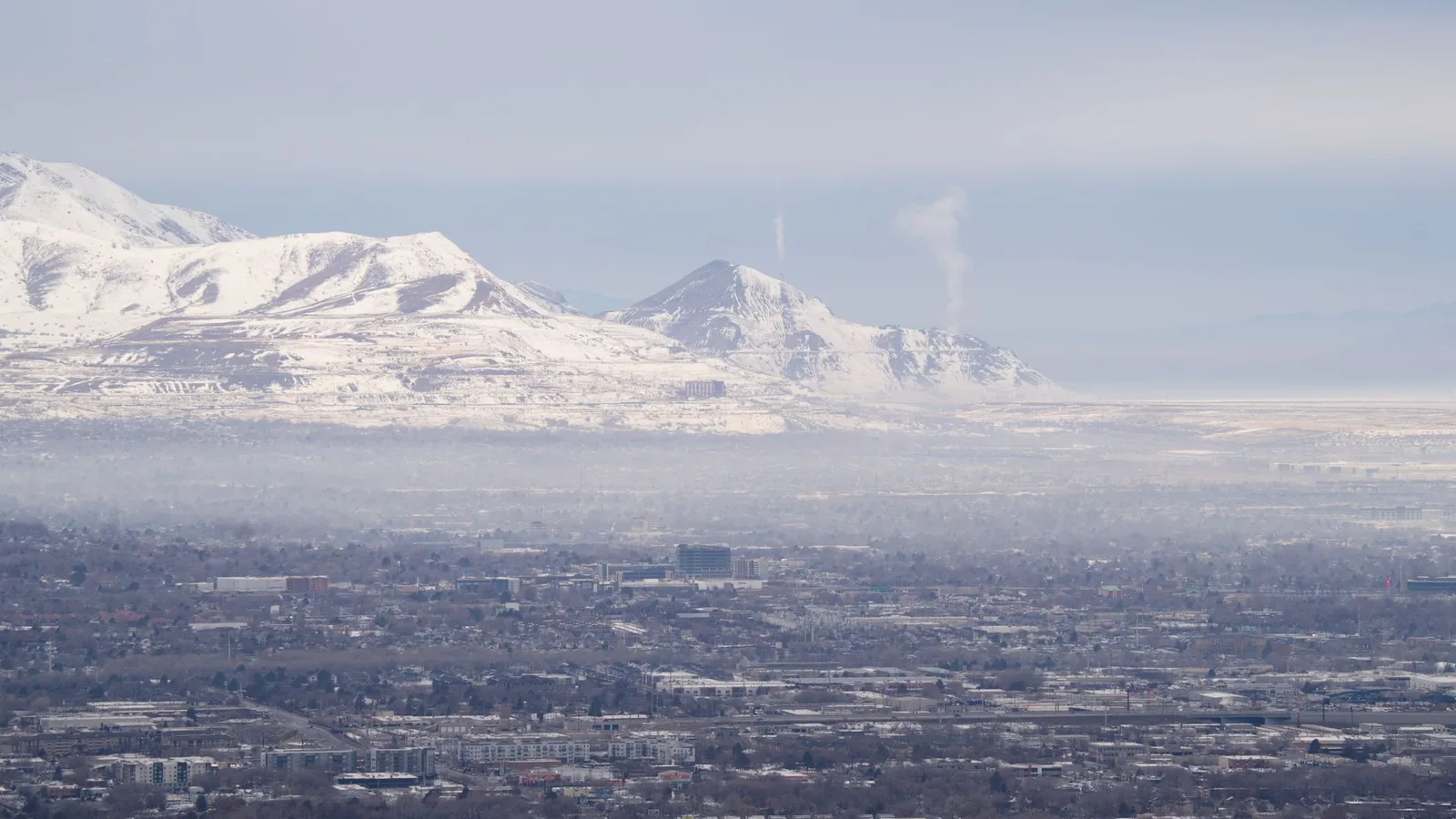
Soot Is Darkening Himalayan Snow and Speeding Its Melt, 2026 Science Shows
Soot darkens Himalayan snow so it absorbs more sunlight and melts faster — a second, faster-acting driver of glacier loss alongside warming, and the one the region could switch off within weeks.

Visas & Entry
Taking a Pet Abroad in 2026: The Rules Most Owners Underestimate
Microchip, rabies vaccination and a waiting period, a health certificate or pet passport, tapeworm treatment and even quarantine — a plain-English guide to taking a pet abroad in 2026, and why it has to start months before you fly.