
Can you still trek Nepal without a guide in 2026? The honest answer
Nepal's licensed-guide rule reshaped independent trekking. Here's exactly where you can and can't go solo in 2026 — and why the Everest region is the big exception.
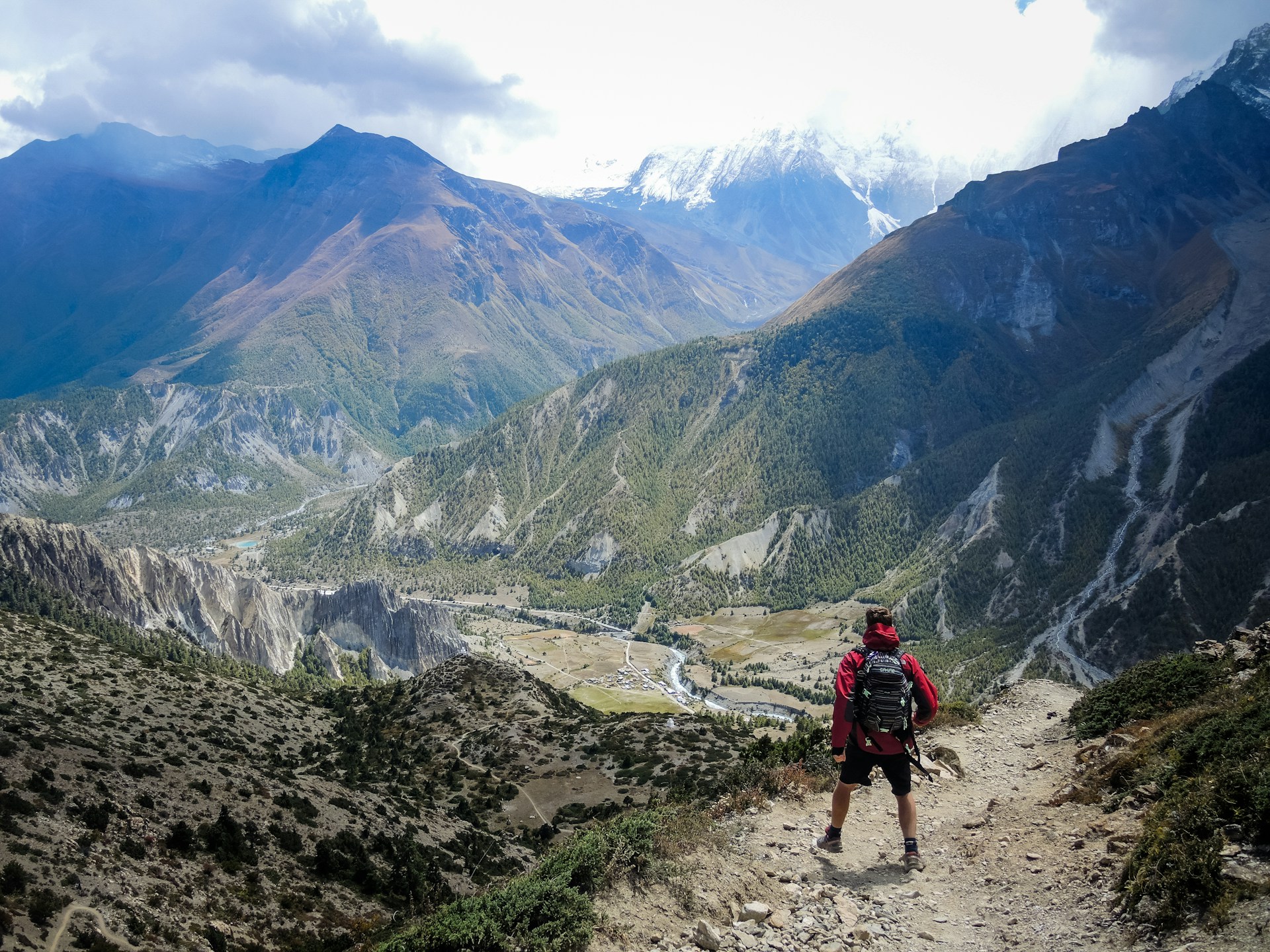
At a glance
- Published · updated
- TopicPermits & Rules
- Verified againstThe Kathmandu Post
- Treks coveredAnnapurna Circuit Trek — 14 Days, Everest Base Camp Trek — 12 Days, Manaslu Circuit Trek — 14 Days
For generations of European trekkers, Nepal meant freedom: a map, a teahouse, and the trail to yourself. Then the rules changed. If you are planning a 2026 trek and wondering whether you can still walk without a guide, here is the clear, honest answer — region by region, with the one important exception spelled out.
Whichever way that rule lands for you, the permits themselves do not change. The Annapurna set is covered in our ACAP permit and TIMS card guide.
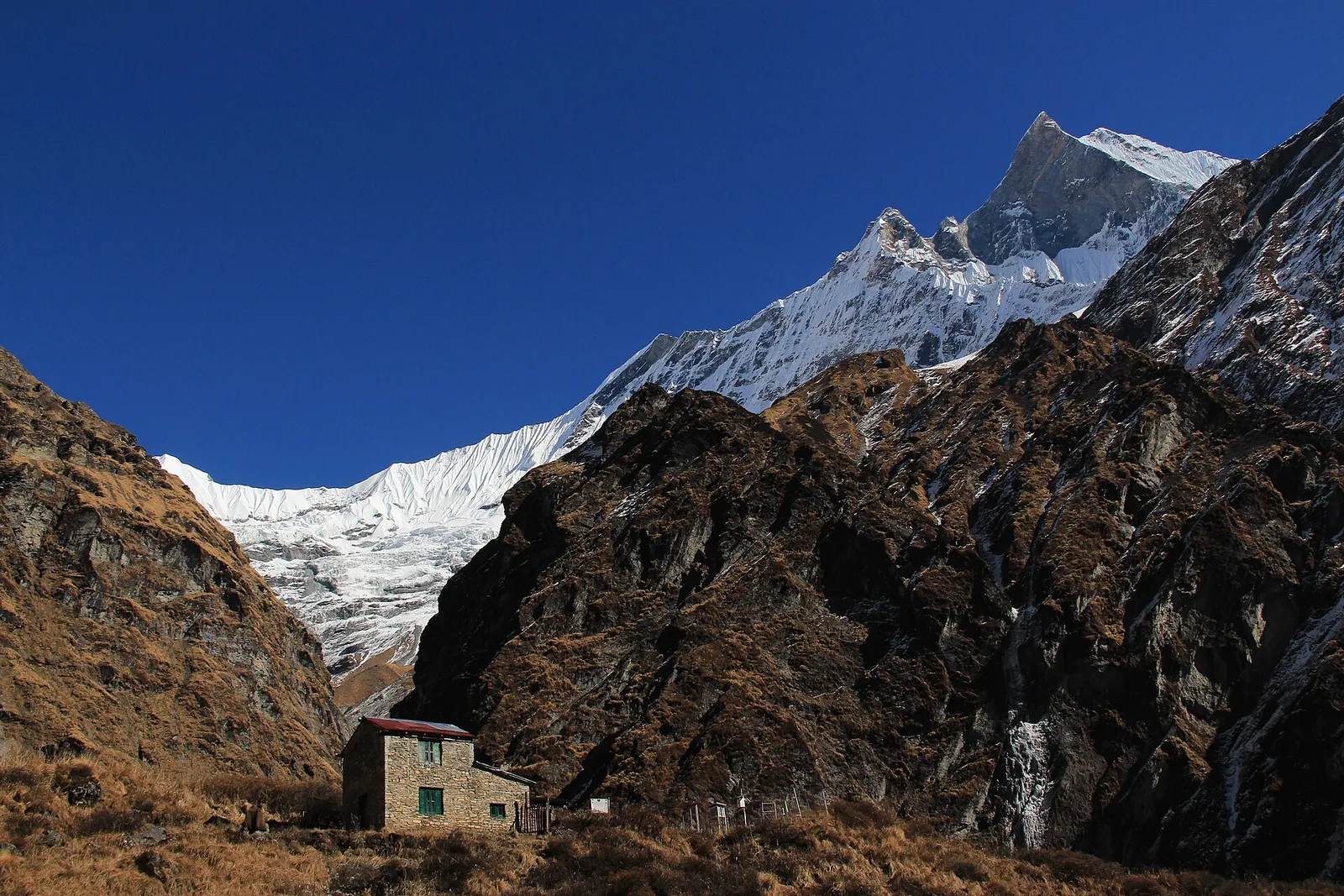
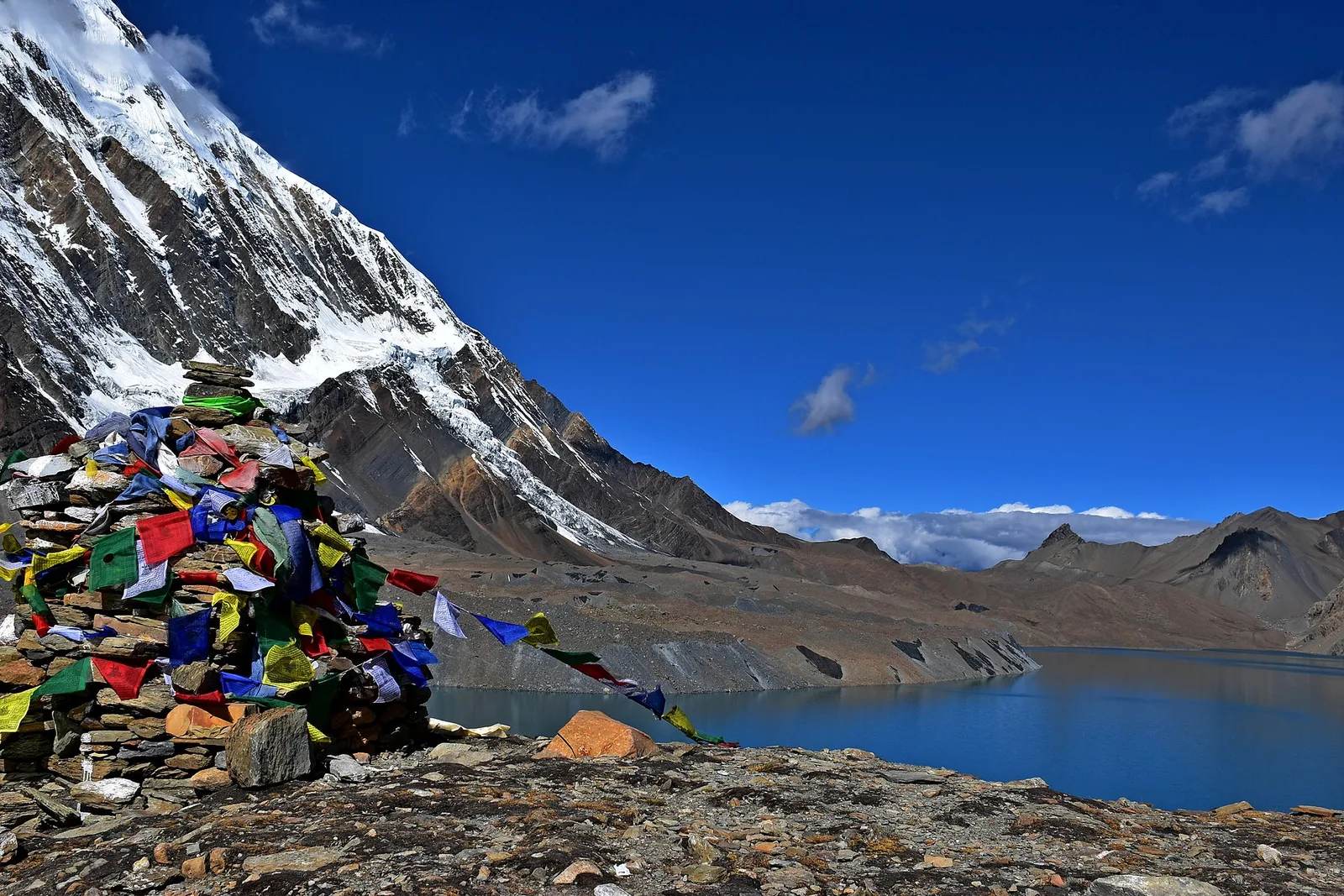
From the trail · Everest


The short version
- A licensed guide is mandatory in Nepal's national parks and conservation areas
- The rule has been in force since April 2023 — it is not new for 2026
- The Everest (Khumbu) region is the notable exception
- The old independent (green) TIMS card is effectively gone
Where a guide is required
Across the great conservation areas — Annapurna and Langtang included — and in every restricted area, you must trek with a licensed guide hired through a registered agency. Independent, solo trekking in these zones is no longer permitted. The change was introduced in April 2023 by the national tourism authorities, and despite plenty of debate it remains in place in 2026. Notably, it has not dented numbers: the Annapurna Circuit still posted record trekker traffic.
| Region | Trek without a guide? |
|---|---|
| Annapurna (ACAP) | No — licensed guide required |
| Langtang | No — licensed guide required |
| Manaslu, Mustang, Dolpo, Kanchenjunga | No — guide + registered agency mandatory |
| Everest / Khumbu | Yes — the exception (local rules apply) |
The Everest exception
Here is the nuance most articles get wrong: the Everest region operates under its own local municipality system, and independent trekking is still effectively possible in the Khumbu. You pay the local Khumbu entry fee and the national park fee rather than hiring a mandatory guide. So if walking without a guide genuinely matters to you, the classic Everest Base Camp route is the one mainstream trek where it remains an option — though a guide is still strongly recommended at that altitude. See what each way actually costs in our Everest Base Camp cost breakdown — independent vs guided.
The TIMS change too
Alongside the guide rule, the Trekkers' Information Management System has shifted: the green card for independent trekkers has been phased out, and the system is moving to a digital, guided-trekker model. Enforcement varies by region and is still settling, but the direction is clear — Nepal wants every trekker logged and, in most areas, accompanied.
What this means for you
If you love independent trekking, do not despair — reframe it. A good local guide is not a babysitter; they are your safety system, your translator, your access to villages and stories you would never find alone, and a direct contribution to a Nepali livelihood. On a classic like the Annapurna Circuit, a private guide still leaves you free to set your own pace and itinerary. And if you truly want guide-free, Everest remains open to you.
Updated for 2026
Since 22 March 2026, solo trekkers can now obtain Restricted Area Permits on their own (a licensed guide is still mandatory) — the full breakdown is in do you actually need a guide to trek Nepal in 2026?
Source: The Kathmandu Post; Department of Tourism, Nepal.
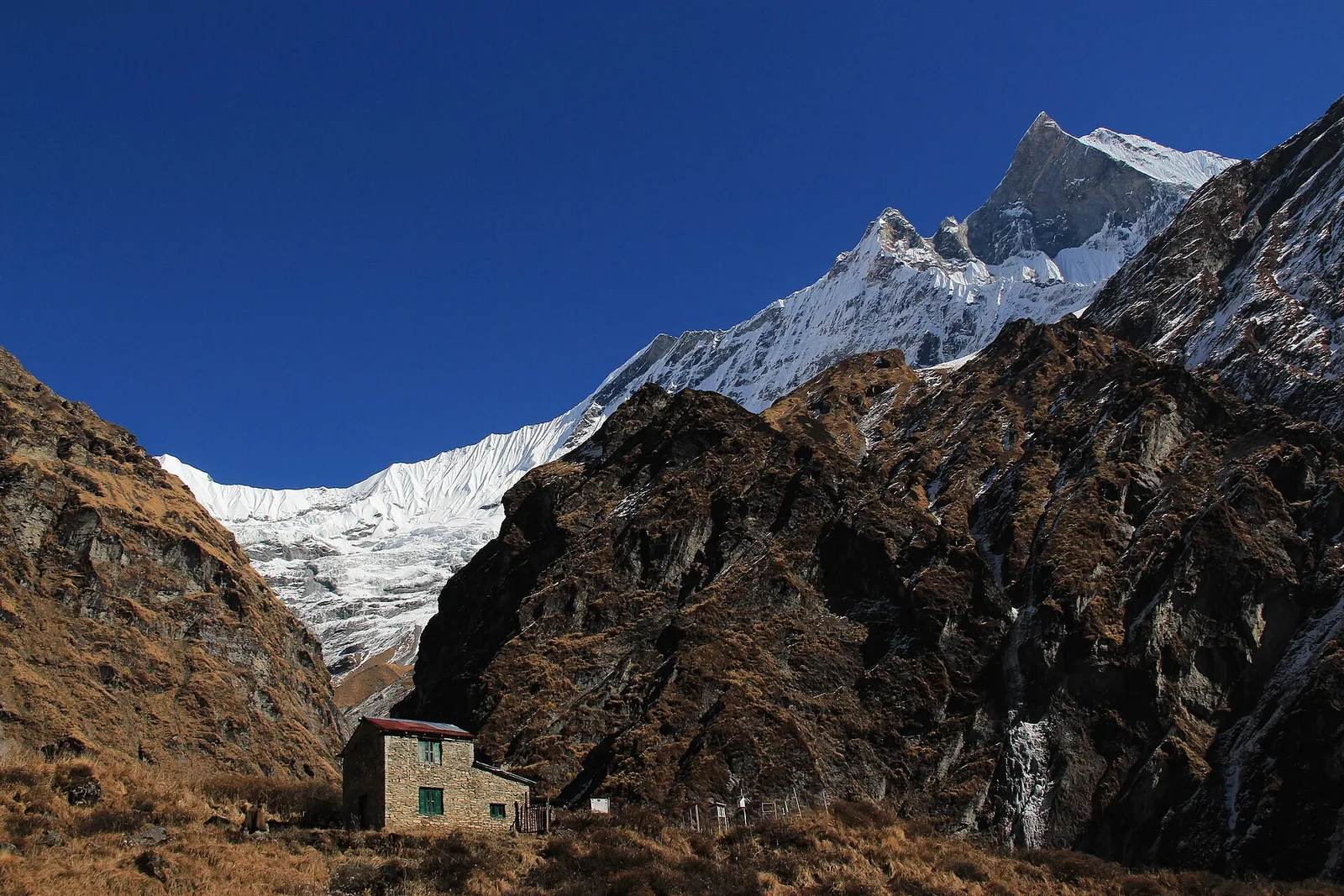
Cover photo: travelwayoflife via Wikimedia Commons (CC BY-SA 2.0).
Still running this season
Everest Base Camp Trek — 12 Days is running normally
NMA-certified local guides, transparent pricing, 5,000+ treks since 1998. Message us your dates and we'll sort the permits, lodges and logistics — reply within 24 hours, no obligation.
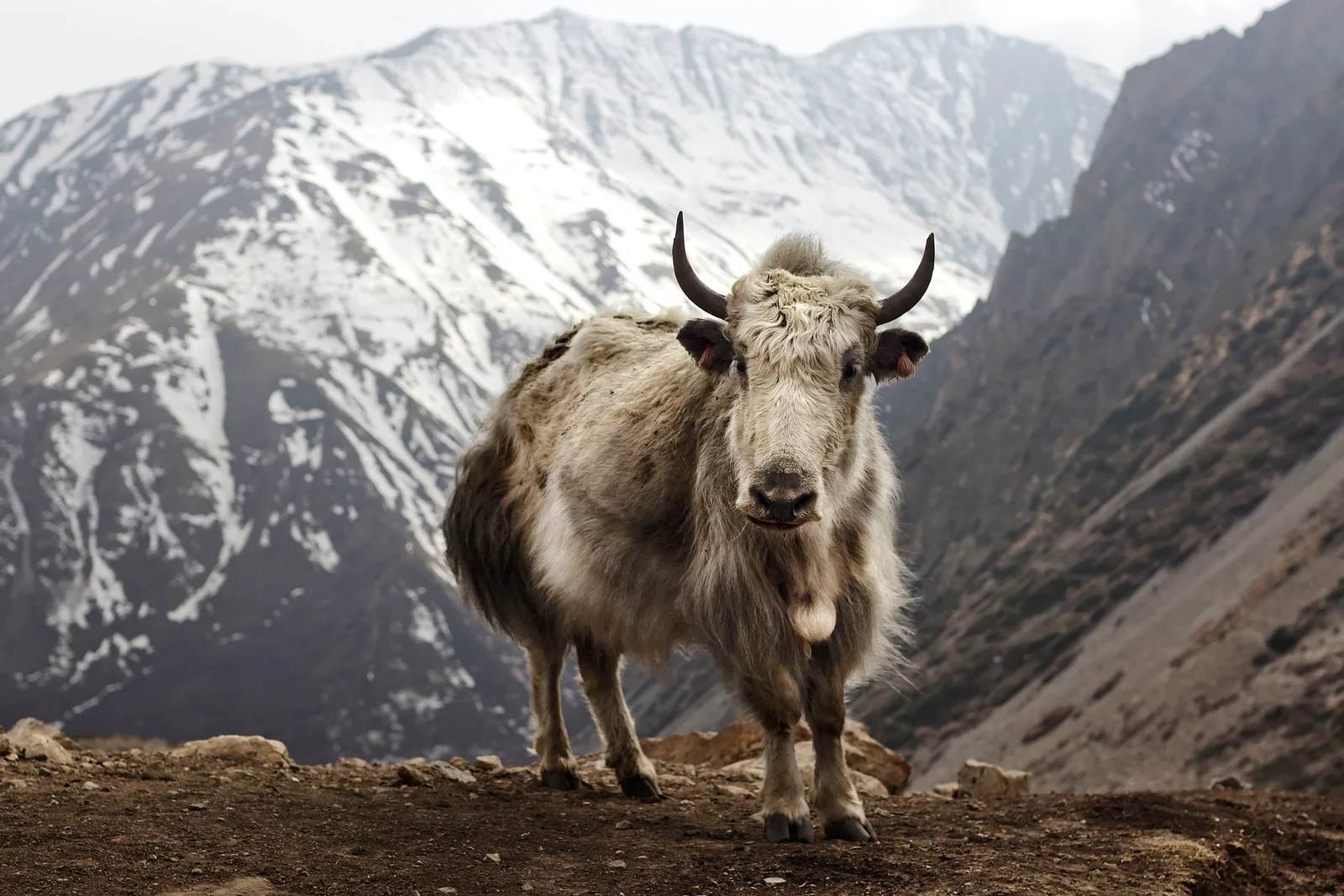
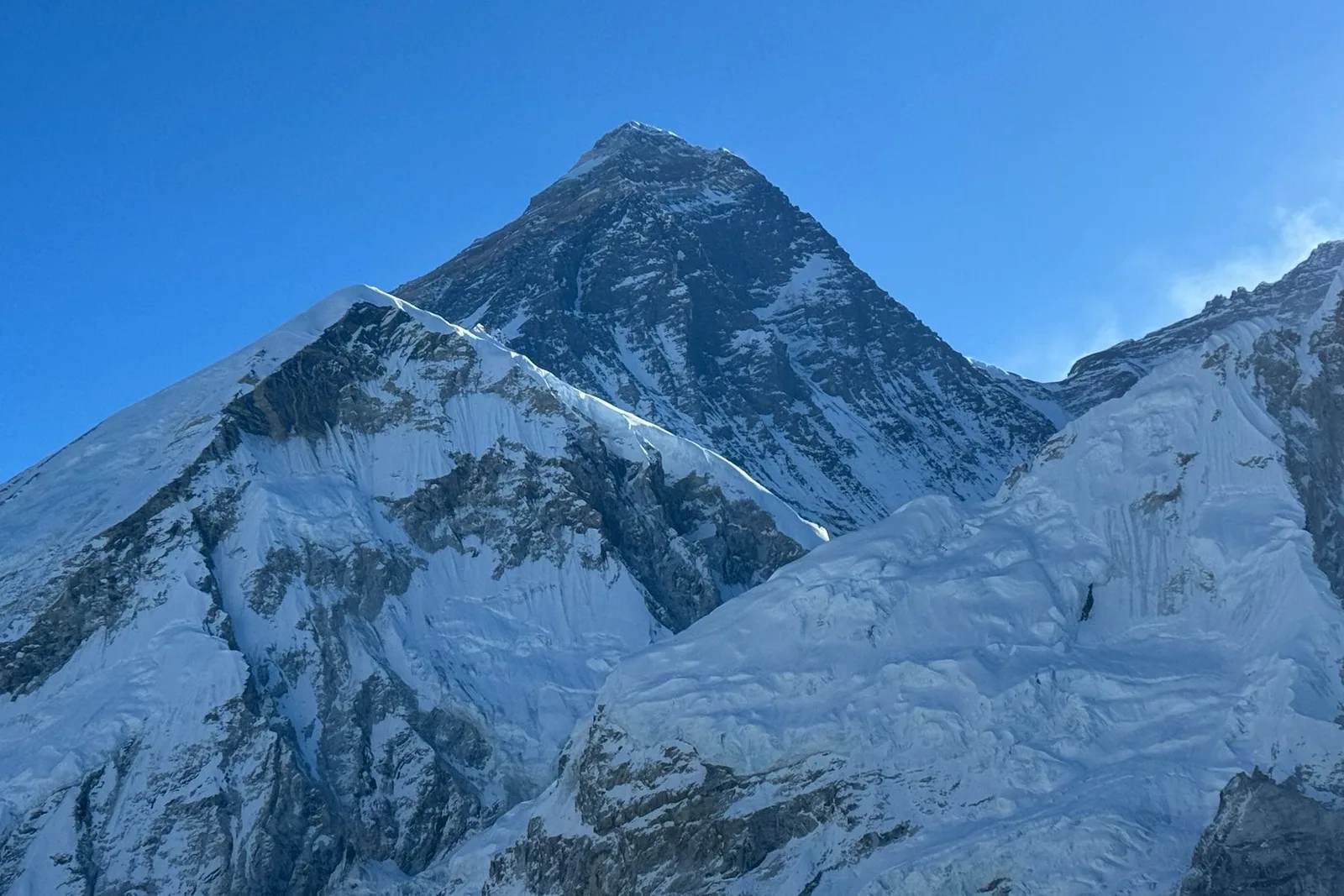
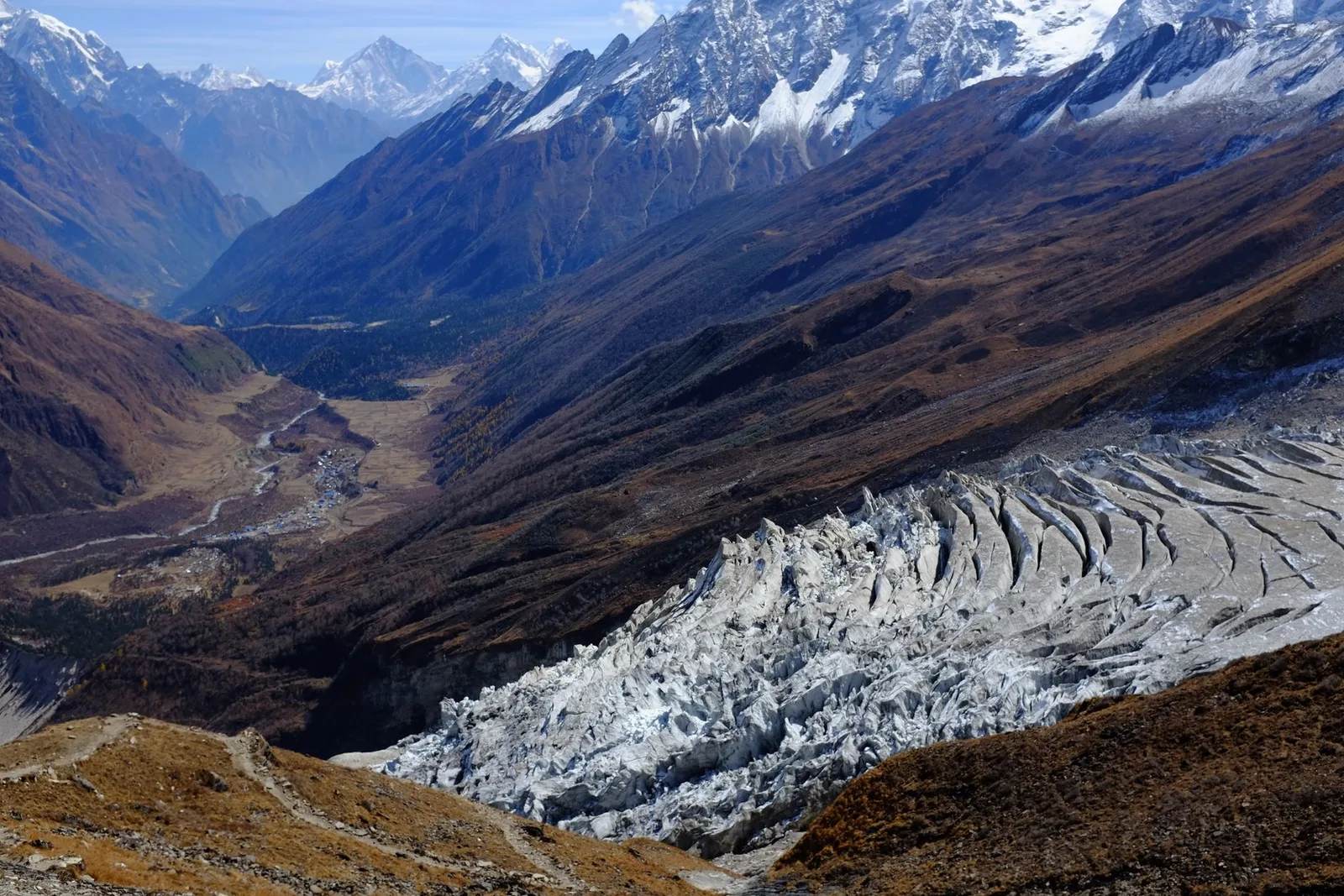
Popular Nepal treks
All treks →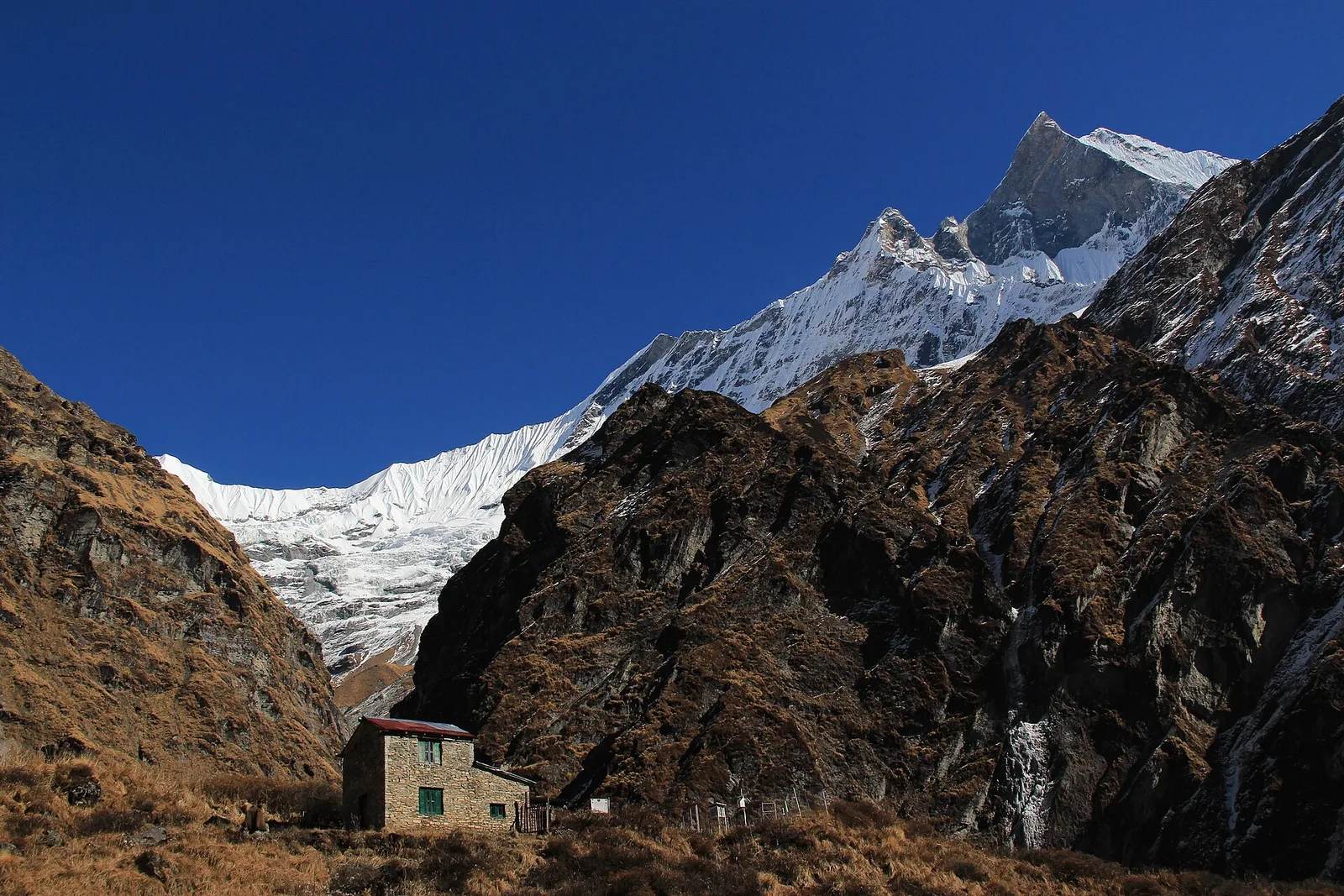
Related coverage
Trail & Weather
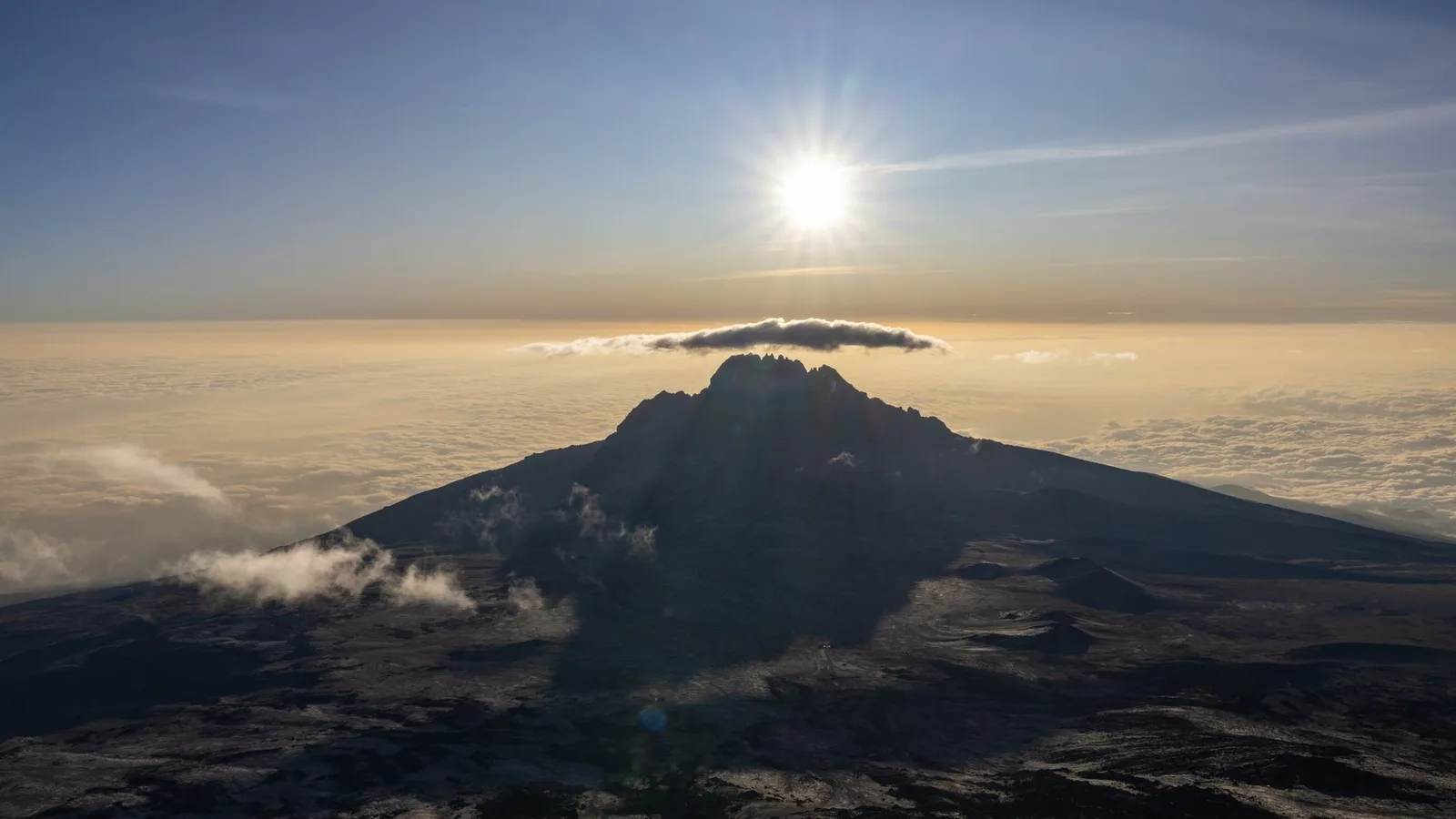
Everest Base Camp or Kilimanjaro: Which Trek Should You Actually Do in 2026?
One is a five-day sprint to 5,895 metres, the other a fourteen-day walk to 5,364 — the honest trade-off between them comes down to acclimatization, not fitness.
Permits & Rules
Nepal Trekking Costs by Route in 2026: What EBC, Poon Hill and Manaslu Actually Cost
Permits alone run from $38 to over $200 depending which trail you pick — a real, route-by-route budget breakdown, not one average number for the whole country.
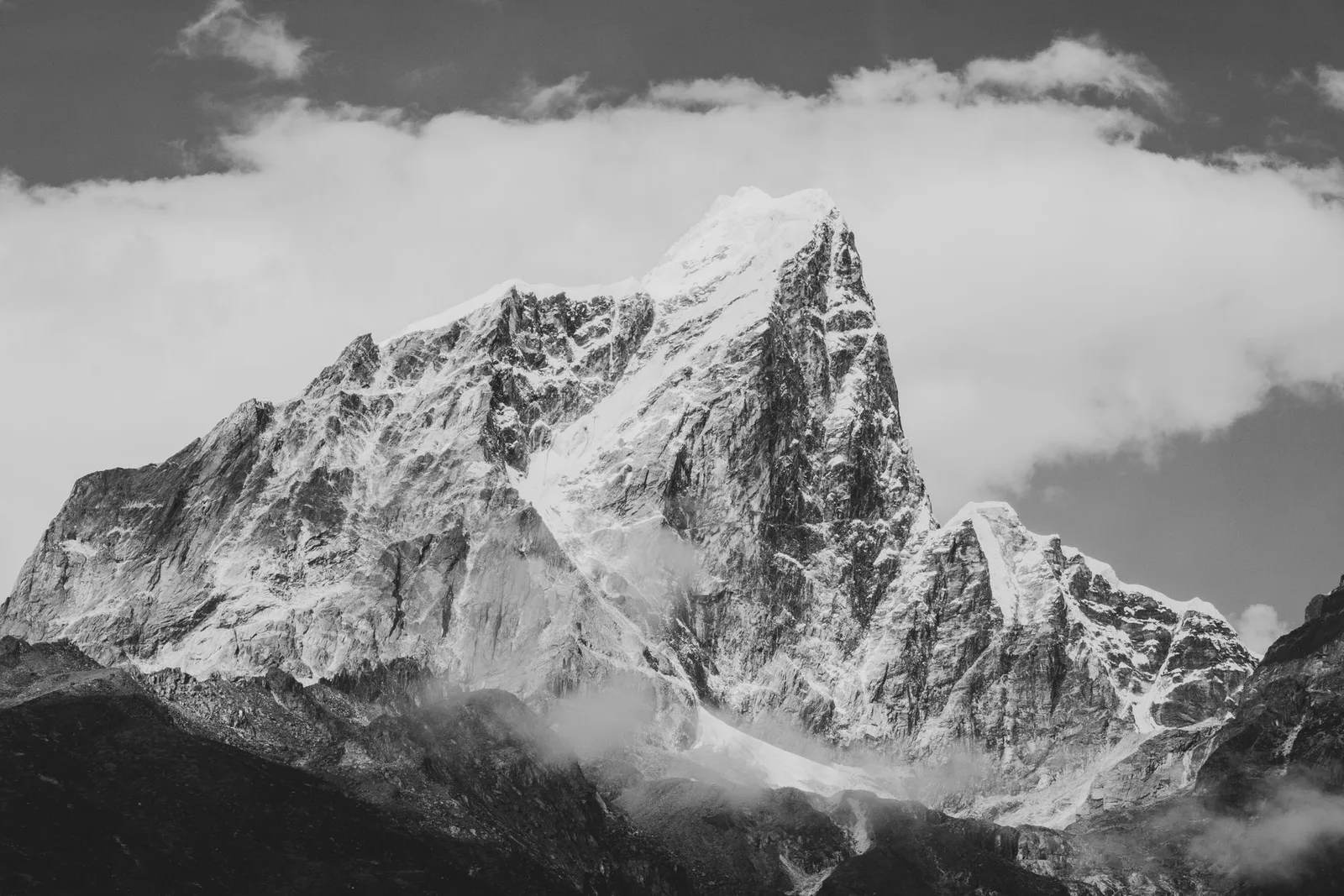
Safety & Advisories
Is the Lobuche Peak Climb Affected by the 2026 Nepal Floods?
Short answer: no. Lobuche Peak (6,119 m) is an NMA climbing peak in the Everest region, reached via Lukla on the Dudh Koshi — a separate watershed from the Rasuwa flood. The route is unaffected; the only real variable is monsoon-season Lukla flights.
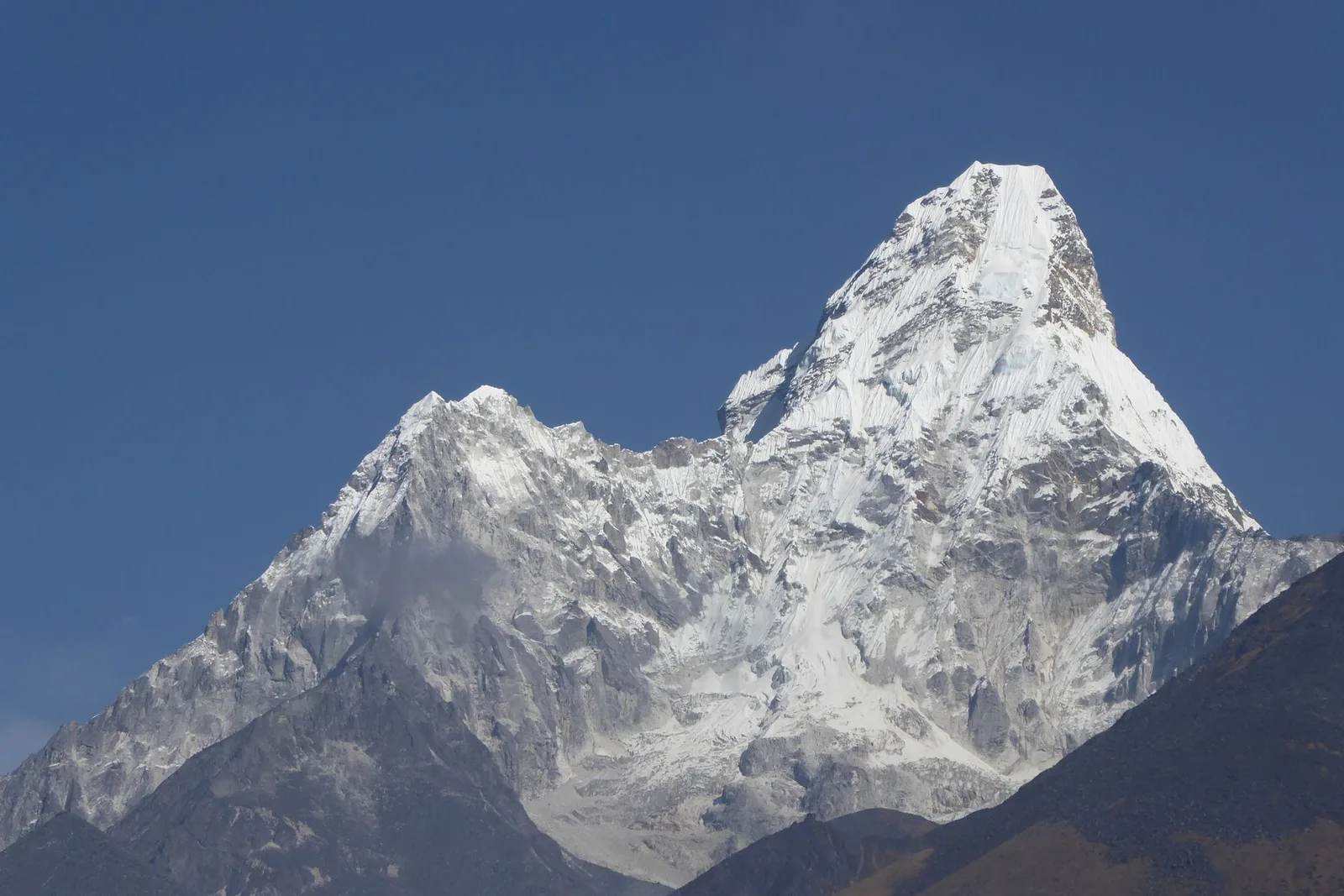
Safety & Advisories
Is the Ama Dablam Base Camp Trek Affected by the 2026 Nepal Floods?
No — the Ama Dablam Base Camp trek in the Khumbu is running normally. The 26 August flood hit Rasuwa in the north, not the Everest region. Here is why Lukla flights and the Pangboche trail are unaffected.
Latest from the desk
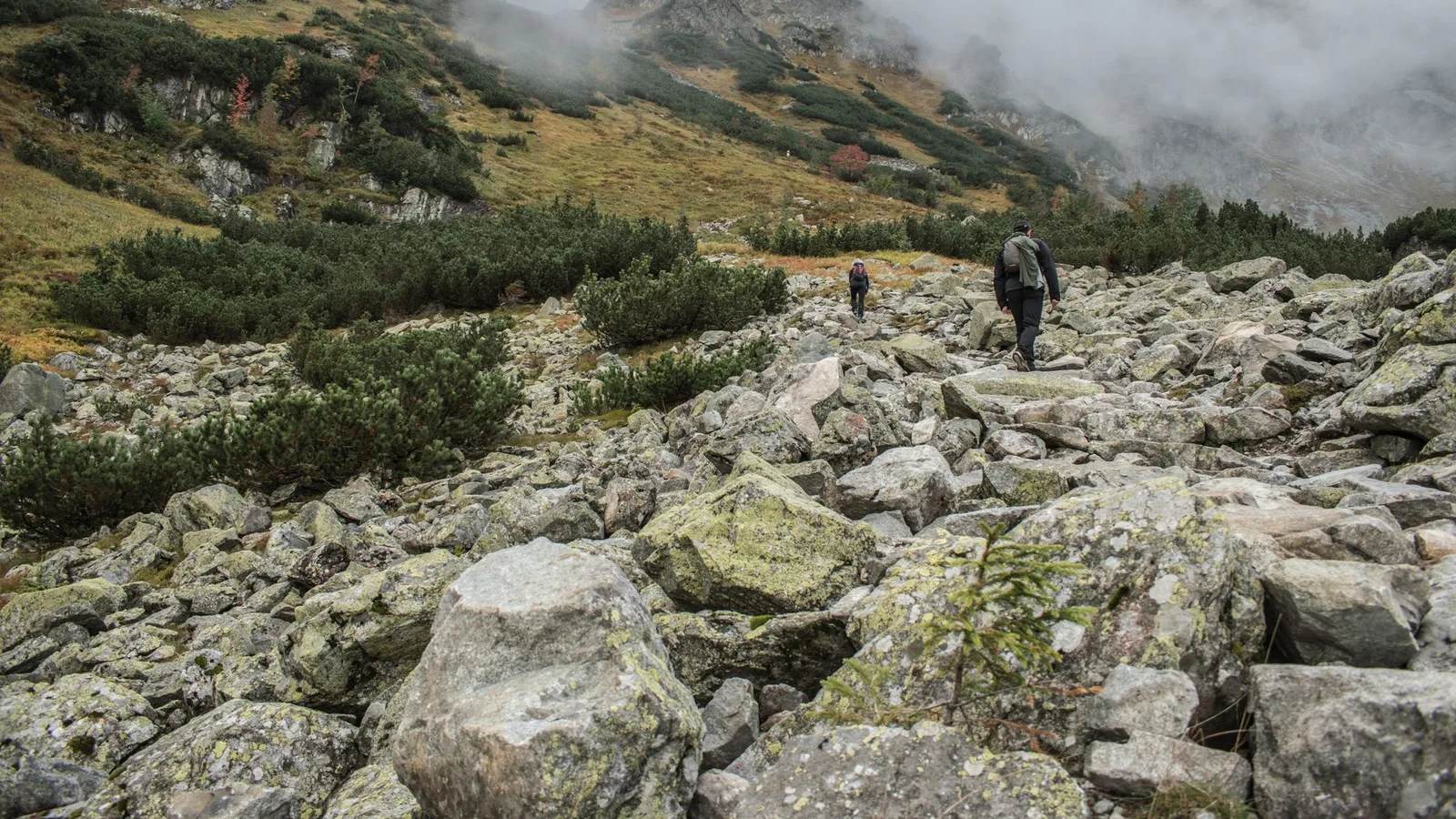
Gear & Tech
Trail shoes or hiking boots, and what the ankle-support research actually found
Most teahouse trekkers wear more boot than the walk needs, and the ankle-support argument holding that up is thinner than the shops suggest.
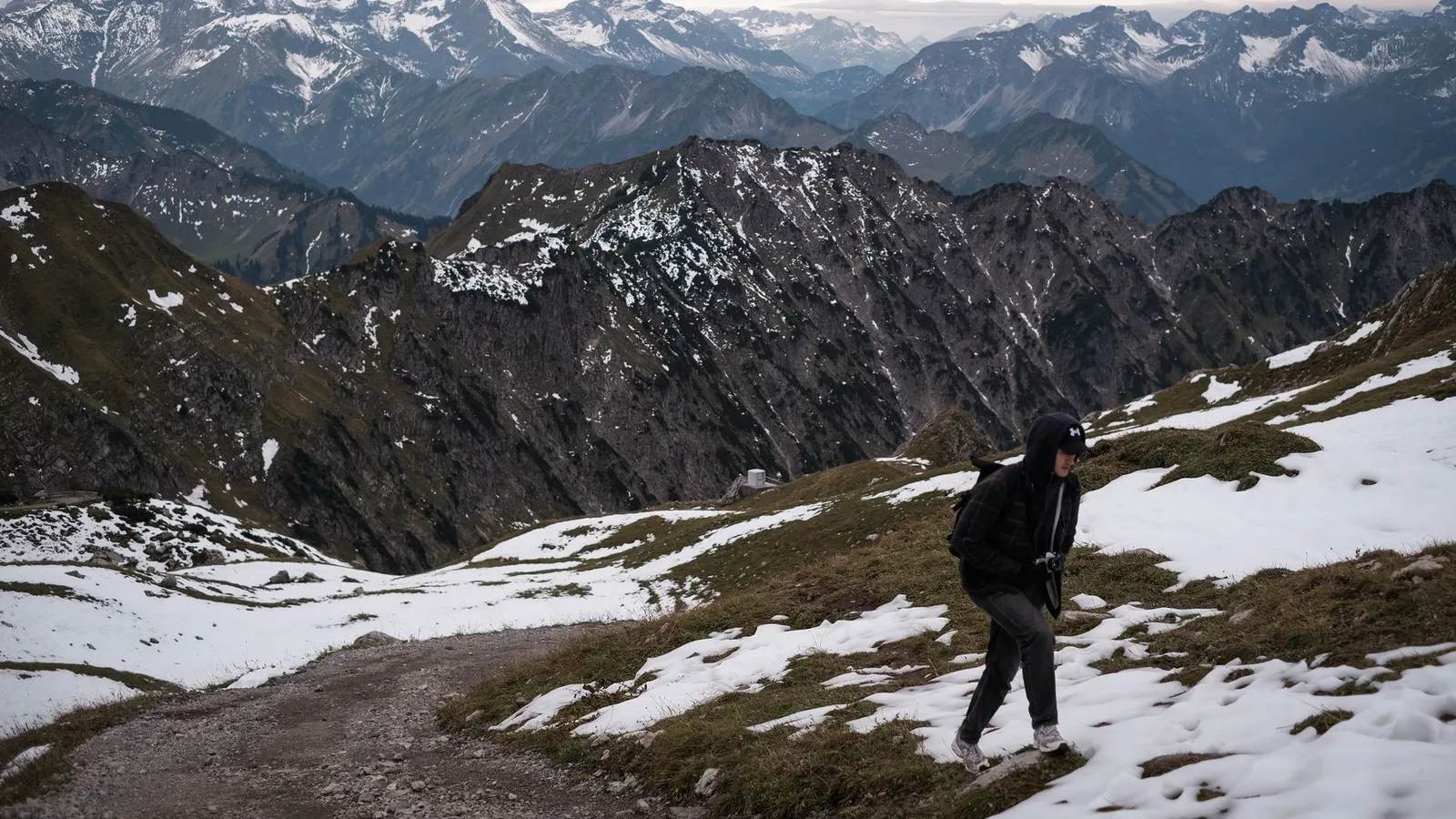
Gear & Tech
Merino or synthetic base layers, and what a lab found when it measured the smell
Merino wins the week-long wear, synthetic wins the overnight dry, and the lab reason merino stays fresh is not the bacteria story you have been told.
Safety & Advisories
If someone you know is missing in the Nepal flood, you don't have to fly to Kathmandu
Nepal Police have identified 95 of more than 1,200 bodies recovered. Families abroad can be DNA-profiled at home and send the result in. Here is how it works.