
Tourist Taxes in 2026: Which Destinations Charge Visitors and How Much to Budget
From Amsterdam's 12.5% hotel tax to Venice's day-tripper access fee, plus Bali, Bhutan and Japan — what the big-name destinations charge visitors in 2026, how it is collected, and how to budget for it (and where Nepal's trekking permits fit).
At a glance
- Published
- TopicWorld Destinations
- Verified againstComune di Venezia & official tourism boards
- Treks coveredEverest Base Camp Trek — 14 Days, Manaslu Circuit Trek — 14 Days, Annapurna Base Camp Trek — 6 Days
Key facts — tourist taxes in 2026
- A tourist tax is a small levy visitors pay on top of the trip — usually collected per night at your hotel, sometimes as a one-off entry or departure fee.
- Amsterdam charges the steepest headline rate in Europe: 12.5% of your room bill, every night. Bhutan is the highest of all — a US$100-per-night Sustainable Development Fee.
- Some are flat and tiny: Bali is a one-off IDR 150,000 (about US$10) per visit; Japan adds a ¥1,000 departure tax to your ticket out.
- Most of these change every year, so treat the figures below as a 2026 planning guide and confirm the current rate before you book.
- Nepal has no city tax — its equivalent line-item is the trekking permit, and it is refreshingly cheap by comparison.
If your 2026 hotel bill or booking confirmation carried a charge you did not expect, you are not being scammed — you are paying a tourist tax. Dozens of cities and countries now levy one, partly to fund the services that visitors use and partly to manage the crowds that fame brings. The amounts are small next to a flight or a hotel, but they add up over a family holiday, and the way they are collected varies wildly. Here is what the big-name destinations charge, what the money funds, and how to budget for it. If you are weighing where your money stretches furthest, it pairs well with our guide to the cheapest countries to travel in 2026.
Why these taxes exist
Two forces drive them. The first is simple revenue: a levy on overnight stays is an easy way for a city to make tourism pay for the buses, rubbish collection and heritage upkeep that millions of visitors lean on. The second is overtourism — in the most-crowded places the tax doubles as a gentle brake, nudging day-trippers to think twice and funding the crisis measures that packed streets require. That is why the newest levies are explicitly ring-fenced: Greece rebranded its overnight charge as a climate crisis resilience fee after wildfires and floods, and Bali's levy is written into law to protect Balinese culture and the environment.
| Destination | Tourist tax (2026) | How it is charged / what it funds |
|---|---|---|
| Amsterdam, Netherlands | 12.5% of room rate | Per night, as a percentage of your accommodation bill — Europe's highest hotel tax. Funds city services and crowd management. |
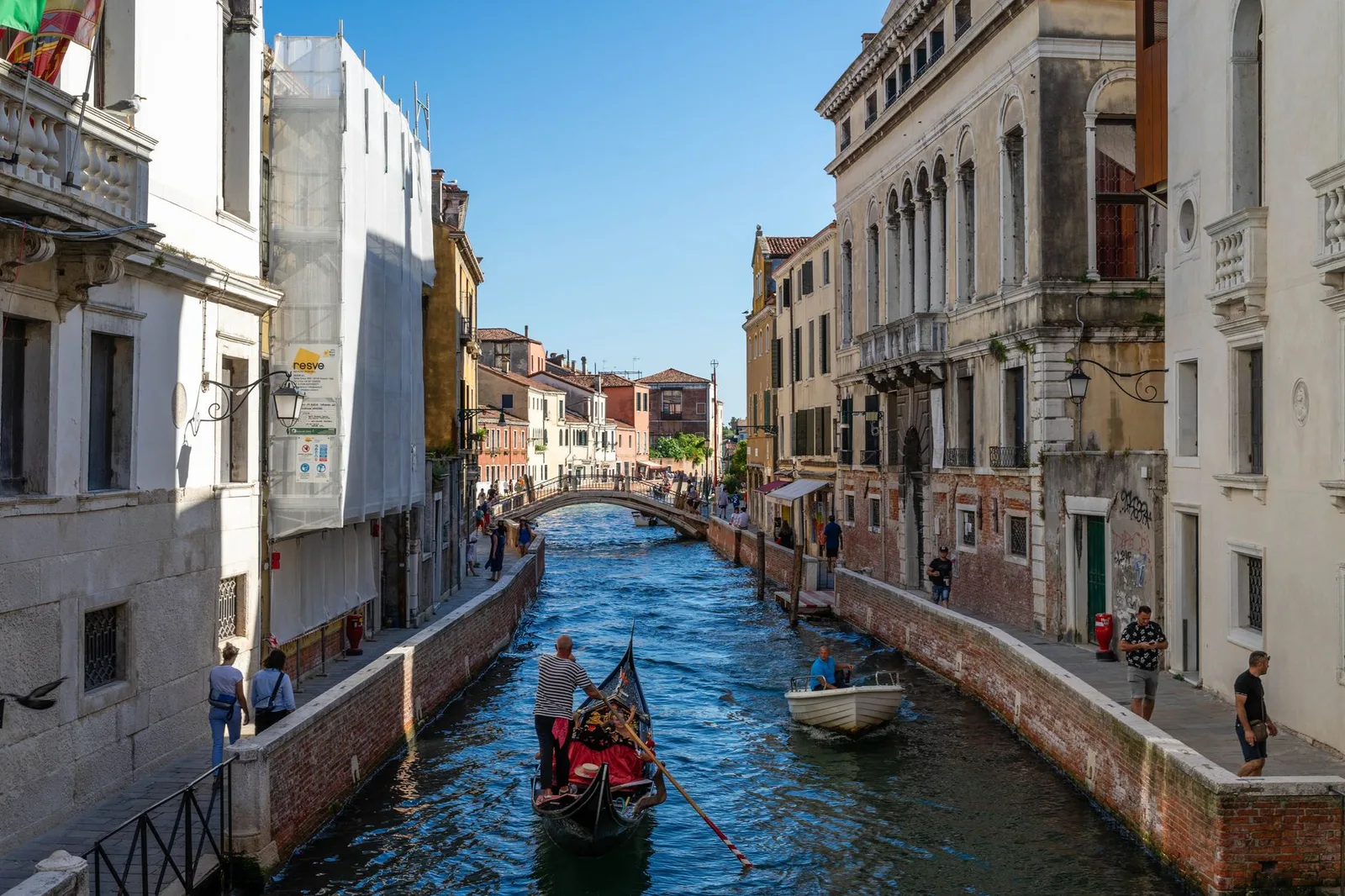
| Venice, Italy | €5 access fee | A one-off day-tripper fee on selected peak-season days (higher for last-minute visitors); booked online with a QR code. Funds crowd control. Trialled year by year — check if it runs in your dates. |
| Bali, Indonesia | IDR 150,000 (~US$10) | A one-off levy per visit, paid online or on arrival. Ring-fenced by law to protect Balinese culture and nature. |
| Bhutan | US$100 per night | The Sustainable Development Fee, per person per night — the world's highest. Funds free healthcare, education and conservation. |
| Japan | ¥1,000 (~US$7) | The "sayonara" departure tax, a one-off added to your air or sea ticket when you leave. Funds tourism infrastructure. |
Per night vs one-off — the distinction that matters
The single most useful thing to know is whether a tax is per night or one-off, because that decides how much it really costs you. A percentage-of-room tax like Amsterdam's rewards a cheap room and punishes a suite: 12.5% on a €200 night is €25, every night. Bhutan's US$100 nightly fee is in a league of its own — a week inside the country adds US$700 per person before you have paid for a single meal — but it is the price of a deliberately low-volume, high-value model that keeps the kingdom carbon-negative.
One-off charges are far gentler. Bali's roughly US$10 and Japan's ¥1,000 are paid once, no matter how long you stay, and Japan's is bundled invisibly into your ticket so most travellers never notice it. Venice's access fee is the odd one out: it targets only day-trippers who do not stay overnight, on a set list of busy days, and if you sleep in the city you pay the ordinary hotel tax instead.
The ones that change every year
Two famous names deserve a warning rather than a number. Barcelona and the wider Catalonia region levy a per-night tax made up of a regional charge plus a Barcelona city surcharge, and the city has repeatedly moved to raise it. Greece's climate crisis resilience fee is banded by hotel category and swings sharply between high and low season. Both are real and both are due at your accommodation — but because the exact figures are adjusted almost annually, we will not print a stale number here. Check the current rate on the city or national tourism-board site when you book, and budget a few euros per night per person as a placeholder.
Nepal's version is the trekking permit
Nepal charges no city or hotel tax, which surprises visitors used to European levies. Its comparable line-item is the trekking permit — and it is a bargain. On the classic routes you buy a national-park or conservation-area entry plus, where required, a TIMS card: Everest Base Camp permits total NPR 6,000 (about US$45) per person, and Annapurna's ACAP + TIMS come to NPR 5,000 (about US$38). Restricted regions cost more — Manaslu's permit runs from around US$100 for the first week, and Upper Mustang is US$50 per person per day — but for most trekkers the whole permit bill is less than two nights of Amsterdam hotel tax. See our Annapurna permit guide for the full breakdown, and note that a good operator simply folds these fees into the trip price so you never queue for them.
How to budget for it
Add a per-night line to your accommodation for city taxes — roughly €2–€8 per person per night covers most European destinations — and a one-off line for entry or departure fees like Bali's or Japan's. Always choose to be billed in the local currency when paying a levy online to dodge a 3–5% conversion markup, and keep the payment QR code or receipt on your phone. For a Nepal trek, the permit cost is fixed and modest — with us it is already inside your quote, so the only "tax" you plan for is the one waiting at your layover airport.
None of these levies should change where you go; they are a rounding error against the trip itself. But knowing which are per night, which are one-off, and which shift every season is the difference between a clean checkout and an unwelcome surprise. If your 2026 plans point at the Himalaya, our team can lay out the exact, all-in cost of a trek — permits included — before you commit. Explore the classic Everest Base Camp trek or ask us for a tailored quote.
Cover photo: Jonathan Mui via Pexels (Pexels License).
Planning a trek?
Trek this route with us — Everest Base Camp Trek — 14 Days
NMA-certified local guides, transparent pricing, 5,000+ treks since 1998. Message us your dates and we'll sort the permits, lodges and logistics — reply within 24 hours, no obligation.


Popular Nepal treks
All treks →


Related coverage

Industry & Tourism
From Venice's €10 Entry Fee to Bali's Levy: Every Tourist Tax You'll Pay in 2026
Access fees, climate levies and departure taxes are spreading fast in 2026. Here is a verified rundown of who charges what — from Venice and Bali to Barcelona, Bhutan, Japan and the UK — and why Nepal does it differently.
World Destinations
The Cheapest Months to Visit the World’s Top Destinations in 2026
Shoulder-season timing is the traveller’s cheat code: here is when prices and crowds drop across Japan, Italy, Greece, Thailand, Bali, Iceland and Nepal — and what you trade off.
Industry & Tourism
Singapore Has the World's Most Powerful Passport in 2026 — Visa-Free to 192 Countries
Singapore tops the latest Henley Passport Index with visa-free access to 192 destinations, while the US passport slips to 10th. Here is the full 2026 ranking — and where Nepal lands.
Money & Insurance
How to Avoid Foreign-Transaction & ATM Fees Abroad in 2026 (Cards, Cash and the Real Cost of Convenience)
Foreign-transaction fees, dynamic currency conversion and ATM surcharges quietly drain travel budgets. A plain guide to how each fee works in 2026 — and the free habits that beat them, including the cash-only reality of Nepal’s teahouse trails.
Latest from the desk

Deals & Routes
Package Holiday vs Booking It Yourself in 2026: The Real Cost, and the Protection Most DIY Travellers Miss
A package can cost more than booking flights and hotels separately — or less. But in the UK the bigger difference is legal: ATOL and the Package Travel Regulations give package buyers a refund-and-flight-home safety net that DIY trips rarely have.
Records & People
Missing for Six Days on Everest, With No Food, Water or Oxygen — How Dawa Sherpa Survived
A 52-year-old Everest guide vanished at 24,600 feet after losing his client on the descent. Six days later, a garbage-collection crew spotted him crawling down the Khumbu Icefall — barely alive.
Records & People
Everest Is Only Part of the Story: Inside the World's Highest National Park
Sagarmatha National Park stretches from 2,845 metres to Everest's 8,848-metre summit — and after a roughly 40-year absence, snow leopards are being seen inside it again.