
Travel Water Bottles & Purification in 2026: Drink Safely and Skip Single-Use Plastic
Boiling, tablets, UV pens, filters and filter bottles — what each one kills, what it misses (filters don’t stop viruses), when tap water is safe, and why a reusable bottle beats bottled water on the trail.
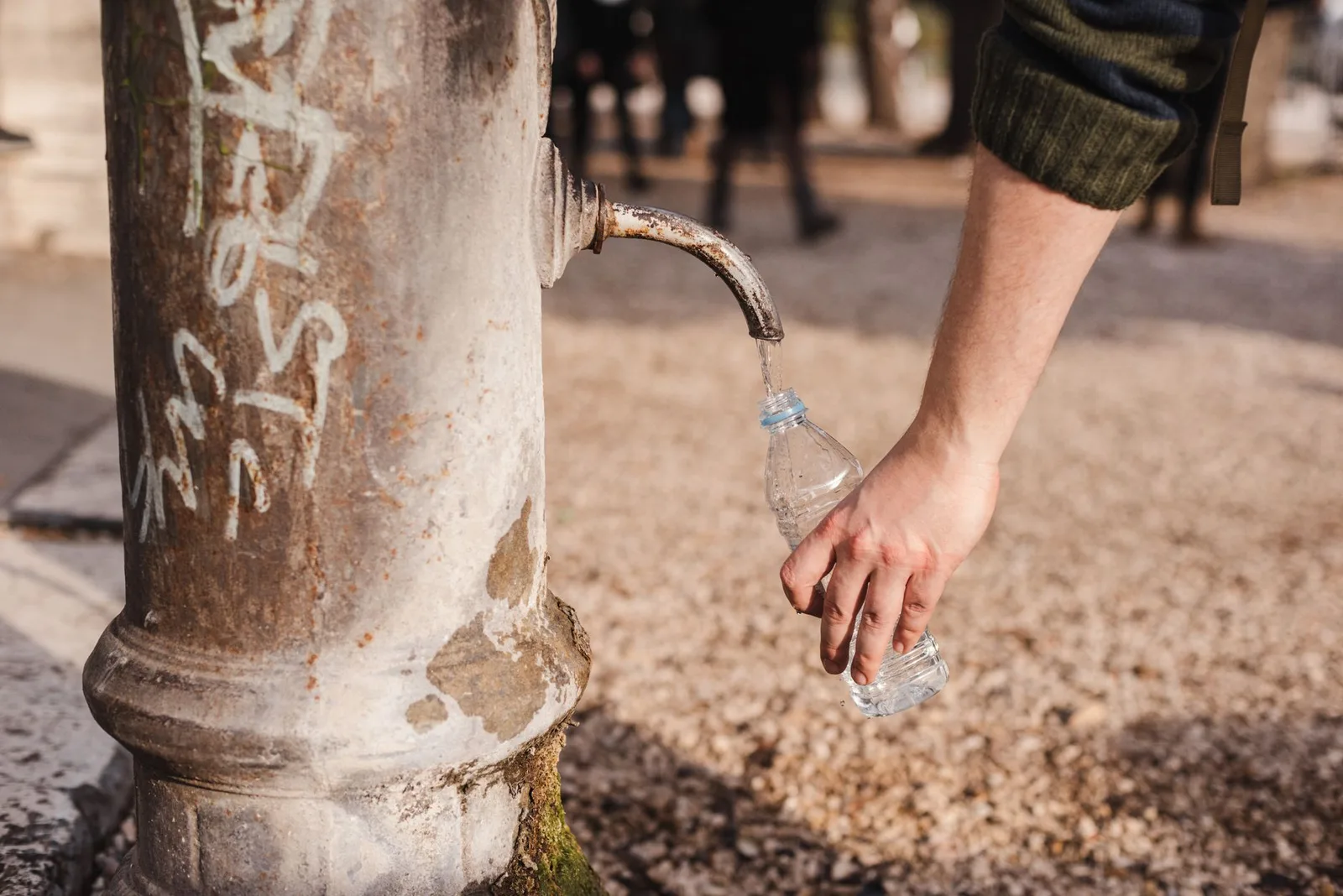
At a glance
- Published
- TopicGear & Tech
- Verified againstWorld Health Organization & US CDC
- Treks coveredAnnapurna Circuit Trek — 13 Days, Everest Base Camp Trek — 14 Days, Langtang & Gosaikunda Trek — 13 Days
The single easiest way to travel lighter on the planet — and often on your stomach — is to stop buying single-use plastic water and start treating your own. But "treat your own" hides a trap that catches even seasoned travellers: not every method kills everything. A pocket filter that makes river water crystal-clear can still leave viruses behind. Here is what each method actually does, when tap water is safe, and how to build a system you can trust from a European campsite to a Himalayan teahouse.
At a glance
- Filters (pump, squeeze, straw, filter-bottle) catch bacteria and protozoa like Giardia and Cryptosporidium — but most do not remove viruses.
- Boiling is the gold standard: a rolling boil inactivates bacteria, viruses and protozoa alike.
- Chemical tablets/drops and UV pens handle viruses, but chlorine and iodine are weak against Cryptosporidium.
- A reusable bottle + filter + chemical backup covers every pathogen and replaces dozens of plastic bottles per trip.
The five methods, and what each one misses
Waterborne illness comes from three broad culprits: bacteria (E. coli, cholera, typhoid), protozoa (Giardia, Cryptosporidium — the parasites behind that grinding week-long stomach trouble) and viruses (hepatitis A, norovirus, rotavirus). No single lightweight gadget beats all three with equal ease, which is why understanding the gaps matters more than owning the fanciest device.
| Method | Kills / removes | Best for | The catch |
|---|---|---|---|
| Boiling | Bacteria, viruses, protozoa — everything short of heat-resistant spores | Teahouses, kettles, any fuel source | Needs fuel and time; won't remove chemicals, silt or bad taste |
| Chemical (chlorine, iodine, chlorine dioxide) | Bacteria and viruses; chlorine dioxide also tackles protozoa | Ultralight backup; treating large volumes | Chlorine/iodine are poor against Cryptosporidium; needs wait time; taste |
| UV purifier (pen) | Bacteria, viruses and protozoa in clear water | Clear tap or bottled-refill water | Needs batteries and clear water; cloudy water blocks the light |
| Pump / squeeze filter | Bacteria and protozoa | Streams, lakes, murky sources | Does not remove viruses |
| Filter bottle | Bacteria and protozoa (some add carbon for taste) | Everyday travel, city tap top-ups | Same virus gap as other filters |
Boiling is the most reliable method there is. The WHO notes that bringing water to a rolling boil and letting it cool naturally is enough to inactivate pathogenic bacteria, viruses and protozoa. The US CDC advice is a rolling boil for one minute at normal elevations — and three minutes above about 2,000 m (6,500 ft), because water boils at a lower temperature the higher you climb. Its only real weaknesses are fuel, time, and that it does nothing for chemical contamination or muddy sediment.
Chemical treatment — chlorine, iodine or chlorine-dioxide tablets and drops — weighs almost nothing and kills bacteria and viruses through oxidation. The important caveat: neither chlorine nor iodine alone is considered fully effective against Cryptosporidium, whose tough cysts shrug off standard doses. Chlorine dioxide does better against protozoa but still only moderately against Crypto. All chemical methods need a wait — typically longer in cold water — and leave a taste some people dislike.
UV purifiers use ultraviolet light to scramble the DNA of bacteria, viruses and protozoa. They work fast and leave no taste, but they need batteries and, crucially, clear water: any cloudiness shields microbes from the light. Pre-filter murky water first, and keep the treated water out of bright light afterward.
Filters — pump, squeeze, gravity, straw or built into a bottle — physically strain water through pores typically around 0.2 microns. That is small enough to trap bacteria and protozoa, which is exactly why filters excel at turning a silty stream into safe, clear water. But most viruses are smaller than 0.2 microns and slip straight through.
The virus gap
This is the mistake that fells confident travellers: a filter that makes stream water look pristine has done nothing about viruses. Where sewage may taint the supply — much of South Asia, parts of the tropics — pair your filter with a virus-killing step: chemical drops, a UV pen, or a rolling boil. When in doubt, treat it.
When is tap water actually safe?
In most of Western Europe, North America, Japan, Australia and New Zealand, municipal tap water is treated to a high standard and safe to drink straight — the plastic bottle you bought was pure marketing. Elsewhere, treat the tap as suspect: in much of South and Southeast Asia, Central Asia, Africa and parts of Latin America, and anywhere after flooding or in a rural area with no treatment plant, water can carry the full spectrum of bugs including viruses. Ice, salad rinse water and brushing your teeth count too. When you can't verify the source, the honest answer is the safe one: treat it.
The plastic problem — and the Nepal reality
A single trekker on a two-week trail can burn through 30 or more plastic bottles. Multiply that by the tens of thousands who walk the Everest and Annapurna trails each season and you get mountains of plastic hauled up by porters and, too often, burned or dumped where no truck can reach. It is expensive, too: bottled water grows dearer with every hour you climb.
On trek in Nepal, the answer is simple. Don't buy bottled water — treat what's already there. Teahouses can boil water for you (reliable, though it takes longer at altitude and costs a little for fuel), and along popular routes you'll increasingly find refill points selling treated water by the litre far cheaper than sealed bottles. Bring a sturdy reusable bottle, a filter for the clear mountain streams, and a strip of chlorine-dioxide tablets as your virus backup. That combination covers every pathogen, cuts your costs, and keeps plastic off the trail. Our guides brief every group on exactly where to refill and how — the same advice we give on avoiding travellers' diarrhoea and staying well abroad.
Clean water is a health decision and an environmental one at the same time — a rare case where the responsible choice is also the cheaper and lighter one. If you're planning a Himalayan trek and want a team that handles the safe-water logistics for you, browse our guided treks and we'll build the details around you.
Cover photo: Olga Lioncat via Pexels (Pexels License).
Still running this season
Annapurna Circuit Trek — 13 Days is running normally
NMA-certified local guides, transparent pricing, 5,000+ treks since 1998. Message us your dates and we'll sort the permits, lodges and logistics — reply within 24 hours, no obligation.

Popular Nepal treks
All treks →


Related coverage
Gear & Tech
Portable Wi-Fi and Travel Routers in 2026: Do You Actually Need One?
A pocket Wi-Fi box, a travel router, a phone hotspot, an eSIM or a local SIM — an honest buyer’s guide to what each does, when a device is worth it, and why none of them help where there’s no signal.
Money & Insurance
Travel Money in 2026: Cash vs Debit vs Credit vs Prepaid Cards — What to Carry and How to Spend It
No single method wins abroad. Here is how cash, debit, credit and prepaid multi-currency cards really compare on fees — plus the dynamic-currency-conversion trap to dodge, how much cash to carry, and why Nepal’s trail runs on rupees.
Safety & Advisories
Travellers' Diarrhoea and Food & Water Safety Abroad in 2026: The Rules That Keep You Well
The most common travel illness, demystified: what causes it, the 'boil it, cook it, peel it or forget it' food rules, safe water and ice, rehydration as the mainstay, and exactly when it is serious enough to see a doctor.
Gear & Tech
Do You Need an RFID-Blocking Wallet in 2026? The Honest Answer on Contactless-Card Skimming
Contactless "skimming" from someone brushing past you is rare and overhyped. Here is what actually threatens your card abroad — and the free five-minute setup that beats any gadget.
Latest from the desk
Visas & Entry
Do You Need an Onward or Return Ticket to Enter a Country in 2026? The Rule That Catches One-Way Travellers
Many countries — and the airlines that face the fines — want proof of onward travel before you board. Here is who it bites, why it is enforced at check-in, and how to satisfy it.
Money & Insurance
How Much Travel Insurance Cover Do You Actually Need in 2026? Sizing Every Limit
Medical and repatriation is the limit that can bankrupt you, cancellation should match your non-refundable spend, and a headline "£10m medical" is worthless if an exclusion applies. Here is how to right-size cover to your trip.
Safety & Advisories
Can You Trek to Everest Base Camp at 82? What the Record and the Research Actually Say
There is no legal or medical age cutoff on the trail to Everest Base Camp, and the current record holder just proved it at 82.