
Do You Need an Onward or Return Ticket to Enter a Country in 2026? The Rule That Catches One-Way Travellers
Many countries — and the airlines that face the fines — want proof of onward travel before you board. Here is who it bites, why it is enforced at check-in, and how to satisfy it.
At a glance
- Published
- TopicVisas & Entry
- Verified againstUK Foreign Office entry guidance & IATA Timatic
- Treks coveredAnnapurna Circuit Trek — 13 Days, Everest Base Camp Trek — 14 Days, Manaslu Circuit Trek — 14 Days
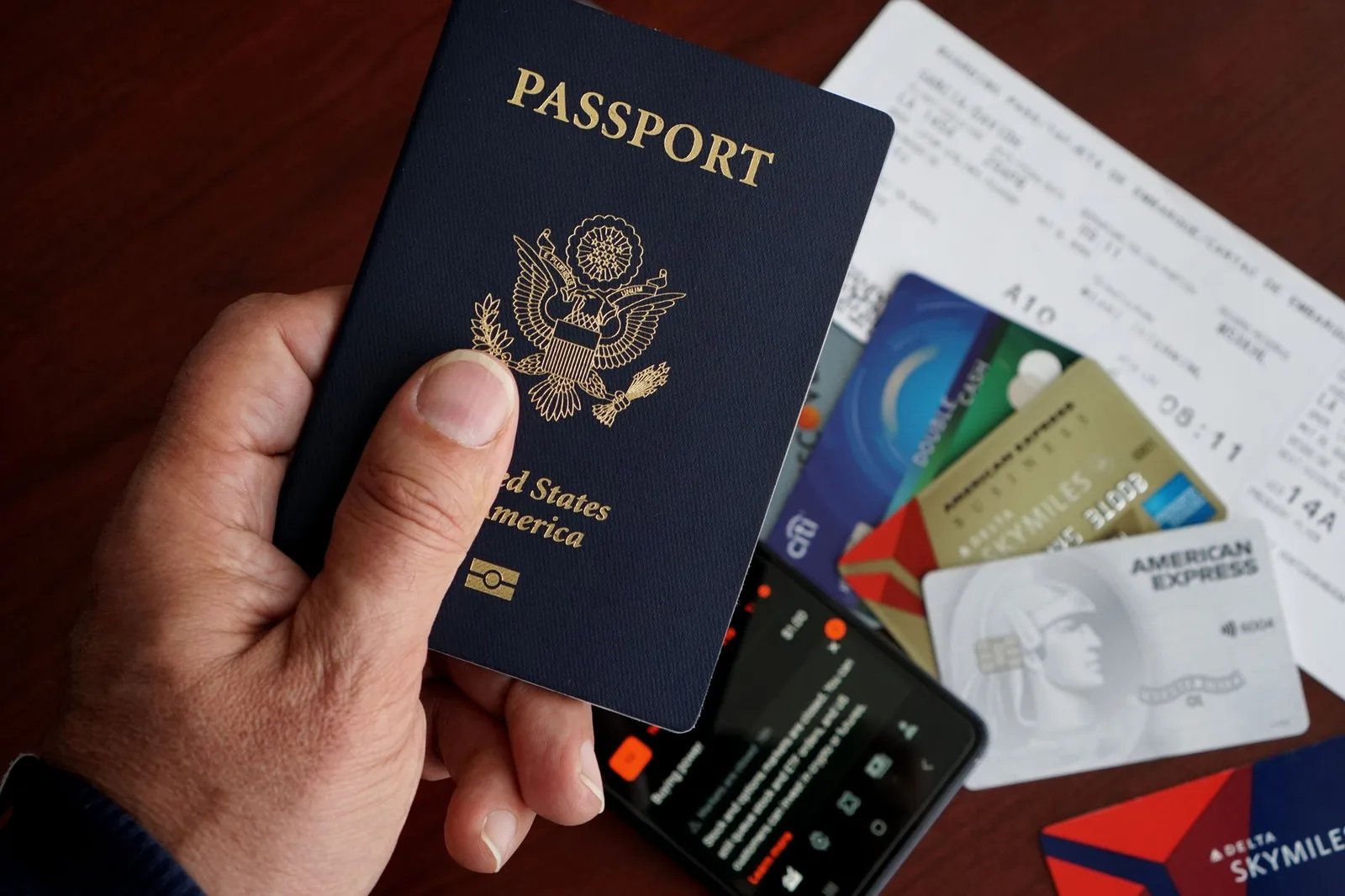
You have a one-way ticket, an open mind and no fixed plan for when you will leave. Then, at the check-in desk, the agent asks a question you did not expect: "Do you have proof of onward travel?" You do not — and suddenly your trip is in doubt before you have even reached security. In 2026 this catches thousands of travellers a year, and the frustrating part is that it usually has nothing to do with the border you are heading for. It is the airline, standing between you and the plane.
Key facts
- Who needs it. Anyone flying into a country that requires visitors to hold proof of onward or return travel — most common for tourists on visa-on-arrival, visa-free or short-stay entry, and especially for one-way tickets and open-ended trips.
- Enforced at check-in. The check most travellers actually hit is at the airline desk before departure, not at the destination's immigration counter.
- Why airlines care. Carriers are fined by immigration authorities for every passenger they bring who is refused entry, and must fly them back at their own cost — so they screen for it before you board.
- Your options. A real return or onward ticket, a cheap onward bus or flight you genuinely intend to take, a refundable ticket, or an onward-ticket rental service.
Why the requirement exists at all
From the border's point of view the logic is simple: a country letting you in as a tourist wants evidence that you intend to leave. A ticket out is the easiest proof that you are a genuine visitor and not planning to overstay. That is why so many destinations — particularly for visa-on-arrival and visa-free entry — either formally require proof of onward travel or reserve the right to ask for it. The UK government's own entry guidance for the Philippines, for example, states plainly that most visitors "are expected to have proof of return or onward travel" and that "immigration officials and airlines may ask for this." The wording varies country to country, but the theme is constant.
The check happens at the gate, not just the border
Here is the part that surprises people: you are far more likely to be stopped at check-in in your departure city than at passport control on arrival. That is because airlines carry the legal and financial risk. Under long-standing carrier-liability rules, if an airline flies a passenger who is then refused entry, the airline is fined by the destination's immigration authority and has to carry that person back to where they came from at its own expense. To avoid this, airlines screen documents before boarding using IATA's Timatic system — a database, running since 1963, that check-in agents consult to decide "whether a passenger can be carried" against each destination's passport, visa and entry rules. Timatic performs hundreds of millions of these documentation checks a year. When it flags that a destination expects proof of onward travel, the agent asks you for it — and can deny boarding if you cannot show it.
Enforced at the gate, not just the border
The onward-ticket rule usually bites at the airline check-in desk, not at immigration. The airline faces the fine and the cost of flying you home, so it screens you before you fly. That means "I'll sort it out when I land" is not a plan — you may never get on the plane.
Which trips it bites
Not every journey triggers it. A standard return ticket already contains its own proof, so most package travellers never think about it. The requirement bites hardest on:
- One-way tickets. The classic trigger — nothing in your booking shows when or how you will leave.
- Open-ended backpacking. You plan to travel overland to the next country and fly home from somewhere else entirely, so you have no onward flight on file.
- Long, flexible trips. Digital nomads and career-breakers who genuinely do not yet know their departure date.
| Your situation | Is onward proof likely needed? | What to do |
|---|---|---|
| Return ticket booked | No — your return flight is the proof. | Nothing extra. Keep the return itinerary handy on your phone. |
| One-way ticket, tourist entry | Often yes, and checked at check-in. | Book an onward or return ticket, or a refundable/onward-service ticket, before you go to the airport. |
| Open-ended overland trip | Frequently yes. | A confirmed onward bus, train or budget flight to the next country usually satisfies it — and you actually use it. |
| Visa already issued in advance | Sometimes waived, but not guaranteed. | Check whether your visa removes the onward requirement; carry proof anyway if in doubt. |
How to satisfy it
There are three honest ways to cover yourself, plus one grey area. The cleanest is simply to book a real onward or return ticket you intend to use — the requirement disappears the moment your itinerary shows a way out. If your plans are genuinely fluid, a cheap, real onward journey works well: an onward budget flight or a confirmed bus or train ticket to the next country is legitimate proof and money you would have spent anyway. A third route is a fully refundable ticket you cancel once you are safely in — check the fare's cancellation terms first, because "refundable" and "changeable" are not the same thing.
Then there is the grey area: onward-ticket rental services, which for a small fee put a real, verifiable ticket in your name for a day or two and then cancel it. These exist precisely because of this rule, but showing a ticket you never intend to fly sits in an ethical and sometimes contractual grey zone — weigh it up and read the fine print. Whichever route you pick, sort it before you leave for the airport, not at the desk.
This is closely related to two other document checks that stop people at the gate: whether you need a transit visa for your connection, and the six-month passport-validity rule. Together, they are the trio of "you were allowed to travel, but not to board" problems.
What this means for a Nepal trek
Nepal issues visas on arrival to most nationalities at Kathmandu's Tribhuvan International Airport, and the country itself is welcoming to independent travellers. But your airline still answers to carrier-liability rules. If you fly into Kathmandu on a one-way ticket, the check-in agent in your departure city may ask for proof of onward travel before letting you board — and that conversation happens far from Nepal, where "I'll buy my flight out later" carries no weight. The fix is easy: a return or onward ticket, or your confirmed trek itinerary paired with a booked departure flight, settles the question in seconds. If you are building a Himalayan trip around fixed dates anyway, a planned itinerary with return flights removes the guesswork at every desk between home and the trailhead. Sort the paperwork first, and the mountains take care of the rest.
Cover photo: DΛVΞ GΛRCIΛ via Pexels (Pexels License).
Still running this season
Annapurna Circuit Trek — 13 Days is running normally
NMA-certified local guides, transparent pricing, 5,000+ treks since 1998. Message us your dates and we'll sort the permits, lodges and logistics — reply within 24 hours, no obligation.


Popular Nepal treks
All treks →


Related coverage

Safety & Advisories
Travel First-Aid Kit 2026: What to Pack, and What to Leave Out
The sensible essentials — plasters and blister care, rehydration salts, painkillers, your own prescriptions — plus the one rule for carrying medicines legally across borders.
Visas & Entry
Passport Validity in 2026: The Six-Month Rule That Gets Travellers Refused at the Gate
A passport that has not expired can still be rejected — the six-month rule, the Schengen 10-year catch, blank pages, damage and name mismatches that get people denied boarding even with a valid visa.

Gear & Tech
Do You Need an RFID-Blocking Wallet in 2026? The Honest Answer on Contactless-Card Skimming
Contactless "skimming" from someone brushing past you is rare and overhyped. Here is what actually threatens your card abroad — and the free five-minute setup that beats any gadget.

Flights & Access
Nepal Airlines Is Flying to Tokyo Four Times a Week This Autumn, and the Timing Is No Accident
The national carrier adds a fourth weekly Kathmandu-Narita rotation from 18 September, wide-body A330 and all, timed squarely at the Dashain-Tihar homecoming rush and the autumn trekking peak that follows it.
Latest from the desk

Money & Insurance
How Much Travel Insurance Cover Do You Actually Need in 2026? Sizing Every Limit
Medical and repatriation is the limit that can bankrupt you, cancellation should match your non-refundable spend, and a headline "£10m medical" is worthless if an exclusion applies. Here is how to right-size cover to your trip.

Safety & Advisories
Can You Trek to Everest Base Camp at 82? What the Record and the Research Actually Say
There is no legal or medical age cutoff on the trail to Everest Base Camp, and the current record holder just proved it at 82.

Flights & Access
Everest Base Camp Trek or Helicopter Tour? The Kala Patthar Reopening Changes the Math in 2026
A shared helicopter can land you on Kala Patthar again after a three-year ban, but it still can't buy you what nine days on the trail does.