
Who are the Sherpas, really? The truth behind the most famous name in mountaineering
"Sherpa" is not a job — it's a people. Behind the world's most famous mountain name is a Himalayan culture with Tibetan roots, deep Buddhist faith, and a homeland in the shadow of Everest. Here's who they truly are.
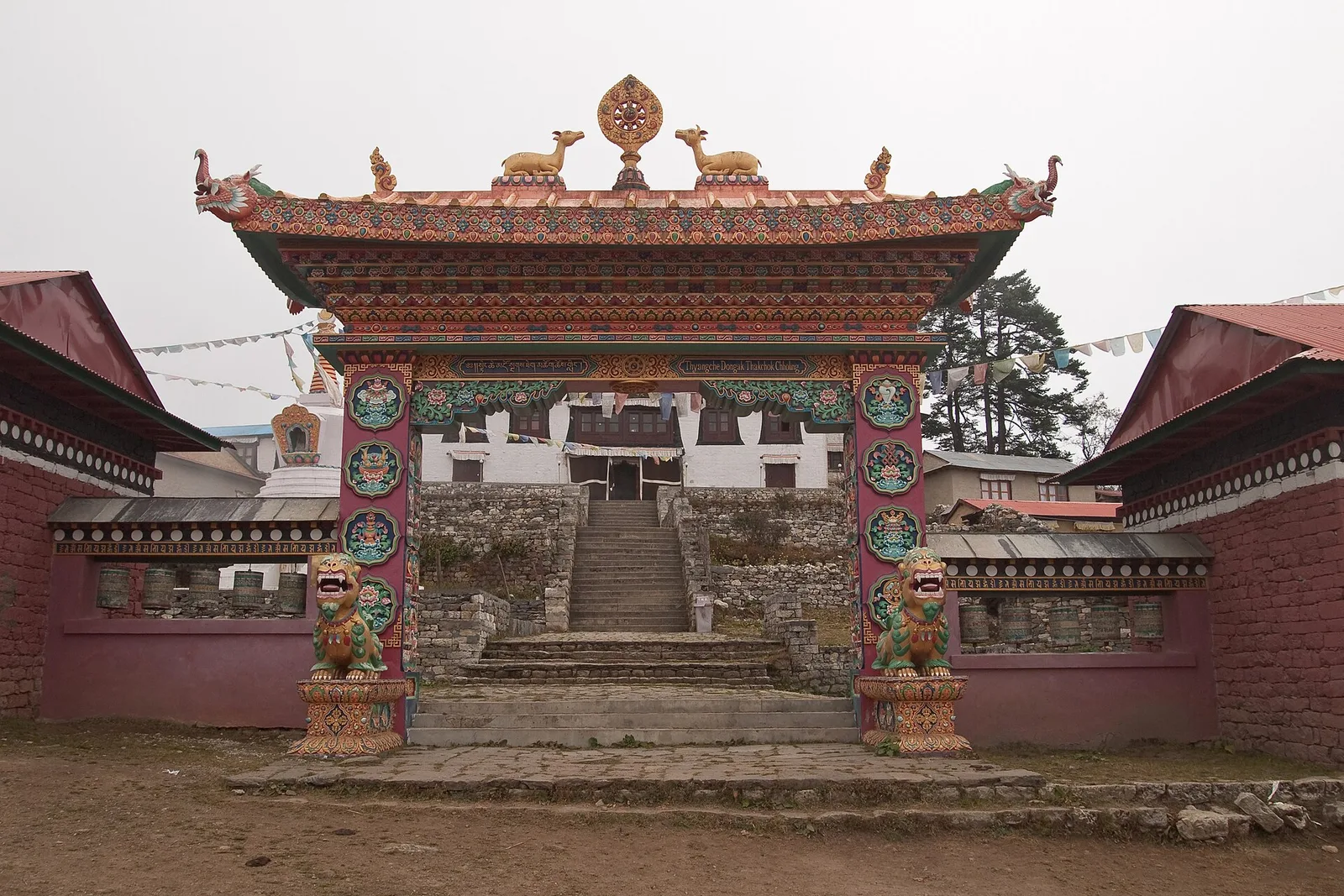
It is one of the most recognised words in the world — and one of the most misunderstood. "Sherpa" is not a job title for a porter or guide. It is the name of a people: a Himalayan ethnic group with their own language, religion and homeland in the high valleys around Everest. When you trek the Everest region, you are a guest in their country, and understanding who they are transforms the journey.
From the trail · Everest


The basics
- The Sherpa are an ethnic group, not an occupation
- Their ancestors migrated from eastern Tibet several centuries ago
- Their heartland is the Solu-Khumbu region below Everest
- They are devout Tibetan Buddhists — monasteries, prayer flags and mani walls line the trails
More than mountaineers
The world knows the Sherpa for their extraordinary high-altitude strength — a reputation sealed when Tenzing Norgay stood atop Everest in 1953, and carried on by climbers like Kami Rita Sherpa with his record tally of summits. But mountaineering is only one chapter. Sherpa life centres on farming, trade, family and faith; the gompas (monasteries) of Tengboche and beyond are spiritual anchors, and festivals, butter lamps and the rhythm of Buddhist practice shape the year. Trekking through the Khumbu, you walk through a living culture, not a backdrop.
| Aspect | Detail |
|---|---|
| Origin | Eastern Tibet, centuries ago |
| Homeland | Solu-Khumbu (Everest region) |
| Faith | Tibetan Buddhism |
| Famous figure | Tenzing Norgay (1953 Everest) |
What this means for you
The Everest trek is not just about the mountain — it is about the people who have thrived in its shadow for generations. Our Sherpa and local guides share their own culture as you walk: the monasteries, the meaning of the prayer flags, the stories. It is what turns a trek into a genuine connection.
Source: Travel Himalaya Nepal.
Cover photo: Vyacheslav Argenberg via Wikimedia Commons (CC BY 4.0).
Source: Travel Himalaya Nepal
Planning a trek?
We handle the permits, logistics & guides
NMA-certified local guides, transparent pricing, 5,000+ treks since 1998. Tell us your dates and we'll sort the rest.


Popular Nepal treks
All treks →


More in Records & People
Records & People
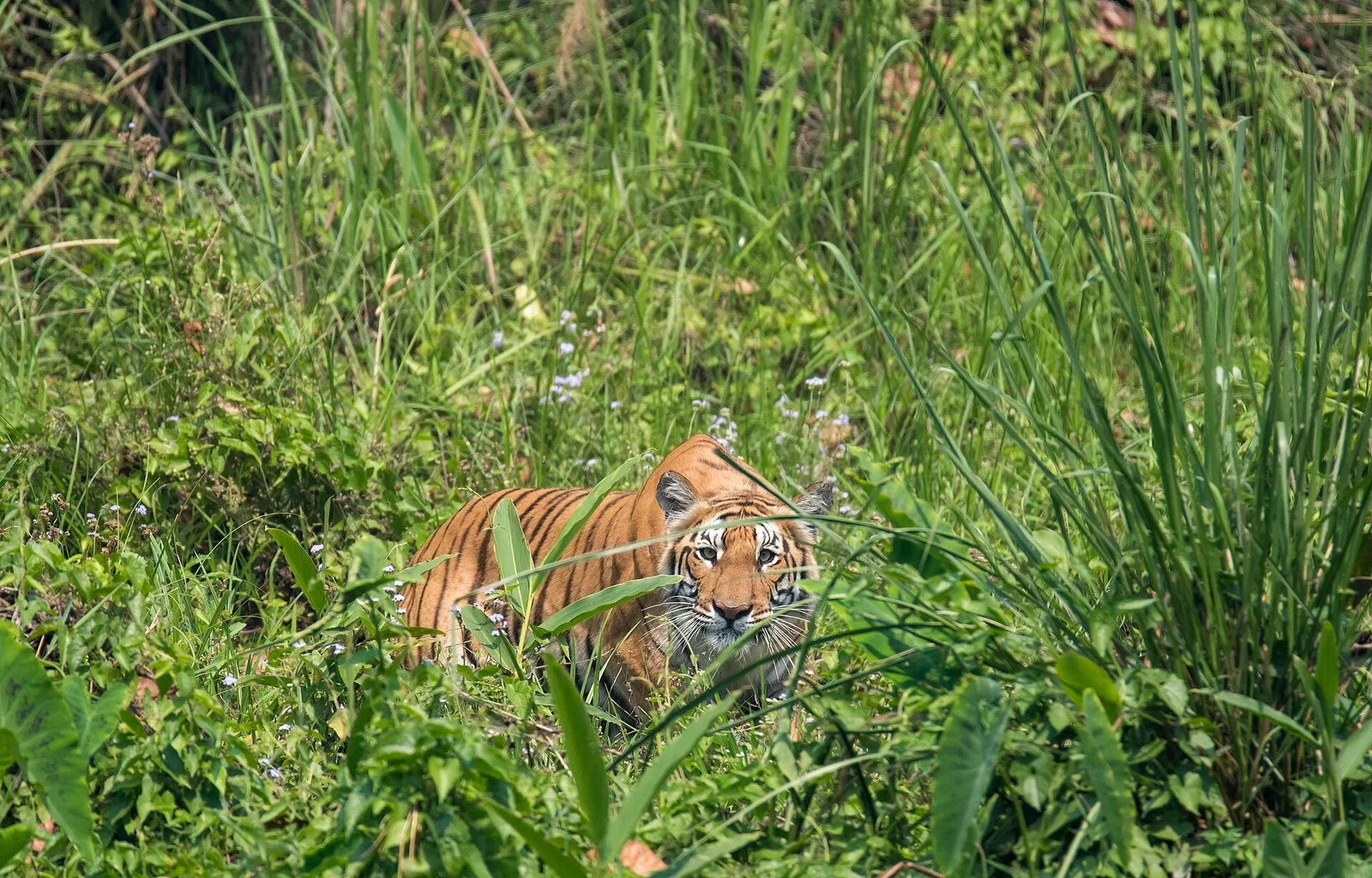
Nepal Just Counted 429 Wild Tigers — Nearly Quadruple What It Had in 2009
A new national census puts Nepal's tiger population at a record high, the fastest tiger recovery of any country on Earth — and it's reshaping what a Chitwan or Bardia safari actually looks like.
Records & People
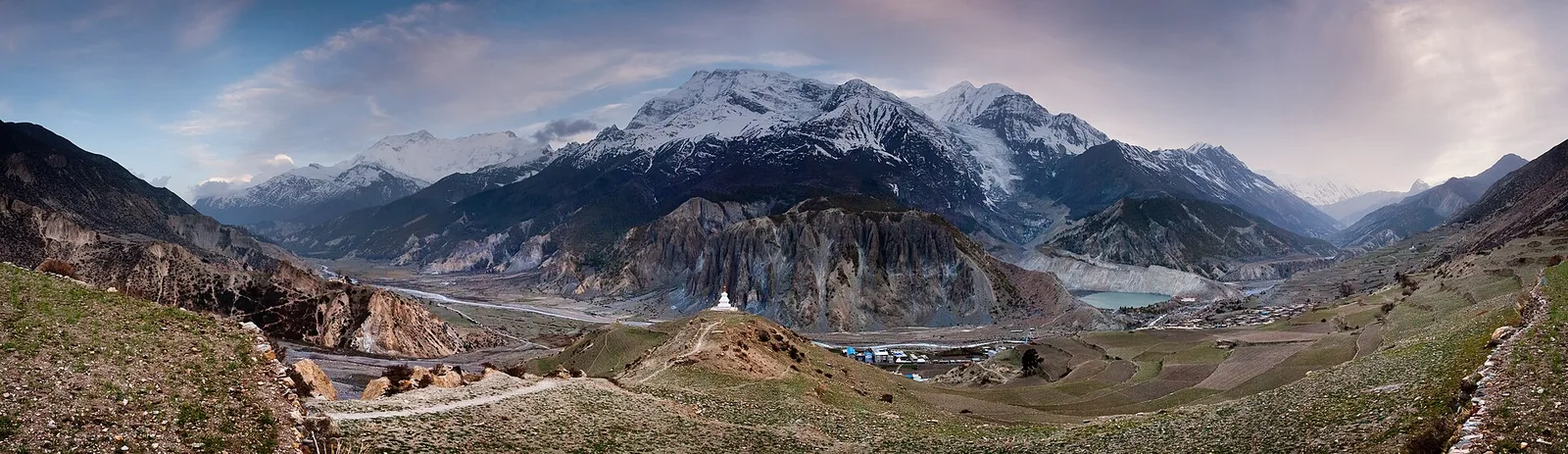
Before Everest, There Was Annapurna: The First 8,000-Metre Summit Cost Two Climbers Nearly Every Finger and Toe
On 3 June 1950, two Frenchmen became the first humans to stand on an 8,000-metre summit — three years before Everest. The descent nearly killed them both.
Records & People
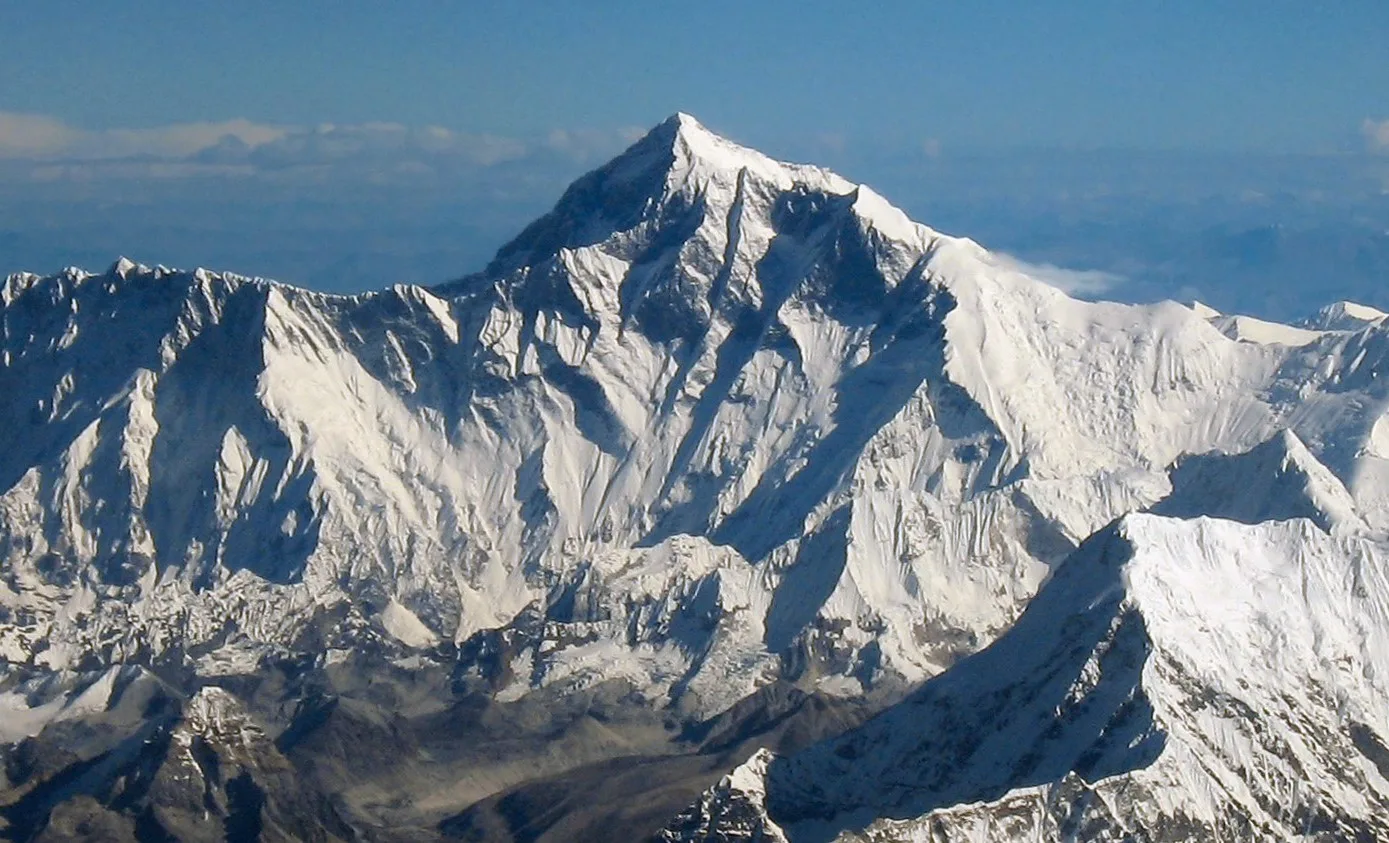
The Highest Point on Earth Used to Be the Bottom of the Sea
Six metres below Everest's summit, geologists have found fossils of sea creatures that died 450 million years before Hillary and Tenzing were born — and the mountain is still rising to meet them.
Latest from the desk
Safety & Advisories
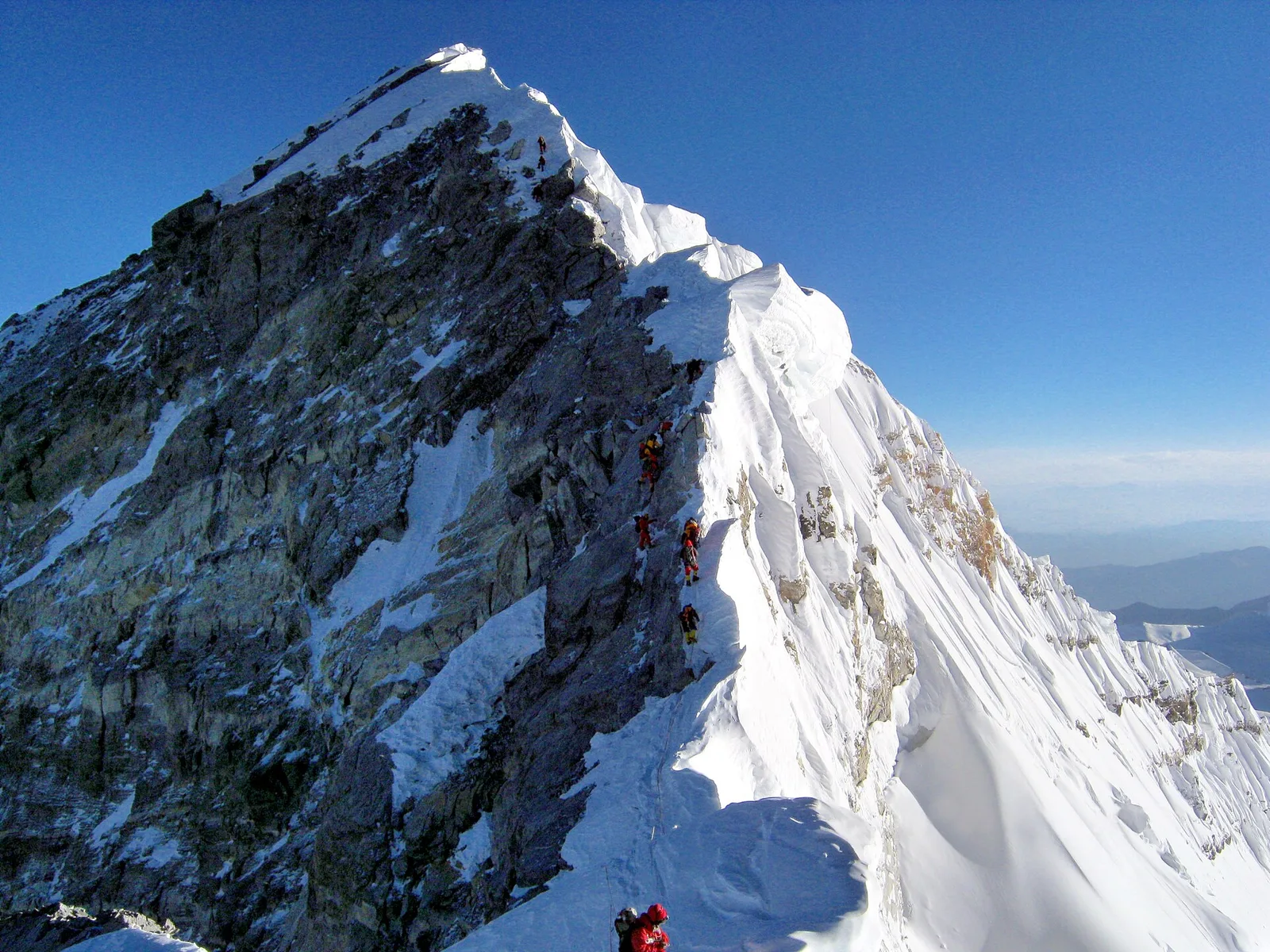
Everest's Most Famous Rock Wall Vanished in an Earthquake. Nepal Spent Years Saying It Hadn't.
Climbers came home with before-and-after photos. Nepal's tourism department told them not to talk about it. Here's what actually happened to the Hillary Step — and why the same stretch of ridge is still making headlines in 2026.
Industry & Tourism
Nepal Promised China 500,000 Tourists in a Year. It Got 95,480 — Now a Delegation From Sichuan Has Landed to Try Again
China's 2025 pledge to flood Nepal with half a million visitors delivered barely a fifth of that number. Days ago, a five-person tourism delegation from Sichuan sat down with Nepal Tourism Board to plan the next attempt.
Flights & Access
Planning a Nepal Trek From the United States in 2026: Real Flights, Costs and a 14-Day Everest Itinerary
No airline flies nonstop from the US to Kathmandu — here is exactly how Americans actually get there, what a real Everest Base Camp trek costs in dollars, and an itinerary built around the flight.