
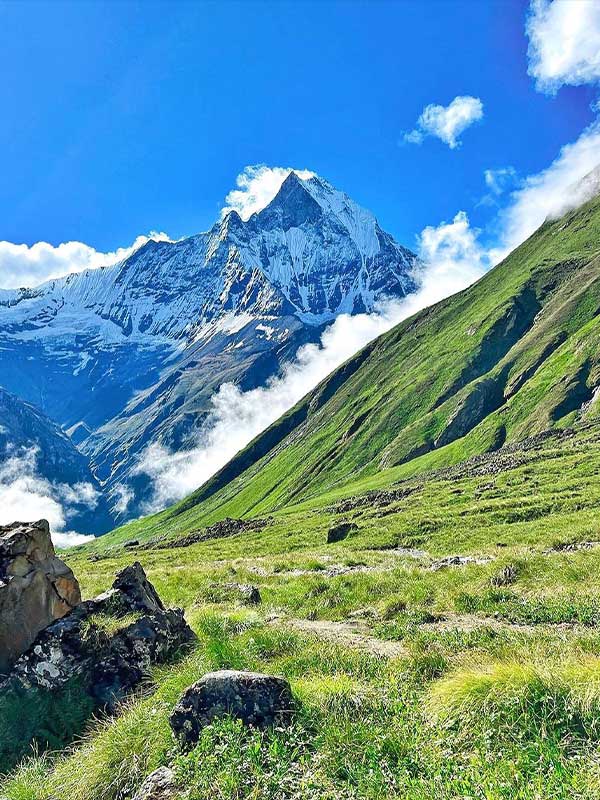
Ama Dablam Base Camp Trek — 10 Days
Duration
10 days
From
$1,400/person
Max Altitude
4,570 m
Difficulty
Challenging
Starts
Lukla (fly from Kathmandu)
Group Size
2–12 People
Stay
Tea House
Meals
Breakfast & Dinner
Best Season
Oct–Nov, Mar–May
Trip Highlights
Get up close to Nepal’s most beautiful mountain — Ama Dablam (6,812m). Trek to its base camp at 4,570m through classic Khumbu villages and rhododendron forests.
Day-by-Day Itinerary(10 days)
Altitude Profile
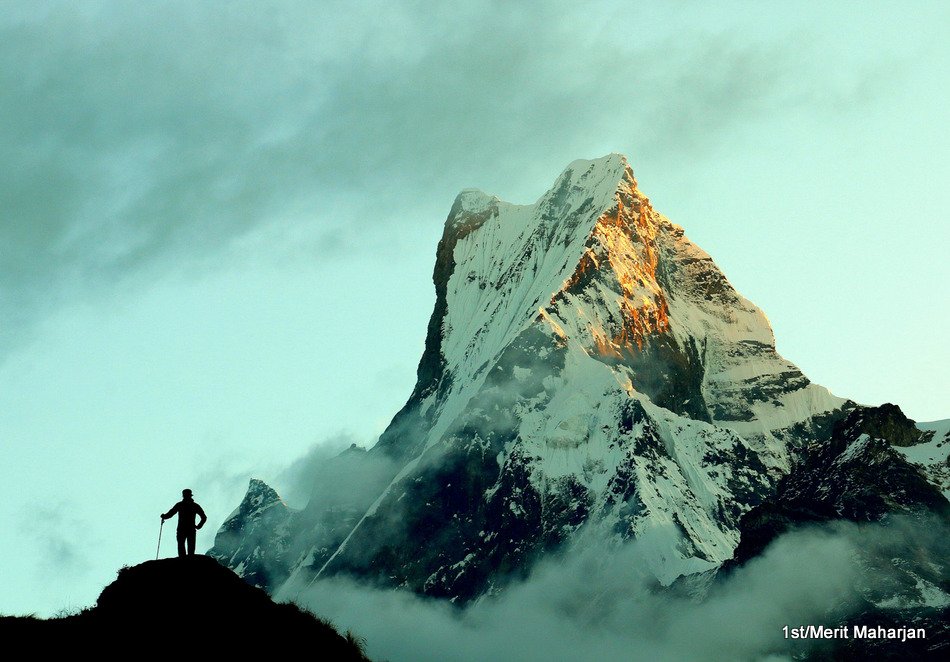
Peak: 4,600 m · Day 6Ama Dablam Base Camp Trek brings you to the foot of Nepal's most photographed peak. Called the 'Matterhorn of the Himalayas,' Ama Dablam (6,812 m) towers over the Khumbu Valley with a silhouette so perfect it appears on postcards, posters and prayer flags across Nepal. This 10-day itinerary reaches base camp at 4,570 m and delivers extraordinary close-up views that trekkers on the standard Everest Base Camp trail never see.
Why trek to Ama Dablam Base Camp?
While thousands queue for Everest Base Camp each season, the Ama Dablam Base Camp spur stays blissfully quiet. You still walk the classic Khumbu — Namche Bazaar, Tengboche Monastery, Sherpa villages and rhododendron forest — but you peel off toward a base camp that sits directly beneath one of the most beautiful mountains on earth. It is the single best vantage point for photographing Ama Dablam, and at 4,570 m it is gentler on the body than the 5,364 m EBC trail.
Trek Highlights
- Ama Dablam Base Camp at 4,570 m — a rarely visited gem
- Namche Bazaar, the bustling heart of Sherpa country
- Tengboche Monastery, the spiritual centre of the Khumbu
- Panoramic views of Everest, Lhotse, Nuptse and Thamserku
- Authentic Sherpa culture and warm teahouse hospitality
Itinerary at a glance
Fly Kathmandu–Lukla, then trek to Phakding and up to Namche Bazaar (3,440 m) with an acclimatisation day. Continue past Tengboche Monastery (3,860 m) to Pangboche (3,985 m), then climb to Ama Dablam Base Camp (4,570 m) for sunrise on the peak before retracing the trail to Lukla and flying back to Kathmandu. Your guide adjusts the pace and rest days to your fitness.
Difficulty and fitness
This is the trek to base camp, not the technical climb to the summit — no ropes, ice axes or mountaineering experience are required. It is graded Challenging mainly because of altitude: you walk 5–6 hours a day on mountain paths and sleep above 3,400 m for several nights. Reasonable fitness and careful acclimatisation are all you need. Read our altitude-sickness prevention guide before you go.
Permits you need
Ama Dablam Base Camp sits inside Sagarmatha National Park, so you need the same two permits as the Everest Base Camp trek: the Sagarmatha National Park entry permit (NPR 3,000) and the Khumbu Pasang Lhamu Rural Municipality permit (NPR 3,000). A licensed guide is mandatory. We arrange every permit for you — see our full Everest region permit guide for the details.
Best time to go
The prime windows are October–November and March–May, when skies are clearest and Ama Dablam stands out crisply against deep blue. See our month-by-month guide to trekking in Nepal to pick your dates.
Ama Dablam Base Camp vs Everest Base Camp
If your priority is the iconic mountain itself — with fewer crowds, a lower maximum altitude and a slightly shorter trip — Ama Dablam Base Camp is the smarter choice. If standing at the foot of Everest is the dream, read our Everest Base Camp trek guide or browse the full Everest region guide. Many trekkers combine the two.
What's Included
Included
- Government-certified English-speaking senior trek guide
- Porter (1 per 2 trekkers)
- Sagarmatha National Park entry permit
- Khumbu Pasang Lhamu Rural Municipality permit
- TIMS card
- Kathmandu–Lukla–Kathmandu round-trip flights (scheduled)
- All teahouse accommodation on trek
- 3 meals per day (breakfast, lunch, dinner)
- Altitude illness kit and pulse oximeter
- All government taxes and service charges
Not Included
- International airfare to/from Kathmandu
- Nepal entry visa fee ($30–$50 on arrival)
- Comprehensive travel insurance with emergency evacuation
- Meals not listed in daily itinerary
- Personal trekking gear and equipment
- Tips for guides and porters
- Beverages, hot showers, and battery charging at teahouses (payable direct)
- Personal expenses and souvenirs
- Any costs arising from illness, injury, or early departure
Best Time to Go
Autumn (Sep–Nov)
Prime season. October is perfect — clear skies, stable weather, 4–6 week dry window. November gets cold at altitude but still excellent. EBC trail at its busiest.
Spring (Mar–May)
Climbing season — expeditions on Everest. Good trekking weather. Rhododendrons in Namche area. Pre-monsoon cloud builds in afternoon from May. Slightly warmer than autumn.
Winter (Dec–Feb)
Very cold. Khumbu trails remain open but temperatures extreme at EBC (-20°C+). Experienced cold-weather trekkers only. Fewer crowds. Lodges may be closed above Namche.
Monsoon (Jun–Aug)
Not recommended. Trails wet and unstable. Cloud cover obscures mountain views. Risk of landslides on lower sections.
Permits Required
What to Pack
A detailed packing list will be sent with your booking confirmation. Gear rental available in Kathmandu and Pokhara.
Customer Reviews(1)
5.0
1 reviews
Oliver Müller
🇩🇪October 2025
Ama Dablam ist der schönste Berg der Welt, und vom Basislager aus zu sehen, wie die Routen der Kletterer nach oben führen, ist unglaublich inspirierend. Unser Guide hatte selbst Ama Dablam zweimal bestiegen und konnte uns jeden Abschnitt der Route erklären. Travel Himalaya Nepal hat die gesamte Logistik — von der Anreise nach Lukla bis zur Rückkehr nach Kathmandu — perfekt koordiniert. 10 von 10. (Ama Dablam is the most beautiful mountain in the world. Our guide had summited it twice and could explain every section of the climbing route. Travel Himalaya Nepal coordinated all logistics perfectly.)
Frequently Asked Questions
$1,400
/ person · all-inclusive