
The short version
Plan the Ghalegaun homestay trek 2026: ~5 days, moderate, ACAP & TIMS permits, Gurung culture, Annapurna views. Costs, route and tips from local experts.
- A culture-first trek, not a peak. Ghalegaun is Nepal's flagship Gurung community homestay village, where the experience is the people, not the altitude.
- Short and gentle. Around five days at a moderate grade, with a top elevation near 2,100 m — no serious altitude risk and family-friendly.
- Two affordable permits. You need an ACAP (NPR 3,000) and a TIMS card (around NPR 2,000); this is not a restricted area.
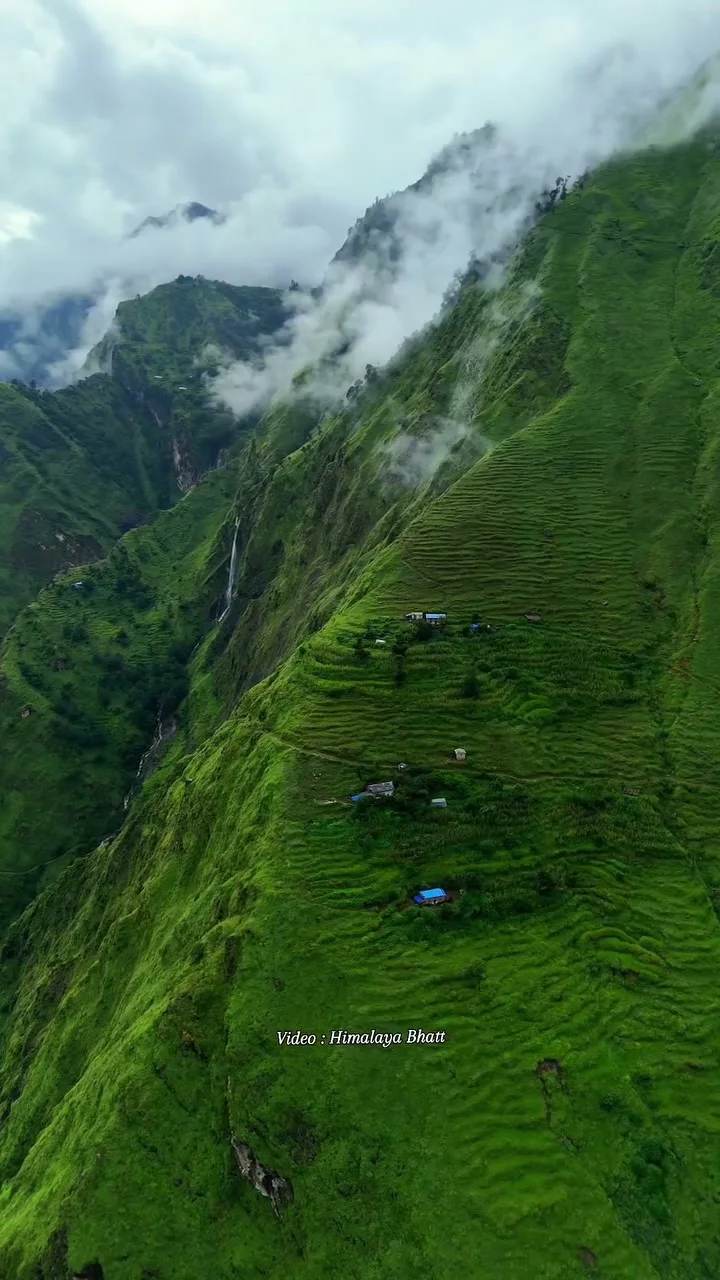
- Big mountains, small crowds. Annapurna II and IV, Lamjung Himal, Manaslu, Buddha Himal and Machhapuchhre rise above terraced fields, far from the tea-house traffic of the main trails.
The Ghalegaun Homestay Trek is the one we recommend when a traveller tells us they want the real Nepal — warm hospitality, living culture and Himalayan panoramas — without the long, lung-busting climb to a base camp. Tucked into the Annapurna foothills of Lamjung district at roughly 2,100 metres, Ghalegaun (also spelt Ghale Gaun) is the village that helped pioneer community-based tourism in Nepal. As a Pokhara-based operator since 1998, we have sent guests here for decades and watched the homestay model lift an entire community. This guide covers everything you need to plan the trek in 2026.
Why trek to Ghalegaun
Most Nepal treks sell you a summit or a glacier. Ghalegaun sells you a way of life. This is a tidy Gurung village of around 120 stone-and-slate houses, draped over a ridge with terraced barley and millet falling away on every side. It has won national awards as a model for community homestay tourism, and the income flows directly to the families who host you rather than to distant hotel chains. You sleep in a villager's home, eat what the family eats, and most evenings are treated to traditional Gurung dance, song and the warm rakshi-and-firelight hospitality the Gurung are famous for. For travellers who care about responsible, low-impact travel, it is hard to beat — and the views are extraordinary for so little effort.
Route and itinerary overview
The trek is short, flexible and easily shaped around your time. A typical five-day plan looks like this:
- Days 1–2: Drive from Kathmandu or Pokhara to Besisahar, the Lamjung district headquarters, then continue by jeep on rough service tracks to Khudi, the trailhead. From here you begin the climb through sub-tropical forest and Gurung hamlets, gaining height steadily.
- Days 2–3: Walk up to Ghalegaun itself, settling into your homestay. There is time to wander the village, visit the monastery and cultural museum, watch the sunrise paint Annapurna II and Lamjung Himal, and join an evening of Gurung dance.
- Days 4–5: Many guests add the neighbouring ridge village of Ghanpokhara for a second, quieter homestay and a different view, before descending and driving back to Pokhara or Kathmandu.
We avoid publishing a rigid hour-by-hour schedule because road conditions and your own pace will shift it. The point of Ghalegaun is to slow down, not to tick off waypoints.
Difficulty and fitness
This is a moderate trek that most reasonably active people — including older travellers and families with children — can complete comfortably. You will be walking three to five hours on the main trekking days, on stone-stepped paths and forest trails with sustained but never extreme ascents. There is no technical ground and no high pass. If you can manage a few hours of hill walking with a day pack, you are ready. Because the top elevation is only around 2,100 metres, you avoid the altitude problems that shape harder routes; see our guide on altitude sickness prevention and treatment if you are planning higher trips later.
Permits and 2026 cost
Ghalegaun sits inside the Annapurna Conservation Area, so you need two standard permits — and crucially, it is not a restricted region, so there are no costly special permits or two-trekker minimums.
- ACAP (Annapurna Conservation Area Permit): NPR 3,000 per foreign trekker (around USD 25). SAARC nationals pay NPR 1,000.
- TIMS card: approximately NPR 2,000 per foreign trekker. We arrange both for you so you are not queuing at offices.
Budget roughly USD 350–550 per person for a guided five-day package, depending on group size, transport choice and add-ons, which is excellent value. For a full breakdown of what shapes a trek bill, see our Nepal trekking cost guide and the trek cost calculator, and read the 2026 trekking permits guide for the wider permit picture. Always confirm current fees with us before you travel, as the government adjusts them periodically.
Best time to go
The prime windows are autumn (October to November) and spring (March to April), when skies are clear, the air is crisp and the rhododendron and terraces are at their best. Autumn delivers the sharpest mountain views; spring brings the bloom and a milder feel. Winter (December to February) is perfectly walkable at this modest altitude — cold but quiet and clear — while the summer monsoon (June to August) brings cloud, leeches and muddy roads, though the hills turn brilliant green. For a season-by-season comparison across the country, see our best time to trek Nepal overview and the 2026 best-time guide.
How to get there
Ghalegaun lies roughly 205 km from both Kathmandu and Pokhara, in the Annapurna foothills. From Kathmandu it is a 6–7 hour drive along the Prithvi Highway to Besisahar, then a jeep transfer to Khudi to start walking. From Pokhara the road approach is shorter and often the more comfortable choice. We usually recommend a sturdy private jeep over a local bus for the rough final stretch beyond Besisahar. Many of our guests combine the trek with a few relaxed days in Pokhara at either end — it pairs naturally with the wider Annapurna region.
Accommodation: homestay, not tea-house
This is what sets Ghalegaun apart. Rather than camping or staying in commercial lodges, you live in a village family's home under the community homestay scheme. Rooms are simple, clean and managed to an agreed local standard, with shared, hearty Gurung meals — dal bhat, local greens, millet bread, and rakshi if you wish. Hot showers and electricity are available, and basic Wi-Fi reaches most of the village. The model means your money stays in the community, and the cultural exchange — cooking, farming, dancing — is genuine rather than staged. To understand why we champion this approach, read about our work in community impact and the spirit of authentic Nepal.
Packing essentials
Because this is a low-altitude, lodge-based trek, you can pack light. Bring sturdy trail shoes or light boots, layers for warm days and cool evenings, a light down or fleece for autumn and winter mornings, a rain shell, sun protection, a refillable water bottle with purification, and a small day pack. A torch, a power bank and modest gifts or photos to share with your host family are lovely additions. You will not need heavy expedition gear here. Our full Nepal trekking packing list covers everything in detail.
Who it's for — and how it compares
Ghalegaun is ideal for families, older travellers, first-timers, photographers and anyone whose priority is culture and connection over conquering altitude. If you want a short, soulful trek with big mountains and real hospitality, this is our top pick. If, instead, you are chasing classic Himalayan high-mountain scenery and a glacial amphitheatre, a route like Annapurna Base Camp or Mardi Himal will suit you better — they demand more days and fitness but reach far higher. Compare options side by side on our Nepal trek comparison page and our pick of the best treks in Nepal.
Altitude and safety
At around 2,100 metres, Ghalegaun carries essentially no risk of altitude sickness, which is one of its great advantages — there is no need to acclimatise or worry about thin air. The main practical considerations are road safety on the rough jeep tracks (a reason we use experienced drivers), sure footing on stone steps in wet weather, and ordinary travel hygiene. We provide a licensed local guide, comprehensive briefings and on-trip support throughout. Travel insurance covering trekking is always recommended. Wondering whether you need a guide at all? Our guide-requirement explainer walks through the current rules.
Ready to experience Nepal's model Gurung village for yourself? See full dates, inclusions and pricing on our Ghalegaun Homestay Trek – 5 Days page, and get in touch — we will tailor the itinerary, arrange your permits and match you with a welcoming host family.
How high is the Ghalegaun trek and is altitude a concern?
Ghalegaun sits at around 2,100 metres, so altitude sickness is not a realistic concern. There is no high pass and no need to acclimatise, which makes it suitable for families, children and older travellers.
How many days do I need for the Ghalegaun homestay trek?
The classic plan is about five days, including travel to and from the trailhead. You can shorten it to a quick getaway or extend it by adding the neighbouring village of Ghanpokhara for a second homestay and different views.
What permits do I need and how much do they cost in 2026?
You need an ACAP (NPR 3,000 for foreigners, about USD 25) and a TIMS card (around NPR 2,000). Ghalegaun is not a restricted area, so there are no special permits or two-trekker minimums. We arrange both permits for you.
Is it a teahouse trek or do I camp?
Neither in the usual sense — you stay in village family homes under Ghalegaun's award-winning community homestay scheme. Rooms are simple and clean, meals are shared and hearty, and the income supports the community directly.
When is the best time to visit Ghalegaun?
Autumn (October–November) and spring (March–April) are ideal for clear skies and mountain views. Winter is cold but walkable at this low altitude, while the summer monsoon brings cloud, mud and leeches.
How do I get to Ghalegaun from Kathmandu or Pokhara?
It is roughly 205 km from each. From Kathmandu it is a 6–7 hour drive to Besisahar, then a jeep to the Khudi trailhead. The approach from Pokhara is often shorter and more comfortable, and the trek pairs well with a few days there.


Private departures on any date, hand-picked NMA guides, and 25+ years on the trail. Tell us your dates — we usually reply within a few hours.
Browse all treks & tours →
Written by
Travel Himalaya NepalPokhara-based, NMA-certified trekking guides. We’ve led 5,000+ treks across the Annapurna and Everest regions since 1998 — every word here comes from the trail. More from this author →
Share this article
Ready to Trek?
From reading about it to standing on it
Our Pokhara-based guides have been doing this since 1998. Tell us your dates and fitness level — we'll build your perfect itinerary. Free, no obligation.
Why trek with our licensed agencyMore guides like this
Popular trips to consider
Free Trekker’s Insider Guide
Permits, packing lists, cost breakdowns — no fluff.
We send one useful email. You can unsubscribe anytime.