
The short version
A 2026 guide to the Kapuche Lake & Sikles trek near Pokhara: the world's lowest glacial lake (~2,546m), permits, cost, itinerary and best season.
- The world's lowest-altitude glacial lake. Kapuche sits at roughly 2,546m beneath Annapurna II and Lamjung Himal, while almost every other glacial lake in Nepal lies above 4,000m.
- Short and accessible. A drive from Pokhara plus a few easy walking days makes this a five-day Annapurna adventure with no acclimatisation worries.
- Big village culture, small crowds. You stay in Sikles, one of the largest Gurung villages in Nepal, on a trail still far quieter than the classic Annapurna routes.
- Only ordinary permits needed. An ACAP (NPR 3,000) and a TIMS card (~NPR 2,000) cover you; this is not a restricted area.
The Kapuche Lake & Sikles Trek has quietly become one of the most talked-about short walks in the Annapurna region, and for good reason. In a country where almost every glacial lake demands days of high-altitude effort, Kapuche delivers a genuine turquoise glacier lake at only about 2,546 metres, cradled directly beneath the icefalls of Annapurna II and Lamjung Himal. As a Pokhara-based operator running treks since 1998, we have watched this trail go from a local secret to a social-media sensation, and it remains one of the easiest ways to stand at the foot of a Himalayan glacier without ever sleeping high. Here is our complete, up-to-date guide for 2026.


Why trek to Kapuche Lake and Sikles?
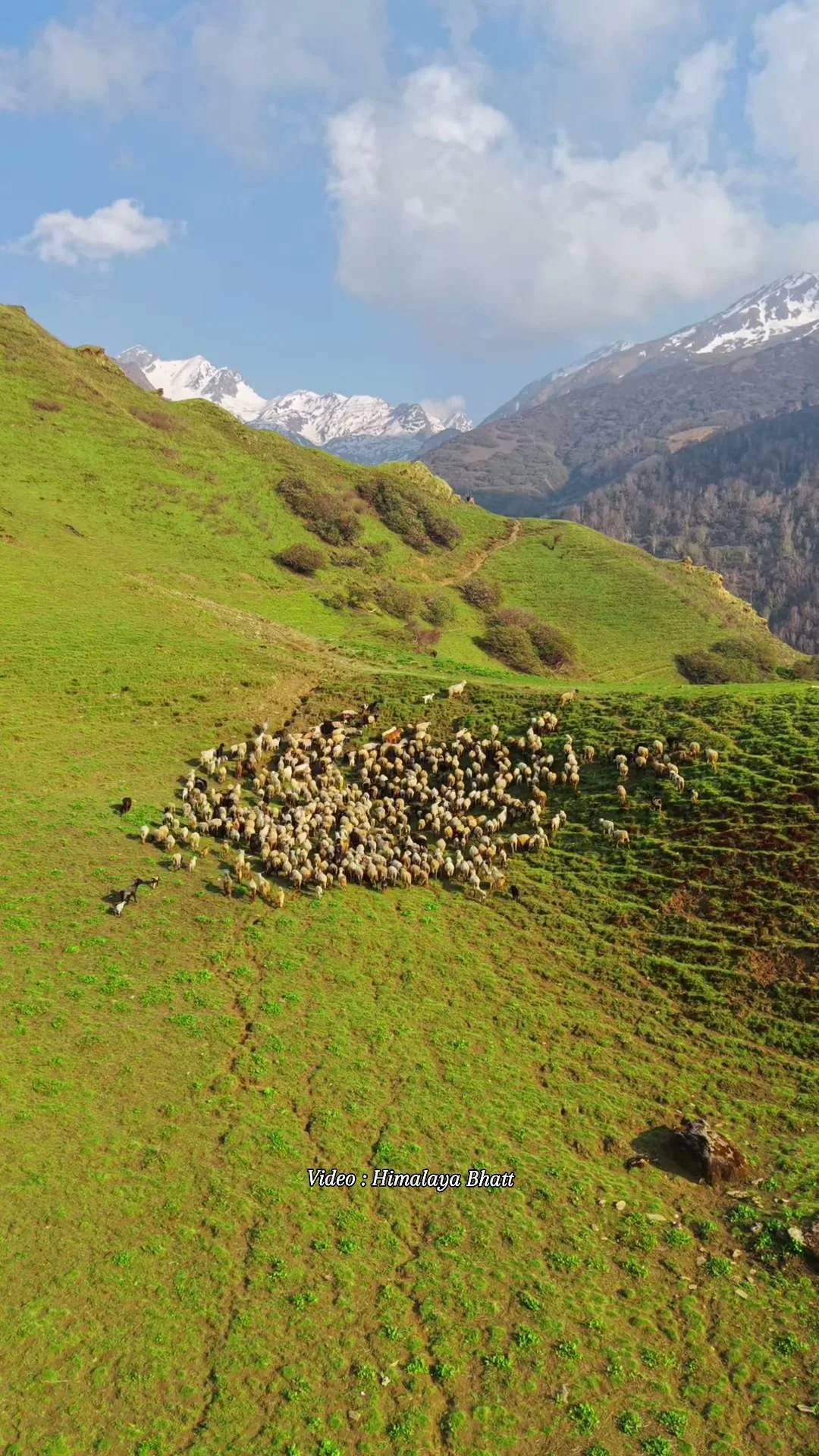
Kapuche is widely described as the lowest-altitude glacial lake in the world. Fed by the meltwater of Annapurna II and the surrounding peaks, the lake glows an electric milky-turquoise on a clear morning, with raw glacier ice and avalanche scars rising almost vertically above the far shore. Because it sits so low, you reach it on day walks rather than a multi-day high climb, yet the scenery is every bit as dramatic as scenes from far higher and harder routes.
The other half of the experience is Sikles itself. Tiered into the hillside above the Madi Valley, north-east of Pokhara, it is one of the biggest and best-preserved Gurung villages in Nepal, with stone houses, slate roofs and a living culture tied to the Gurung soldiering and herding traditions. Walking its lanes, sharing tea with families and waking to Annapurna II glowing pink at dawn is reason enough to come, glacier or not. For the wider context of this area, our Annapurna region guide sets out how the Sikles-Madi corner fits alongside the famous circuits.
Why it is trending on social media
A few years ago Kapuche barely appeared in guidebooks. Today it floods Instagram and TikTok reels, and the reasons are simple. The pay-off is extraordinarily photogenic, the trek is short enough for a long weekend, and the low altitude means almost anyone reasonably fit can do it. For Nepali and Indian travellers in particular it has become a bucket-list short break from Pokhara, and international visitors short on time have followed. We think that is a healthy trend: it spreads tourism income to villages like Sikles and Hugu that the big trails bypass, provided you walk it responsibly and respect local custom.
Route and itinerary overview
Our standard Kapuche Lake & Sikles trek is a five-day loop from Pokhara, comfortably paced so you enjoy the villages rather than rush the lake.
- Day 1: Scenic drive from Pokhara through the Madi Valley to the trailhead, then a short walk up to Sikles village to settle in.
- Days 2-3: Trek from Sikles towards Hugu and the upper Madi, following forest and riverside trail deeper into the valley beneath Annapurna II and Lamjung Himal.
- Day 4: The highlight day to Kapuche Lake itself, standing at the glacier's edge before returning to a riverside camp or village stay.
- Day 5: Walk out to the road head and drive back to Pokhara.
We avoid publishing a rigid hour-by-hour schedule here because trail conditions, your group's pace and the season all shift the timing; your guide will set a sensible daily rhythm on the ground.
Difficulty and fitness
This is a moderate trek and one of the most beginner-friendly walks in the entire Annapurna region. There are some steep uphill and downhill sections on rough village trails, and the final approach to the lake crosses uneven glacial terrain, so you should be comfortable walking four to six hours a day on uneven ground. But there is no extreme altitude, no high pass and no technical climbing. If you can manage a long day hike at home, you can manage Kapuche. It makes an excellent first Himalayan trek, a warm-up before a bigger objective, or a family-friendly adventure with older children.
Permits and 2026 cost
Kapuche lies inside the Annapurna Conservation Area but is not a restricted zone, so the paperwork is refreshingly simple. You need two things:
- Annapurna Conservation Area Permit (ACAP): NPR 3,000 (about USD 25) for foreign nationals, NPR 1,000 for SAARC nationals.
- TIMS card: approximately NPR 2,000 for foreign trekkers (NPR 1,000 for SAARC nationals), arranged through a registered agency.
Both are organised through the Nepal Tourism Board offices in Pokhara or Kathmandu, or by your agency. No special restricted-area permit is required. For the full national picture, see our trekking permits hub and our detailed Nepal trekking permits 2026 guide; if you are curious which trails do need extra paperwork, our restricted areas overview explains the difference.
As a guided package, the Kapuche & Sikles trek typically runs from around USD 350 to 550 per person depending on group size, transport and whether you camp or use village homestays. That covers guide, permits, transport from Pokhara, meals and accommodation on the trail. To compare it against other options you can use our trek cost calculator or read the broader Nepal trekking cost breakdown.
Best time to trek Kapuche
The two prime windows are spring (March to May) and autumn (September to November). Spring brings rhododendron bloom across the hillsides and warm, settled days; autumn delivers the crispest mountain views and stable weather after the monsoon. Because the lake sits relatively low, Kapuche is also walkable in winter, when the trail is quiet and the air sharp, though nights are cold and occasional snow can reach the upper valley. We would avoid the height of the monsoon (mid-June to August), when the steep trails turn slick, leeches appear and cloud often hides the peaks. For a season-by-season view across Nepal, see our best time to trek Nepal guide and the 2026 season planner.
How to get there
Everything starts in Pokhara, Nepal's lakeside trekking capital and around a 25-minute flight or six-to-seven-hour drive from Kathmandu. From Pokhara a private jeep or vehicle carries you north-east into the Madi Valley to the Sikles area trailhead; the drive itself, climbing past terraced farmland with Annapurna and Machhapuchhre on the horizon, is part of the pleasure. Road conditions vary with the season, so the exact drive time changes, but it is short enough that you reach Sikles the same day you leave Pokhara.
Accommodation: homestay, teahouse or camping
Sikles has developed simple lodges and Gurung homestays, which are the highlight of the trek for many guests; staying with a local family, eating dal bhat from their kitchen and hearing village stories is the cultural heart of the route. Beyond the village towards Hugu and the lake, facilities thin out, so the upper section is often run as a light camping trek with our crew carrying tents, or as a long day out from a lower base. We will tell you in advance exactly which nights are homestay and which are camp for your chosen dates.
What to pack
Because this is a low, short trek you do not need expedition kit, but mountain weather is changeable. Bring sturdy broken-in boots, layers including a warm fleece and a light down jacket for cold mornings, a waterproof shell, sun protection, a reusable water bottle with purification, and a small daypack. For camping nights a four-season sleeping bag is wise in the cooler months. Our full Nepal trekking packing list covers everything in detail, and your guide can advise on hire gear from Pokhara.
Altitude and safety
One of Kapuche's great attractions is that altitude sickness is essentially a non-issue: at around 2,546m the lake is far below the 3,000m threshold where altitude illness usually begins, so you can travel from Pokhara to the glacier and back without acclimatisation days. The real hazards are simpler ones: slippery trails after rain, steep drops, cold at the lakeshore and the unstable glacial ground near the water. Keep a safe distance from the ice and the lake edge, follow your guide, and never trek the upper valley alone. If you are still learning about altitude on bigger Nepal treks, our altitude sickness guide is worth a read for future trips.
Who it is for, and a close alternative
Kapuche & Sikles suits anyone wanting a short, scenic, culturally rich trek without high altitude: first-timers, families, photographers and time-pressed travellers using Pokhara as a base. If you have caught the bug and want a second short trek nearby, the Kori Danda trek is the natural sibling, climbing the same Sikles-Madi hills to a high ridge with sweeping Annapurna and Manaslu views, a touch more demanding for the extra height. To weigh Kapuche against Nepal's wider menu, browse our best treks in Nepal roundup or our full tour collection.
Is Kapuche really the world's lowest glacial lake?
It is very widely described that way. At roughly 2,546m Kapuche sits far lower than almost every other glacial lake in Nepal, which typically lie above 4,000m, which is why it has earned the reputation as the lowest-altitude glacier-fed lake in the world.
How many days do you need for the Kapuche Lake trek?
Our standard itinerary is five days from Pokhara and back, which gives a relaxed pace through Sikles village. Some operators run shorter three or four-day versions, but five days lets you enjoy the culture rather than rush the lake.
Do I need a special permit for Kapuche?
No. Kapuche is inside the Annapurna Conservation Area but is not a restricted zone, so you only need an ACAP (NPR 3,000 for foreigners) and a TIMS card (around NPR 2,000). No restricted-area permit is required.
Is the Kapuche trek suitable for beginners?
Yes. It is one of the most beginner-friendly treks in the Annapurna region. There are steep village trails, but no high altitude or technical climbing, so anyone comfortable with long day hikes can do it.
When is the best time to visit Kapuche Lake?
Spring (March to May) and autumn (September to November) are best for views and weather. Thanks to the low elevation it is also walkable in winter, though nights are cold. Avoid the peak monsoon months of mid-June to August.
Where does the trek start, and how do I get there?
It starts in Pokhara. From there a private jeep drives north-east into the Madi Valley to the Sikles trailhead, often the same day you leave Pokhara. Pokhara itself is a short flight or scenic drive from Kathmandu.
Private Annapurna departures on any date, hand-picked NMA guides, and 25+ years on these trails. Tell us your dates — we usually reply within a few hours.
Browse Annapurna treks & tours → Read the Annapurna guide →
Written by
Travel Himalaya NepalPokhara-based, NMA-certified trekking guides. We’ve led 5,000+ treks across the Annapurna and Everest regions since 1998 — every word here comes from the trail. More from this author →
Share this article
Ready to Trek?
From reading about it to standing on it
Our Pokhara-based guides have been doing this since 1998. Tell us your dates and fitness level — we'll build your perfect itinerary. Free, no obligation.
Why trek with our licensed agencyMore guides like this
Popular trips to consider
Free Trekker’s Insider Guide
Permits, packing lists, cost breakdowns — no fluff.
We send one useful email. You can unsubscribe anytime.