
The short version
Kori Danda trek 2026 guide from Pokhara: a quiet 5-day Annapurna viewpoint above Sikles with Annapurna II, Lamjung Himal and Machhapuchhre views, permits and costs.
- A rising star viewpoint trek above the Gurung village of Sikles, reaching the Kori Danda ridge at roughly 3,800m for a sweeping Annapurna panorama.
- Quieter than Mardi Himal or Poon Hill — you trade tourist crowds for high pastures, shepherds' huts and genuine village hospitality.
- Just two permits — ACAP (NPR 3,000) and TIMS (NPR 2,000). It is not a restricted area, so no costly special permit is needed.
- Easily paired with Kapuche Lake, the milky glacial lake below Annapurna II, for one of the best short adventures near Pokhara.
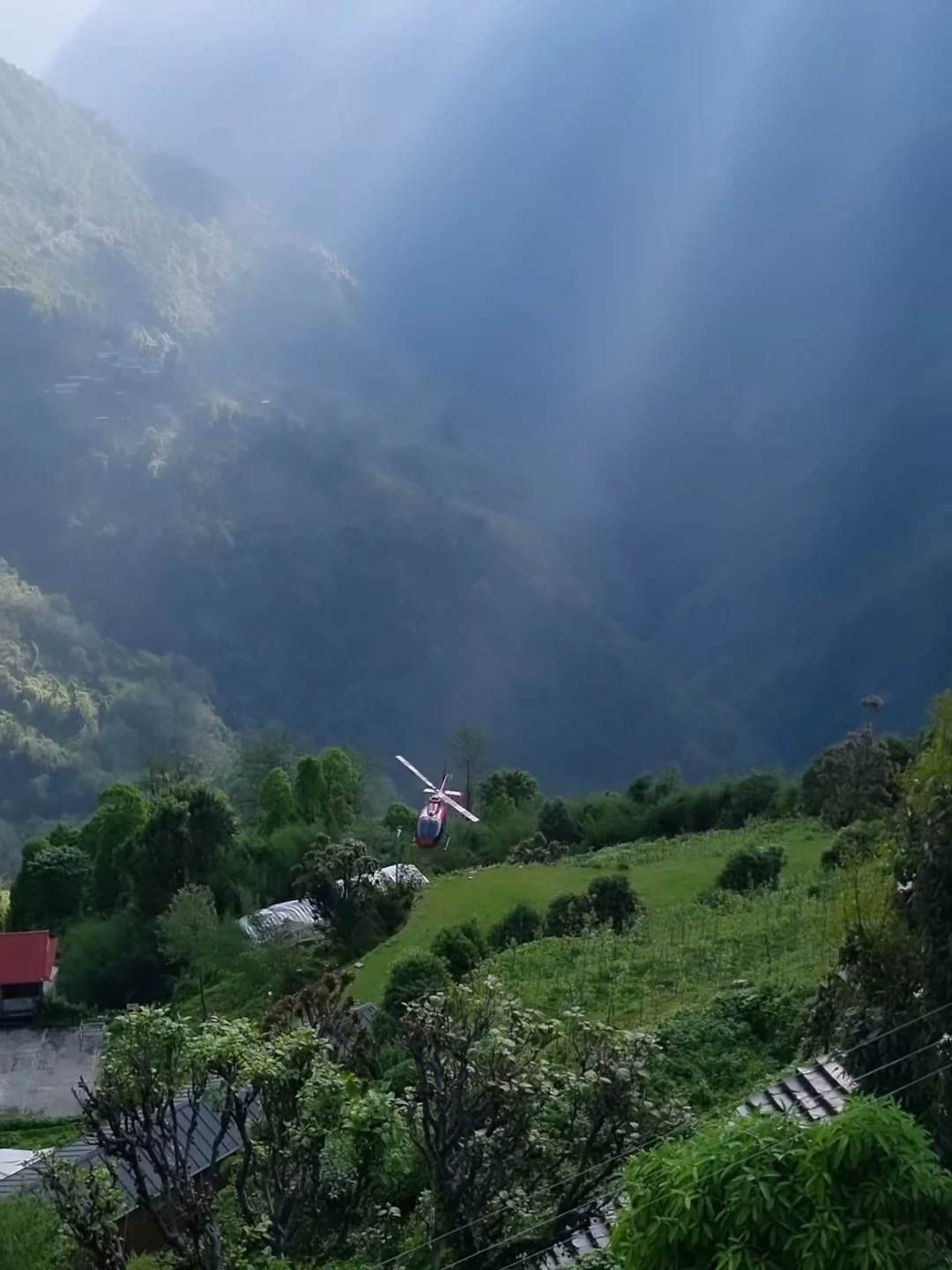
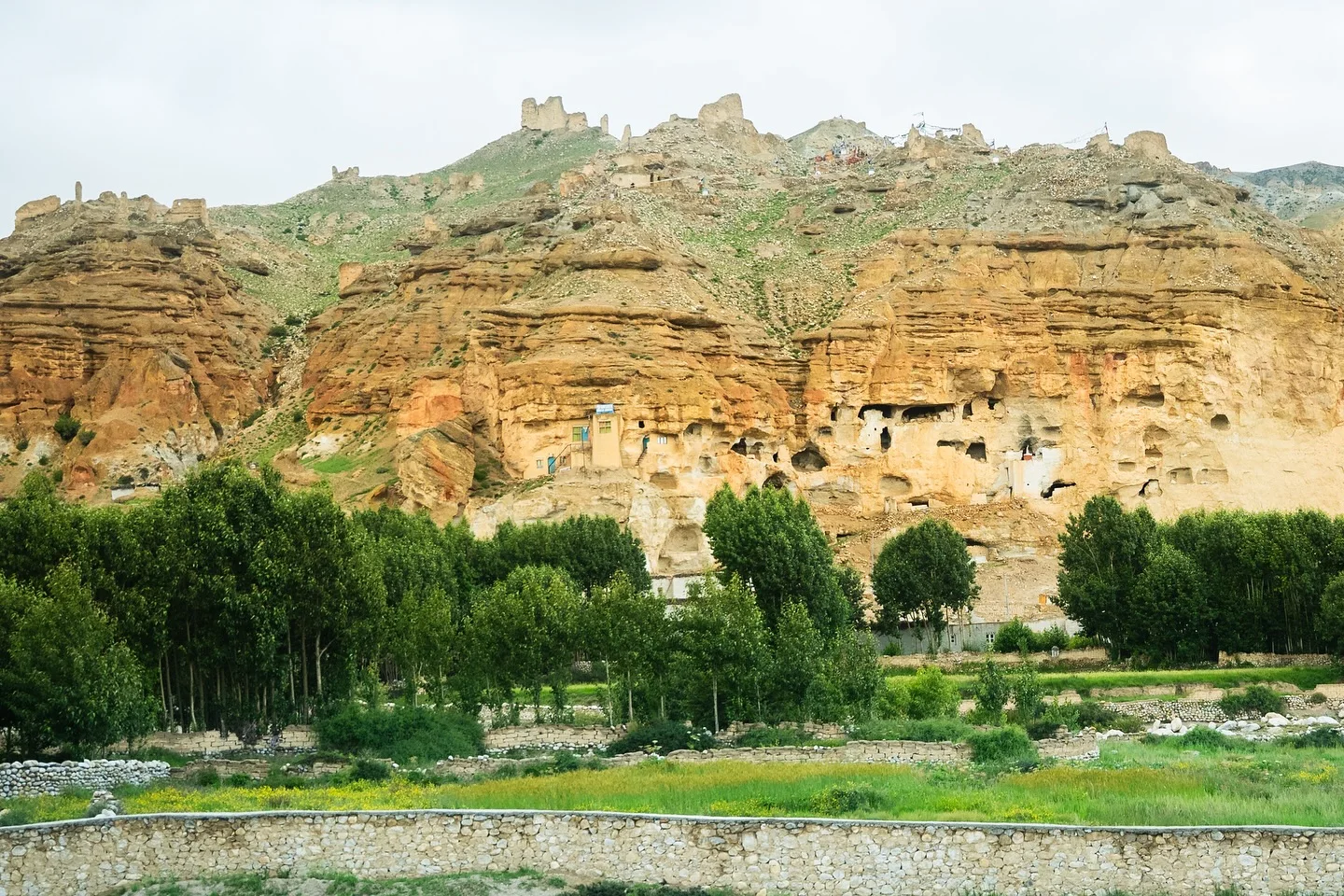
The Kori Danda Trek is the Annapurna region's best-kept secret — a short, moderate climb that delivers a panorama most trekkers spend twice as long chasing. Setting out from the historic Gurung village of Sikles, north-east of Pokhara, the trail rises through rhododendron and oak forest to the broad grassy ridge of Kori (Kori Danda) at around 3,800m, where Annapurna II, Annapurna IV, Lamjung Himal and Machhapuchhre fill the skyline. As a Pokhara-based operator trekking these foothills since 1998, we love Kori for the same reason our guests do: it feels like the Annapurna of twenty years ago, with hardly another walker in sight.
Why trek Kori Danda
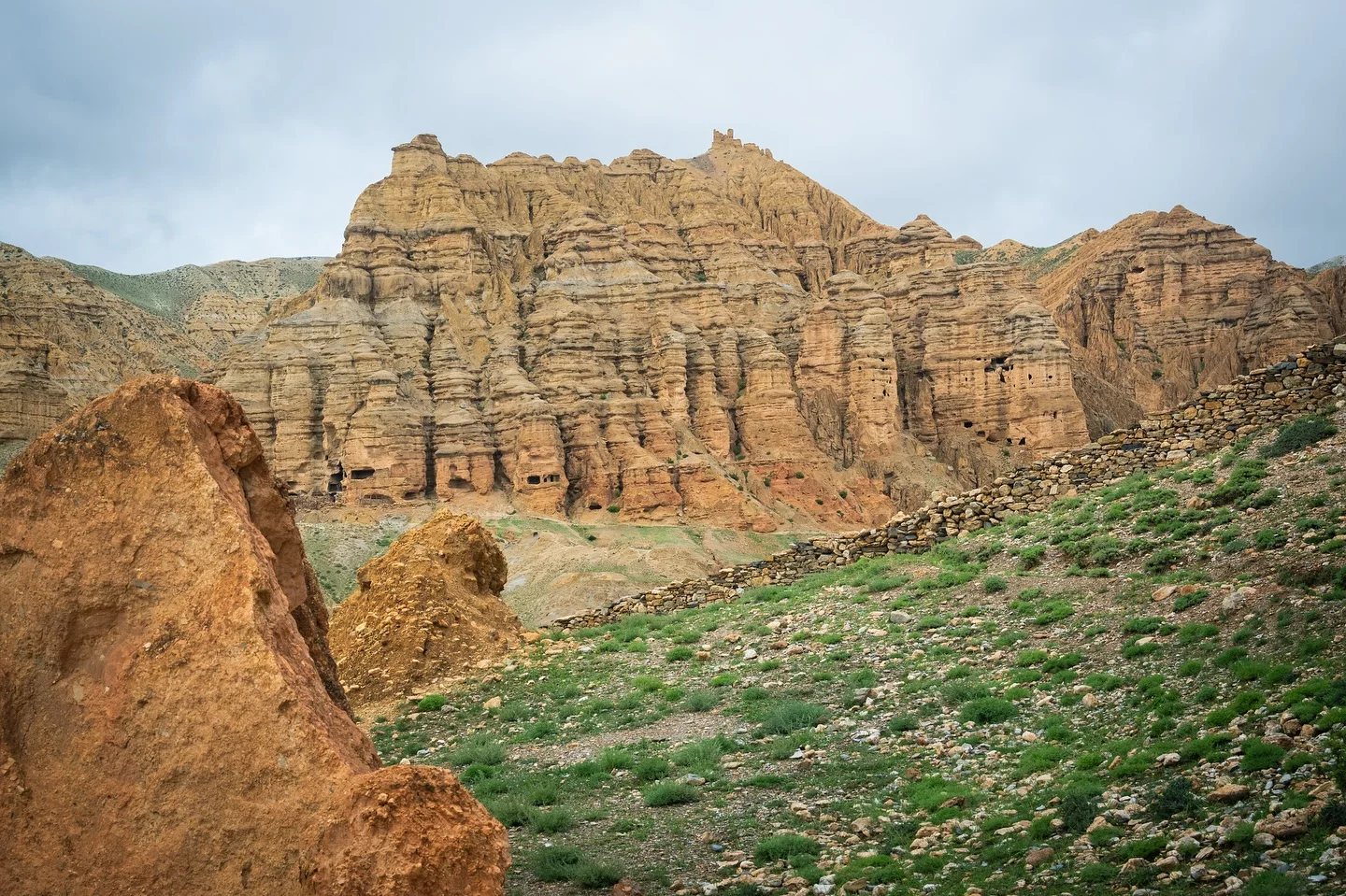
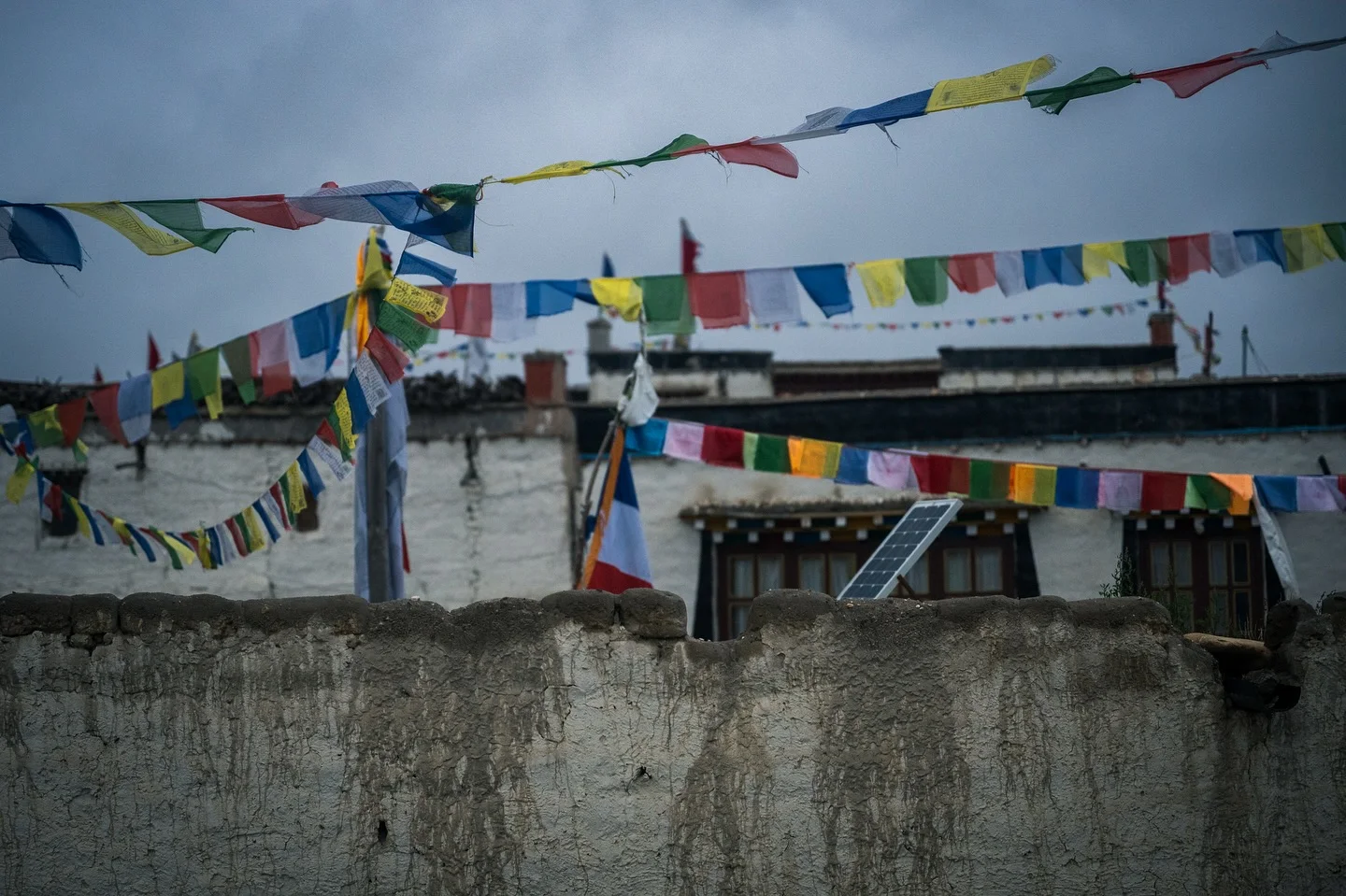
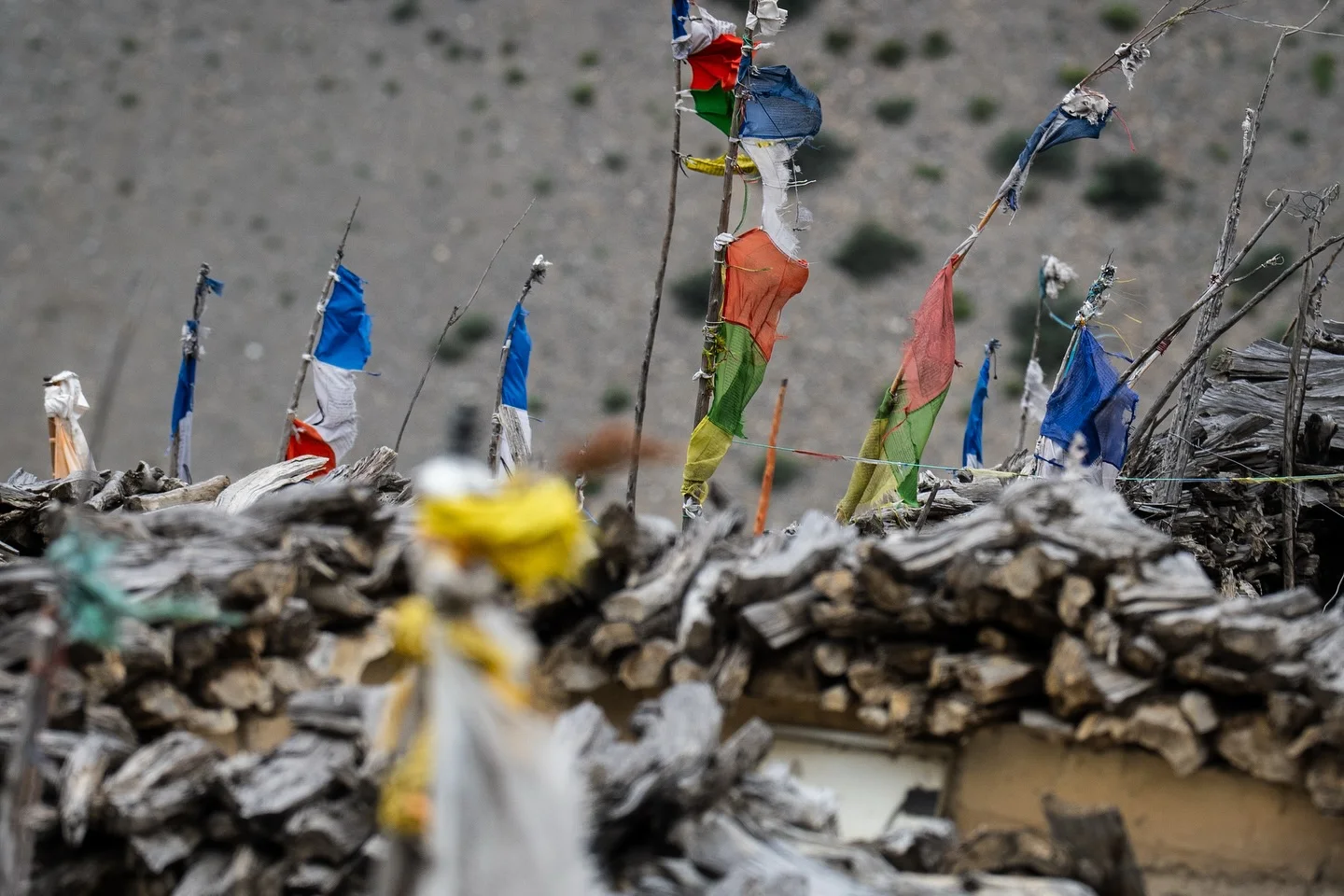
Most first-time visitors to the Annapurna region are funnelled towards Poon Hill or Mardi Himal. Both are beautiful, but both are busy. Kori Danda offers the same calibre of Himalayan view — arguably a wider, closer one of the eastern Annapurnas — from a ridge that still belongs to the shepherds. You walk past working high pastures, stone kharkas (herders' shelters) and forests loud with birdsong rather than chatter. For travellers who want a genuine, slightly adventurous Annapurna experience without committing to a two-week itinerary, this is the trek we recommend most often. See our full Kori Danda Trek (5 days) itinerary for departure dates and inclusions.
Route and itinerary overview
The classic version runs as a five-day loop from Pokhara, and it is comfortably paced rather than rushed.
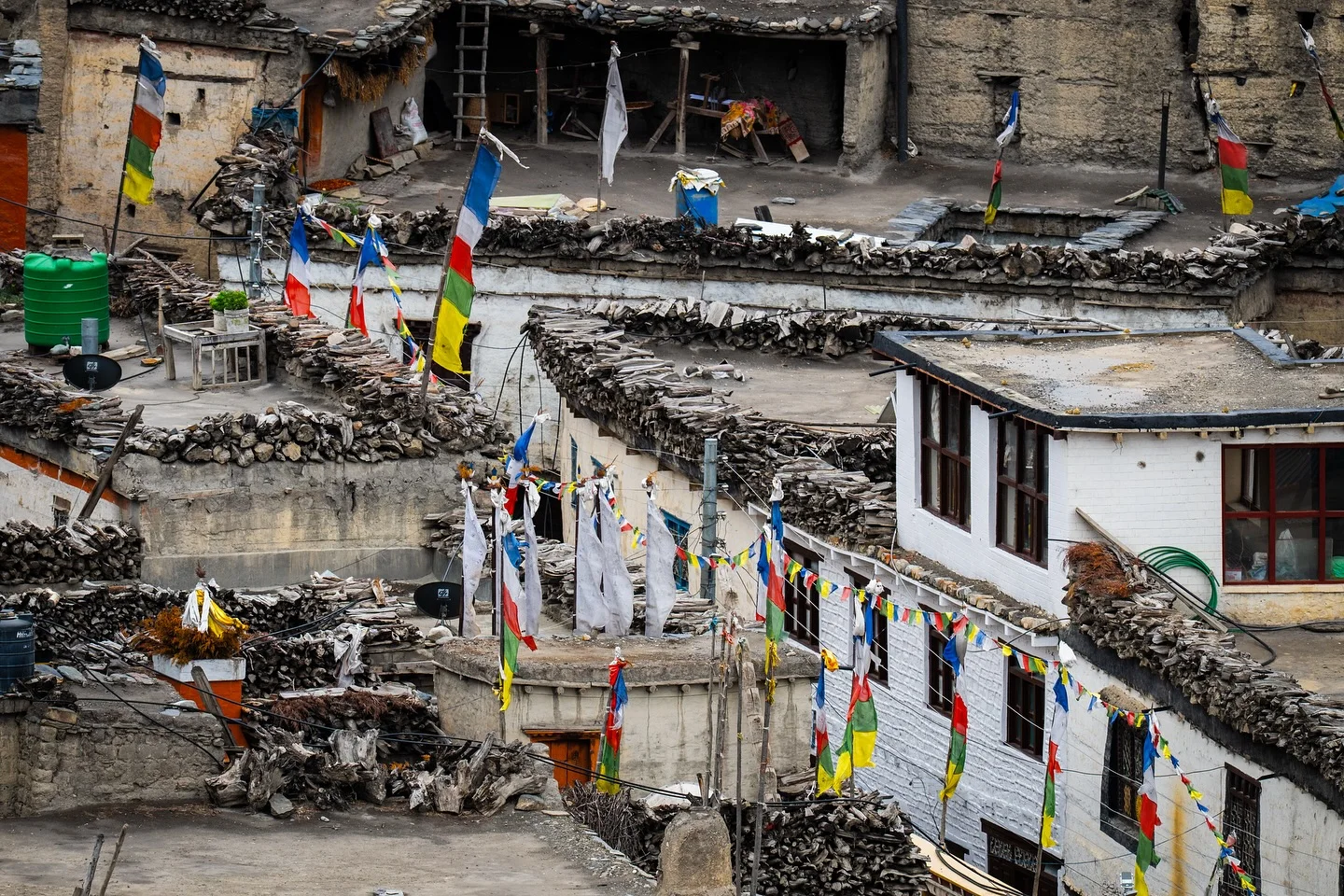
- Day 1: Drive from Pokhara to Sikles (around 1,980m), roughly two to three hours on a winding mountain road, then explore the village — one of the largest traditional Gurung settlements in Nepal.
- Days 2-3: Climb steadily through rhododendron and oak forest to high camps such as Hugu and Kori, gaining the ridge and the 3,800m viewpoint for sunrise over Annapurna II (7,937m), Annapurna IV (7,525m), Lamjung Himal and Machhapuchhre.
- Days 4-5: Descend back towards Sikles — many of our guests add a side trip down to Kapuche Lake — before driving back to Pokhara.
We avoid publishing a rigid hour-by-hour plan because conditions, fitness and the optional Kapuche detour all shift the timings. For a like-for-like look at how Kori stacks up against other short treks, our Nepal trek comparison is a useful planning tool.
Difficulty and fitness
Kori Danda is a moderate trek. The daily distances are short, but the climb from Sikles to the ridge is sustained, and a few sections are steep through the forest. You should be comfortable walking five to six hours a day on uneven ground with some long ascents. No technical skill, climbing equipment or prior high-altitude experience is required. Reasonably fit walkers who do a little hill training beforehand cope well; the main challenges are the gradient and the gradual gain in elevation, not difficulty underfoot.
Permits and 2026 cost
Kori Danda sits inside the Annapurna Conservation Area, so you need two permits — and, helpfully, this is not a restricted region, so there is no expensive special permit.
- ACAP (Annapurna Conservation Area Permit): NPR 3,000 for foreign nationals (NPR 1,000 for SAARC nationals).
- TIMS card: approximately NPR 2,000 for foreign trekkers arranged through a registered agency.
That puts mandatory permit costs at roughly NPR 5,000 (about USD 38) per person for 2026. A fully guided five-day package — transport from Pokhara, guide, accommodation and most meals — typically runs from around USD 450 to USD 650 per person depending on group size and season. Always confirm current figures before you travel; for the wider picture see our Nepal trekking permits hub and the trek cost calculator.
Best time to trek
The two prime windows are autumn (October to November) and spring (March to April). Autumn brings the clearest, most stable skies of the year and crisp mountain air — ideal for those sunrise panoramas. Spring trades a little of that clarity for the spectacle of rhododendron forests in full bloom, which along the Sikles trail is genuinely special. Winter (December to February) is doable but cold at the ridge, with the chance of snow above Sikles, while the summer monsoon (June to August) brings cloud, leeches and limited views. Our best time to trek Nepal guide breaks the seasons down month by month.
How to get there
Everything begins in Pokhara, a 25-minute flight or six- to seven-hour drive from Kathmandu. From Pokhara, a private vehicle reaches Sikles in roughly two to three hours along a scenic but rough mountain road through Madi. Because the trailhead is so close to the city, Kori Danda needs no internal flights and very little logistical fuss — one of the reasons it works so well as a short trip. If you are still planning the front end of your journey, our Nepal visa guide covers the visa-on-arrival process.
Accommodation: teahouse versus camping
Sikles itself has comfortable village homestays and small lodges, so the first and last nights are spent in proper beds with home-cooked Gurung meals. Higher on the ridge, facilities are far more basic — simple seasonal lodges and herders' huts — and during quieter periods we often run the upper section as a light camping trek, carrying tents and a cook. This flexibility is part of Kori's charm and its adventure: you get authentic village hospitality at the bottom and a wilder, self-sufficient feel up high. We will advise which setup suits your dates when you book.
Packing essentials
Because you climb to around 3,800m and may camp, pack for genuinely cold mornings even in the trekking seasons. Bring layered clothing, a warm down jacket, a sleeping bag rated to at least -10°C, sturdy broken-in boots, sun protection and a head torch. As the upper trail can be quiet, carry a basic first-aid kit and any personal medication. Our full Nepal trekking packing list covers everything in detail, season by season.
Altitude and safety
At about 3,800m, Kori Danda is high enough to take seriously but low enough that serious altitude sickness is uncommon on a sensibly paced itinerary. The five-day plan gives a reasonable acclimatisation profile, but you should still ascend gradually, drink plenty of water and tell your guide immediately if you feel headachy, nauseous or unusually breathless. Our guides are trained to recognise altitude symptoms and to descend early if needed. For the full picture, read our guide to altitude sickness prevention and treatment.
Who it's for — and Kori versus Mardi Himal
Kori Danda suits travellers who want big Annapurna views, real cultural immersion and solitude, without the time or budget for a long trek. Compared with Mardi Himal — the popular short ridge trek on the other side of the range — Kori is quieter, more rustic and gives a closer view of the eastern Annapurnas, while Mardi has more developed teahouses and footfall. If your priority is a polished lodge-to-lodge route, Mardi may suit; if you want the road less travelled, choose Kori. Many of our guests pair it with the Kapuche Lake & Sikles Trek for the best of both worlds, and our Annapurna region guide sets the whole area in context.
How high is the Kori Danda viewpoint?
The Kori (Kori Danda) ridge sits at roughly 3,800m. From here you get a panoramic view of Annapurna II, Annapurna IV, Lamjung Himal and Machhapuchhre, plus glimpses towards the Manaslu range.
What permits do I need for the Kori Danda trek in 2026?
Two permits: the ACAP (NPR 3,000 for foreign nationals) and a TIMS card (around NPR 2,000). Kori Danda is not a restricted area, so no special permit is required. Confirm current fees before you travel.
How difficult is the Kori Danda trek?
It is a moderate trek. Daily distances are short, but the climb from Sikles to the ridge is steep and sustained. Reasonably fit walkers who can manage five to six hours a day on uneven ground will be fine; no technical skills are needed.
When is the best time to trek Kori Danda?
Autumn (October to November) for the clearest skies and spring (March to April) for blooming rhododendrons are the two best windows. Winter is cold with possible snow up high, and the summer monsoon brings cloud and limited views.
Can I combine Kori Danda with Kapuche Lake?
Yes — this is one of the most popular pairings near Pokhara. Many trekkers add a side trip to Kapuche Lake, the milky glacial lake below Annapurna II, making for a richer five-day adventure from Sikles.
How do I get to the trailhead?
The trek starts from Sikles, reached by a two- to three-hour private drive from Pokhara along a scenic mountain road. There are no internal flights involved, which keeps the logistics simple and the cost down.
Private Annapurna departures on any date, hand-picked NMA guides, and 25+ years on these trails. Tell us your dates — we usually reply within a few hours.
Browse Annapurna treks & tours → Read the Annapurna guide →
Written by
Travel Himalaya NepalPokhara-based, NMA-certified trekking guides. We’ve led 5,000+ treks across the Annapurna and Everest regions since 1998 — every word here comes from the trail. More from this author →
Share this article
Ready to Trek?
From reading about it to standing on it
Our Pokhara-based guides have been doing this since 1998. Tell us your dates and fitness level — we'll build your perfect itinerary. Free, no obligation.
Why trek with our licensed agencyMore guides like this
Popular trips to consider
Free Trekker’s Insider Guide
Permits, packing lists, cost breakdowns — no fluff.
We send one useful email. You can unsubscribe anytime.