
The short version
Plan the Panch Pokhari Trek 2026: a quiet 8-day pilgrimage to five sacred lakes at 4,100m in Sindhupalchowk. Route, permits, costs, best season.
- Five sacred lakes at 4,100m: Panch Pokhari is a revered Hindu pilgrimage site in Sindhupalchowk, central Nepal, far quieter than Everest or Annapurna.
- No flights, just a drive: you reach the trailhead by road from Kathmandu to Chautara in roughly five to six hours, then walk in.
- Simple permits: this is not a restricted area. You need a Langtang National Park entry permit (NPR 3,000 for foreigners) and a TIMS card.
- Best in spring and autumn: April to June and September to November give stable weather, clear Jugal Himal views and a safe approach to the high lakes.
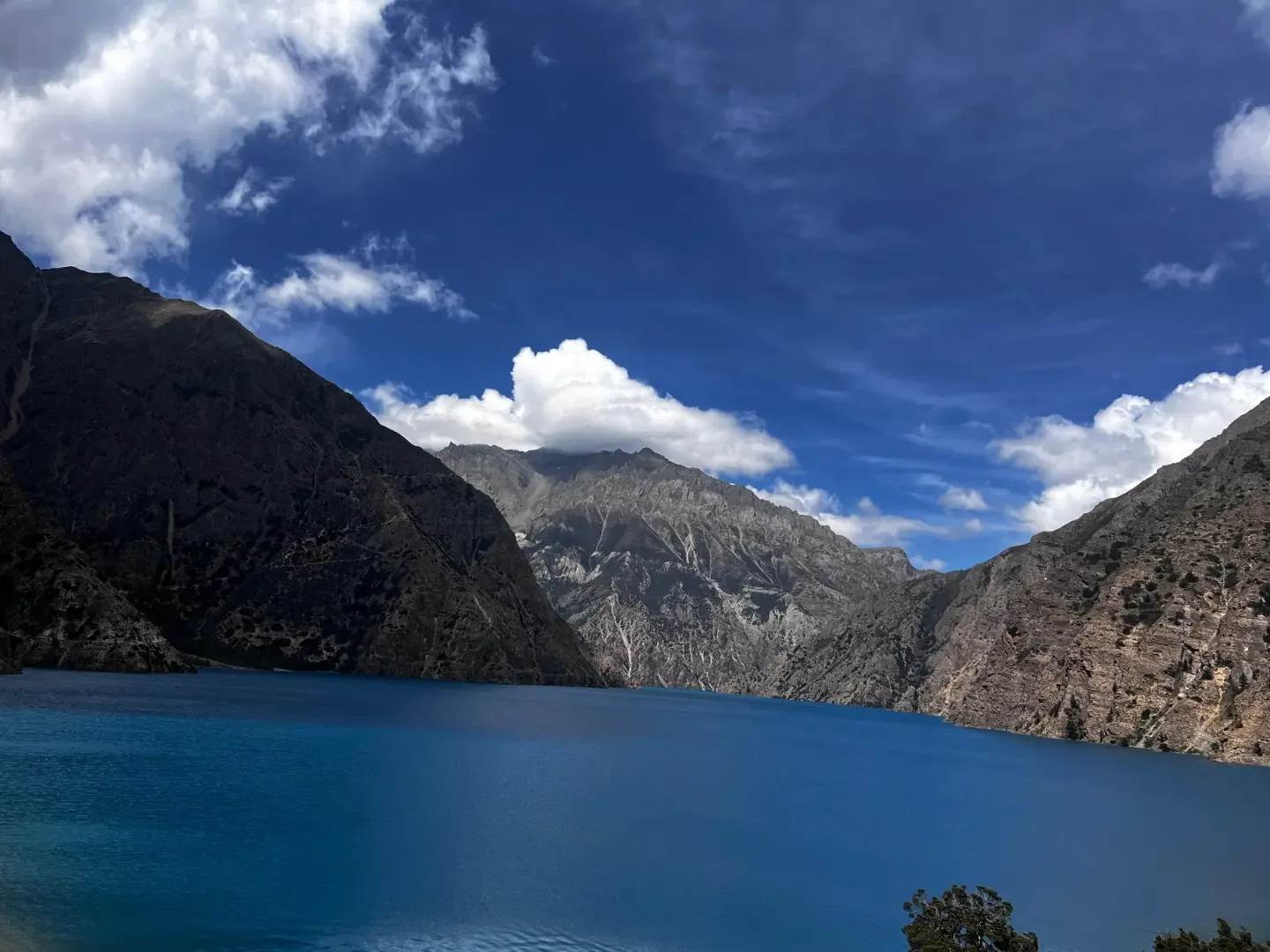
The Panch Pokhari Trek is one of central Nepal's best-kept secrets: a short, soulful walk to five sacred glacial lakes set in a high alpine bowl at around 4,100 metres, deep in the Sindhupalchowk district. "Panch Pokhari" simply means "five ponds", and for generations Hindu pilgrims have climbed here, especially during the Janai Purnima full-moon festival in August, to bathe in the holy water and honour Lord Shiva. We have been guiding in the Nepal Himalaya since 1998, and we send travellers here when they want the silence, the prayer flags and the raw mountain views without the crowds of the famous trails.
Why trek to Panch Pokhari
Most visitors to Nepal funnel onto the same handful of routes. Panch Pokhari is the antidote. It is one of the few high-altitude treks you can start within a half-day's drive of Kathmandu, yet you may walk for days without meeting another foreign trekker. The reward is a genuine wilderness pilgrimage: ridgeline camps, herders' pastures, rhododendron and oak forest, and a sacred lake basin ringed by the Jugal and Langtang ranges. If you have already done a teahouse classic and want something wilder and more spiritual, this is the trek. For a sense of how it sits against the headline routes, see our best treks in Nepal overview and the side-by-side Nepal trek comparison.
What makes it special
Three things set Panch Pokhari apart. First, the lakes themselves: five interlinked pools, often partly frozen in the shoulder seasons, with a small shrine and shelter used by pilgrims. Second, the panorama. On a clear morning the horizon fills with Dorje Lakpa (6,966m), Phurbi Chhyachu (6,658m) and the wider Jugal Himal, with Langtang's peaks beyond. Third, the cultural texture of the lower trail, where Tamang and other hill communities farm terraced slopes much as they have for centuries. It is a trek where the journey and the destination carry equal weight.
Route and itinerary overview
The trek begins with a road journey, not a flight. From Kathmandu you drive five to six hours to Chautara (around 1,450m), the district headquarters of Sindhupalchowk, then continue or begin walking from a roadhead near Phurse or Bhotang.
- Days 1–2: drive to Chautara and trek through traditional hill villages and mixed pine, oak and rhododendron forest, climbing steadily toward Kami Kharka (around 2,845m).
- Days 3–4: ascend via Pauwa Bas and Hile Bhanjyang (roughly 3,000–3,400m) as the forest thins into open ridges and high summer pasture.
- Days 5–6: push up to Nasim Pati (around 3,700m), the last sheltered camp, then make the climb to Panch Pokhari (4,100m) for sunrise over the lakes and the Jugal Himal.
- Days 7–8: descend by the same route or an alternative ridge line back to the roadhead and drive to Kathmandu.
Day counts vary with your starting roadhead and pace; our guided itinerary runs eight days on foot. See the full plan on our Panch Pokhari Trek 8-day tour page.
Difficulty and fitness
We rate Panch Pokhari moderate to challenging. The total altitude is lower than Everest Base Camp, but the trail is steep, remote and far less developed, with long climbing days and few facilities to fall back on. You should be comfortable walking six to seven hours a day on rough ground, including some sustained ascents. No technical climbing skills are needed. If you can complete a fit hill-walking week at home, you can do this with sensible preparation. Because services are sparse, self-sufficiency and a steady guided pace matter more here than on the busy commercial trails.
Permits and 2026 cost
Good news: Panch Pokhari is not a restricted area, so there is no special restricted-area permit and no two-person minimum rule. The trek lies within Langtang National Park, so you need two documents:
- Langtang National Park entry permit: NPR 3,000 for foreign nationals (around USD 27), inclusive of VAT, valid up to one month. SAARC nationals pay less.
- TIMS card (Trekkers' Information Management System): arranged through a registered trekking agency, typically NPR 1,000 for foreign nationals and NPR 300 for SAARC nationals.
Permits are issued in Kathmandu (Nepal Tourism Board) or at park entry points. For the wider picture, read our Nepal trekking permits 2026 guide and the permits hub; if you want to know which trails genuinely require special permits, our restricted areas guide spells it out. As a full guided package, budget roughly USD 650–950 per person depending on group size and inclusions; you can model your own numbers with our Nepal trek cost calculator.
Best time to trek
The two reliable windows are spring (April to June) and autumn (September to November). Autumn brings the clearest skies and the crispest mountain views after the monsoon; spring adds blooming rhododendron on the lower forest sections. Winter is cold and the upper basin can be snowbound, while the summer monsoon brings leeches, slippery trails and cloud, though it is also when pilgrims arrive for Janai Purnima. For a month-by-month breakdown across the country, see our best time to trek Nepal in 2026 guide.
How to get there
There is no airstrip on this route, which is part of its charm and its accessibility. You travel entirely by road: a private vehicle or local bus from Kathmandu to Chautara, then onward to the roadhead. The drive takes about five to six hours on a mix of sealed and rough hill roads. This makes Panch Pokhari one of the cheapest high treks to reach, with no domestic flight cost or weather-delay risk that affects routes like Everest. We arrange comfortable private transfers as standard so your trek time is not eaten up by bus schedules.
Accommodation: teahouse versus camping
This is the key practical difference from the mainstream trails. Panch Pokhari has only very basic teahouses and homestays on the lower sections, and almost no lodge infrastructure up high. Above the last villages we run it as a camping trek: our crew carries tents, kitchen gear and supplies, and cooks fresh meals at camp. This is the traditional Himalayan expedition style, and it is what lets you reach the lakes in comfort and safety. Travellers used to ordering off a teahouse menu should come expecting a more self-contained, wilderness experience.
Packing essentials
Because nights at 3,700–4,100m are genuinely cold and resupply is limited, pack thoroughly. Bring a warm sleeping bag rated to at least minus 10°C, solid waterproof boots already broken in, layered insulation including a down jacket, sun protection, a headtorch and a personal first-aid kit. Water purification is essential as treated water is not always available. Our full Nepal trekking packing list covers everything in detail, with notes for colder, remote treks like this one.
Who it is for, and how it compares
Panch Pokhari suits trekkers who already have some hill or altitude experience and want solitude, culture and a sacred destination rather than mountain-celebrity status. If your priority is teahouse comfort and meeting fellow travellers, the nearby Langtang valley is a gentler, more serviced introduction to the same corner of Nepal. If you love remote, lake-focused pilgrimages and crave true wilderness, you will also enjoy our Rara Lake trek in the far west. Panch Pokhari sits between the two: short and accessible like Langtang, but wild and camping-based like the deep west.
Altitude and safety
At 4,100m, altitude is a real consideration even on a short trek. Because the ascent is relatively quick, we build in a sensible pace and watch every member of the group for symptoms of acute mountain sickness. Drink plenty of water, avoid alcohol, and tell your guide immediately if you feel a persistent headache, nausea or dizziness. The golden rule is to descend if symptoms worsen. The route's remoteness means there are no quick rescue options, so prevention and a measured climb are everything. Read our detailed guide to altitude sickness prevention and treatment before you go.
Do I need a special permit for the Panch Pokhari Trek?
No. Panch Pokhari is not a restricted area. You need a Langtang National Park entry permit (NPR 3,000 for foreigners) and a TIMS card, both straightforward to arrange through a registered agency in Kathmandu.
How high is Panch Pokhari and how hard is the trek?
The five lakes sit at around 4,100m. We rate the trek moderate to challenging: lower than Everest Base Camp in altitude, but steep, remote and camping-based, with long days of six to seven hours of walking.
How do I get to the trailhead?
By road. You drive about five to six hours from Kathmandu to Chautara in Sindhupalchowk, then continue to the roadhead. There are no flights involved, which keeps the cost and weather risk low.
When is the best time to do this trek?
Spring (April to June) and autumn (September to November) are best, with stable weather and clear Jugal Himal views. The August Janai Purnima festival draws Hindu pilgrims but falls in the wetter monsoon season.
Is it teahouse or camping?
Mostly camping. There are basic teahouses and homestays low down, but above the villages there is little lodge infrastructure, so we run it as a supported camping trek with a full crew, tents and a cook.
How much does the Panch Pokhari Trek cost in 2026?
As a fully guided, camping-supported package, budget roughly USD 650–950 per person depending on group size and inclusions. You can estimate your own figure with our Nepal trek cost calculator.


Private departures on any date, hand-picked NMA guides, and 25+ years on the trail. Tell us your dates — we usually reply within a few hours.
Browse all treks & tours →
Written by
Travel Himalaya NepalPokhara-based, NMA-certified trekking guides. We’ve led 5,000+ treks across the Annapurna and Everest regions since 1998 — every word here comes from the trail. More from this author →
Share this article
Ready to Trek?
From reading about it to standing on it
Our Pokhara-based guides have been doing this since 1998. Tell us your dates and fitness level — we'll build your perfect itinerary. Free, no obligation.
Why trek with our licensed agencyMore guides like this
Popular trips to consider
View all treks & toursFree Trekker’s Insider Guide
Permits, packing lists, cost breakdowns — no fluff.
We send one useful email. You can unsubscribe anytime.