
The short version
A 2026 guide to the Panchase Trek near Pokhara: ~2,517m hill, Annapurna and Dhaulagiri views, permits, cost, itinerary and tips for beginners.
- One of the easiest treks in Nepal — gentle gradients, low altitude and a 4-day window make Panchase ideal for beginners, families and short-on-time travellers.
- A genuine Himalayan panorama without the crowds — Annapurna, Dhaulagiri, Machhapuchhre and Manaslu line the skyline from a quiet ridge just southwest of Pokhara.
- Permits are simple and affordable — an ACAP (NPR 3,000 for foreigners) plus a TIMS card (NPR 2,000 individual / NPR 1,000 in a group), both arranged in Pokhara.
- Rich nature, not just mountains — Panchase is a recognised biodiversity hotspot with over 600 plant species, around 118 orchids and 250-plus birds.
The Panchase Trek is, in our honest opinion, the most underrated short walk in the Annapurna region. Sitting just southwest of Pokhara above Phewa Lake, it climbs through terraced farmland, oak and rhododendron forest to the sacred ridge of Panchase Hill at roughly 2,517 metres — and rewards you with a sweep of 8,000-metre giants that most visitors only see from a plane window. We have guided this trail since the early days of our company in Pokhara, and we still send first-time trekkers, families and travellers with only a few spare days here before anything bigger. This guide covers everything you need to plan a Panchase trek in 2026.


Why trek Panchase?
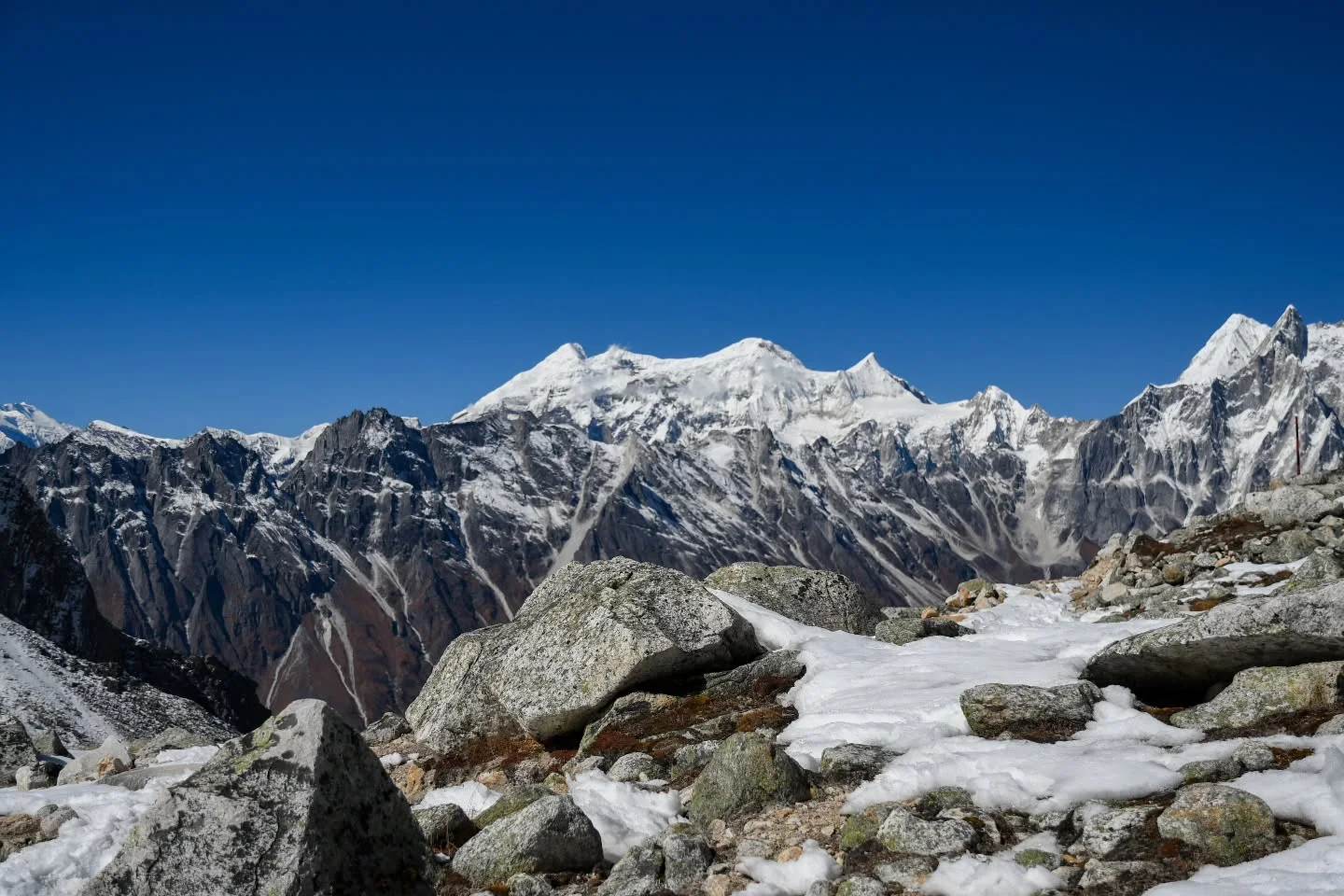
Panchase punches far above its modest altitude. From the small shrine and viewtower on top you look out over Annapurna I (8,091m), Annapurna South, Machhapuchhre — the unmistakable "Fishtail" — Dhaulagiri (8,167m) and, on a clear morning, Manaslu (8,163m) to the east. Because the hill stands apart from the main range, the peaks form a near-continuous wall rather than a single summit. Below you, Phewa Lake and the city of Pokhara glint in the valley. Unlike the busy Annapurna Base Camp or Poon Hill trails, you will often have the ridge almost to yourself, sharing the path mainly with local farmers and the occasional pilgrim. If you want the classic Annapurna experience in miniature — big views, warm villages, forest trails — without two weeks of walking, this is it.
Route and itinerary overview
Panchase is a loop-style ridge walk usually done over four days, beginning and ending within easy reach of Pokhara. There is no single fixed route — local operators start from the Kande/Bhadaure side or from the Bhumdi/Peace Pagoda side, which keeps the trek flexible. A typical four-day shape looks like this:
- Day 1: Drive from Pokhara to the trailhead (Kande or Bhadaure side) and walk a few gentle hours through farmland and forest to a village teahouse.
- Days 2–3: Climb steadily to Panchase Bhanjyang and up to Panchase Hill for sunrise on the peaks, then descend through dense oak and rhododendron forest toward Bhumdi.
- Day 4: A short morning descent and a drive (or boat across Phewa Lake) back into Pokhara.
We avoid publishing a rigid hour-by-hour schedule because the trek is easily shortened to three days or stretched with a night near the World Peace Pagoda. Your guide will set the daily pace to suit your group.
Difficulty and fitness
Panchase is graded Easy to Moderate. Daily walking is usually three to five hours on well-defined trails, with one sustained climb to the ridge and a longer forest descent. There are stone steps and a few steep sections, but nothing technical and no exposure. If you can manage a full day of hill walking at home, you will be comfortable here. It is one of the few Himalayan treks we genuinely recommend to absolute beginners — see our Nepal trekking for beginners guide for how to prepare. A little cardio in the weeks beforehand and well-worn footwear make the whole experience more enjoyable.
Permits and 2026 cost
Panchase lies inside the Annapurna Conservation Area, so you need two documents, both easily arranged in Pokhara:
- ACAP (Annapurna Conservation Area Permit): NPR 3,000 for foreign nationals (NPR 1,000 for SAARC nationals).
- TIMS card: NPR 2,000 for independent trekkers, or NPR 1,000 per person when trekking in an organised group.
That puts compulsory permit costs at roughly NPR 4,000–5,000 per person. You can obtain both at the Nepal Tourism Board office in Pokhara; bring your passport and a couple of passport photos. Permit rules and fees do change, so always confirm the current figures — our up-to-date Nepal trekking permits 2026 guide and the wider permits hub track the latest rates. For a full trip budget including guide, transport and teahouses, try our trek cost calculator.
Best time to trek Panchase
The two peak windows are autumn (October–November) and spring (March–April). Autumn delivers the clearest skies and sharpest mountain views after the monsoon, with crisp, settled weather. Spring trades a little haze for the spectacle of rhododendron and orchid bloom across the forested slopes — Panchase is famous for its orchids. Winter (December–February) is perfectly walkable thanks to the low altitude, though mornings are cold and the odd cloudy spell can hide the peaks. We avoid the June–September monsoon, when leeches and slippery trails take the shine off. For a month-by-month breakdown across the country, see our best time to trek Nepal guide.
How to get there
Everything begins in Pokhara, a 25-minute flight or a six-to-seven-hour drive from Kathmandu. From Pokhara, the trailheads are remarkably close — a 45-minute to one-hour drive to the Kande or Bhadaure side, or a short hop to Bhumdi near the World Peace Pagoda. A lovely option is to take a boat across Phewa Lake and walk up via the Peace Pagoda to join the trail. This proximity is a big part of Panchase's appeal: there is no long approach, so you spend your time walking rather than travelling. New to Nepal? Sort your entry first with our Nepal visa guide.
Accommodation: teahouse vs camping
Panchase is a teahouse trek. Locals run simple lodges, teahouses and family homestays at the main villages along the ridge, including a welcoming stop at Panchase Bhanjyang. Expect modest twin rooms, shared bathrooms and hearty home-cooked dal bhat — the experience is more rustic and authentic than the bigger Annapurna trails, which is exactly why we love it. Because facilities are basic and rooms limited in places, we book ahead in peak season. Camping is possible for groups wanting more flexibility or a self-contained experience, and we can arrange a fully supported camp where you prefer it, but for most trekkers the homestays are part of the charm.
What to pack
Panchase needs no specialist mountaineering gear, but pack for variable hill weather. The essentials: broken-in walking boots, layers (a fleece and a light down or insulated jacket for chilly mornings on the ridge), a waterproof shell, sun hat and high-factor sunscreen, a refillable water bottle with purification, and a small daypack. A head torch is useful for the pre-dawn start to catch sunrise on the peaks. Mornings can be genuinely cold even when afternoons are mild, so warmth matters more than people expect. Our full Nepal trekking packing list covers everything in detail.
Who it's for — and how it compares
Panchase is made for beginners, families with children, older travellers and anyone short on time who still wants real Himalayan views. Compared with the famous Poon Hill trek, Panchase is quieter and feels more local, with a similar payoff of dawn light on the Annapurnas. Against Annapurna Base Camp, it is far shorter, lower and easier — a perfect warm-up or standalone trip rather than a major expedition. If you are weighing your options, our short treks collection and Annapurna region guide set Panchase in context, and you can book our curated 4-day Panchase Trek directly.
Altitude and safety
At roughly 2,517 metres, Panchase sits well below the threshold where altitude sickness becomes a serious concern, which is one reason it suits first-timers so well. You are very unlikely to feel any altitude effects on this trek. The main things to manage are simple: stay hydrated, take the forest descents steadily as they can be slippery after rain, and start early to enjoy the clearest views before the midday haze. We still recommend trekking with a licensed local guide — for trail safety, weather judgement and the cultural and natural detail that brings Panchase alive. Our guide-or-not explainer covers the current rules, and you can read more about altitude in our altitude sickness guide.
How long is the Panchase Trek?
Most people do Panchase as a 4-day trek from Pokhara, with about three to five hours of walking each day. It is easily shortened to three days or extended with an extra night near the World Peace Pagoda.
Is the Panchase Trek suitable for beginners?
Yes. Graded Easy to Moderate, with a maximum height of around 2,517m and no technical sections, Panchase is one of the best treks in Nepal for beginners, families and travellers with limited time.
What permits do I need for the Panchase Trek?
You need an ACAP (NPR 3,000 for foreigners) and a TIMS card (NPR 2,000 independent, or NPR 1,000 in a group). Both are arranged in Pokhara with your passport and photos. Always confirm current fees before you travel.
What mountains can you see from Panchase Hill?
On a clear day you see Annapurna I and Annapurna South, Machhapuchhre (Fishtail), Dhaulagiri and, to the east, Manaslu — a near-continuous wall of Himalayan peaks above Phewa Lake and Pokhara.
When is the best time to trek Panchase?
October–November offers the clearest mountain views, while March–April brings rhododendron and orchid blooms. Winter is walkable but cold in the mornings; we avoid the June–September monsoon.
Do I need to worry about altitude sickness on Panchase?
No. At around 2,517m, Panchase is well below the altitude where sickness is a concern, so it is very unlikely to affect you. Just stay hydrated and take the forest descents carefully.
Private Pokhara departures on any date, hand-picked NMA guides, and 25+ years on these trails. Tell us your dates — we usually reply within a few hours.
Browse Pokhara treks & tours →
Written by
Travel Himalaya NepalPokhara-based, NMA-certified trekking guides. We’ve led 5,000+ treks across the Annapurna and Everest regions since 1998 — every word here comes from the trail. More from this author →
Share this article
Ready to Trek?
From reading about it to standing on it
Our Pokhara-based guides have been doing this since 1998. Tell us your dates and fitness level — we'll build your perfect itinerary. Free, no obligation.
Why trek with our licensed agencyMore guides like this
Popular trips to consider
Free Trekker’s Insider Guide
Permits, packing lists, cost breakdowns — no fluff.
We send one useful email. You can unsubscribe anytime.