The short version
The Royal Trek is an easy 4-day cultural walk east of Pokhara — Gurung villages, Annapurna views and Begnas Lake. Full 2026 guide, permits and costs.
- One of Nepal's easiest treks — three short walking days on gentle ridge trails just east of Pokhara, with no high passes and a top point of only about 1,730m.
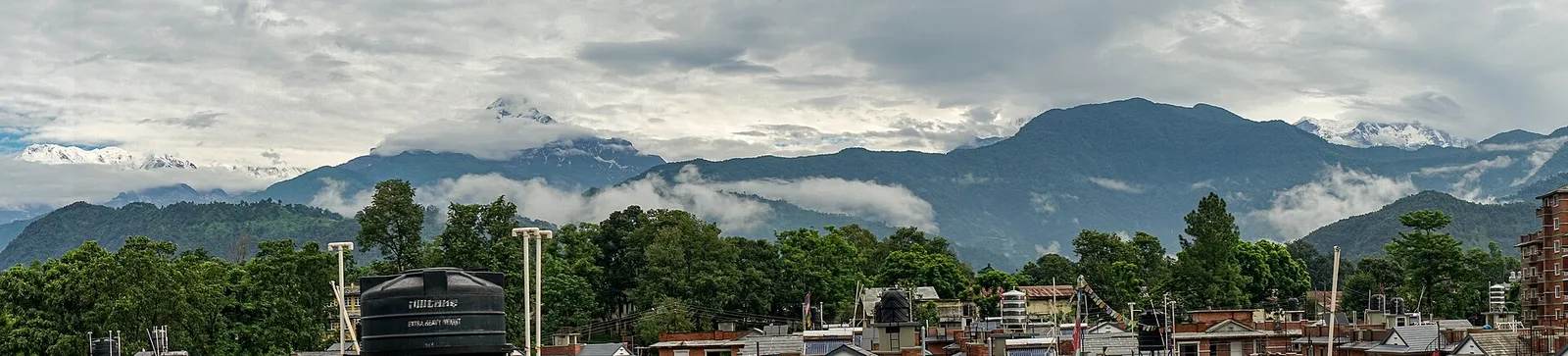
- Big mountains, low effort — sweeping views of the Annapurna range, Machhapuchhre (Fishtail), Lamjung Himal and even Manaslu, without the altitude risk of the famous high routes.
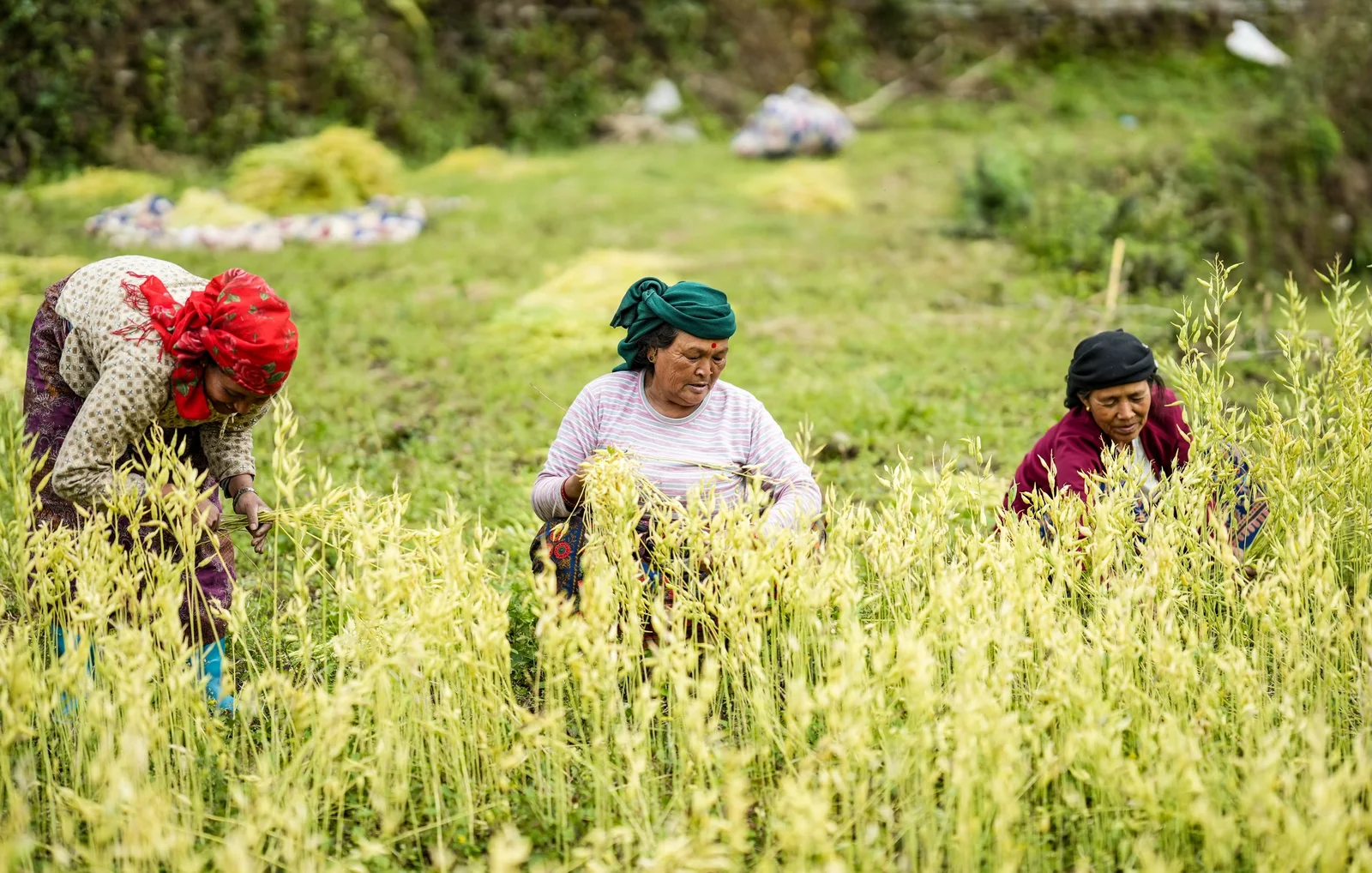
- Genuine culture — you walk through working Gurung, Magar and Brahmin farming villages rather than a tourist trail, finishing near peaceful Begnas Lake.
- Permits are required — the route lies inside the Annapurna Conservation Area, so an ACAP (NPR 3,000) plus a TIMS card (NPR 2,000) are needed even though it is short and low.
The Royal Trek is the trek we recommend most often to first-timers, families and travellers who are short on time but still want the real Nepal. It is a gentle three-to-four day walk along the ridges immediately east of Pokhara, in the Kaski district, and it earned its name after Prince Charles (now King Charles III) and his party walked the route in the 1980s. Since then it has stayed quietly off the mass-tourism radar — which is exactly its charm. As a Pokhara-based operator running this trail since 1998, we think of it as the perfect "gateway" trek: enough mountain drama and village life to feel like a proper Himalayan journey, without the grind of high altitude.



Why trek the Royal Trek?
Most people come to the Annapurna region for Poon Hill or Annapurna Base Camp, and rightly so. But those routes mean longer days, more climbing and, for ABC, real altitude. The Royal Trek gives you a remarkably high reward-to-effort ratio. You spend your days strolling between hilltop villages with the Annapurna massif, Machhapuchhre, Lamjung Himal and Manaslu filling the northern horizon, then drop into terraced farmland and quiet forest. There are no crowds, no queues at viewpoints, and no rush. For anyone nervous about whether they are "fit enough" for Nepal, this is the trek that builds confidence — see our wider notes on trekking in Nepal for beginners.
Route & itinerary overview
The classic Royal Trek is a point-to-point ridge walk that starts a short drive from Pokhara and finishes near Begnas Lake. Day 1 typically begins around Bijayapur or Kalikasthan and climbs gently to the village of Kalikasthan for the first big sunset over the Annapurnas. Days 1–3 then traverse a string of villages — Syaklung (the high point at roughly 1,730m), Chisapani and Mohoriya among them — along broad, well-graded trails with very little steep climbing. The final day descends to the shore of Begnas Lake, where a short drive returns you to Pokhara. Because it is so flexible, we also run it as a relaxed 3-day version or stretch it with extra village nights; see how it sits against other options on our short treks in Nepal page and the official Royal Trek 4-day tour.
Difficulty & fitness
This is genuinely an easy trek by Nepal standards. Walking days are short — usually four to five hours — and the terrain is rolling ridge and farmland rather than relentless stone steps. There are no high passes and no exposure. Anyone in reasonable everyday health who can manage a few hours of walking can complete it, including children and older travellers. We still recommend a little preparation: some regular walks in the weeks before you arrive will let you enjoy the views rather than watch your feet. If you want a sense of where it ranks, compare it on our Nepal trek comparison.
Permits & 2026 cost
Here is a point that often confuses people: although the Royal Trek is short and low, its trails lie inside the Annapurna Conservation Area. That means the Annapurna Conservation Area Permit (ACAP) is required, the same as for Poon Hill or ABC. For 2026 the fees are:
- ACAP: NPR 3,000 for foreign nationals (NPR 1,000 for SAARC nationals).
- TIMS card: NPR 2,000 for independent foreign trekkers (NPR 1,000 each for foreigners trekking as a group through an agency).
Both can be arranged in Pokhara or Kathmandu, and we handle them for our guests. As a rough all-in guide, a fully guided 4-day Royal Trek — guide, transport to and from the trailhead, teahouse accommodation, meals and permits — typically runs around US$250–450 per person depending on group size and standard. For the bigger picture, see our ACAP & TIMS permit guide and the Nepal trekking permits 2026 guide.
Best time to go
The prime seasons are autumn (October–November) and spring (March–April), when skies are clearest and the mountain views are at their sharpest. The Royal Trek's great advantage is that its low altitude makes it walkable almost year-round. Winter (December–February) is cold but clear and very quiet, and even the monsoon months are manageable here because the trail is short and the elevation low — though the high peaks may hide behind cloud. For a full month-by-month breakdown, read the best time to trek Nepal in 2026 and our hub on the best time to trek Nepal.
How to get there
Everything starts in Pokhara, a 25-minute flight or roughly 6–7 hour scenic drive from Kathmandu. From Pokhara the trailhead is only a short drive — around 30–45 minutes east towards Bijayapur or Kalikasthan. At the end of the walk, Begnas Lake is a similarly short transfer back into town. This easy access is part of why the Royal Trek works so well as an add-on to a Pokhara stay or as a gentle first leg before a bigger journey in the Annapurna region.
Accommodation: teahouse vs camping
Because the Royal Trek passes through inhabited villages, it can be done as a teahouse trek, staying in simple family-run lodges and homestays along the ridge. Rooms are basic — clean bedding, shared bathrooms, hearty dal bhat — but the warmth of the hosts is the highlight. Historically the route was often run as a camping trek, and some operators still offer that for a more wilderness feel and total flexibility on stopping points. We usually arrange comfortable teahouse and homestay nights so guests eat with local families, but we are happy to set up a supported camping version for groups who prefer it.
Packing for the Royal Trek
You travel light here. Layers are key — warm mornings and evenings can still be cool on the ridges, especially in winter — so pack a fleece or light down, a windproof layer and a light waterproof. Good broken-in trail shoes or light boots, a sun hat, sunscreen, a refillable water bottle with purification, and a small daypack cover the essentials. You will not need technical gear, crampons or a heavy expedition kit. Our full Nepal trekking packing list covers everything; for an easy trek like this you can comfortably leave the heavier items at home.
Who it's for — and how it compares
The Royal Trek is ideal for beginners, families with children, older travellers, and anyone wanting big Himalayan scenery without altitude or long days. If you have only a few days in Nepal, or you want to test your legs before committing to something bigger, this is the one. Compared with the classic Poon Hill circuit it is shorter, quieter and lower; compared with Annapurna Base Camp it carries none of the altitude risk. The trade-off is that you never get truly close to the high peaks — you admire them from comfortable ridge-top distance. For many travellers, especially first-timers, that is exactly the right balance.
Altitude & safety
At a maximum of around 1,730m, altitude sickness is essentially not a concern on the Royal Trek — you stay well below the elevations where acute mountain sickness becomes a risk. That is one of its biggest selling points for nervous or first-time trekkers. The main things to manage are everyday trail safety: sensible footwear on a few steeper descents, sun protection on the open ridges, and staying hydrated. We still send a licensed local guide who knows the families and the trail intimately. If you are curious about how altitude works on higher Nepal routes, our guide to altitude sickness prevention and treatment is worth a read before any bigger trek.
Do I really need a permit for such an easy, low trek?
Yes. The Royal Trek runs inside the Annapurna Conservation Area, so an ACAP (NPR 3,000 for foreigners) is required regardless of how short or low the route is, along with a TIMS card (NPR 2,000 for independent foreign trekkers). We arrange both for our guests in Pokhara.
How fit do I need to be?
Not very. Walking days are short — around four to five hours on gentle ridge and farmland trails with no high passes. Anyone in reasonable everyday health, including children and older travellers, can complete it comfortably. A few practice walks beforehand simply let you enjoy the views more.
How many days does the Royal Trek take?
The classic version is four days with three walking days, starting near Pokhara and finishing at Begnas Lake. It can be shortened to three days or extended with extra village nights, which makes it easy to fit around the rest of your trip.
What mountains will I see?
On clear days you get sweeping views of the Annapurna range, Machhapuchhre (Fishtail), Lamjung Himal and, weather permitting, Manaslu — all from comfortable ridge-top viewpoints rather than up at altitude.
Is it suitable for children and families?
Very much so. The low altitude, short days and village homestays make the Royal Trek one of the best family treks in Nepal. Children enjoy the farms and animals along the way, and there is no altitude risk to worry about.
When is the best time to do it?
Autumn (October–November) and spring (March–April) give the clearest mountain views. Because the trek is low, it is walkable nearly year-round, including the quiet winter months, though high peaks may be cloud-covered during the monsoon.
Private Pokhara departures on any date, hand-picked NMA guides, and 25+ years on these trails. Tell us your dates — we usually reply within a few hours.
Browse Pokhara treks & tours →
Written by
Travel Himalaya NepalPokhara-based, NMA-certified trekking guides. We’ve led 5,000+ treks across the Annapurna and Everest regions since 1998 — every word here comes from the trail. More from this author →
Share this article
Ready to Trek?
From reading about it to standing on it
Our Pokhara-based guides have been doing this since 1998. Tell us your dates and fitness level — we'll build your perfect itinerary. Free, no obligation.
Why trek with our licensed agencyMore guides like this
Popular trips to consider
Free Trekker’s Insider Guide
Permits, packing lists, cost breakdowns — no fluff.
We send one useful email. You can unsubscribe anytime.