
Can a Total Beginner Trek to Everest Base Camp? The Honest Answer
Yes — with zero climbing skills. But the thing that decides whether you make it isn't your fitness. It's something most first-timers completely underestimate.

At a glance
- Published
- TopicRecords & People
- ReportingOriginal, by our guides in Pokhara
- Treks coveredEverest Base Camp Trek — 14 Days, Ghorepani Poon Hill Trek — 4 Days
Almost every day, someone who has never trekked in their life emails us the same nervous question: “Be honest — can I actually do Everest Base Camp?” The honest answer is yes. But there is a catch, and it is not the one you are worried about.
The good news: it’s a walk, not a climb
Everest Base Camp requires no technical skills whatsoever — no ropes, no crampons, no climbing. If you can walk uphill for six to seven hours a day on a rough trail, carrying just a daypack (a porter takes the rest), you can physically do this trek. Thousands of complete beginners reach base camp every year. Age is barely a factor either; we have guided fit 70-year-olds and nervous 20-year-olds to the same spot.
The catch: it’s altitude, not fitness
Here is what first-timers get wrong. They train hard, arrive supremely fit — and then struggle, while a less-fit companion strolls up feeling fine. Why? Because the gate on Everest is not fitness, it is how your body handles thin air. At 5,364m there is roughly half the oxygen of sea level, and how well you acclimatise is largely down to going slowly, not to your gym numbers. Fitness makes the days more comfortable; it does not make you immune to altitude.
| Factor | How much it decides success |
|---|---|
| Acclimatisation (slow ascent, rest days) | The single biggest factor |
| General fitness & hill-walking | Important — for comfort and stamina |
| Mental grit (cold, long days) | Underrated — matters a lot |
| Technical climbing skill | Not needed at all |
How to prepare if you’re starting from zero
Give yourself three to six months. Build up long walks on hilly terrain with a daypack; add stairs, cardio and some leg strength. Do one or two multi-day hikes if you can, so you know how your body feels on day three. Then, on the trek itself, the golden rule: walk slowly and take every acclimatisation day. The people who fail are almost never the unfit ones — they are the ones who rushed.
The honest verdict
Can you do it?
If you are reasonably healthy, willing to train for a few months, and prepared to walk slowly and respect the altitude, a total beginner absolutely can trek to Everest Base Camp. The mountain does not reward the fittest; it rewards the most patient. Go with a good guide who watches your acclimatisation, and your odds are excellent.
Nervous about starting big? Many of our first-timers warm up on the gentle 4-day Ghorepani Poon Hill trek before committing. When you are ready, our 14-day Everest Base Camp trek is built around real acclimatisation days for exactly this reason. And read our honest take on whether the trek is dangerous.
Sources: high-altitude medicine consensus on acclimatisation; Travel Himalaya Nepal guiding experience across 5,000+ treks.
Cover photo: Arjay Neyra via Pexels (Pexels License).
Still running this season
Everest Base Camp Trek — 14 Days is running normally
NMA-certified local guides, transparent pricing, 5,000+ treks since 1998. Message us your dates and we'll sort the permits, lodges and logistics — reply within 24 hours, no obligation.

Popular Nepal treks
All treks →


Related coverage
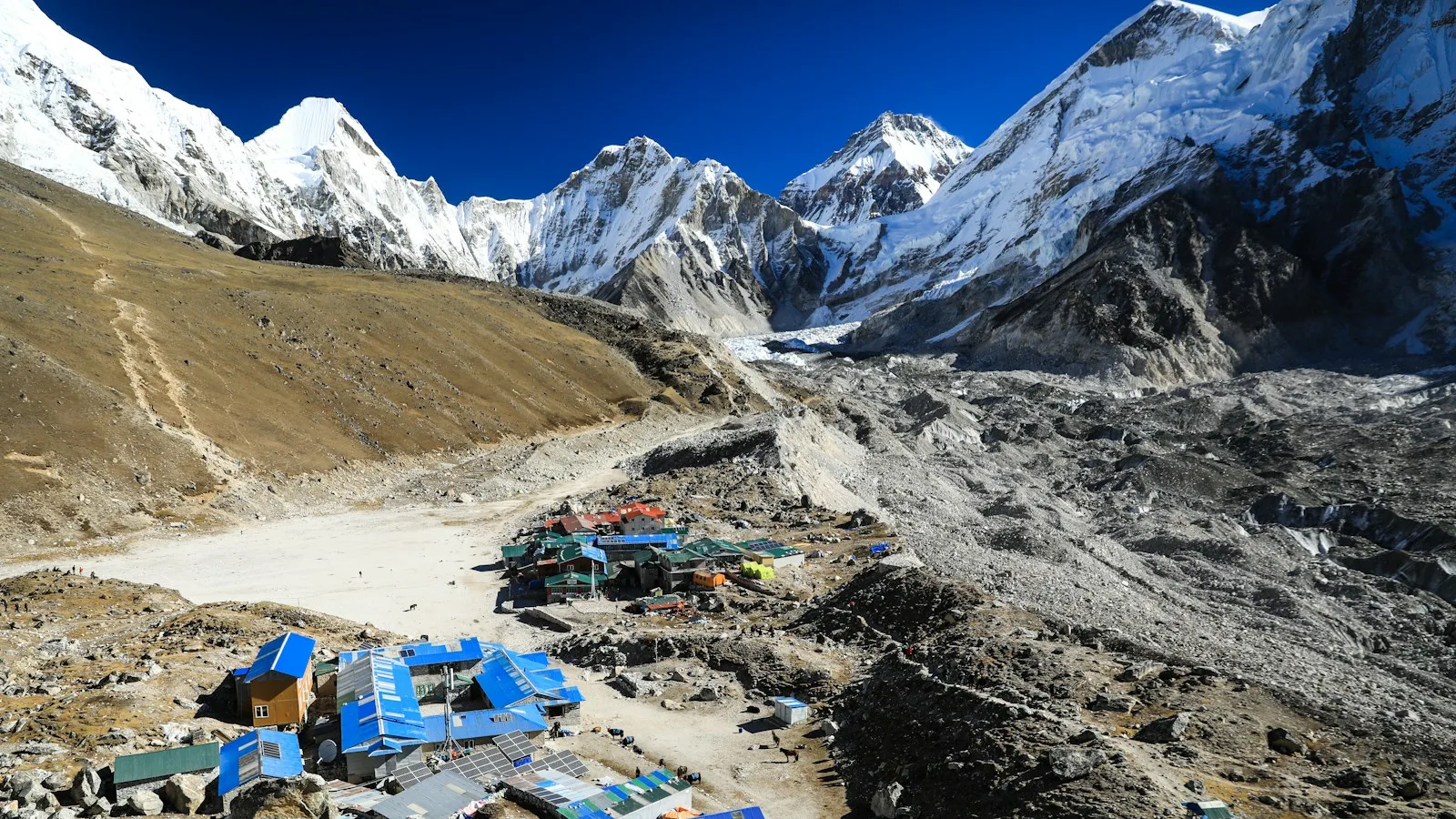
Safety & Advisories
Can a Beginner Do the Everest Base Camp Trek? The Honest Difficulty Answer (2026)
No mountaineering skills required — but altitude, not fitness, is what actually turns beginners back. Here is the real difficulty, by the numbers.
Industry & Tourism
Which Nepal Trek Should a Complete Beginner Actually Do in 2026? By Altitude, Days and Difficulty
Not Everest Base Camp. Here is the honest, altitude-by-altitude answer for first-time trekkers — and which famous routes to save for your second trip.
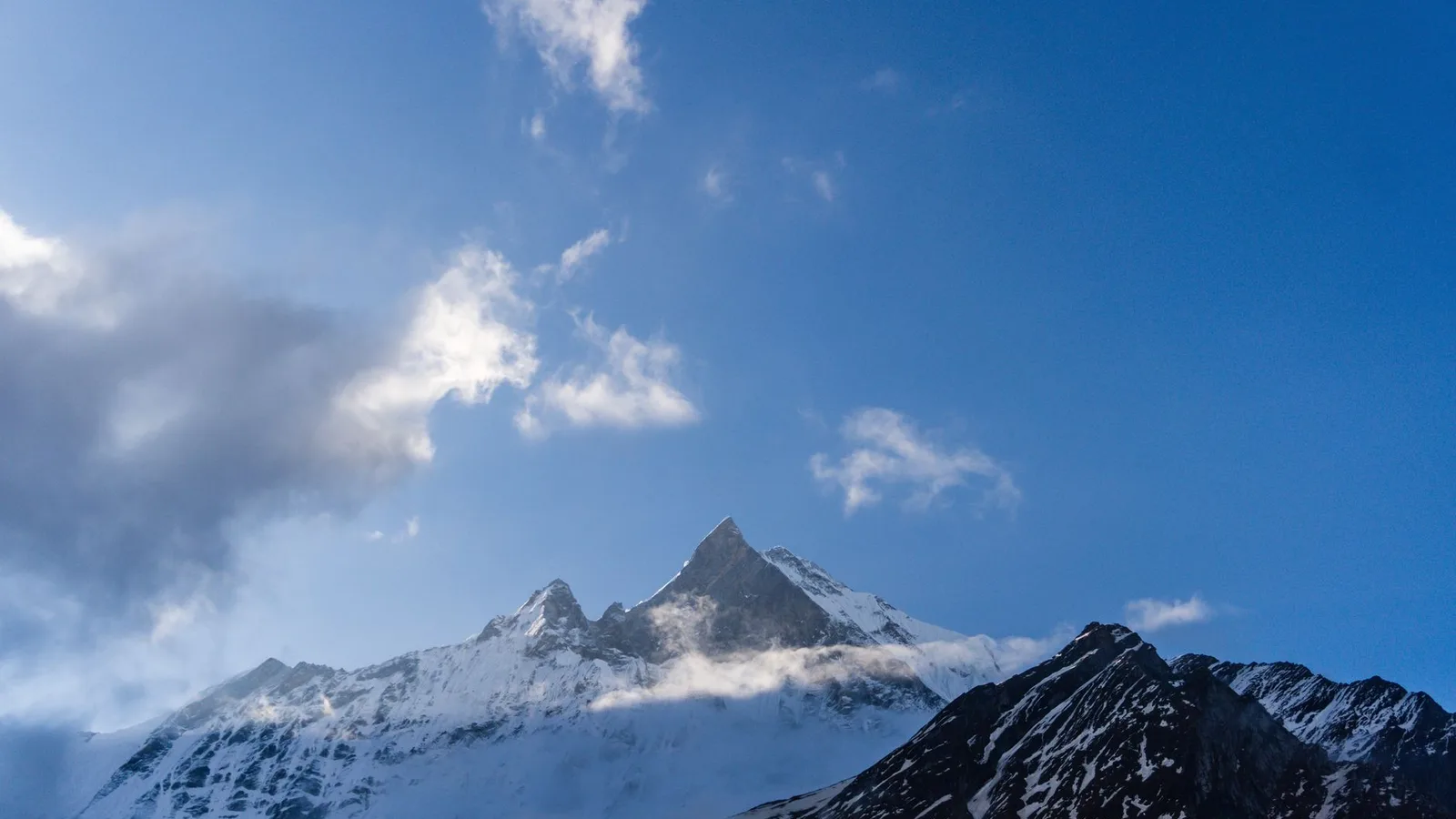
Industry & Tourism
Everest Base Camp or Annapurna Base Camp: Which Should You Actually Trek in 2026?
Both are sold as 'base camp treks' but they differ by 1,400 metres of altitude, a week of walking and a coin-flip mountain flight — here is how to pick the right one for your fitness, budget and time.
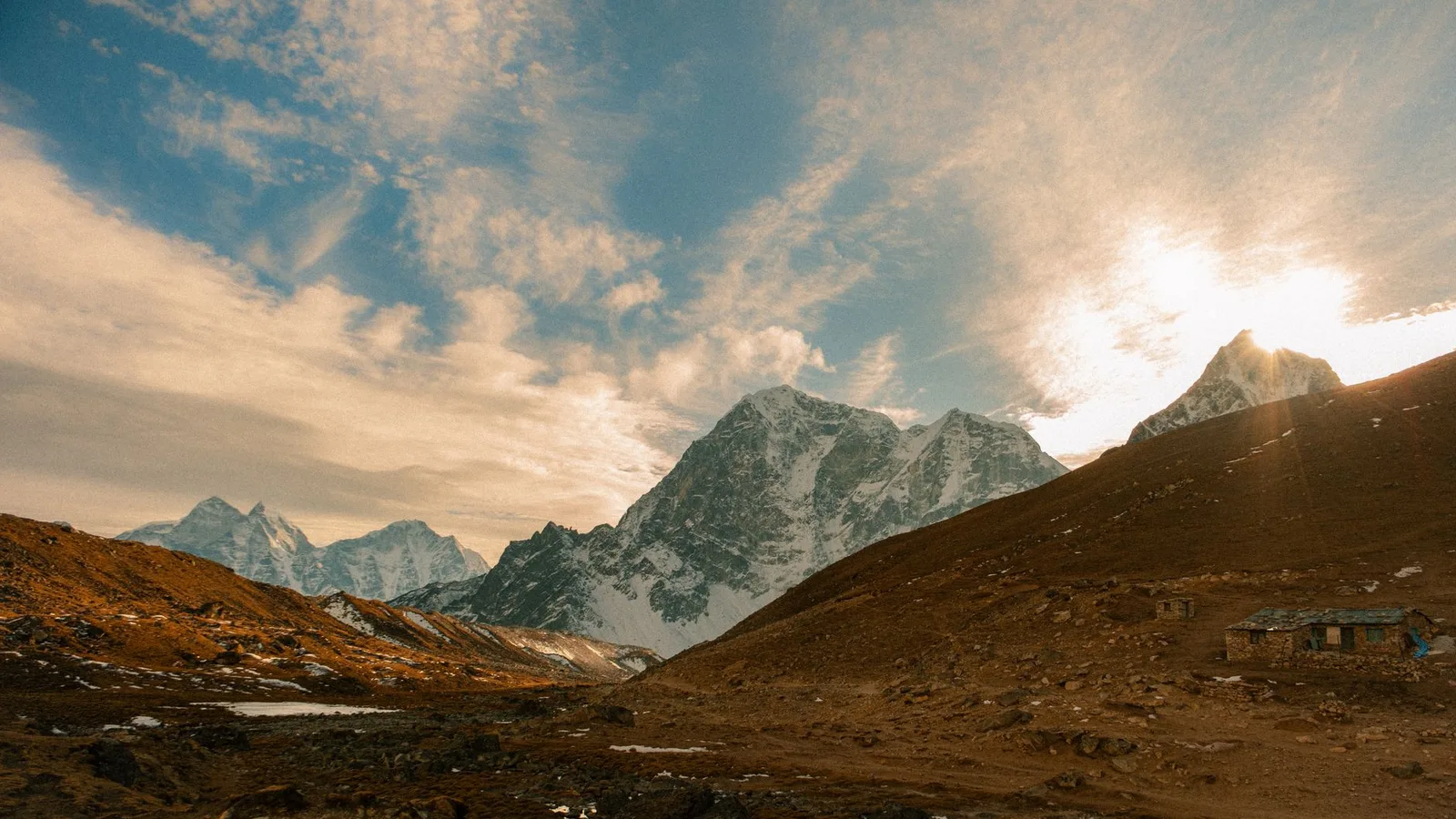
Safety & Advisories
How Many Days Do You Actually Need for Everest Base Camp? 10 vs 12 vs 14 vs 15-Day Itineraries
The honest answer, checked against Nepal's own altitude-medicine numbers — not against which itinerary sells fastest.
Latest from the desk

Records & People
Nepal's Rhinos Fell to Under 100 Animals. The Last Count Found 752.
The greater one-horned rhino nearly vanished from Nepal twice in living memory — and the same country then built one of Asia's strictest anti-poaching operations to bring it back.

Deals & Routes
Airline Alliances Explained in 2026: Star Alliance, oneworld and SkyTeam, and How to Pick Your Program
The three global airline alliances, what they really get you — miles, status, lounges and smoother connections — where the perks stop, and how to concentrate your miles in the right frequent-flyer program for Nepal-bound routings.
Gear & Tech
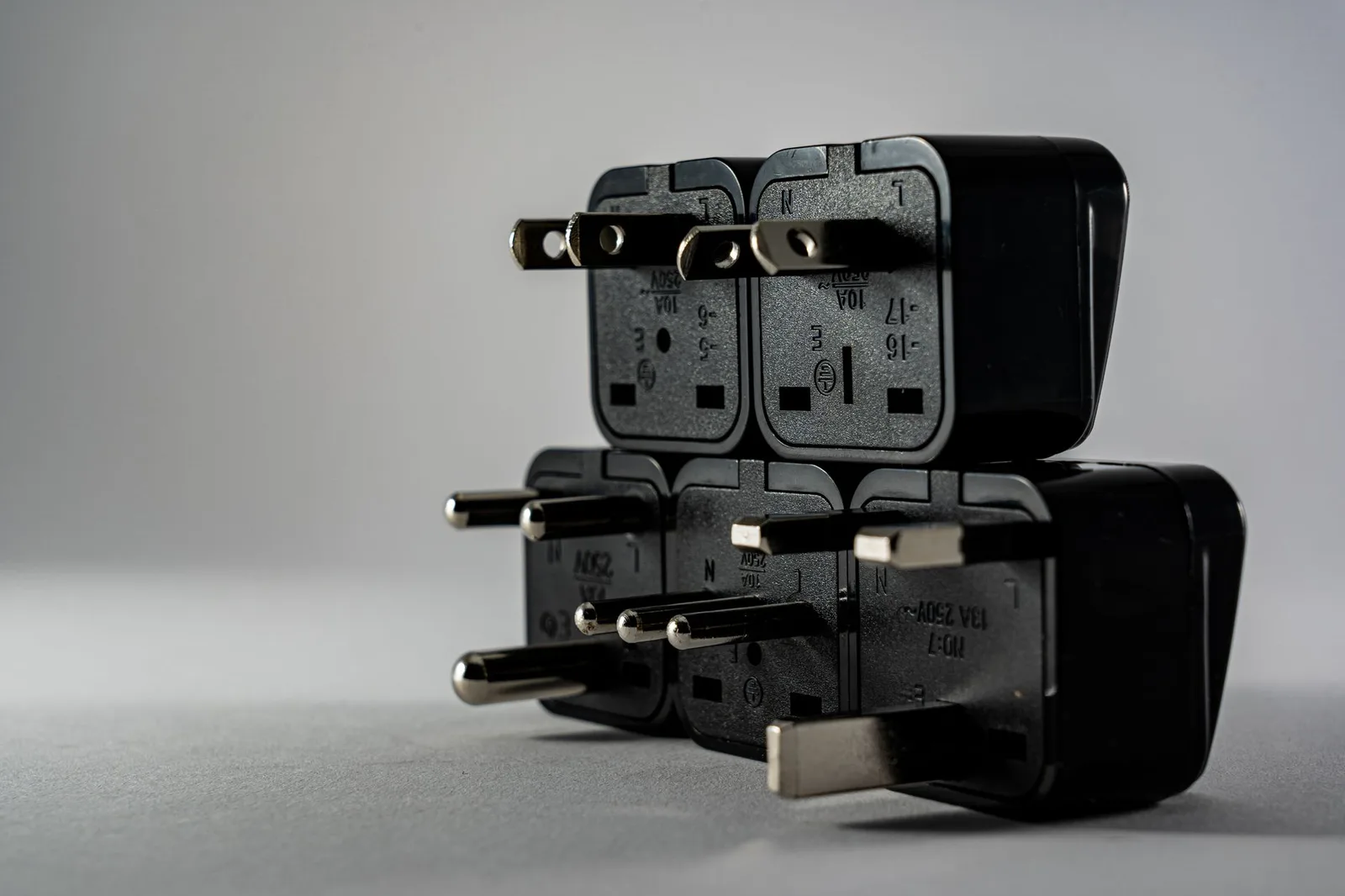
Travel Plug Adapters by Country in 2026: Plug Types, the Two Voltage Worlds, and Why an Adapter Is Not a Converter
A practical reference to the world's plug types (A/B, C/E/F, G, D/M, I), the ~120V vs ~230V split, and the one rule that saves your devices: an adapter reshapes the pins, it does not convert voltage.