
Breaking · Trail & Weather
Nepal Monsoon Right Now (Mid-July 2026): Where It's Raining — and What's Still Trekkable
It's peak monsoon. The honest, current status: active rain in the hills, a drier west, real flash-flood risk — and whole regions still bone-dry and open for trekking.

At a glance
- Published
- TopicTrail & Weather
- Verified againstDept. of Hydrology & Meteorology / ICIMOD
- Treks coveredAnnapurna Circuit Trek — Fly Jomsom 12 Days, Upper Mustang Trek — 12 Days
Mid-July 2026 status
- The monsoon is active across Nepal’s hills, with the heaviest rain in the central and eastern zones.
- The west (Lumbini, Karnali, Sudurpaschim) is running below-normal on rainfall.
- “Below-normal” is not safer — long dry spells then sudden bursts raise flash-flood and landslide risk.
- Rain-shadow regions — Upper Mustang and Dolpo — stay dry and fully trekkable.
It is peak monsoon, and the question filling our inbox is simple: “Is it even worth coming to Nepal right now?” Here is the honest, mid-July 2026 status from the ground and from the forecasters — where it is raining, where it is not, and what is still very much trekkable this week.
The current picture
Nepal’s Department of Hydrology and Meteorology reports the monsoon active across most hill areas, with rainfall concentrated in the central and eastern belts. The west — Lumbini, Karnali and Sudurpaschim — is drier than usual, part of a below-normal season forecast for that region. Warnings are current for Koshi, Bagmati, Gandaki and Lumbini provinces, where heavy bursts can trigger sudden river rises, landslides and urban flooding.
| Region | Status |
|---|---|
| Central & east (Bagmati, Koshi, Gandaki hills) | Active monsoon, near-to-above normal |
| West (Lumbini, Karnali, Sudurpaschim) | Below-normal rainfall |
| Rain-shadow (Upper Mustang, Dolpo) | Dry — trekkable |
The real risk: sudden bursts
Here is the counter-intuitive part every trekker should understand: a below-normal monsoon does not mean a safer one. Scientists at ICIMOD and Nepal’s forecasters describe the emerging pattern — longer dry spells punctuated by short, intense downpours — as more dangerous, because dry ground sheds sudden rain fast, spiking flash-flood and landslide risk on roads and in river valleys. The danger in the monsoon is rarely the steady rain; it is the sudden burst.
What’s still trekkable right now
Plenty. The Himalayan rain shadow is the monsoon trekker’s secret: north of the main range, Upper Mustang and Dolpo sit sheltered from the clouds and stay dry and clear through July and August — genuinely some of the best months to see them. Elsewhere, flying in (rather than driving) sidesteps the landslide-prone highways, and lower-elevation walks can work between bursts with a flexible itinerary.
What to avoid
If you’re travelling now
Skip long overland drives on landslide-prone highways, give river valleys a wide berth after heavy rain, and build buffer days into any plan — roads and domestic flights are the things that get disrupted, not the mountains themselves. Trek the rain-shadow, fly rather than drive, and stay flexible, and the monsoon is a wonderful, empty-trail time to be here.
Want to trek Nepal now, in the dry? The Upper Mustang trek is the classic monsoon-season choice, and the fly-in Jomsom route keeps you off the roads. For the season overview, see when the monsoon starts and ends and our monsoon road-conditions guide.
Sources: Nepal Department of Hydrology and Meteorology monsoon updates and ICIMOD Hindu Kush Himalaya flash-flood advisory, July 2026.
Cover photo: Ashok J Kshetri via Pexels (Pexels License).
Planning a trek?
Trek this route with us — Annapurna Circuit Trek — Fly Jomsom 12 Days
NMA-certified local guides, transparent pricing, 5,000+ treks since 1998. Message us your dates and we'll sort the permits, lodges and logistics — reply within 24 hours, no obligation.


Popular Nepal treks
All treks →


Related coverage
Breaking · Safety & Advisories
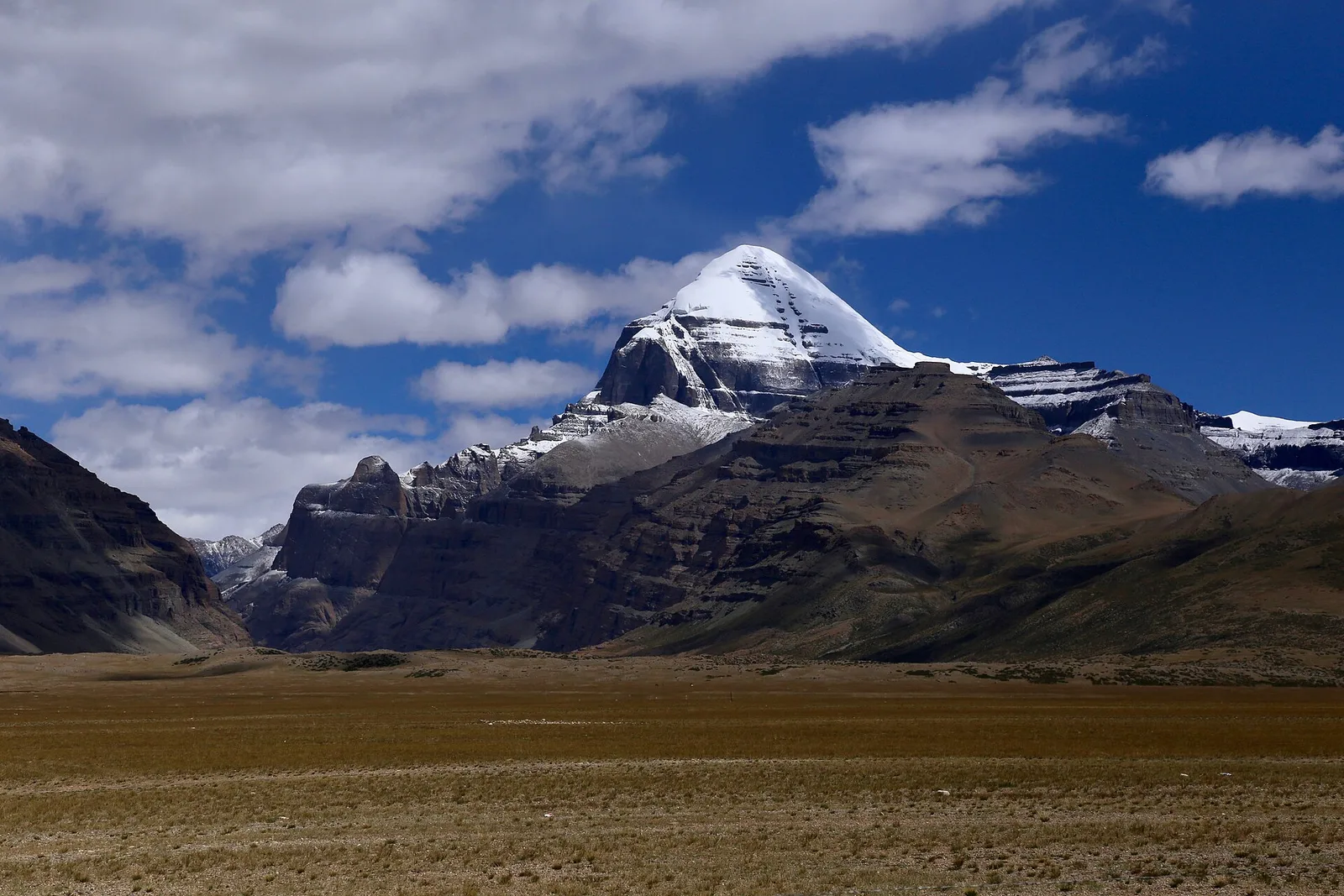
Mount Kailash: The Sacred Peak No One Has Ever Climbed, and Why Pilgrims Keep Getting Stranded in Nepal on the Way
Four religions call it the center of the universe. In 2026, Indian pilgrims travelling the Nepal route got stuck in Kathmandu without the right paperwork — here's the whole story, verified.
Industry & Tourism
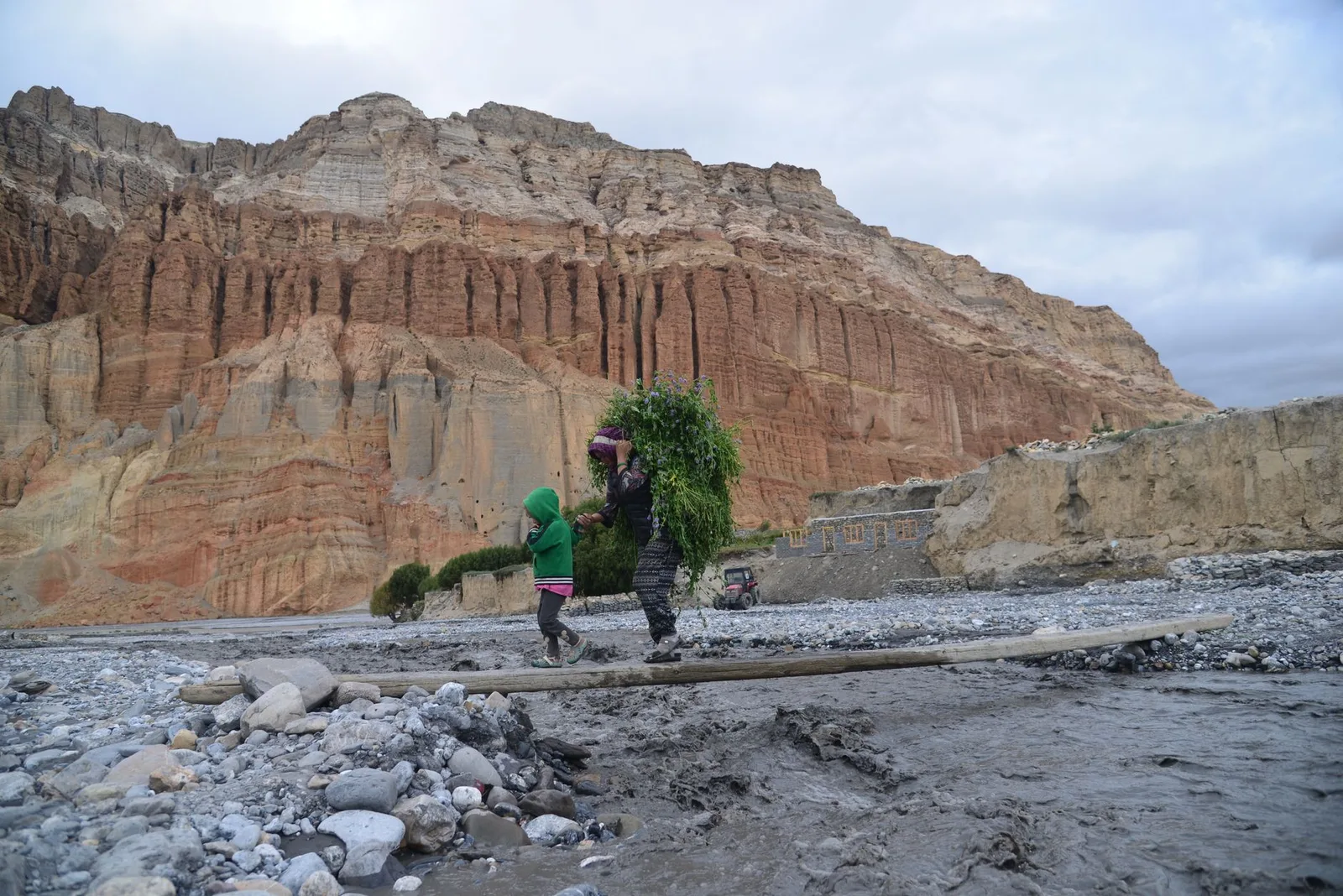
Nepal's Monsoon Arrivals Rose Again in July 2026 — Here's Where the Rain Never Reaches
New Tourism Board figures show foreigners still landing in Kathmandu through the wettest months of the year — because a quirk of Himalayan geography means parts of Nepal barely notice the monsoon at all.
Trail & Weather
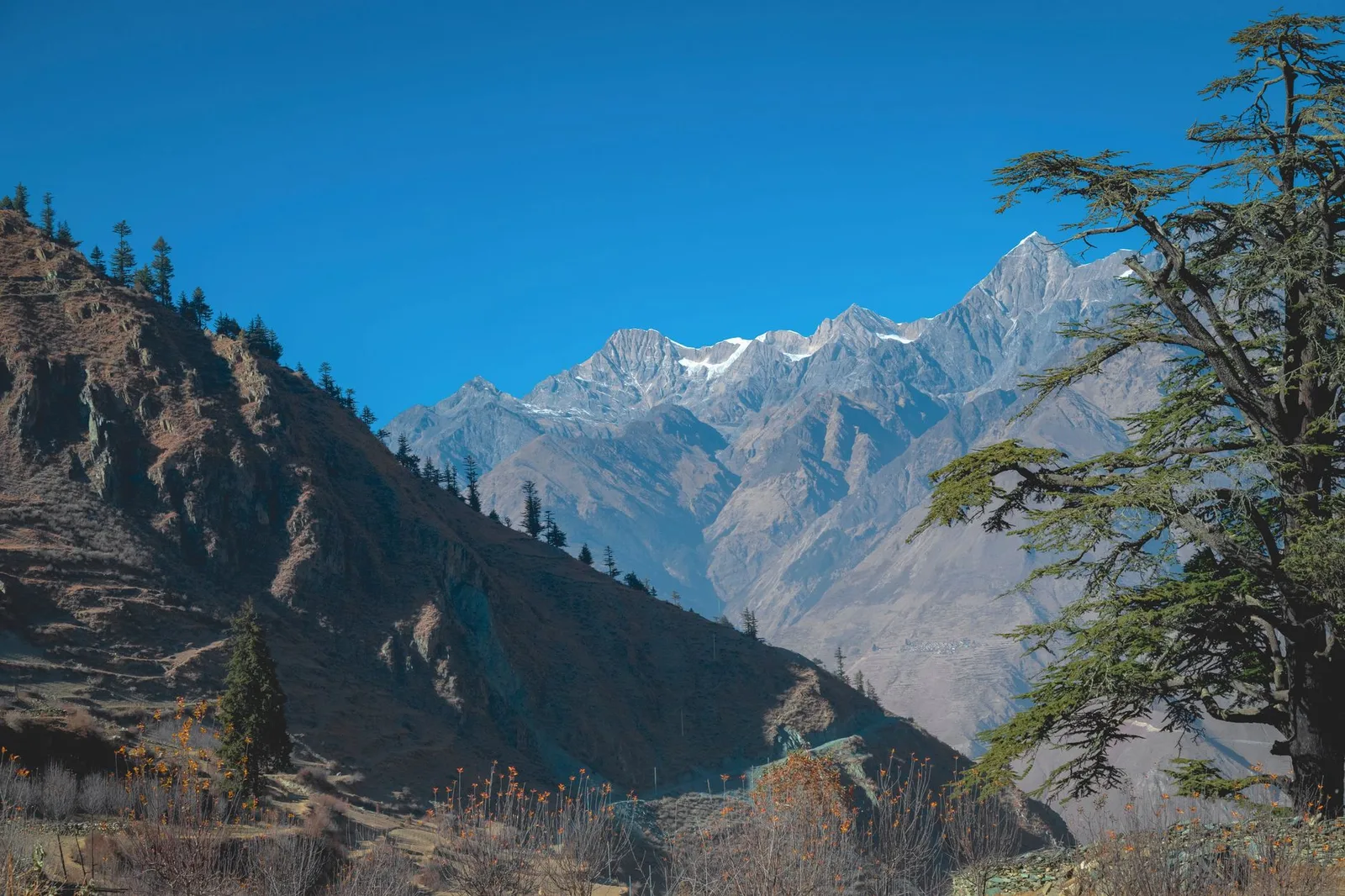
When Is the Best Time to Trek in Nepal? The Real Month-by-Month Data for 2026
Autumn and spring aren't just guidebook folklore — Nepal's own 2025 visitor data backs them up almost exactly. Here is what the numbers, and the weather behind them, actually show.
Safety & Advisories
How to Choose a Trekking Company in Nepal in 2026: The Real Vetting Checklist
After a $19.7 million fake-rescue fraud case rattled Nepal's trekking industry, here is exactly how to verify a licensed, honest operator before you hand over a deposit.
Latest from the desk
World Destinations
Northern Lights 2026: Where and When to See the Aurora (Best Destinations)
A clear, no-hype guide to catching the aurora next winter — the best destinations from Tromsø to the Yukon, the September–March season, why the solar cycle still favours 2026, and honest expectation-setting.
Flights & Access
Lukla Is the World's Most Dangerous Airport — and There's No Way to Abort the Landing
A 527-metre runway that ends in a cliff, an 11.7% uphill slope, and pilots who need a year of Nepal experience before they're allowed to try it — meet the airstrip every Everest trekker has to survive first.
Records & People
Nepal's Living Goddess Is a Toddler Whose Feet Have Never Touched the Ground
Aryatara Shakya was crowned Kathmandu's Royal Kumari at two years and eight months old — carried everywhere she goes, worshipped by Hindus and Buddhists alike, and destined to retire the moment nature makes her human again.