
Wi-Fi, an Irish Pub and No Hot Shower: What the Everest Trek Is Really Like
There's a pub with a pool table at 3,440m, Wi-Fi almost the whole way, −15°C nights and one rule every guide whispers: don't order the meat. The honest reality of the EBC trek.

At a glance
- Published
- TopicRecords & People
- ReportingOriginal, by our guides in Pokhara
- Treks coveredEverest Base Camp Trek — 12 Days, Everest Base Camp Trek — 14 Days
Things that surprise first-timers
- There is a proper Irish pub — pool table, live music — at 3,440m in Namche Bazaar.
- Wi-Fi reaches almost the whole trail; people video-call home from above 5,000m.
- Nights hit −15°C even in spring and autumn, under a blazing daytime sun.
- Every guide will quietly tell you: don’t order meat above Namche.
There is an Irish pub with a pool table and live acoustic music at 3,440 metres on the way to Everest Base Camp. And honestly? That is the least surprising thing about this trek. After decades of guiding it, here are the things that catch almost every first-timer off guard — the good, the cold and the slightly gross.
1. You’re more connected than you think
People picture two weeks off-grid. The reality: Wi-Fi hotspots run almost the length of the trail, mobile data works in most villages, and plenty of trekkers video-call home from Gorak Shep above 5,000m. If you want to disconnect, you have to choose to — the mountain will not do it for you.
2. It’s a walk — but the cold is the shock
The daytime sun is so strong you trek in a T-shirt. Then it drops behind a ridge and it is suddenly −10 to −15°C — in April and October, not just winter. Lodges are unheated except for a stove in the dining room. The real challenge is not the climbing; it is peeling out of a warm sleeping bag into a freezing room at 5 a.m.
3. Don’t order the meat
Here is the one every guide tells you quietly: above Namche, skip the meat. There is no refrigeration up high — everything is carried up for days by porter — and a bad yak steak at 4,500m is how a dream trek becomes a nightmare. Go vegetarian above Namche and your stomach will thank you. Which brings us to…
4. Dal bhat is the real fuel
The national dish — rice, lentil soup, vegetables, pickle — is unlimited (they refill until you say stop), fresh, cheap and exactly what a body needs at altitude. There is a reason porters carrying 30kg live on it. We wrote a whole love letter to it in Dal Bhat Power.
5. The hot shower is (mostly) a myth
Some lower lodges sell a “hot shower” — often a bucket of solar-warmed water for a few dollars. Higher up, it is baby wipes and willpower. Most trekkers simply stop showering above Dingboche. Everyone smells; nobody minds.
6. The people carrying you up earn less than you’d guess
The one that stays with you
Average annual income in the Khumbu is only a few hundred dollars — and a porter or base-camp worker can earn several times that in a single trekking season. It is life-changing money locally, and still a fraction of what a Western company charges. Tip well, book with a company that pays and insures its porters fairly, and remember whose backs this trek is built on.
None of this should put you off — it is exactly what makes the Everest Base Camp trek unforgettable. Go in knowing the reality and you will love it more, not less. Ready? Our 14-day Everest Base Camp trek runs with fairly-paid porters, real acclimatisation and an NMA-certified guide. Nervous about the risk first? Read our honest take on whether the Everest trek is dangerous.
Sources: on-the-ground reporting from our guides across 29 seasons; Khumbu wage and porter-welfare data, 2026.
Cover photo: Clinton Weaver via Pexels (Pexels License).
Still running this season
Everest Base Camp Trek — 12 Days is running normally
NMA-certified local guides, transparent pricing, 5,000+ treks since 1998. Message us your dates and we'll sort the permits, lodges and logistics — reply within 24 hours, no obligation.


Popular Nepal treks
All treks →


Related coverage
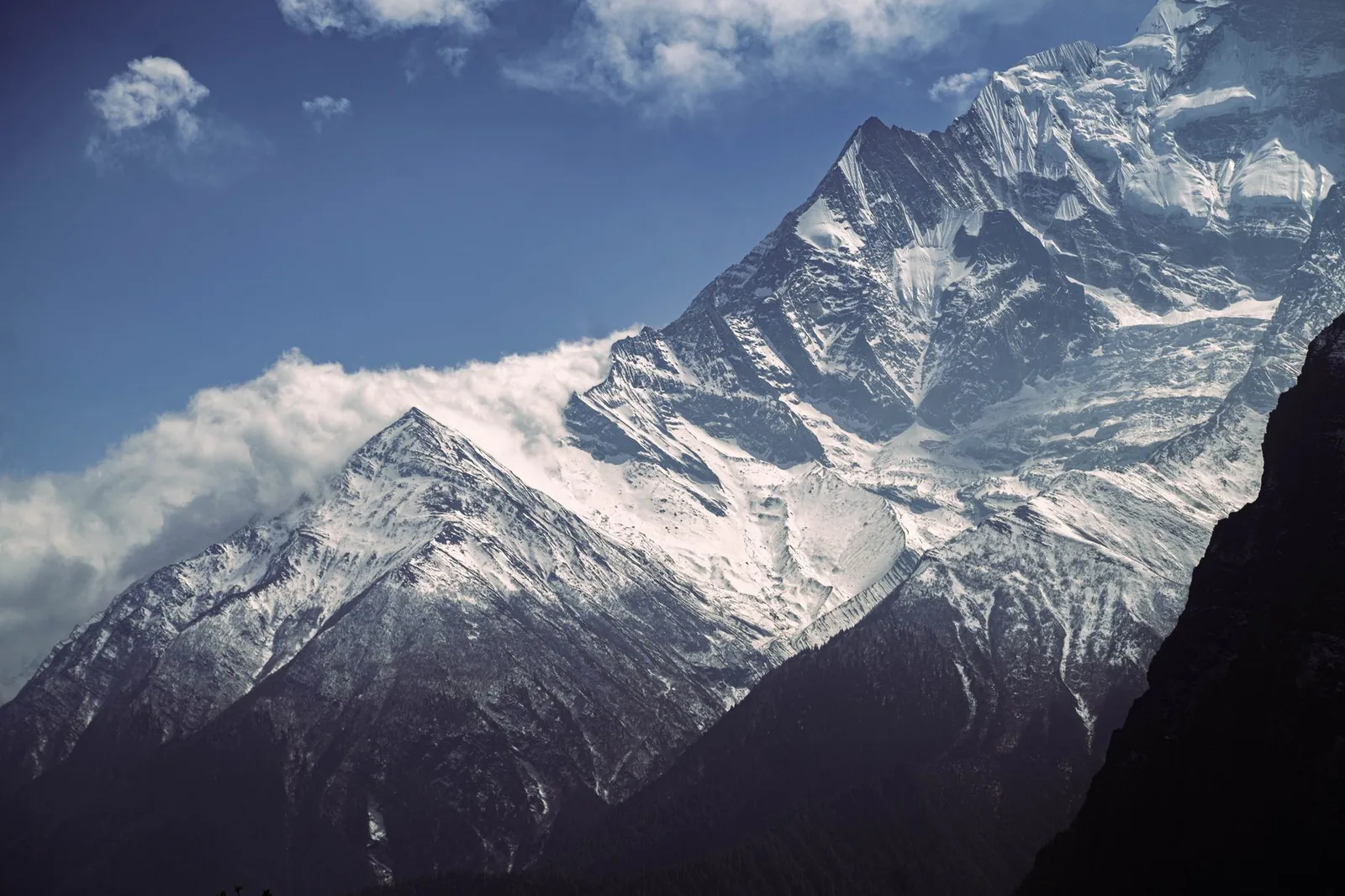
Permits & Rules
Do You Need a Guide to Trek in Nepal in 2026? The Rule, the Cost, and the Region That Still Disputes It
Since April 2023, foreign trekkers must hire a licensed guide almost everywhere in Nepal — except, officially, in the Khumbu itself. Here is what the rule actually requires, what it costs, and where enforcement genuinely differs.
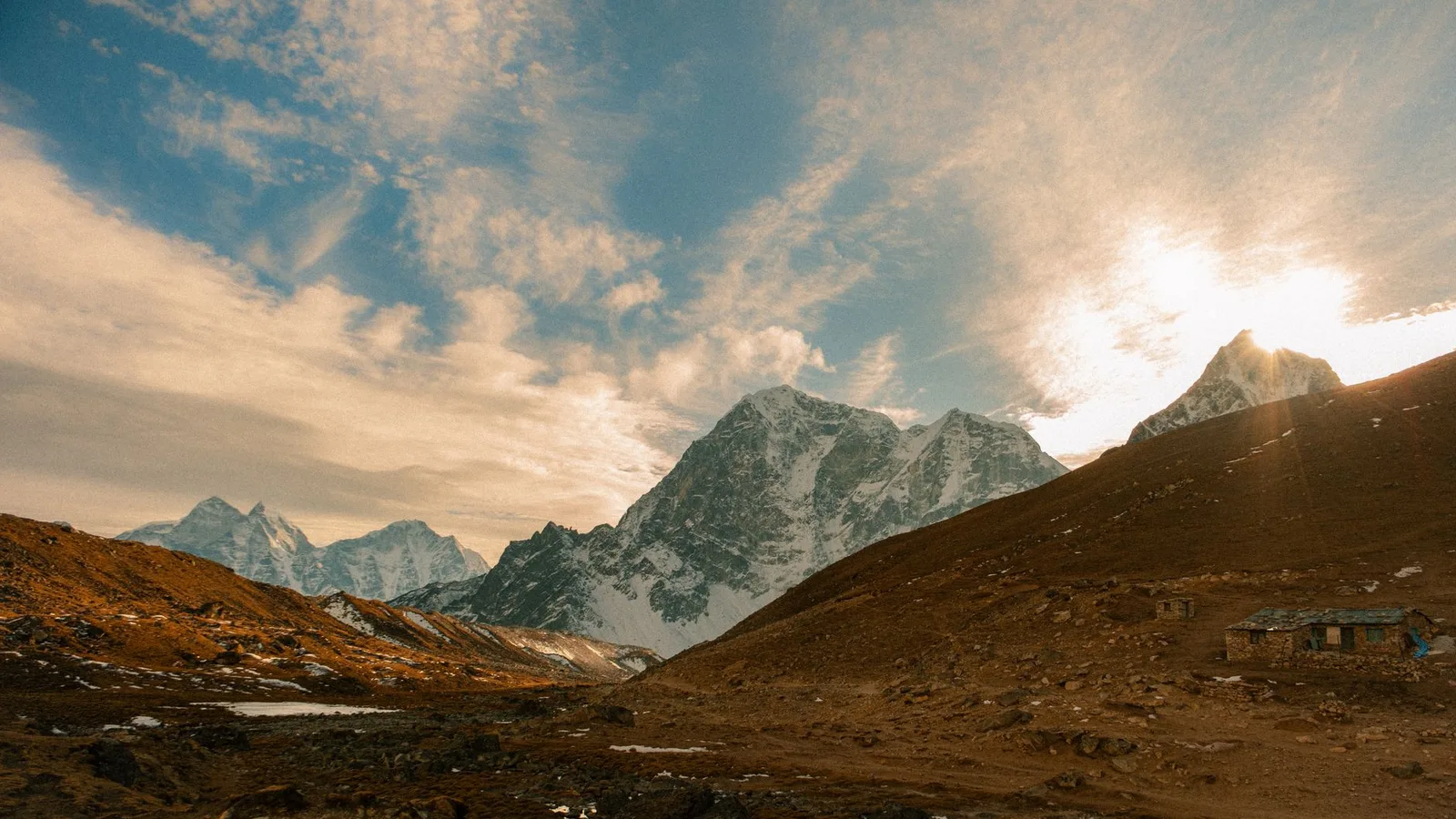
Safety & Advisories
How Many Days Do You Actually Need for Everest Base Camp? 10 vs 12 vs 14 vs 15-Day Itineraries
The honest answer, checked against Nepal's own altitude-medicine numbers — not against which itinerary sells fastest.
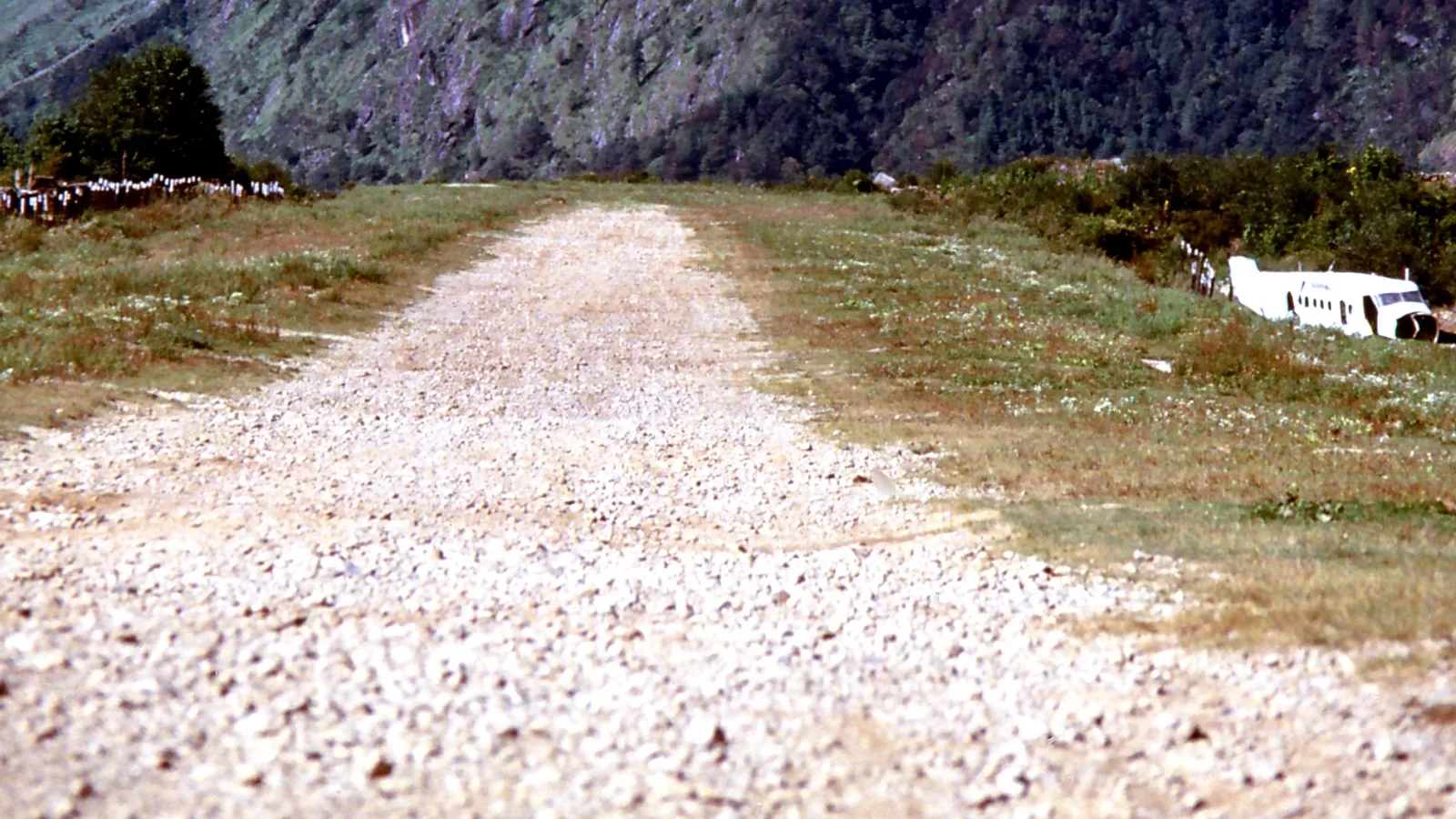
Flights & Access
Lukla Is the World's Most Dangerous Airport — and There's No Way to Abort the Landing
A 527-metre runway that ends in a cliff, an 11.7% uphill slope, and pilots who need a year of Nepal experience before they're allowed to try it — meet the airstrip every Everest trekker has to survive first.
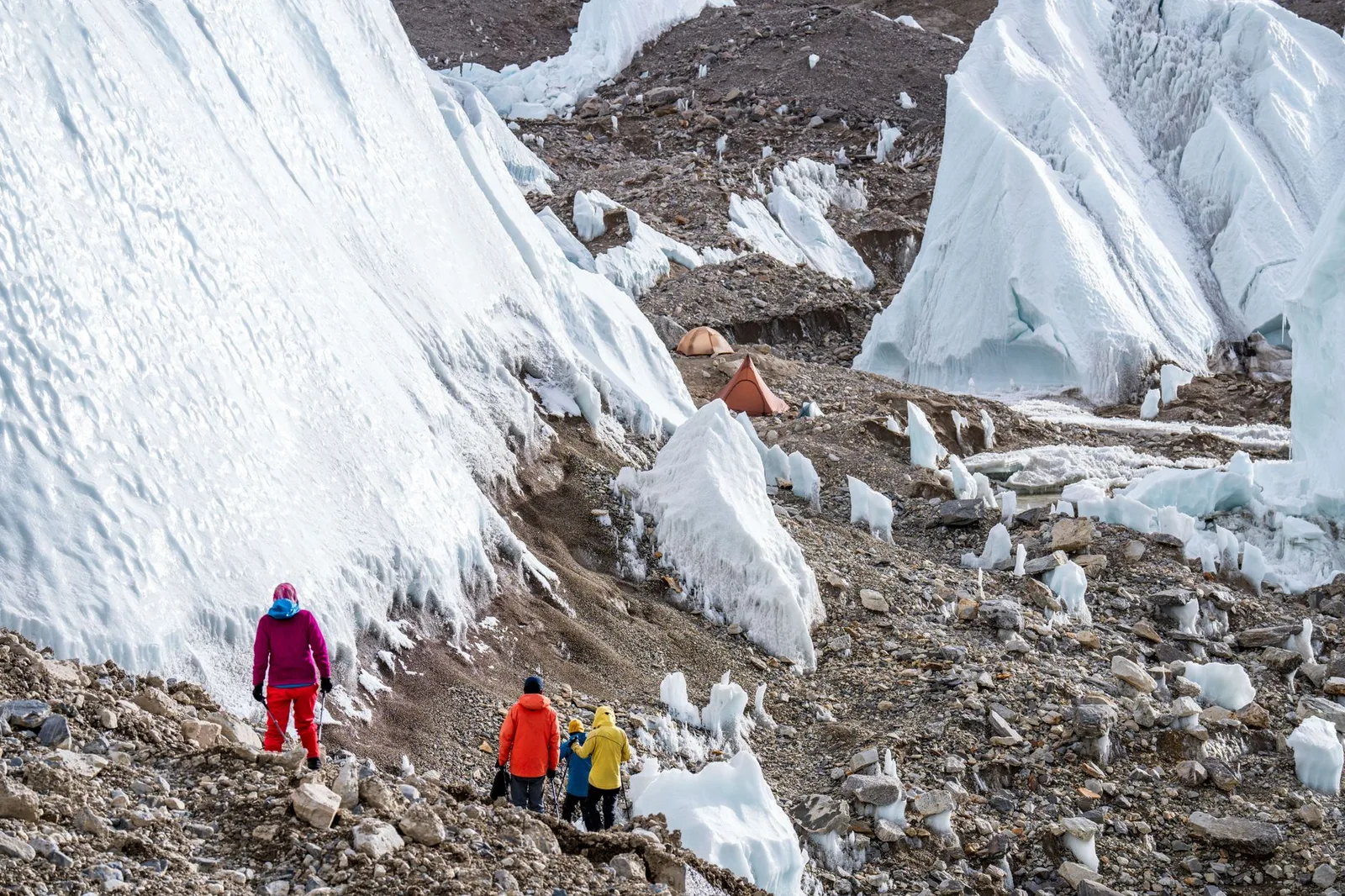
Records & People
The World's Highest Marathon Starts at Everest Base Camp — and Nobody Has Beaten a 2006 Record Since
The Tenzing-Hillary Everest Marathon drops 1,920 vertical metres over 26.2 miles from the base of the world's tallest mountain — and a Nepali runner's course record has now survived twenty straight years of attempts.
Latest from the desk
Safety & Advisories
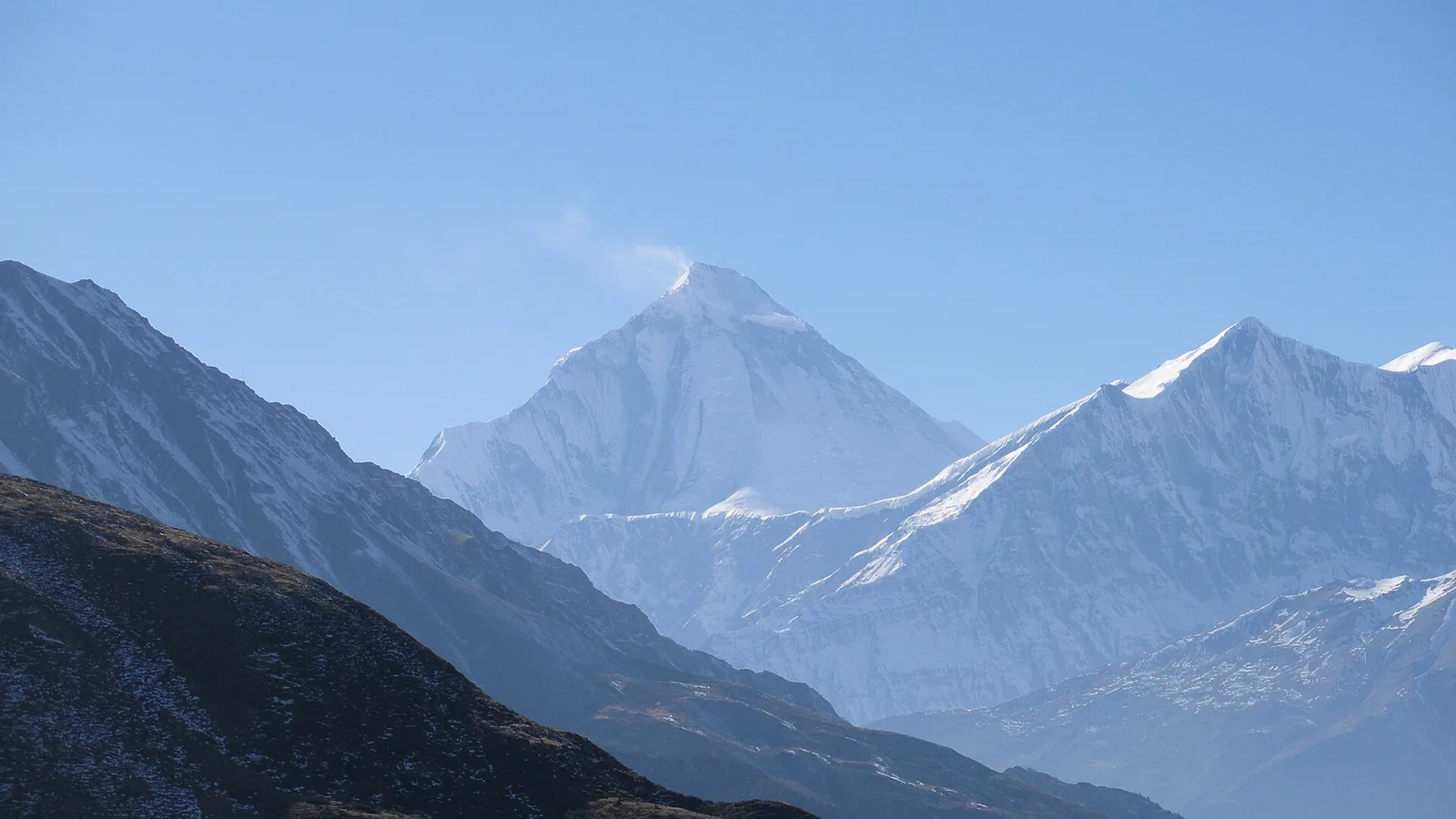
Is the Khopra Danda Trek Affected by the 2026 Nepal Floods?
Short answer: no. The Khopra Danda (Khopra Ridge) trek sits in the Annapurna region, reached from Pokhara, and is running normally. The 26 August flood hit the Rasuwa / Langtang corridor about 200 km east — a completely different river system.
Safety & Advisories
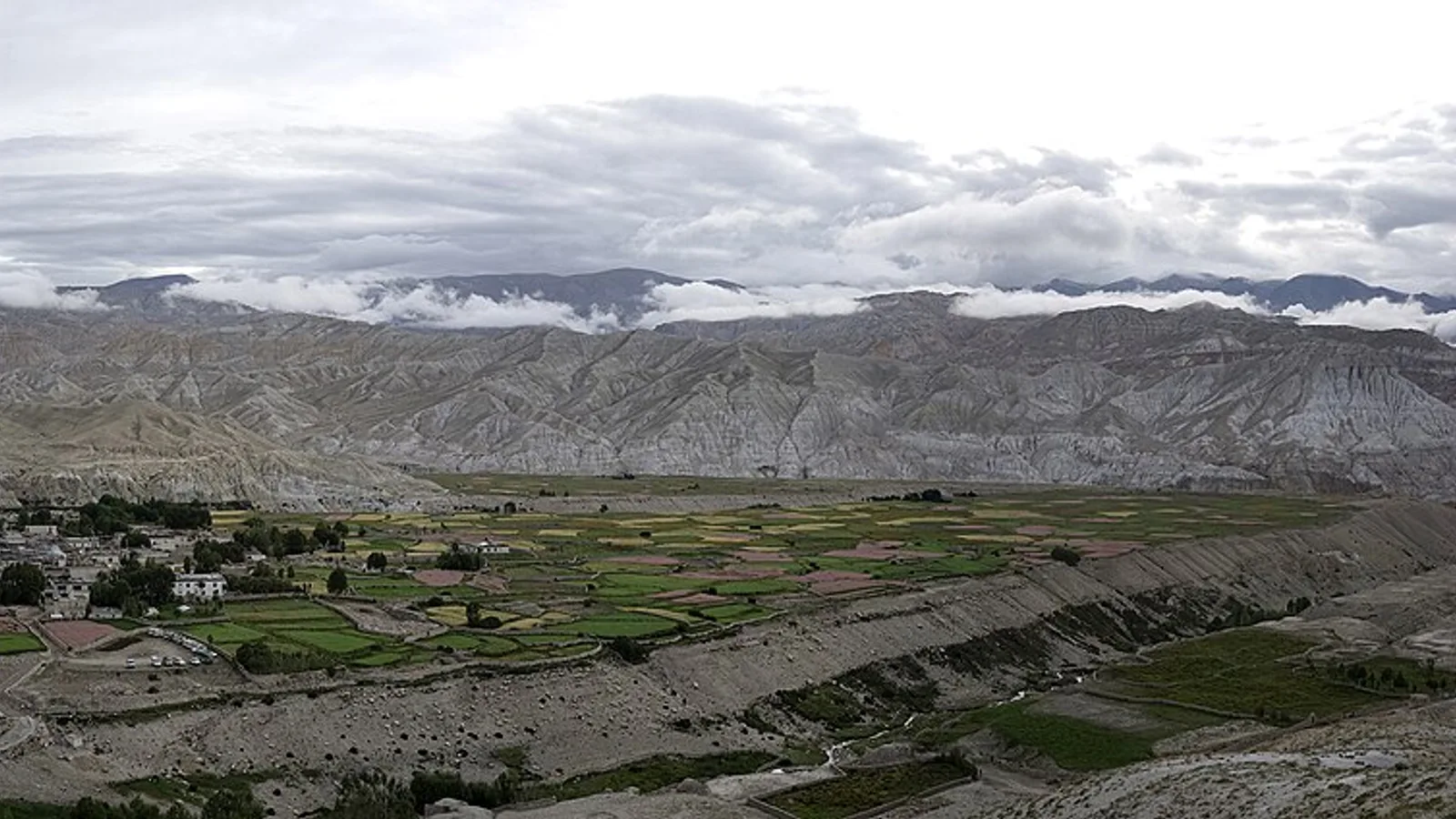
Is the Upper Mustang Trek Affected by the 2026 Nepal Floods?
No — and Upper Mustang is one of the driest, safest regions to trek right now. The 26 August flood hit Rasuwa; Mustang sits in the rain shadow behind the Himalaya, dry and open.
Safety & Advisories
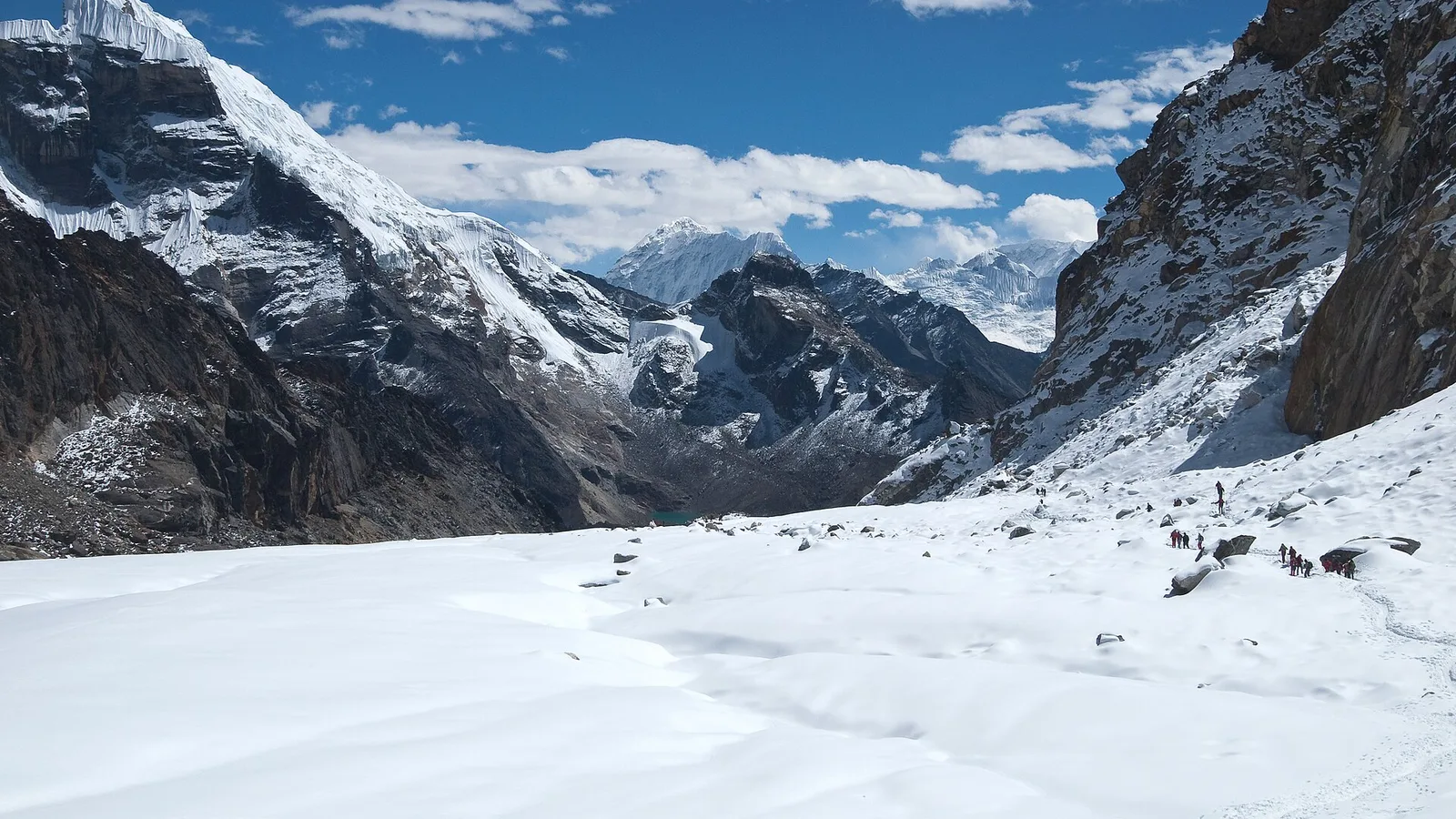
Is the Everest Three High Passes Trek Affected by the 2026 Nepal Floods?
No — the Kongma La, Cho La and Renjo La are all running normally. The 26 August flood hit Rasuwa in the north, not the Khumbu. Here is why the Everest high passes are unaffected.