
Inside Everest's Only ER: No X-Ray, 500 Patients a Season, and a Cough That Could Kill You
At 5,364 metres, a canvas tent has been the only emergency room between Everest Base Camp and Kathmandu since 2003 — staffed entirely by volunteer doctors who tell a harmless cough from a killer one with nothing but a stethoscope.
At a glance
- Published
- TopicSafety & Advisories
- Verified againstAmerican Academy of Physician Associates (AAPA)
- Treks coveredEverest Base Camp Trek — 10 Days, Everest Base Camp Trek — 14 Days, Luxury Everest Base Camp Trek — 14 Days
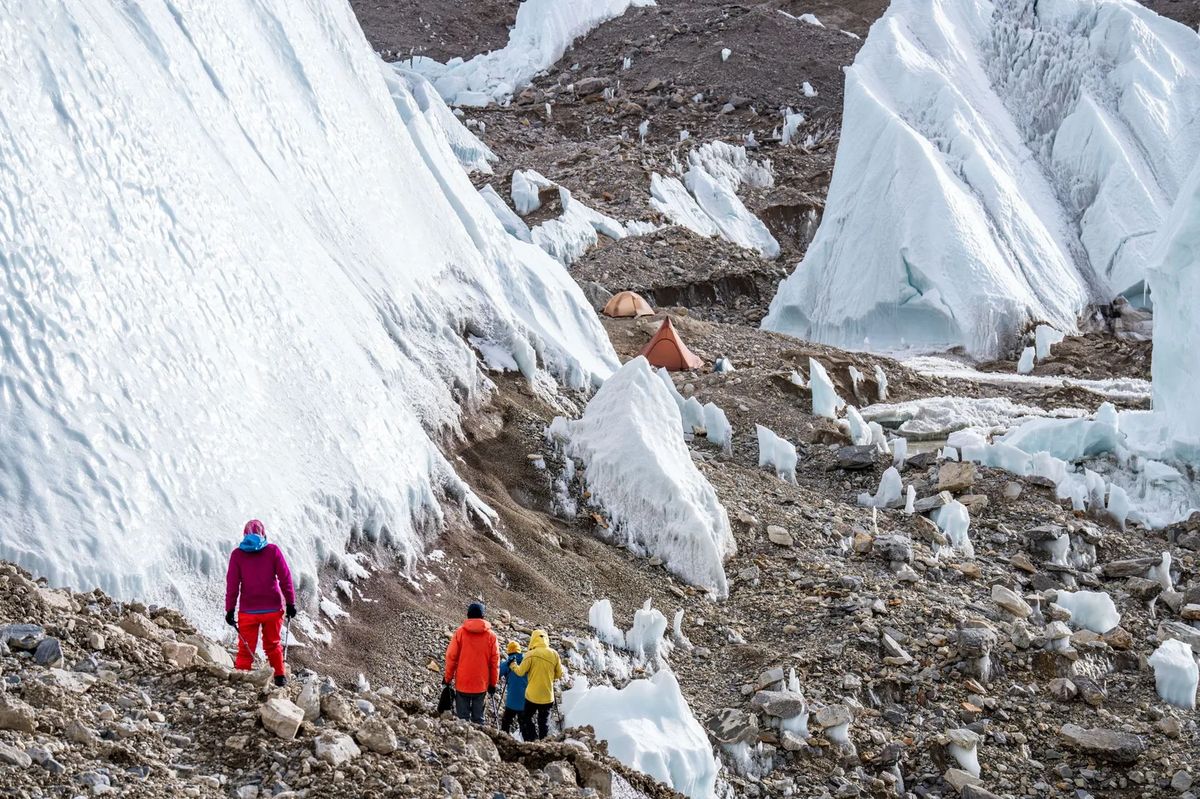
There is no X-ray machine. There is no CT scanner, no on-call surgeon, no ambulance bay. What there is: a canvas tent pitched directly on the Khumbu Glacier at 5,364 metres, a stethoscope, a pulse oximeter, and a small rotating team of volunteer doctors who, for the length of each spring climbing season, run the only emergency room between Everest Base Camp and the nearest hospital — a day's drive and flight away in Kathmandu.
It's called Everest ER, and this month a US physician associate, Jill Nelson, spent two weeks trekking to Base Camp specifically to see it, according to a report published by the American Academy of Physician Associates. What she found is what every visiting clinician finds: a facility that, for all its improvisation, treats hundreds of real emergencies a season with almost none of the equipment a Western ER would consider non-negotiable.
Key facts
- Everest ER was founded in 2003 by Dr. Luanne Freer, run under the Himalayan Rescue Association (HRA), a Nepali non-profit operating since 1973.
- It sits at 5,364 metres — roughly half the oxygen available at sea level.
- The clinic treats 450 to 650 patients every season; in its first nine years it logged more than 2,500 patient visits.
- In the 2018 season, about 60% of patients were Nepali — mostly Sherpa staff and porters, not foreign climbers — and proceeds from paying patients help subsidise their free or low-cost care.
The clinic's hardest daily judgment call, Nelson learned, is a cough. Nearly 40% of everything Everest ER treats is respiratory — upper respiratory infections and "Khumbu cough," the harsh, hacking cough almost everyone develops from breathing cold, bone-dry air at altitude. It's usually harmless. But the same symptom can also be the first sign of high-altitude pulmonary edema (HAPE), a rapid, life-threatening fluid build-up in the lungs and one of the clinic's leading causes of emergency evacuation. Without imaging, telling the two apart comes down to a stethoscope, an oxygen-saturation reading, and a doctor's experience.
| Category | Share |
|---|---|
| Medical diagnoses (illness) | 85.3% |
| Trauma diagnoses (falls, injuries) | 14.0% |
| Pulmonary causes (URI + Khumbu cough), share of medical diagnoses | >38% |
| Leading causes of evacuation | HAPE, frostbite |
What this means for trekkers
What this means for you
Everest ER is a peak-season clinic for climbers and the local Khumbu community, not a facility built for trekkers passing through — but its lessons apply to anyone walking to Base Camp. A cough that develops above 3,500 metres is common and usually nothing. A cough paired with breathlessness at rest, a rattling sound in the chest, or blue-tinged lips is not something to sleep on: it's exactly the HAPE pattern the clinic's doctors are trained to catch early, because by the time it's obvious, descent can no longer wait. Trek with a guide trained in altitude recognition, carry travel insurance that explicitly covers high-altitude helicopter evacuation, and treat any worsening cough above Namche the way Everest ER's doctors do — as the one symptom you don't wait out.
Nelson's trip was run through the Wilderness Medicine Society, which sends US clinicians to Everest ER most years for continuing medical education credit — a small but steady pipeline of foreign doctors who spend two weeks trekking in to volunteer, then work a glacier ER with fewer resources than a rural US ambulance. It's one of the more unusual postings in emergency medicine, and it has been quietly running in a tent above the tree line for more than two decades. Source: AAPA.
Cover photo: Lu Li via Pexels (Pexels License).
Still running this season
Everest Base Camp Trek — 10 Days is running normally
NMA-certified local guides, transparent pricing, 5,000+ treks since 1998. Message us your dates and we'll sort the permits, lodges and logistics — reply within 24 hours, no obligation.
Popular Nepal treks
All treks →
Related coverage
Safety & Advisories
Can You Trek to Everest Base Camp at 82? What the Record and the Research Actually Say
There is no legal or medical age cutoff on the trail to Everest Base Camp, and the current record holder just proved it at 82.
Industry & Tourism
Everest Base Camp or Annapurna Base Camp: Which Should You Actually Trek in 2026?
Both are sold as 'base camp treks' but they differ by 1,400 metres of altitude, a week of walking and a coin-flip mountain flight — here is how to pick the right one for your fitness, budget and time.
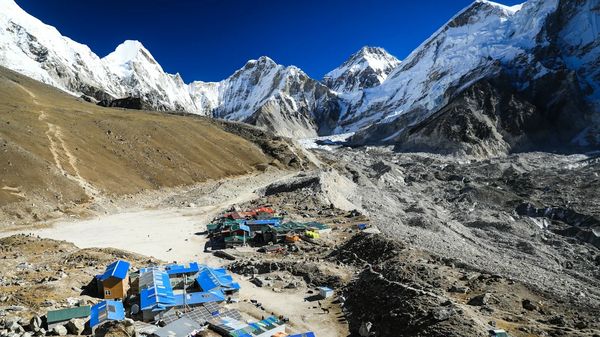
Safety & Advisories
Can a Beginner Do the Everest Base Camp Trek? The Honest Difficulty Answer (2026)
No mountaineering skills required — but altitude, not fitness, is what actually turns beginners back. Here is the real difficulty, by the numbers.
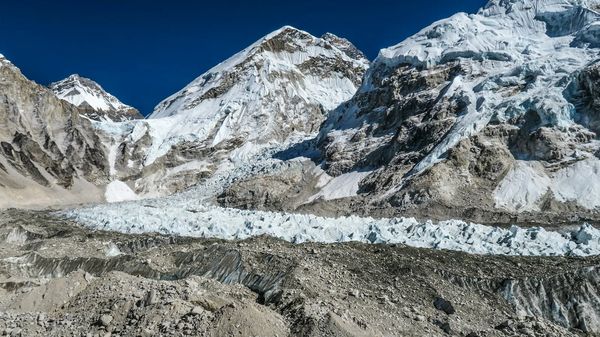
Safety & Advisories
Is the Everest Base Camp Trek Affected by the 2026 Nepal Floods?
No — the Everest region is running normally. The 26 August flood hit Rasuwa in the north, not the Khumbu. Here is why Lukla flights and the EBC trail are unaffected, leg by leg.
Latest from the desk
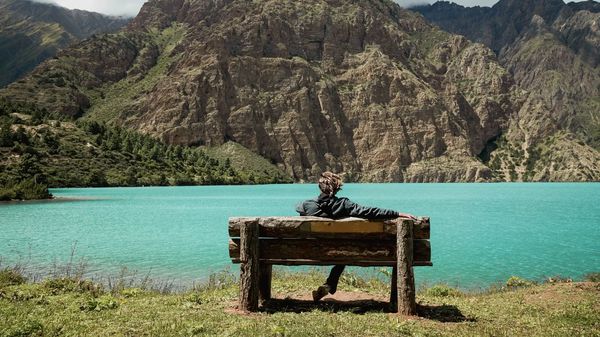
Records & People
Everyone Calls This Nepal's Deepest Lake. A Government Survey Says It Isn't.
Phoksundo's turquoise water and no-fishing custom are real, but Nepal's own hydrology surveys put the actual depth record on a different lake entirely.
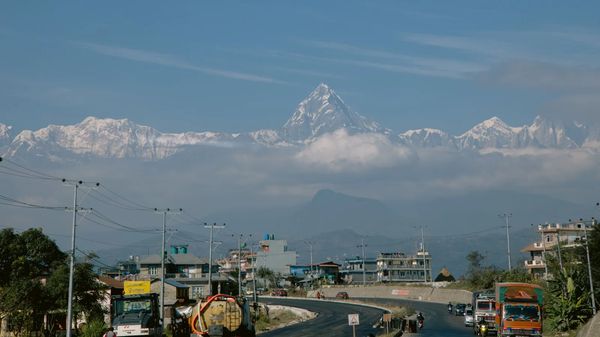
Flights & Access
Pokhara Just Got Its First Real International Flight, Three Years After the Airport Opened
flydubai starts daily Dubai–Pokhara flights on 23 September 2026, the first scheduled international airline to serve Nepal's trekking capital since its $216 million airport opened in 2023.
Festivals & Events
Dashain 2027 tika is Saturday 9 October, twelve days earlier than this year
Dashain 2027 runs 30 September to 14 October, tika on Saturday the 9th. Bhai Tika is 31 October. Why the early date matters for an autumn trek.