
How Fit Do You Need to Be for Everest Base Camp? An Honest Fitness Check
You don't need to be an athlete. But you do need one specific ability — and most people who turn back never trained for it. Here's the honest fitness bar for EBC.

At a glance
- Published · updated
- TopicRecords & People
- ReportingOriginal, by our guides in Pokhara
- Treks coveredEverest Base Camp Trek — 14 Days, Ghorepani Poon Hill Trek — 4 Days
You do not need to be an athlete to reach Everest Base Camp. But you do need one specific ability — and most people who turn back never trained for it: the capacity to walk uphill for six to eight hours a day, several days in a row, on tired legs. Here is the honest fitness bar, and how to know if you clear it.
The honest fitness bar
Forget the gym mirror. Everest Base Camp is not about how much you can lift or how fast you can run a 5k — it is about sustained, all-day endurance. You will walk 10–15 km on the longer days, almost always with significant up and down, at altitude, for close to two weeks. A porter carries your main bag; you carry a daypack. If you can hike a full day, then get up and do it again tomorrow, you have the engine you need.
A 30-second self-check
| Can you… | What it tells you |
|---|---|
| Walk 15 km on hilly ground with a daypack? | The core endurance is there |
| Climb stairs for 30–40 minutes without stopping? | Your legs and lungs can handle the ups |
| Do a 2–3 day back-to-back hike and recover? | You can handle consecutive trek days |
| Stay on your feet, cheerfully, when tired and cold? | The mental side — just as important |
If most of those are a “yes,” you are in good shape for EBC. If they are a “not yet,” that is fine — it is exactly what the next few months are for.
How to train from where you are
Give yourself three to six months and keep it specific: long walks on hilly terrain with a loaded daypack are the single best training there is. Add stair sessions, steady cardio (running, cycling, swimming) for your aerobic base, and a little leg strength (squats, lunges, step-ups) to protect your knees on the long descents. If you can fit in one or two multi-day hikes before you fly, do — nothing prepares you like walking on day three of a trip.
The bit fitness can’t fix
The honest verdict
Here is the twist: the fittest person in the group is not the one guaranteed to summit — the most patient one is. Fitness makes the days more comfortable and gives you a margin, but it does not make you immune to altitude. Train for endurance, then on the trek let the altitude set the pace: walk slowly, take every acclimatisation day, and you will get there.
Want a gentler proving ground first? Many of our EBC clients warm up on the 4-day Ghorepani Poon Hill trek. When you are ready, our 14-day Everest Base Camp trek is paced for real people. See also: can a beginner do it? and is it dangerous?
Sources: standard trek-fitness guidance and high-altitude medicine consensus; Travel Himalaya Nepal guiding experience.
Cover photo via Pexels (Pexels License).
Still running this season
Everest Base Camp Trek — 14 Days is running normally
NMA-certified local guides, transparent pricing, 5,000+ treks since 1998. Message us your dates and we'll sort the permits, lodges and logistics — reply within 24 hours, no obligation.

Popular Nepal treks
All treks →


Related coverage
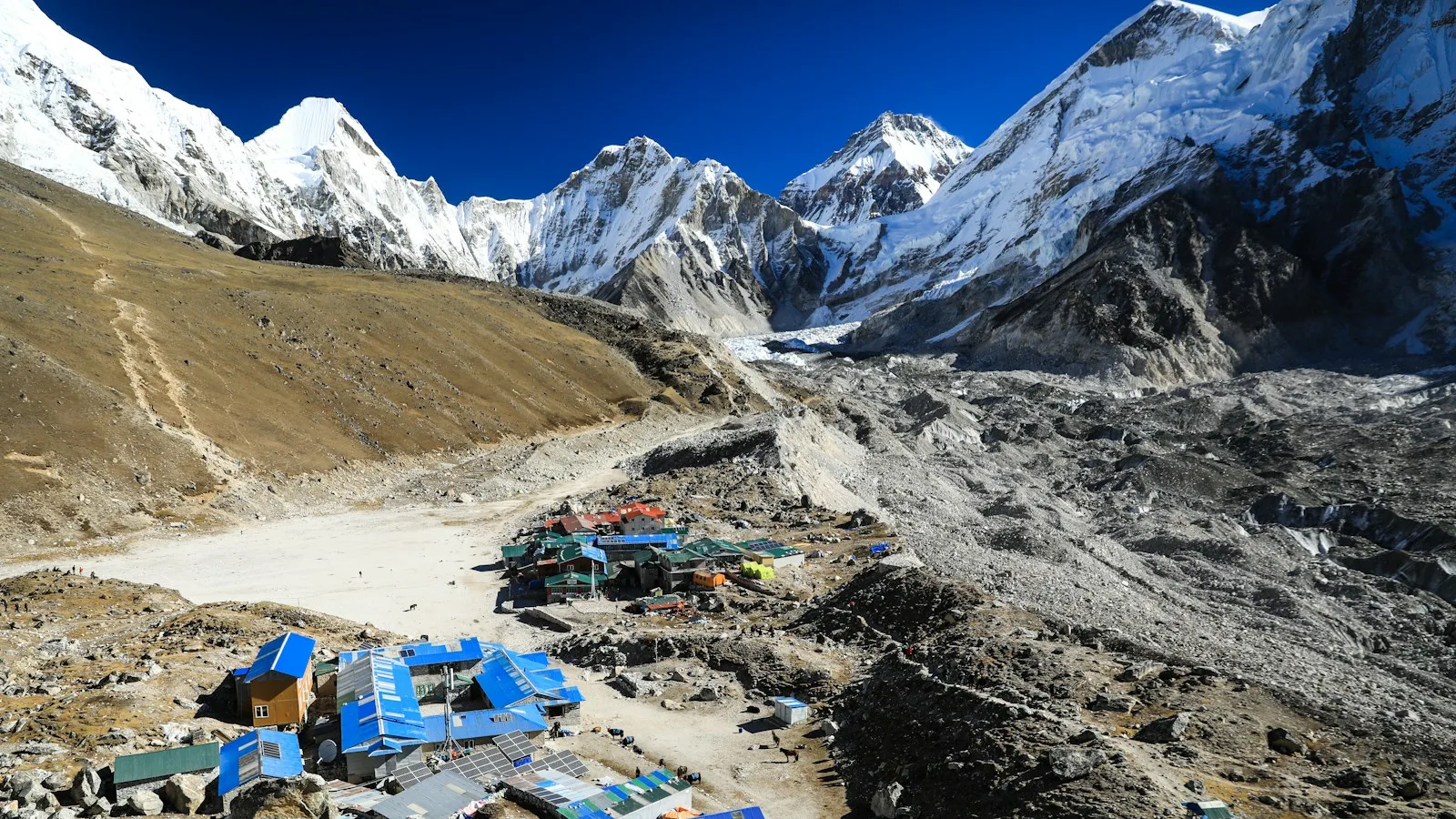
Safety & Advisories
Can a Beginner Do the Everest Base Camp Trek? The Honest Difficulty Answer (2026)
No mountaineering skills required — but altitude, not fitness, is what actually turns beginners back. Here is the real difficulty, by the numbers.
Safety & Advisories
How Many Days Do You Actually Need for Everest Base Camp? 10 vs 12 vs 14 vs 15-Day Itineraries
The honest answer, checked against Nepal's own altitude-medicine numbers — not against which itinerary sells fastest.
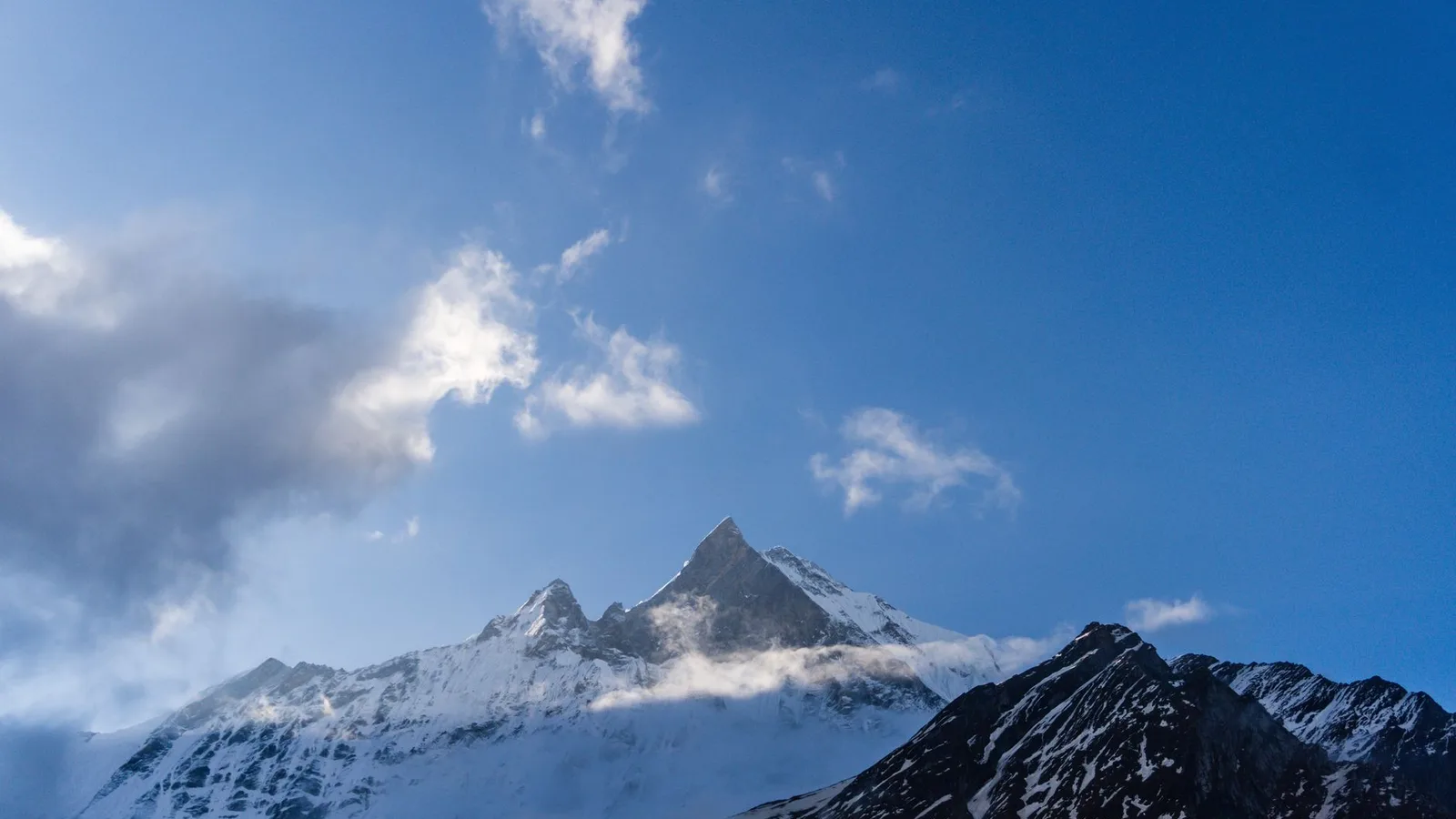
Industry & Tourism
Everest Base Camp or Annapurna Base Camp: Which Should You Actually Trek in 2026?
Both are sold as 'base camp treks' but they differ by 1,400 metres of altitude, a week of walking and a coin-flip mountain flight — here is how to pick the right one for your fitness, budget and time.
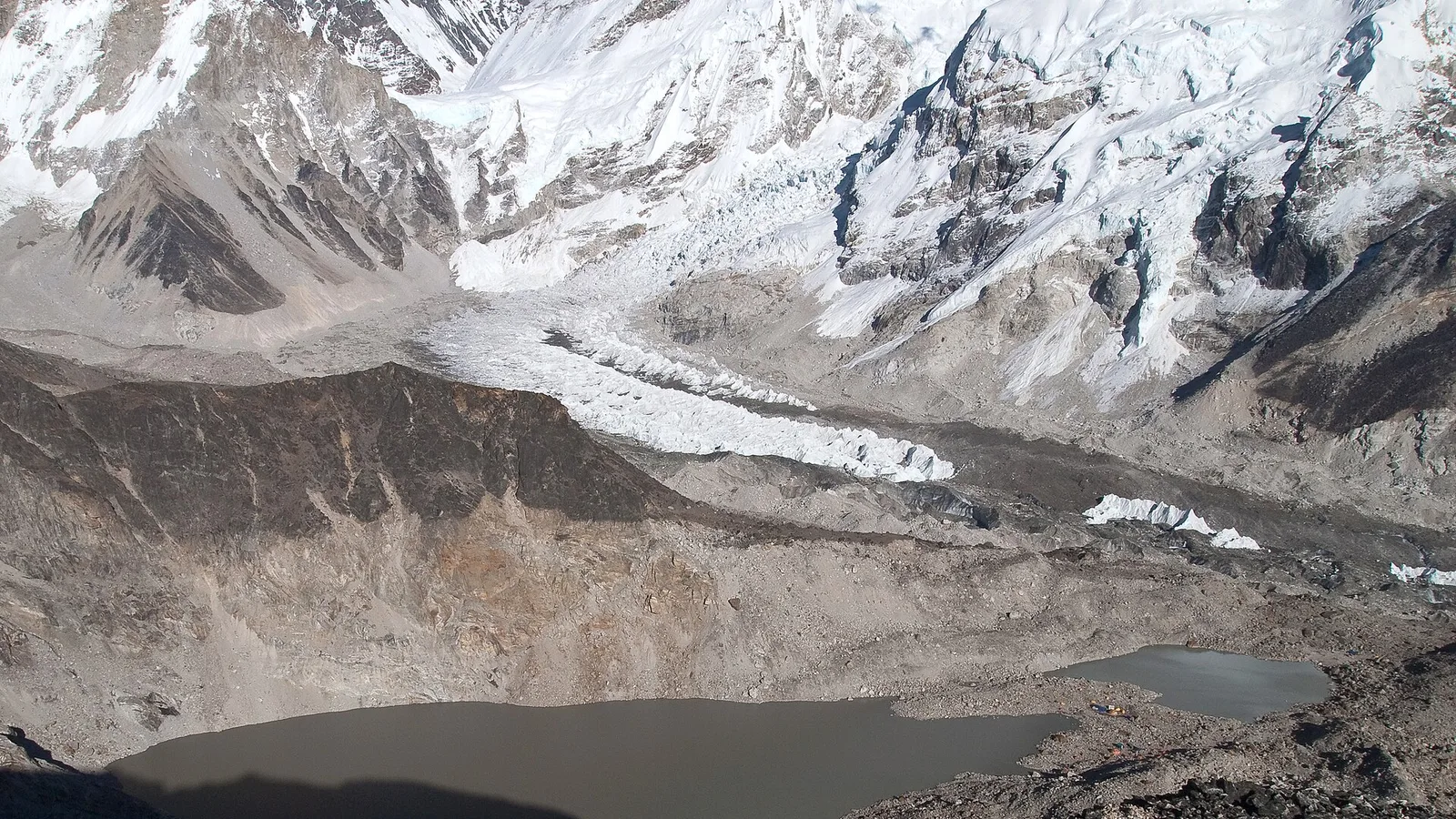
Records & People
The Deadliest Avalanches in the Nepal Himalaya
From the 2014 Khumbu Icefall to the earthquake that swept Everest Base Camp in 2015 — the deadliest avalanches in Nepal's mountains, their causes and tolls, recorded with respect.
Latest from the desk

Visas & Entry
Overstaying a Visa in 2026: The Fines, Deportation and Entry Bans Travellers Underestimate
A day past your visa still counts as an overstay — and the penalties run from daily fines to deportation and multi-year entry bans. Here is what really happens, and how to stay clear of it.
Money & Insurance
Honeymoon & Destination-Wedding Travel Insurance in 2026: The Extras Couples Overlook
Booking a destination wedding or honeymoon in 2026? Standard cover misses the extras that matter — a bigger single-item limit for rings, dresses and gifts, the wedding event itself, both names on one policy, supplier failure, and the activity and altitude cover an adventure honeymoon needs.
Safety & Advisories
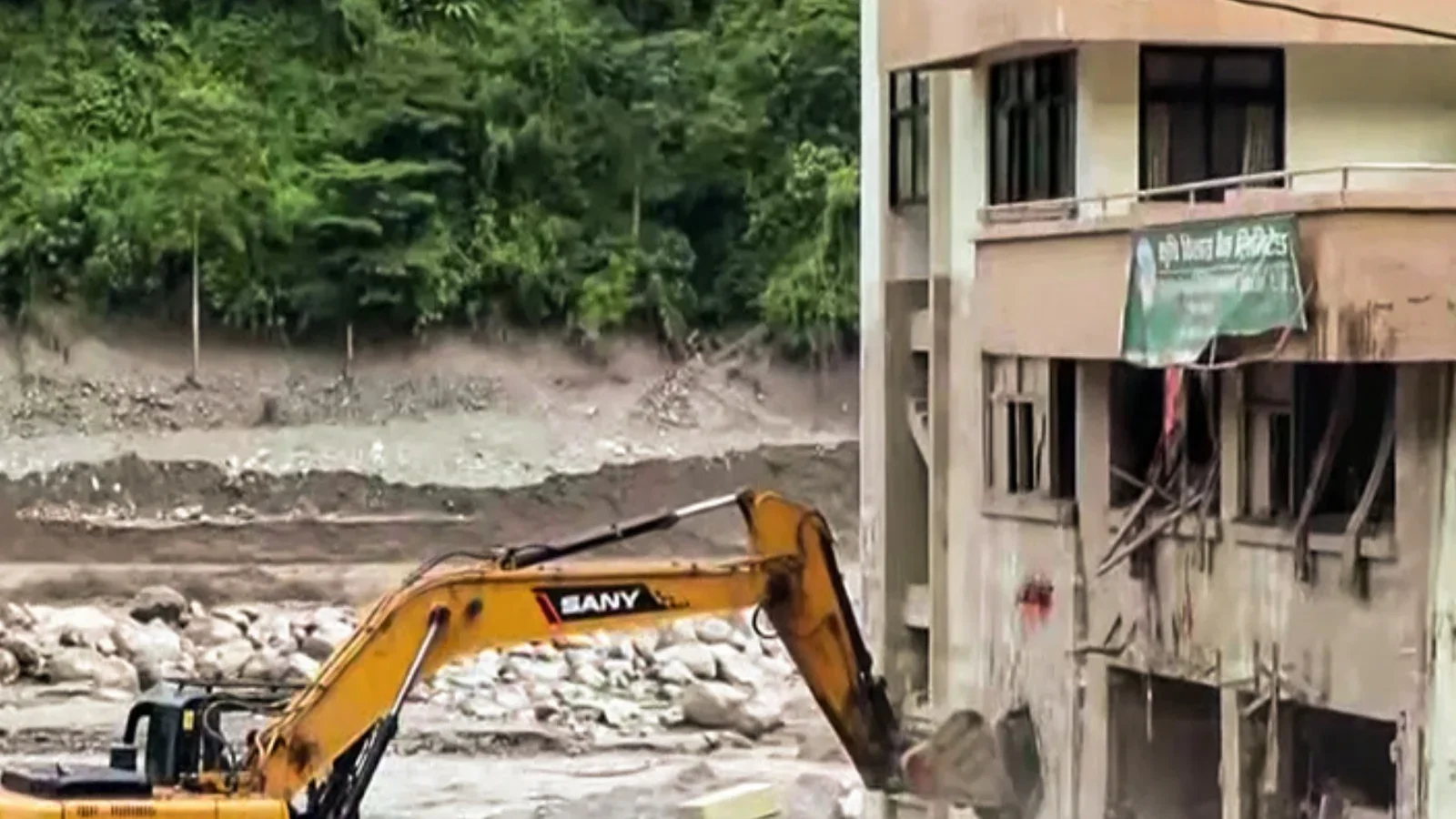
Nepal's flood camps are running out of water and medicine, and the doctors are warning about an epidemic
Four health facilities in Rasuwa are destroyed, Trishuli Hospital has lost its bridges and its medicines, and 1,000 people are in camps with no clean water.