
How to Survive a Long Layover in 2026: Lounges, Sleep Pods, Showers and Leaving the Airport
A multi-hour connection can wreck your trip or become the easy part. Here is how to play a long layover in 2026 — when you can leave the airport, lounges and day passes, sleep pods, showers, left-luggage, and staying comfortable.
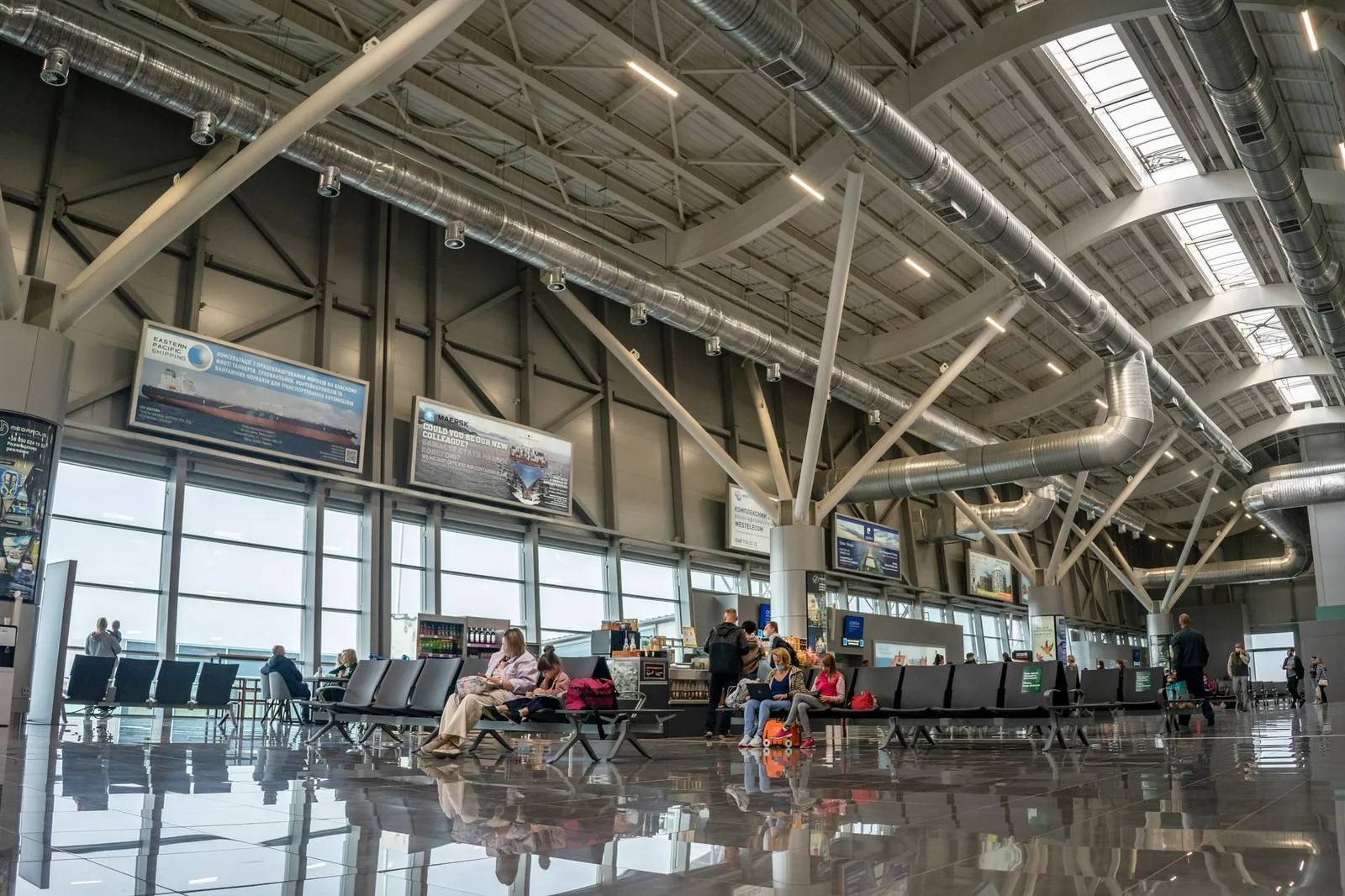
At a glance
- Published
- TopicDeals & Routes
- Verified againstWikipedia (Layover; Airport lounge)
- Treks coveredAnnapurna Circuit Trek — 13 Days, Everest Base Camp Trek — 15 Days, Manaslu Circuit Trek — 14 Days
Nobody books a flight for the layover. But the long connection — four hours, seven hours, an overnight wait for the morning departure — is where a good trip quietly turns into a bad day, or the reverse. The difference is rarely luck. It is knowing, before you land, which of the airport's options are open to you: whether you can step outside at all, where you can lie down, where the showers are, and how to stay in reasonable shape until the next boarding call. Here is how to survive a long layover in 2026 without arriving wrecked.
Key facts
- A layover is a longer form of stopover — long enough, in principle, to leave the transport system, sightsee or stay overnight. Whether you actually can leave depends on the airport's transit rules, not the length of the wait.
- Leaving the airport during a connection often means clearing immigration and re-checking your bags — and, for some nationalities and routings, holding a transit or entry visa first.
- Most large hubs offer some mix of pay-per-use lounges, rest zones or sleep pods, showers and left-luggage; a handful of hub cities run free or low-cost transit city tours between flights.
- Airport lounges are not only for business-class flyers: many sell day passes or admit travelers through pay-per-use networks, and typically offer seating, food, wifi and sometimes showers or nap areas.
- The three things that decide how you feel at the far end are simple and free: charge your devices, drink water, and move.
First question: can you leave the airport?
The most rewarding way to spend a long layover is to leave — a quick meal in the city, a walk, a nap in a real bed. But this is exactly where travelers get caught. Stepping out of the terminal usually means formally entering the country: you clear immigration, and if your bags were not checked through to your final destination, you collect them, exit, and re-check them later. That takes time, and it may require a visa. Whether you need one depends on your passport nationality and your precise routing, not on how many hours you have to kill.
Before you leave the airport
Ask two questions first. One: do the transit rules let me in? Some countries have no airside transit zone and admit every connecting passenger; others require a transit or entry visa for certain nationalities even to change planes. Check your own case before you assume the door is open — our guide to transit visa rules in 2026 walks through the US, UK, Schengen and China. Two: are my bags checked through? If not, you must reclaim and re-check them, and you need enough of a buffer to clear immigration twice and pass security again. When in doubt, treat "leave the airport" as a plan that needs three or more spare hours, not one.
What to do with the time you have
Match the plan to the length of the gap. A two-hour connection is not a layover to optimize — it is a walk to the next gate with a coffee. It is the longer waits that reward a decision.
| Layover length | Best move | Note |
|---|---|---|
| Under 3 hours | Stay airside. Find your onward gate first, then eat, charge and stretch near it. | Leaving is rarely worth the immigration and re-check time. Watch the minimum connection time on tight transfers. |
| 3–6 hours | Buy comfort inside: a lounge day pass, a shower, a quiet rest zone. Leave the airport only if bags are checked through and transit rules clearly allow it. | This is the sweet spot for a pay-per-use lounge — seating, food, wifi and often a shower in one place. |
| 6 hours or more / overnight | Consider a sleep pod or airport rest zone, a nearby transit hotel, or — if the rules allow — a short trip into the city. | For an overnight, a real bed beats a terminal bench. Left-luggage lets you explore hands-free. |
Lounges, pods, showers and left-luggage
You do not need a business-class ticket to sit in an airport lounge. Beyond airline status and premium credit cards, many lounges sell day passes or admit travelers through independent pay-per-use networks. What you get is consistent: comfortable seating away from the gate crush, food and drink, reliable wifi, and at the better lounges a shower or a quiet rest area — often doing the work of a meal, a nap and a wash combined. We cover the routes into a lounge in more detail in our guide to airport lounge access in 2026.
If a lounge is not for you, larger hubs increasingly offer sleep pods or dedicated rest zones — small private cabins or reclining seats rented by the hour — and paid shower facilities separate from any lounge. A shower and a change of clothes after a long-haul leg is the single biggest reset available in an airport. And if you do plan to explore, look for a left-luggage desk so you are not dragging a carry-on around the city. A few hub cities — think of the airlines that build their brand around a connecting hub — even run free or low-cost transit city tours for passengers with a qualifying layover; if the length works and the transit rules allow it, a longer break can become a genuine second stop, which we cover in free stopover programs in 2026.
Staying comfortable: charge, hydrate, move
Whatever you spend or don't, three free habits decide how you feel when you land. Charge everything the moment you sit down — a dead phone at a foreign airport is a genuine problem, so claim a power outlet or use a power bank early. Hydrate: terminal air is dry, and a refilled water bottle does more for your alertness than another coffee. And move — walk the concourse and stretch rather than sitting rigid for six hours; it helps circulation, sleep and mood more than it sounds. Keep essentials — medication, chargers, a warm layer, documents — in the bag that stays with you.
The Kathmandu connection
This matters for anyone flying to Nepal. There are no direct long-haul flights to Kathmandu from most of the world, so the trip almost always runs through a Gulf hub — Doha, Dubai, Abu Dhabi — or through Delhi, and the layover there can run several hours or overnight. Play it well. A mid-length wait is a chance to shower off the first leg, eat and rest in a lounge before the mountain flight; a genuinely long one, if your nationality and routing allow it, can be a short city visit — but check the transit rules first, because a Gulf or Indian connection is exactly the kind that trips people up. Arriving in Kathmandu rested rather than frayed is worth planning for.
If Nepal is your destination beyond the layover, that is what we do. Our team runs the classic Himalayan routes — the 15-day Everest Base Camp trek, the Manaslu Circuit and the Annapurna Circuit — and we are happy to advise on the smart connection through the Gulf or Delhi when you plan your dates. Survive the wait, arrive fresh, and let the mountains be the hard part.
Cover photo: Atlantic Ambience via Pexels (Pexels License).
Still running this season
Annapurna Circuit Trek — 13 Days is running normally
NMA-certified local guides, transparent pricing, 5,000+ treks since 1998. Message us your dates and we'll sort the permits, lodges and logistics — reply within 24 hours, no obligation.


Popular Nepal treks
All treks →


Related coverage
Deals & Routes
Free Stopover Programs in 2026: Turn a Long Layover Into a Second Destination
Icelandair, Qatar, Turkish, Emirates and more let you break a hub connection for days at little or no extra airfare. How they work, the one catch, and how to bolt a free city break onto your Nepal trek.

Deals & Routes
Open-Jaw and Multi-City Flights in 2026: Fly Into One City, Out of Another
Fly into one city and home from another (open-jaw), or stitch several stops into one multi-city ticket, and skip the backtrack for little more than a round trip. How to book it from the multi-city tab, and the one catch that decides whether a missed leg is the airline’s problem or yours.

Safety & Advisories
Travel First-Aid Kit 2026: What to Pack, and What to Leave Out
The sensible essentials — plasters and blister care, rehydration salts, painkillers, your own prescriptions — plus the one rule for carrying medicines legally across borders.
Deals & Routes
Airline Alliances Explained in 2026: Star Alliance, oneworld and SkyTeam, and How to Pick Your Program
The three global airline alliances, what they really get you — miles, status, lounges and smoother connections — where the perks stop, and how to concentrate your miles in the right frequent-flyer program for Nepal-bound routings.
Latest from the desk

Breaking Safety & Advisories
Nepal’s tourism minister is asking you not to cancel your trek
Khadak Raj Paudel says the floods hit specific places, not the whole country, and the trails are open. Where he is right, and the bit he leaves out.

Gear & Tech
Travel Water Bottles & Purification in 2026: Drink Safely and Skip Single-Use Plastic
Boiling, tablets, UV pens, filters and filter bottles — what each one kills, what it misses (filters don’t stop viruses), when tap water is safe, and why a reusable bottle beats bottled water on the trail.
Visas & Entry
Do You Need an Onward or Return Ticket to Enter a Country in 2026? The Rule That Catches One-Way Travellers
Many countries — and the airlines that face the fines — want proof of onward travel before you board. Here is who it bites, why it is enforced at check-in, and how to satisfy it.