
Nepal's Last King Died in a Kathmandu Hospital in 2016 — Most Nepalis Had Never Seen His Kingdom
Jigme Dorje Palbar Bista was the 25th king of Lo, tracing his line to a 14th-century warrior — and Nepal only let outsiders into his walled capital in 1992.
At a glance
- Published
- TopicRecords & People
- Verified againstThe Himalayan Times
- Treks coveredUpper Mustang Trek — 12 Days, Upper Mustang Trek — 15 Days
In the small hours of December 16, 2016, an 86-year-old man died of age-related illness in a Kathmandu hospital. There was no state funeral broadcast to the nation, no line of mourners filing past a palace gate most Nepalis had ever seen. That's because most of them hadn't — his kingdom sat behind two Himalayan ranges, sealed to outsiders for thirty years, and his throne had already been abolished by the government he answered to. Jigme Dorje Palbar Bista was Nepal's last king. Almost nobody noticed him go.
Key facts
- The Kingdom of Lo (Mustang) was founded in 1380 by the warrior Ame Pal
- Bista was its 25th king, born 1930 in Lo Manthang, crowned in 1964
- Its walled capital, Lo Manthang: an 856-metre clay wall, 6 m high, 1 m thick
- Mustang was closed to all foreigners from 1962 to 1992 — 30 years sealed off
- Nepal formally abolished the titular kingship on October 7, 2008
- Bista died December 16, 2016, aged 86
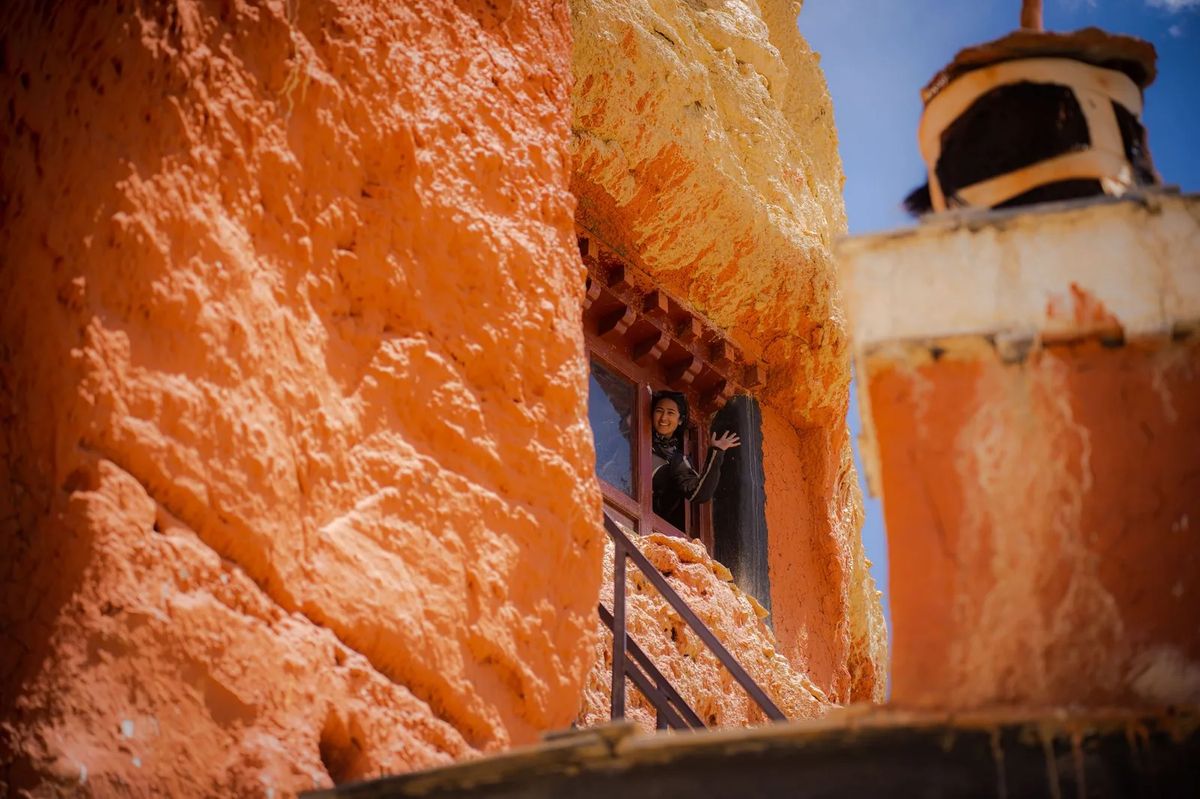
The kingdom he inherited had nothing to do with modern Nepal's borders. Ame Pal unified the trading chiefs of the upper Kali Gandaki valley in 1380 and built Lo Manthang as a fortress-capital, its clay walls enclosing royal palace, monasteries and townhouses that, by most accounts, look almost exactly as they did six centuries ago. For generations the kingdom grew wealthy controlling the salt trade route that ran through the Kali Gandaki Gorge between Tibet and the Indian plains — the same trans-Himalayan trade that sustained Dolpo's caravans further east. Lo became a Nepali dependency in the 18th century but kept its own king as a 'Petty Ruler' under the Rajya Rajauta Act, a formal recognition that lasted through Nepal's monarchy, its civil war, and into its 2008 transition to a republic — when parliament finally scrapped the act and, with it, every remaining hereditary title in the country, Mustang's included.
| Year | Event |
|---|---|
| 1380 | Ame Pal founds the Kingdom of Lo, builds walled Lo Manthang |
| 1964 | Jigme Dorje Palbar Bista crowned 25th king, succeeding his father |
| 1962–1992 | Mustang closed to foreigners over Khampa guerrilla activity |
| 2008 | Nepal abolishes the titular kingship, Rajya Rajauta Act repealed |
| 2016 | Bista dies in Kathmandu, aged 86 — no successor recognized by the state |
The 1962 closure had nothing to do with the king and everything to do with Tibet: after China annexed Tibet in 1959, Khampa resistance fighters based themselves in Mustang's high valleys, and Nepal locked the whole district down as a restricted area to keep the conflict from spilling south. It stayed sealed for three decades — an entire generation of Nepalis grew up with Mustang as a rumor, not a place — until 1992, when the first trekking permits were finally issued and the walled city that time had otherwise left alone became, briefly, visible to the outside world.
What this means for trekkers
What this means for you
Bista's death didn't change what's on the ground: Lo Manthang's walls, palace and 15th-century monasteries still stand, and the restricted-area permit system his kingdom's closure created is still how you get in — our permits guide covers what that costs and how to apply. His family still holds cultural, if not political, standing in Lo Manthang, and Mustang remains one of the only places in the Himalaya where you can walk into a walled medieval capital that a hereditary king ruled within living memory.
What makes the story land, six centuries after Ame Pal built those walls, isn't the politics — it's the timing. Bista lived long enough to watch his kingdom go from forbidden to famous, his own title go from real to ceremonial to abolished, all inside one lifetime. Few places anywhere let you trace a live human story back to the 14th century and still buy a permit to walk through the front gate.
Cover photo: Nepal Moto Tours via Pexels (Pexels License).
Still running this season
Upper Mustang Trek — 12 Days is running normally
NMA-certified local guides, transparent pricing, 5,000+ treks since 1998. Message us your dates and we'll sort the permits, lodges and logistics — reply within 24 hours, no obligation.
Popular Nepal treks
All treks →
Related coverage
Records & People
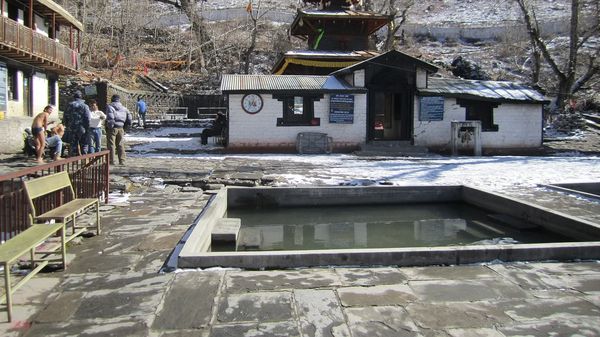
Nepal Has a Temple Where Fire Burns Straight Out of Water, and Nobody Fully Explains Why It Never Goes Out
At 3,710 metres beneath the Thorong La pass, a natural gas seep keeps a flame burning above a spring at Muktinath, a site sacred to both Hindus and Buddhists.
Records & People
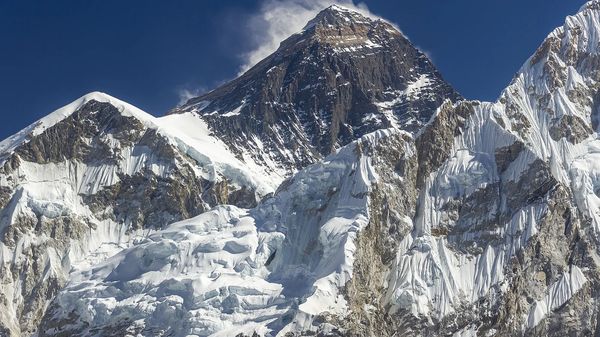
Everyone has seen the Everest traffic jam photo, this is what standing in that line actually does to you
In 2019 a record 381 permits funnelled onto Everest during just two good-weather days put hundreds of climbers in a single queue above 8,000 m. Eleven died. The crowd, not the mountain, was the danger.
Records & People
Nepal's Rhinos Fell to Under 100 Animals. The Last Count Found 752.
The greater one-horned rhino nearly vanished from Nepal twice in living memory — and the same country then built one of Asia's strictest anti-poaching operations to bring it back.
Safety & Advisories
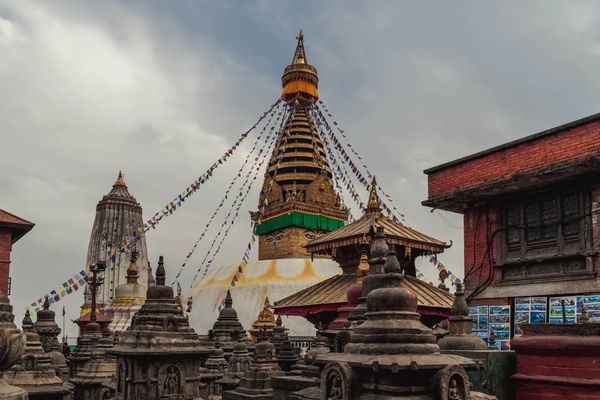
Is a Kathmandu Valley Tour Affected by the 2026 Nepal Floods?
No — Kathmandu is the capital, at about 1,400 m in central Nepal, well south of the Rasuwa flood. The airport is running normally and every UNESCO heritage site in the valley is open. Here is the honest, detailed status.
Latest from the desk
Records & People
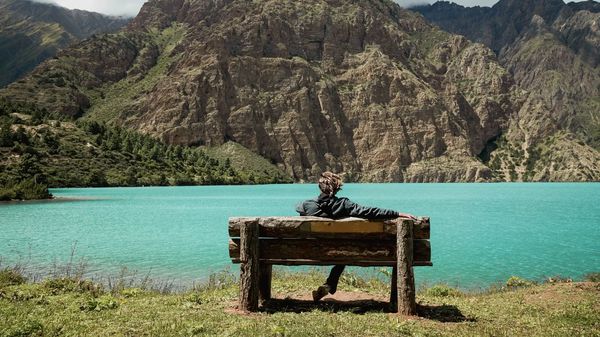
Everyone Calls This Nepal's Deepest Lake. A Government Survey Says It Isn't.
Phoksundo's turquoise water and no-fishing custom are real, but Nepal's own hydrology surveys put the actual depth record on a different lake entirely.
Flights & Access
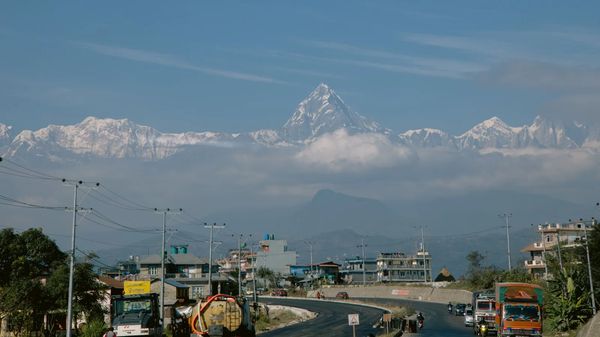
Pokhara Just Got Its First Real International Flight, Three Years After the Airport Opened
flydubai starts daily Dubai–Pokhara flights on 23 September 2026, the first scheduled international airline to serve Nepal's trekking capital since its $216 million airport opened in 2023.
Festivals & Events
Dashain 2027 tika is Saturday 9 October, twelve days earlier than this year
Dashain 2027 runs 30 September to 14 October, tika on Saturday the 9th. Bhai Tika is 31 October. Why the early date matters for an autumn trek.