
The Dishwasher Who Owns Everest's Toughest Record: Lhakpa Sherpa's 11th Summit
Born in a cave in the Makalu foothills, Lhakpa Sherpa survived domestic abuse and years of dishwashing shifts in Connecticut — then returned to Everest for an 11th summit on May 17, 2026, a record no other woman holds.
At a glance
- Published · updated
- TopicRecords & People
- Verified againstThe Kathmandu Post
- Treks coveredEverest Base Camp Trek — 14 Days, Everest Three High Passes Trek — 20 Days
Key facts
- Lhakpa Sherpa, 53, summited Everest for the 11th time on May 17, 2026 — more ascents than any other woman in history.
- She was born in 1973 in a cave in Balakharka, in Nepal's remote Makalu region, one of eleven children, and never attended school.
- In 2000 she became the first Nepali woman to summit Everest and survive the descent; her predecessor, Pasang Lhamu Sherpa, died coming down in 1993.
- Between summits she survived 12 years of domestic abuse in the US and worked as a dishwasher, housekeeper and construction labourer in Hartford, Connecticut, raising three children alone.
- Her story is the subject of the 2024 Netflix documentary Mountain Queen: The Summits of Lhakpa Sherpa.
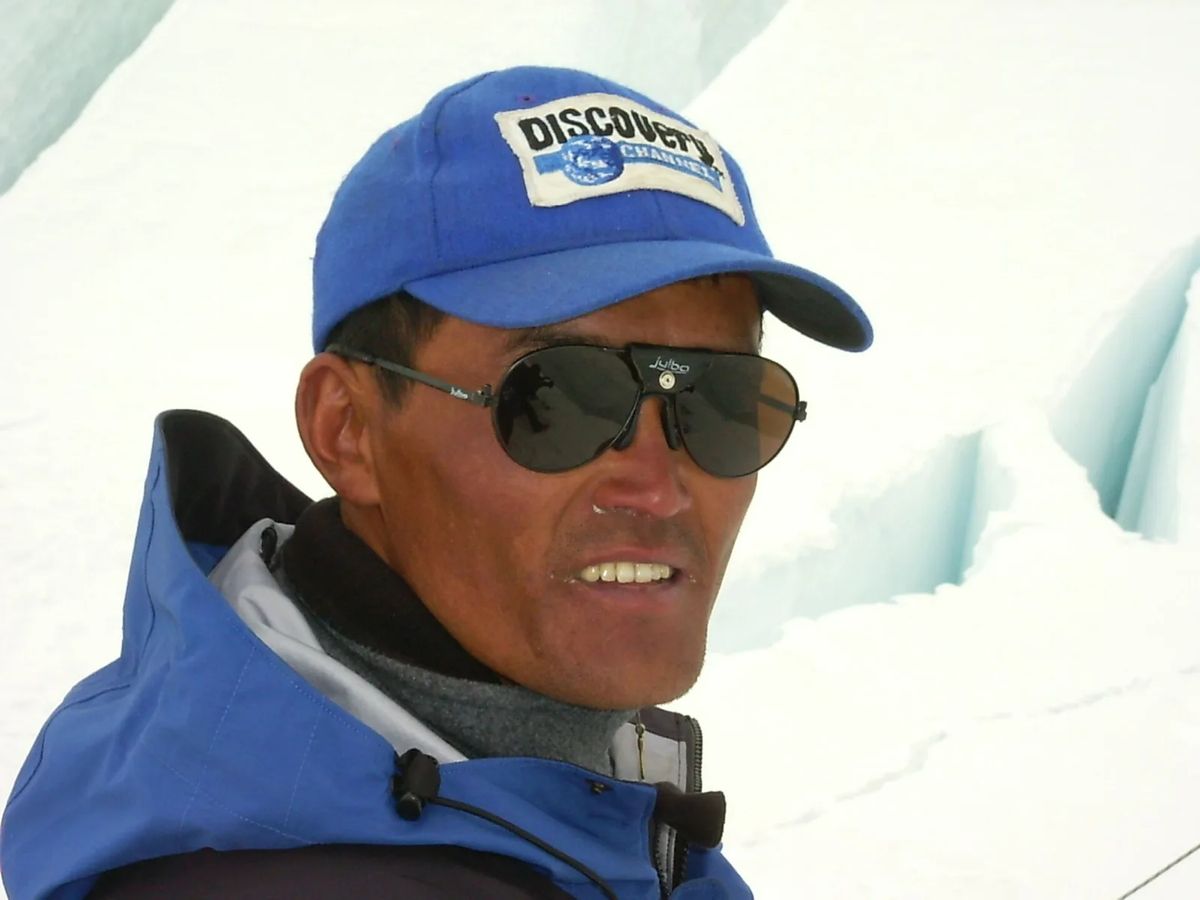
Lhakpa Sherpa was born in a cave. Her name comes from the Nepali word for Wednesday, the day of the week she arrived, because in a Makalu-region family raising eleven children in the early 1970s, a birth certificate wasn't a priority. She never went to school; instead she carried her younger brother two hours each way so that he could. On May 17, 2026, that same woman, now 53, stood on the summit of Mount Everest for the eleventh time — a record for any woman on Earth, and one only she holds.
Her climbing history stretches back further than most of today's Everest guides have been alive. In 2000, Lhakpa became the first Nepali woman to summit Everest and survive the descent, leading the Nepali Women Millennium Expedition. That distinction mattered: Nepal's first female Everest summiteer, Pasang Lhamu Sherpa, reached the top in 1993 but died on the way down. Lhakpa's safe return, and the ten summits that followed it, quietly built the record now recognised by Guinness World Records as the most Everest ascents by a woman.
| Ascent | Year |
|---|---|
| 1 | 2000 |
| 2 | 2001 |
| 3 | 2003 |
| 4 | 2004 |
| 5 | 2005 |
| 6 | 2006 |
| 7 | 2016 |
| 8 | 2017 |
| 9 | 2018 |
| 10 | 2022 |
| 11 | 2026 |
What that timeline hides is everything that happened between the climbs. In 2002, Lhakpa married Romanian-American climber Gheorghe Dijmărescu after meeting him at a Nepal-Pakistan mountaineering event. The marriage, by her own later account, turned physically and verbally abusive over twelve years, culminating in a 2012 beating severe enough to need emergency-room treatment. She divorced him in 2015 and won sole custody of her two daughters. Through much of that period and after it, she supported her three children, daughters Sunny and Shiny and son Nima, on wages from dishwashing, housekeeping and construction work in Hartford, Connecticut — not from sponsorship, which barely existed for her for most of her career. She squeezed training and climbing seasons in around shift work, self-funding early expeditions and crowdfunding her 2022 summit.
Recognition came late but has arrived: the BBC named her to its 100 Women list in 2016, and in 2024 Netflix released Mountain Queen: The Summits of Lhakpa Sherpa, a documentary by Lucy Walker that won the Grand Prize at that year's Kendal Mountain Festival. She has also summited K2, widely considered the world's most dangerous 8,000m peak, in 2023, at age 49.
What this means for trekkers
What this means for you
Lhakpa's record was built almost entirely on the Nepal and Tibet sides of the very mountain our trekkers walk toward every autumn and spring. Her three south-route summits went through the same Khumbu villages, Sherpa lodges and Base Camp trail that any Everest Base Camp trekker passes through today, guided by the same NMA-trained Sherpa community that produced her. You don't need her résumé to stand where she stood at Base Camp; you need a realistic itinerary, a licensed guide, and the patience to acclimatise properly. Her story is also a useful corrective to how the mountain gets talked about: the person with the most Everest summits of any woman in history spent years washing dishes for a living. Big achievements here rarely come with big sponsorship attached.
Trekkers drawn to the same peaks Lhakpa Sherpa has spent 26 years returning to can walk to Base Camp on our 14-day Everest Base Camp trek, or go further along her own route with the Everest Three High Passes trek.
Source: The Kathmandu Post
Cover photo: Wikimedia Commons via Wikimedia Commons (CC BY-SA 3.0).
Still running this season
Everest Base Camp Trek — 14 Days is running normally
NMA-certified local guides, transparent pricing, 5,000+ treks since 1998. Message us your dates and we'll sort the permits, lodges and logistics — reply within 24 hours, no obligation.
Popular Nepal treks
All treks →
Related coverage
Industry & Tourism
Everest Just Had Its Busiest Climbing Season Ever. Climbers Also Left Behind 90,000 Kilograms of Trash.
A record 701 climbers pushed for the summit this spring, and the mountain's cleanup crews hauled down a record amount of waste right behind them.
Records & People
Nobody tells you Everest can only be climbed a few days a year, and the jet stream is why
For most of the year a jet stream sits on the summit of Everest with winds over 250 km/h. It lifts north for a few weeks each May when the monsoon pushes it aside, and that short calm is the only time the mountain is climbable.
Records & People
Everyone has seen the Everest traffic jam photo, this is what standing in that line actually does to you
In 2019 a record 381 permits funnelled onto Everest during just two good-weather days put hundreds of climbers in a single queue above 8,000 m. Eleven died. The crowd, not the mountain, was the danger.
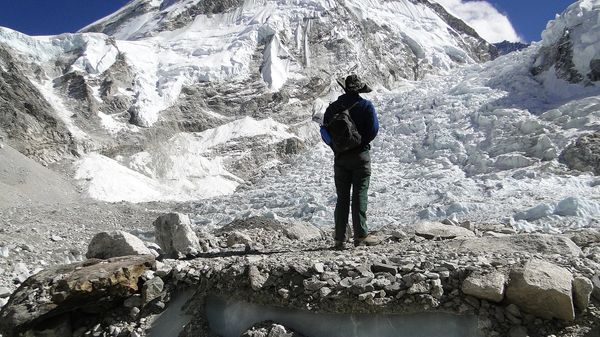
Records & People
Nobody tells you what it really costs to climb Everest so I added up every dollar
Why a guided Everest expedition runs from about US$35,000 to well over US$100,000 — the permit, the oxygen, the Sherpa team and the logistics, line by line, with real 2026 numbers.
Latest from the desk
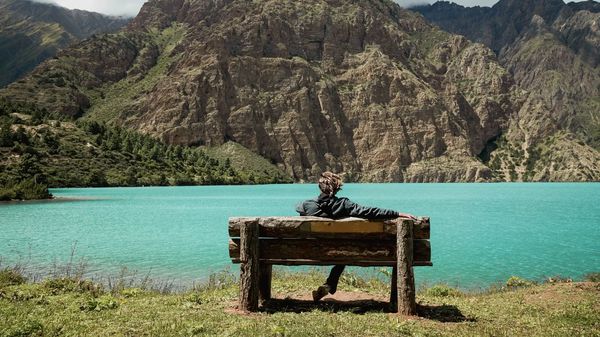
Records & People
Everyone Calls This Nepal's Deepest Lake. A Government Survey Says It Isn't.
Phoksundo's turquoise water and no-fishing custom are real, but Nepal's own hydrology surveys put the actual depth record on a different lake entirely.
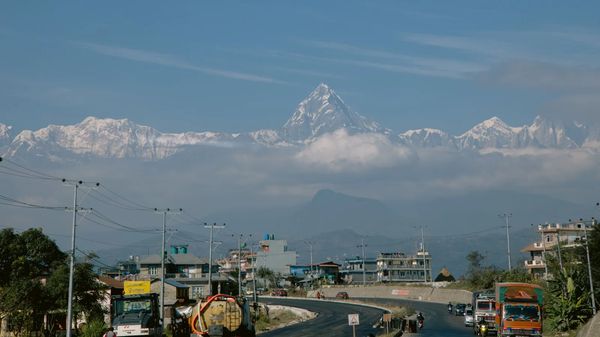
Flights & Access
Pokhara Just Got Its First Real International Flight, Three Years After the Airport Opened
flydubai starts daily Dubai–Pokhara flights on 23 September 2026, the first scheduled international airline to serve Nepal's trekking capital since its $216 million airport opened in 2023.
Festivals & Events
Dashain 2027 tika is Saturday 9 October, twelve days earlier than this year
Dashain 2027 runs 30 September to 14 October, tika on Saturday the 9th. Bhai Tika is 31 October. Why the early date matters for an autumn trek.