
Nobody tells you what it really costs to climb Everest so I added up every dollar
Why a guided Everest expedition runs from about US$35,000 to well over US$100,000 — the permit, the oxygen, the Sherpa team and the logistics, line by line, with real 2026 numbers.

At a glance
- Published · updated
- TopicRecords & People
- ReportingOriginal, by our guides in Pokhara
- Treks coveredEBC Trek & Helicopter Return — 10 Days, Everest Base Camp Trek — 14 Days
People ask us this more than almost anything else about Everest: what does it actually cost to climb it? The honest answer is that a guided expedition to the summit runs from about US$35,000 at the very bottom to well over US$100,000 at the top, with most climbers landing somewhere between US$45,000 and US$70,000 for the 2026 spring season. Here is where that money goes, line by line, from someone who works on the mountain that the trekkers we host walk up to.
The permit is only the entry ticket
In September 2025 Nepal raised the spring Everest permit from US$11,000 to US$15,000 per climber — the first increase in a decade. Autumn permits rose to US$7,500 and winter and monsoon permits to US$3,750. On the Nepal side every team also lodges a US$4,000 garbage deposit, refunded only if they carry their waste back down, and pays a rope-fixing and route contribution of around US$600 per person for the ladders and fixed lines through the Khumbu Icefall and up the mountain. We covered the fee rise and what it funds in our report on Nepal’s record permit revenue.

But the permit is a small slice of the total. What you are really buying is a two-month, fully supported operation at the limit of human tolerance.
| Line item | Typical 2026 cost |
|---|---|
| Nepal climbing permit (spring) | $15,000 |
| Garbage deposit (refundable) | $4,000 |
| Rope-fixing / route fee | ~$600 |
| Supplemental oxygen (6–8 bottles) | $3,000–$4,800 |
| Personal climbing Sherpa (wage + bonus) | $6,000–$12,000 |
| Base-camp logistics, food, tents, Icefall crossings | $8,000–$20,000 |
| Flights, gear, insurance, evacuation cover | $5,000–$15,000 |
| All-in guided package | $35,000–$130,000 |
Where the money actually goes
The two biggest variables are oxygen and people. Supplemental oxygen costs roughly US$550–$650 a bottle, and a summit climber typically uses six to eight, so oxygen alone is US$3,000–$4,800 before anyone carries it. The human cost is larger and more important: a high-altitude climbing Sherpa earns roughly US$5,000–$10,000 for the season, plus a summit bonus of US$1,000–$2,000. On a well-run expedition that is money going to the most skilled — and most exposed — workers on the mountain, and it is the line we least want anyone to cut.
What the cheapest packages cut
The cheapest packages save money by thinning exactly the support that keeps people alive — fewer oxygen bottles, a shared rather than personal Sherpa, less experienced base-camp medical cover. The most expensive add private guides, extra oxygen, better food, weather forecasting and helicopter contingencies. Between those poles, most reputable operators sit around US$45,000–$70,000. None of it, at any price, removes the risk.
The costs outside the package
And the sticker price is rarely the whole bill. Specialist high-altitude insurance with helicopter evacuation and repatriation cover is essential and adds hundreds to low thousands of dollars. Personal down suits, boots, harnesses and sleeping systems can run to several thousand more. Most climbers also spend a year or more — and real money — on training climbs of smaller peaks before they are ready. Then there is the two-month commitment itself: an Everest expedition is roughly forty to sixty days on and around the mountain, so for most people the cost includes time away from work and family that no invoice ever shows.
The honest bit
You do not need US$45,000, bottled oxygen or a death-zone night to stand in front of Everest. The trek to Everest Base Camp reaches 5,364 m, looks straight up at the summit pyramid, and costs a small fraction of a climbing permit — let alone an expedition. It is how most people meet this mountain, and it is the trip we run more than any other.
The affordable way to see Everest
Walk to Base Camp instead
Two ways to stand beneath the summit without an expedition budget:
- Everest Base Camp Trek — 14 days · the classic walk-in to 5,364 m
- EBC Trek & Helicopter Return — 10 days · trek up, fly out over the Khumbu
Message us on WhatsApp at +977 9856023917 or ask us about your dates →
Sources. Everest permit fees, spring US$15,000 (up from US$11,000, effective 1 Sept 2025), autumn US$7,500, winter/monsoon US$3,750: Nepal Department of Tourism, reported by Climbing and The Kathmandu Post. Expedition cost ranges, oxygen (~US$550–650/bottle, 6–8 bottles), Sherpa wages (US$5,000–10,000/season + US$1,000–2,000 summit bonus), garbage deposit US$4,000, rope-fixing ~US$600: Climbing magazine 2026 cost analysis and published operator pricing (spring 2026). For the trekking-cost comparison see our all-in cost of the Everest Base Camp trek.
Cover photo: Alpalfour via Wikimedia Commons (CC BY-SA 3.0). Section photos: Jean-Paul Wettstein via Pexels (Pexels licence); Jan van der Wolf via Pexels (Pexels licence); WoodysMedia via Pexels (Pexels licence).
Still running this season
EBC Trek & Helicopter Return — 10 Days is running normally
NMA-certified local guides, transparent pricing, 5,000+ treks since 1998. Message us your dates and we'll sort the permits, lodges and logistics — reply within 24 hours, no obligation.
Popular Nepal treks
All treks →
Live travel desk
Related coverage
Records & People
How many Americans have died on Everest, and why nobody can give you a real number
No one publishes an official count by nationality. Here are the American deaths that can be documented since 1963, and what the record actually shows.
Records & People
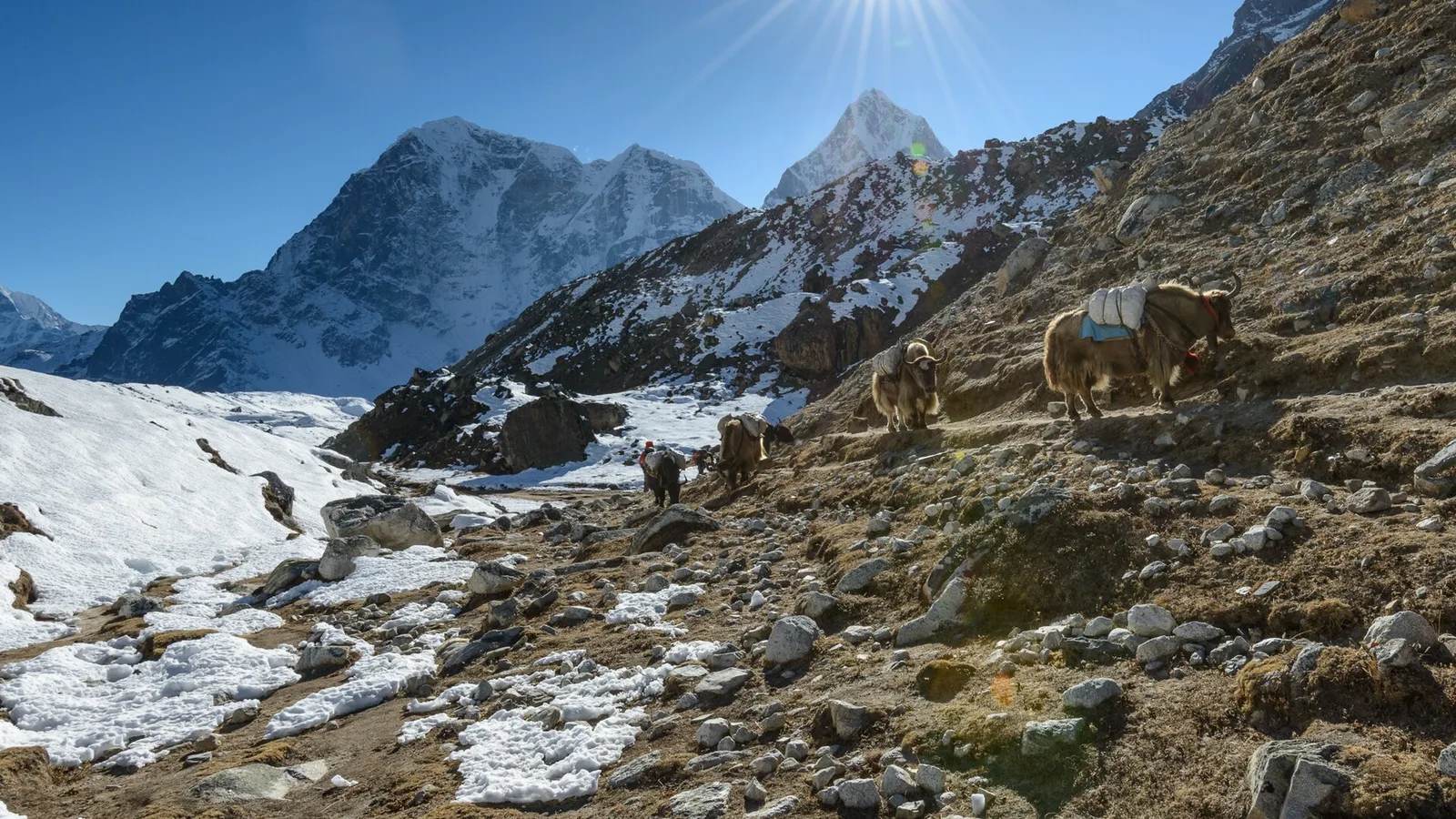
Nobody Tells You Most 'Yaks' Photographed on the Everest Trail Aren't Yaks at All
The shaggy pack animal hauling your duffel bag below about 3,500m almost certainly isn't a yak, but a dzo, a yak-cattle hybrid bred because real yaks can't handle the heat.
Records & People
Tom Hiddleston Walked to Everest Base Camp for a Film That Finally Puts Tenzing Norgay First
Apple’s new film Tenzing sent Tom Hiddleston and co-star Genden Phuntsok trekking to Everest Base Camp before filming, here’s the real 1953 story.
Records & People
Eight Sherpas Build the Path Every Everest Climber Walks, and This Spring One Ice Tower Stopped Them for 19 Days
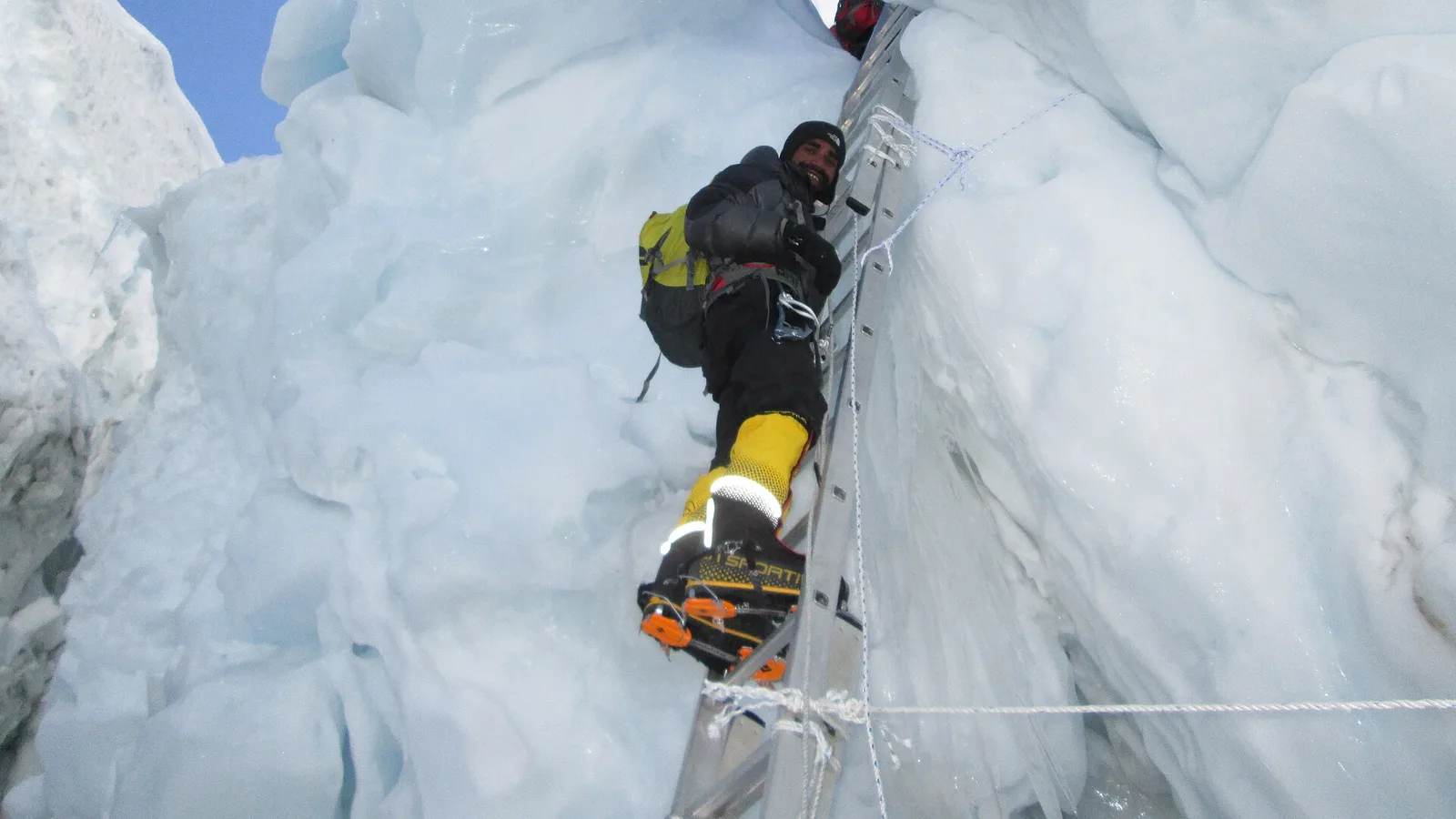
The Icefall Doctors fix the ladders and ropes through the Khumbu Icefall each spring, and in 2026 a 28-metre serac made it the latest route opening in years.
Latest from the desk
Breaking Flights & Access
Nuremberg Airport Shut After a Plane Sent a Hijack Code, Here’s What You Are Owed If Your Flight Was Diverted or Delayed
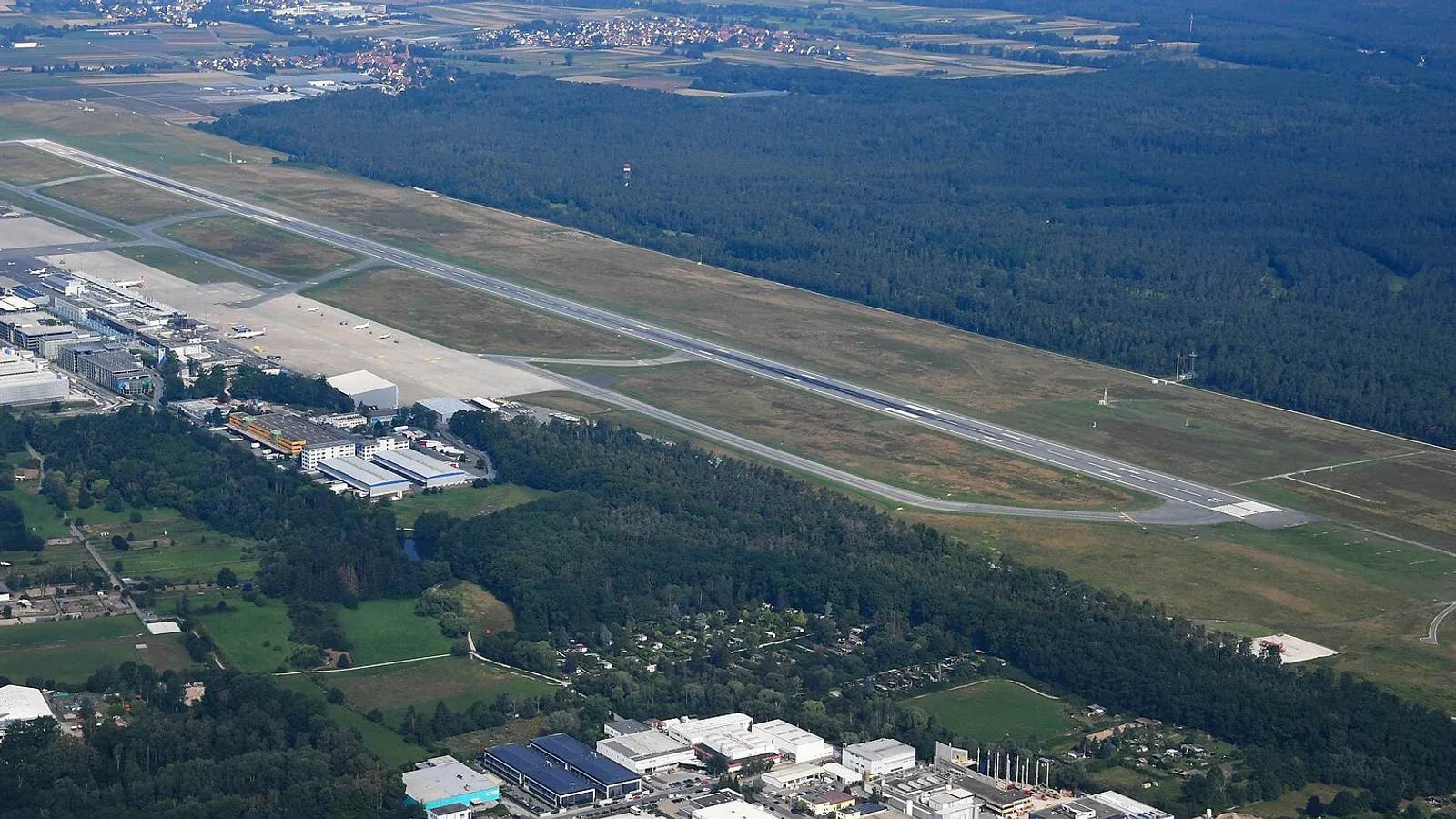
A Corendon jet squawked 7500 and Eurofighters escorted it in. Under EU261 your care rights apply regardless, but cash compensation is unlikely.

Breaking Flights & Access
Nuremberg Airport Shut Over a False Hijack Alert, Here’s What You’re Owed If Your Flight Was Delayed or Diverted
A radio fault on a Corendon flight sent a hijack code and closed Nuremberg airport. Security closures usually void EU261 cash, but meals and rerouting still apply.
Breaking Flights & Access
Hurricane Simon Shut Puerto Vallarta Airport, Here’s What Airlines Owe You and What They Don’t
Puerto Vallarta’s airport stayed closed into Tuesday 13 October. You can rebook free or get a refund, but cash compensation for weather is not owed.