
97 peaks, zero royalty: Nepal's free-climbing window in the wild far west
Until July 2027, Nepal has waived all climbing royalties on 97 Himalayan peaks across Karnali and Sudurpaschim — a once-in-a-generation opening for adventurous climbers willing to go remote.
At a glance
- Published · updated
- TopicPermits & Rules
- Verified againstThe Himalayan Times
- Treks coveredApi Base Camp Trek — 16 Days, Limi Valley Trek — 20 Days, Mera Peak Climbing — 15 Days
While Everest's permit price climbed to USD 15,000, Nepal quietly did the opposite at the other end of the country. To pull climbers toward its least-visited corners, the government has waived the climbing royalty entirely on 97 Himalayan peaks across the remote far-western provinces of Karnali and Sudurpaschim. For two years the royalty on these mountains is zero — you still register and take out a permit through the Department of Tourism, but the fee itself is waived — and for the right climber that is a rare invitation.
From the trail · Dolpo


Key facts
- 97 peaks opened with zero royalty
- 77 in Karnali, 20 in Sudurpaschim province
- Window: 17 July 2025 to 17 July 2027
- Waived royalties normally run USD 500 to 2,000+ per peak
What has actually changed
Climbing any Nepali peak normally means paying a royalty — anywhere from a few hundred dollars for a small mountain to many thousands for the giants. For these 97 peaks, that fee has been set to zero for a fixed two-year window running to 17 July 2027. The aim is openly strategic: spread climbers away from the crowded Everest and Annapurna circuits and channel income toward some of Nepal's poorest, most beautiful districts, where a single visiting team can meaningfully support local lodges, guides and porters.
The catch (and it is a real one)
Free of royalty does not mean free of effort, and this is country for experienced, self-sufficient mountaineers. The far west is Nepal at its most remote: long overland approaches, sparse infrastructure, few teahouses and limited rescue cover. You will still need proper logistics, a capable guide and team, full expedition self-sufficiency, and any restricted-area permits that apply to the approach. These are not trekking peaks with a fixed-rope highway — many are rarely or never climbed, with little route information to lean on.
What this means for you
If you are building toward bigger Himalayan objectives — including a future Everest under the new 7,000m-experience rule — a far-west expedition is a rare chance to gain serious, genuine alpine experience without a royalty bill. It is also the most direct way to put your money into communities that see almost no tourism. This is a trip to plan carefully with a strong operator, not a spontaneous add-on.
A different kind of Nepal
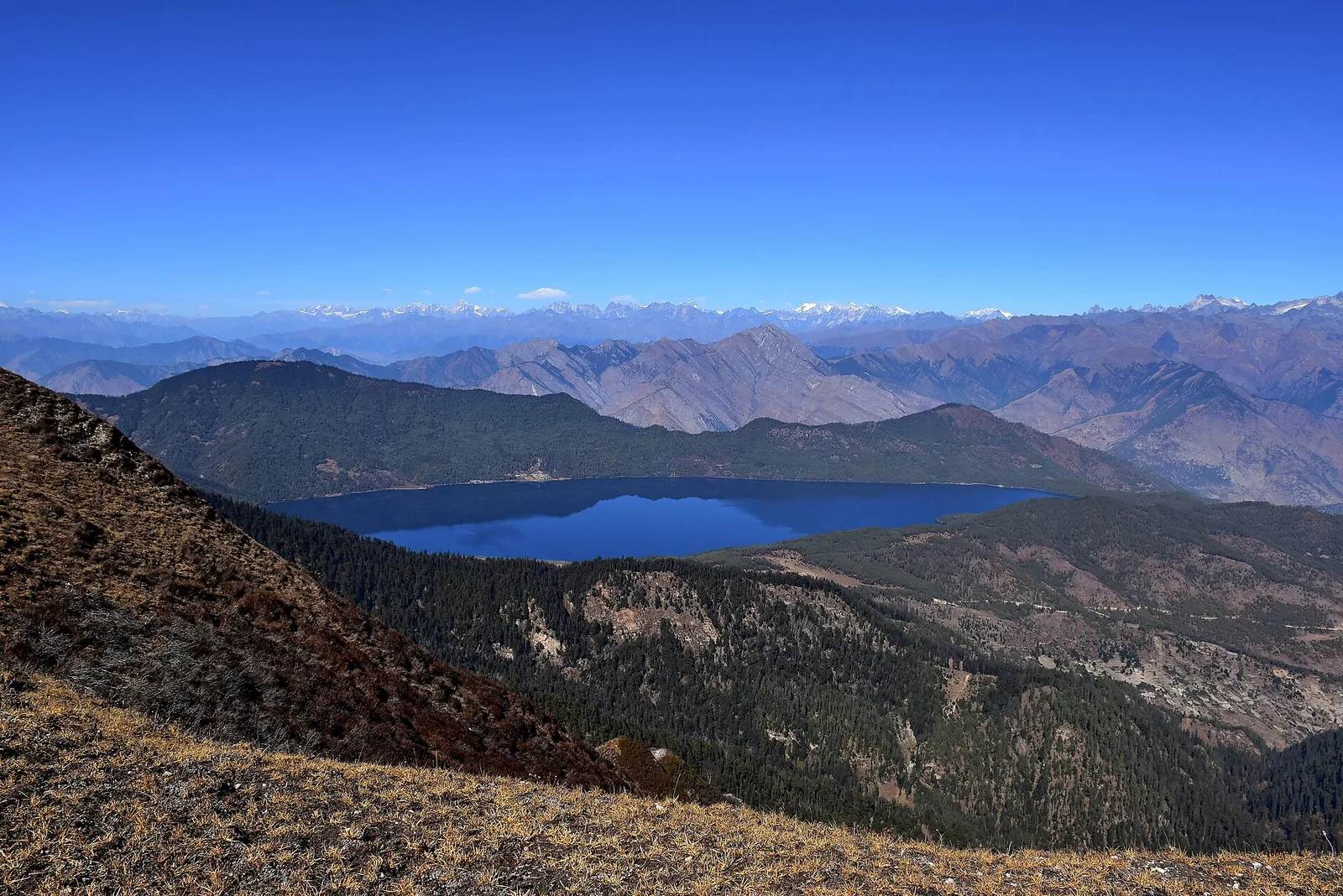
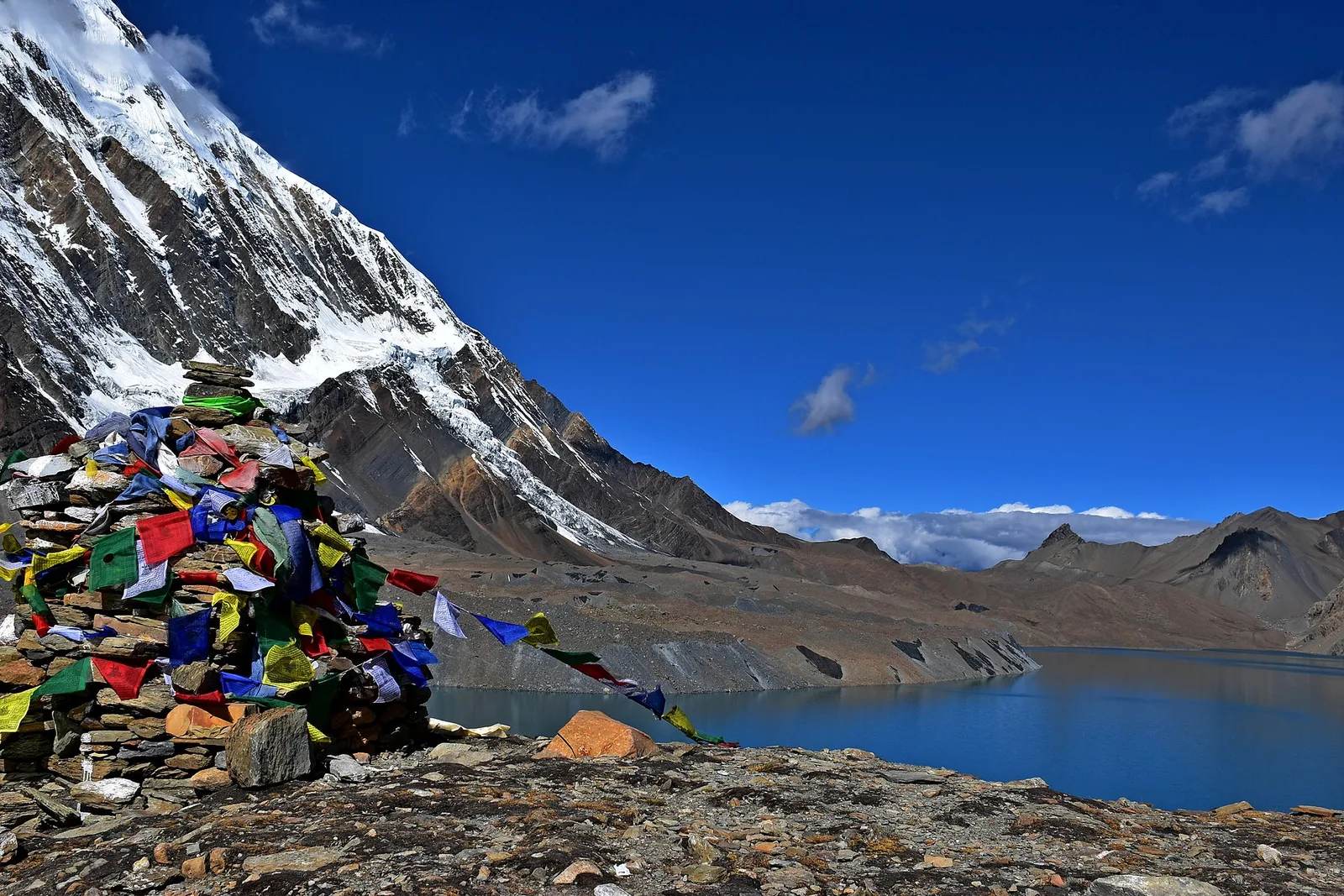
Karnali and Sudurpaschim are the Nepal most visitors never see — the country of Rara Lake, Limi Valley, Humla and the Api-Saipal massifs, where Tibetan-influenced culture, empty trails and raw mountain wilderness still feel genuinely undiscovered. The royalty waiver is a two-year invitation to a part of the Himalaya that rewards self-reliance with a solitude you simply cannot buy on the famous trails. The clock, though, is running: the window closes in July 2027, and trips this remote need long lead times to organise well.
Source: The Himalayan Times; Cabinet decision of 17 July 2025, implemented by the Department of Tourism; Nepal Department of Tourism.
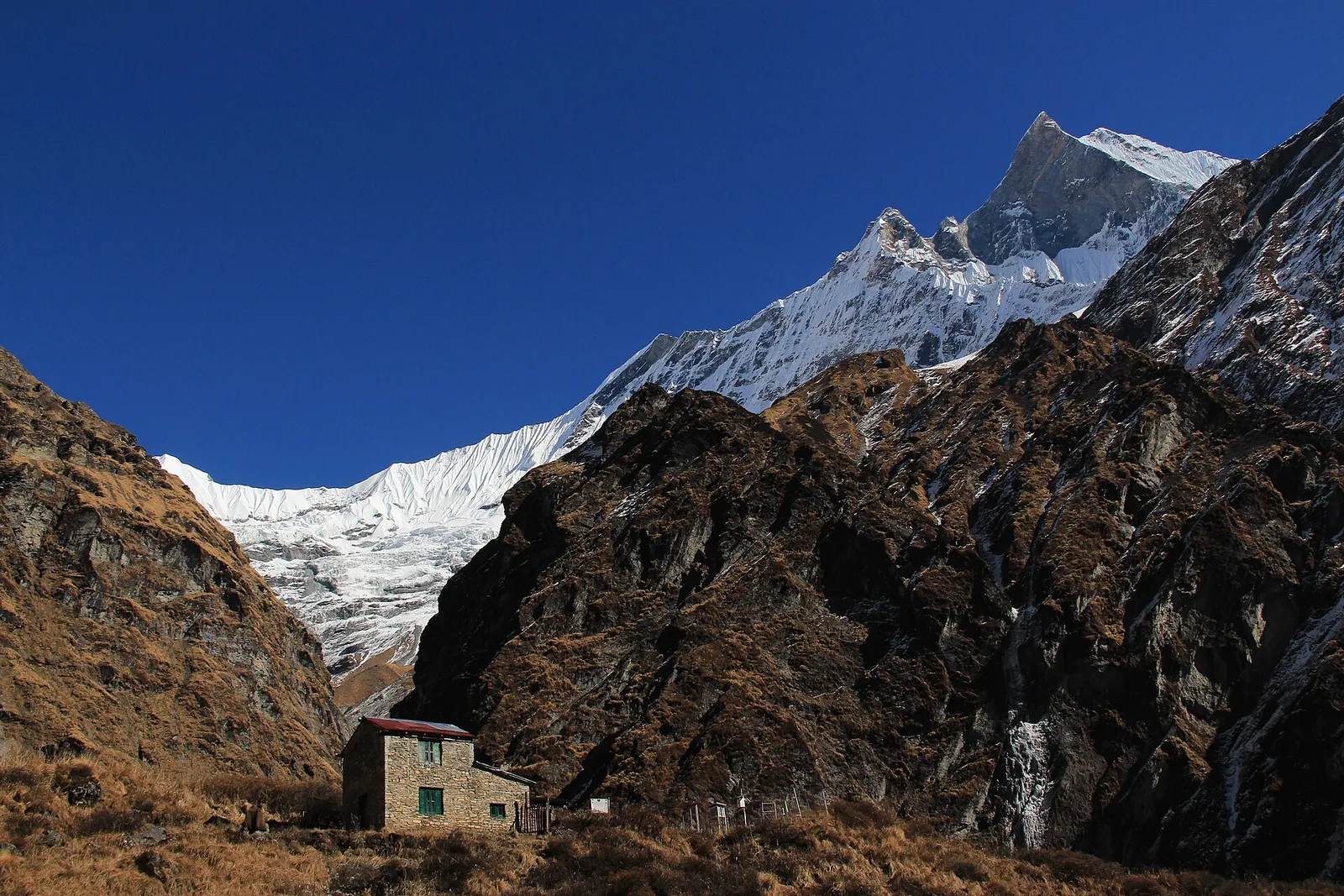
Cover photo: Prabeshsdev with additional fixes by Cart via Wikimedia Commons (CC BY-SA 4.0).
Still running this season
Api Base Camp Trek — 16 Days is running normally
NMA-certified local guides, transparent pricing, 5,000+ treks since 1998. Message us your dates and we'll sort the permits, lodges and logistics — reply within 24 hours, no obligation.
Popular Nepal treks
All treks →
Related coverage
Safety & Advisories
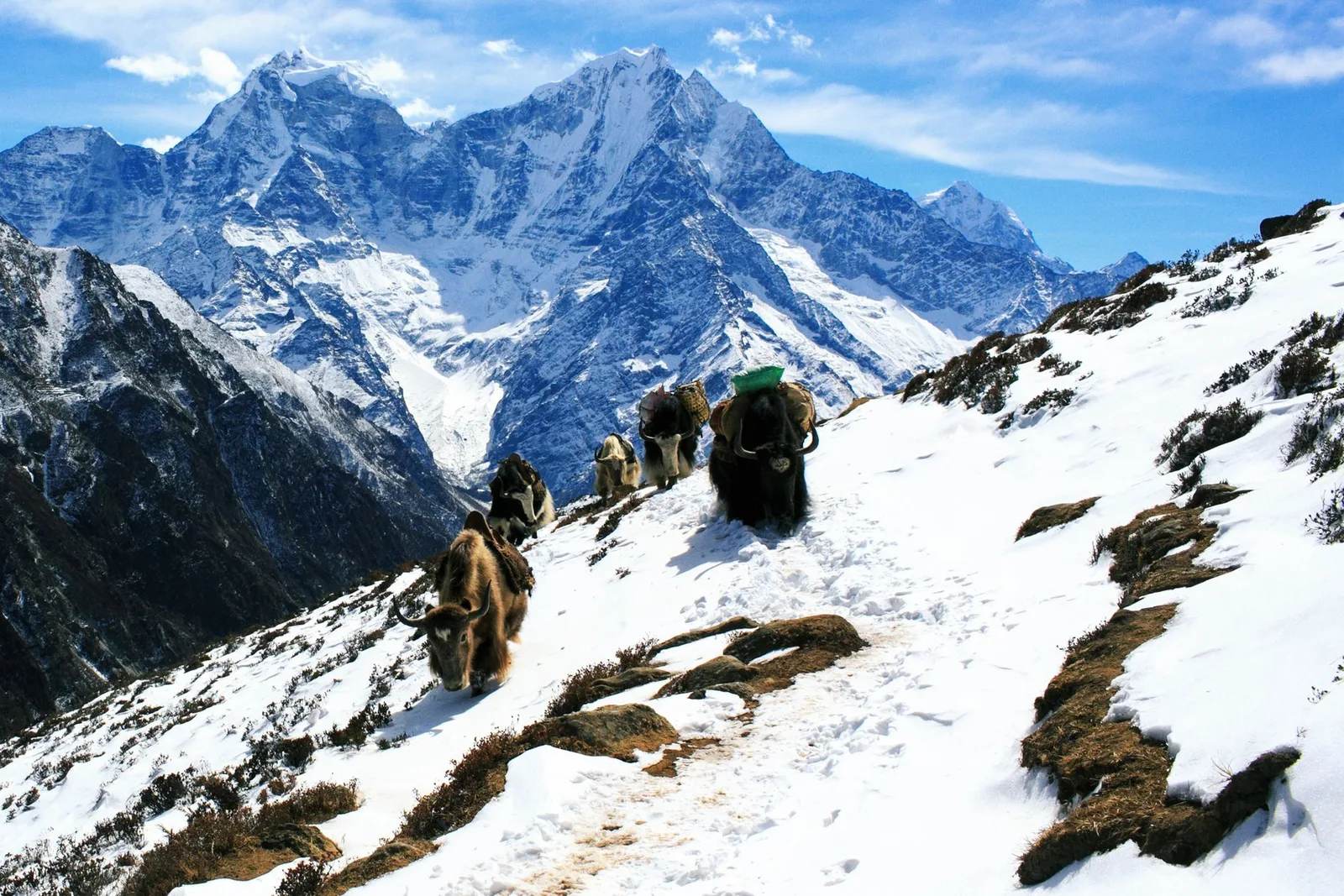
Is the Mera Peak Climb Affected by the 2026 Nepal Floods?
No — Mera Peak is in the Hinku valley of the Everest region and the climb is running normally. The 26 August flood hit Rasuwa in the north. What decides your summit is Lukla flights, acclimatisation, the weather window and your NMA permit — not the flood.
Safety & Advisories
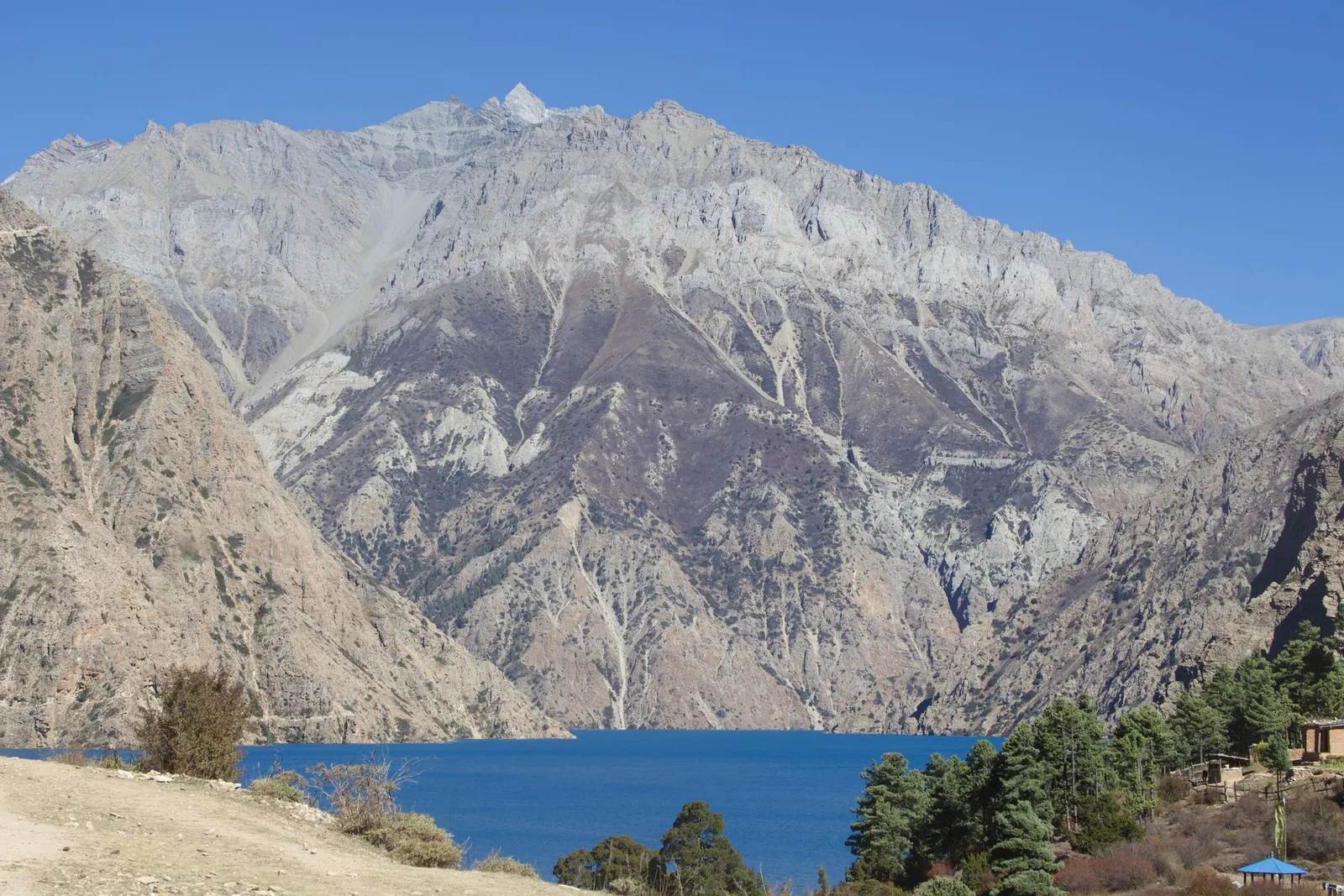
Is the Dolpo & Phoksundo Trek Affected by the 2026 Nepal Floods?
No — Dolpo and Shey Phoksundo sit in Nepal's remote far-western Karnali rain-shadow, hundreds of kilometres from the flood zone, and completely unaffected. Here's why — and the real planning points: the Juphal flight, restricted-area permits and a licensed guide.
Records & People
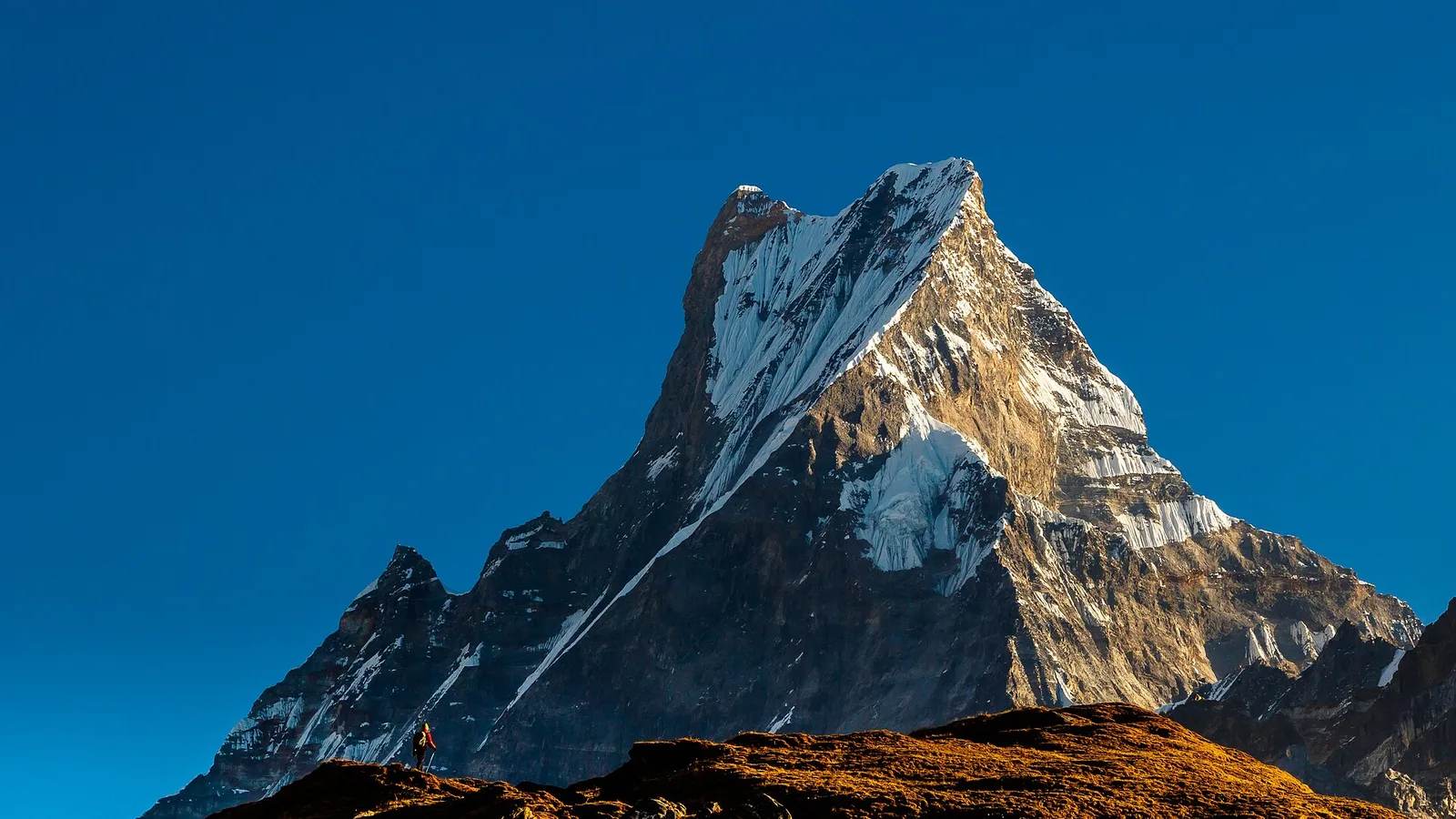
The Himalayan Peak So Sacred Nepal Has Never Once Let Anyone Legally Climb It
Machapuchare's twin summit rises 6,993 metres above Pokhara — and for more than sixty years, Nepal has refused every application to stand on top of it.
Records & People
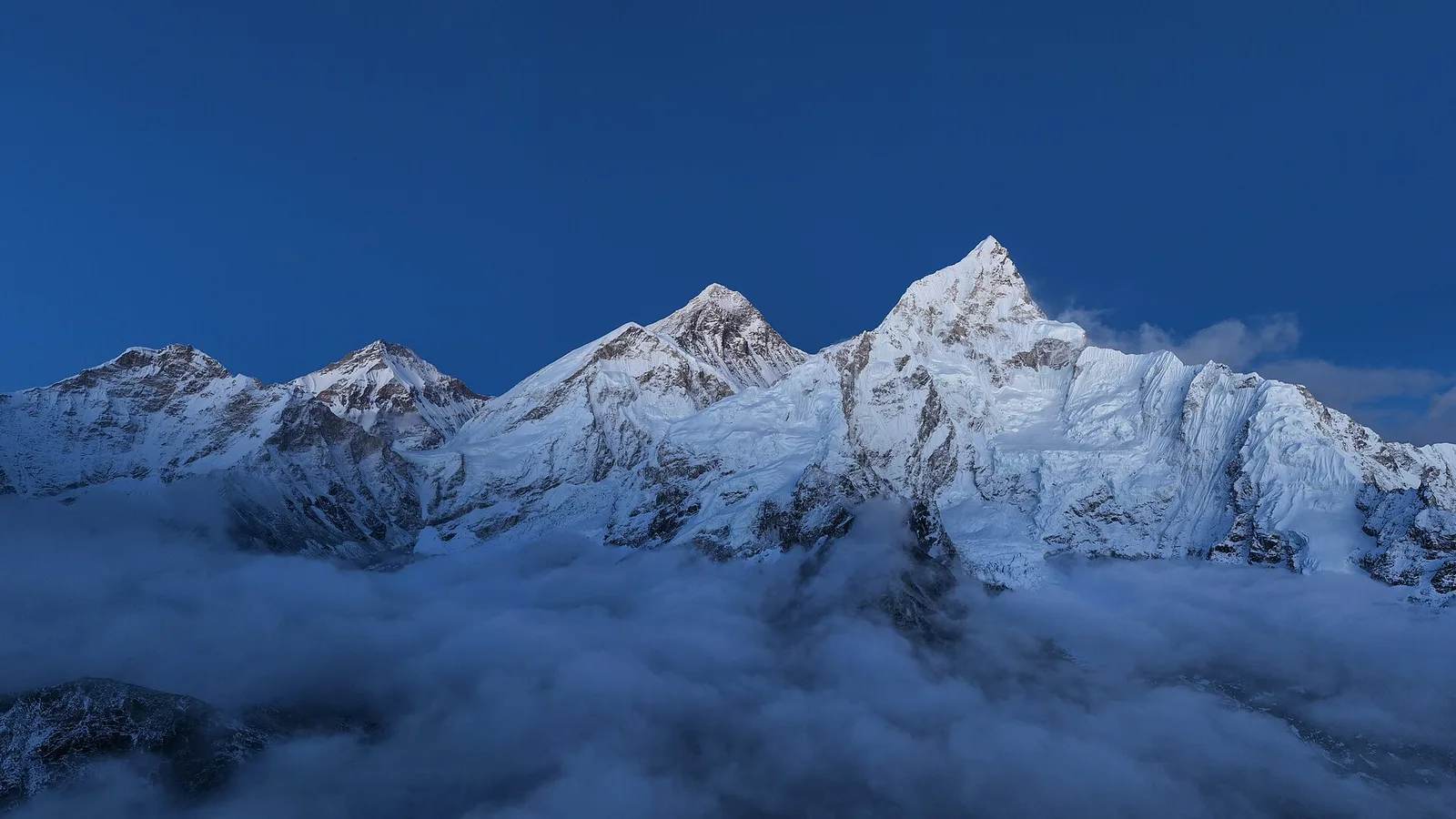
Mount Everest's Official Height Was Wrong for 65 Years, Until Nepal and China Finally Agreed in 2020
The number on every map, 8,848.86 metres, only became official on 8 December 2020, after two countries spent over a decade measuring the same mountain and getting two different answers.
Latest from the desk
Gear & Tech
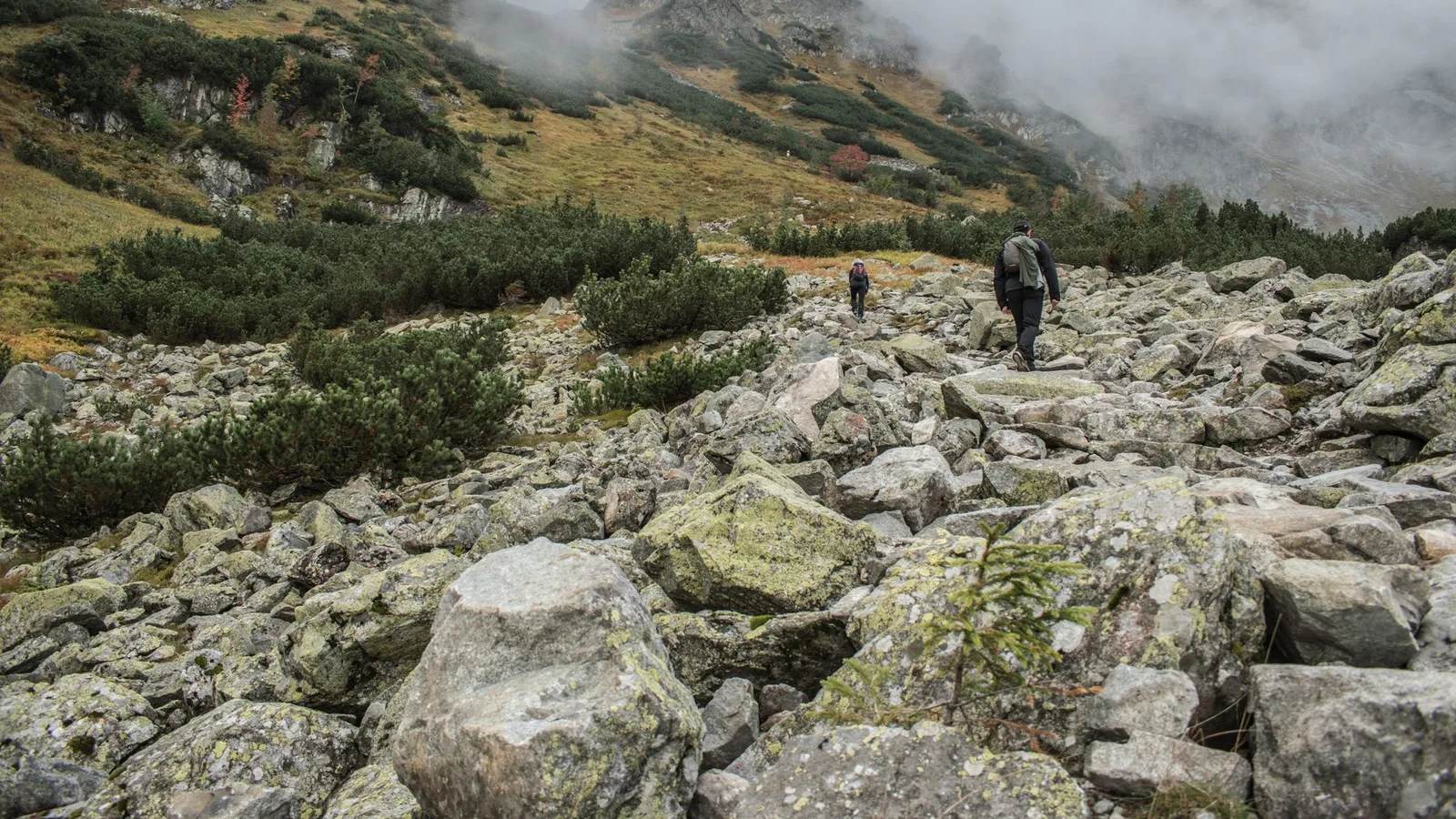
Trail shoes or hiking boots, and what the ankle-support research actually found
Most teahouse trekkers wear more boot than the walk needs, and the ankle-support argument holding that up is thinner than the shops suggest.
Gear & Tech
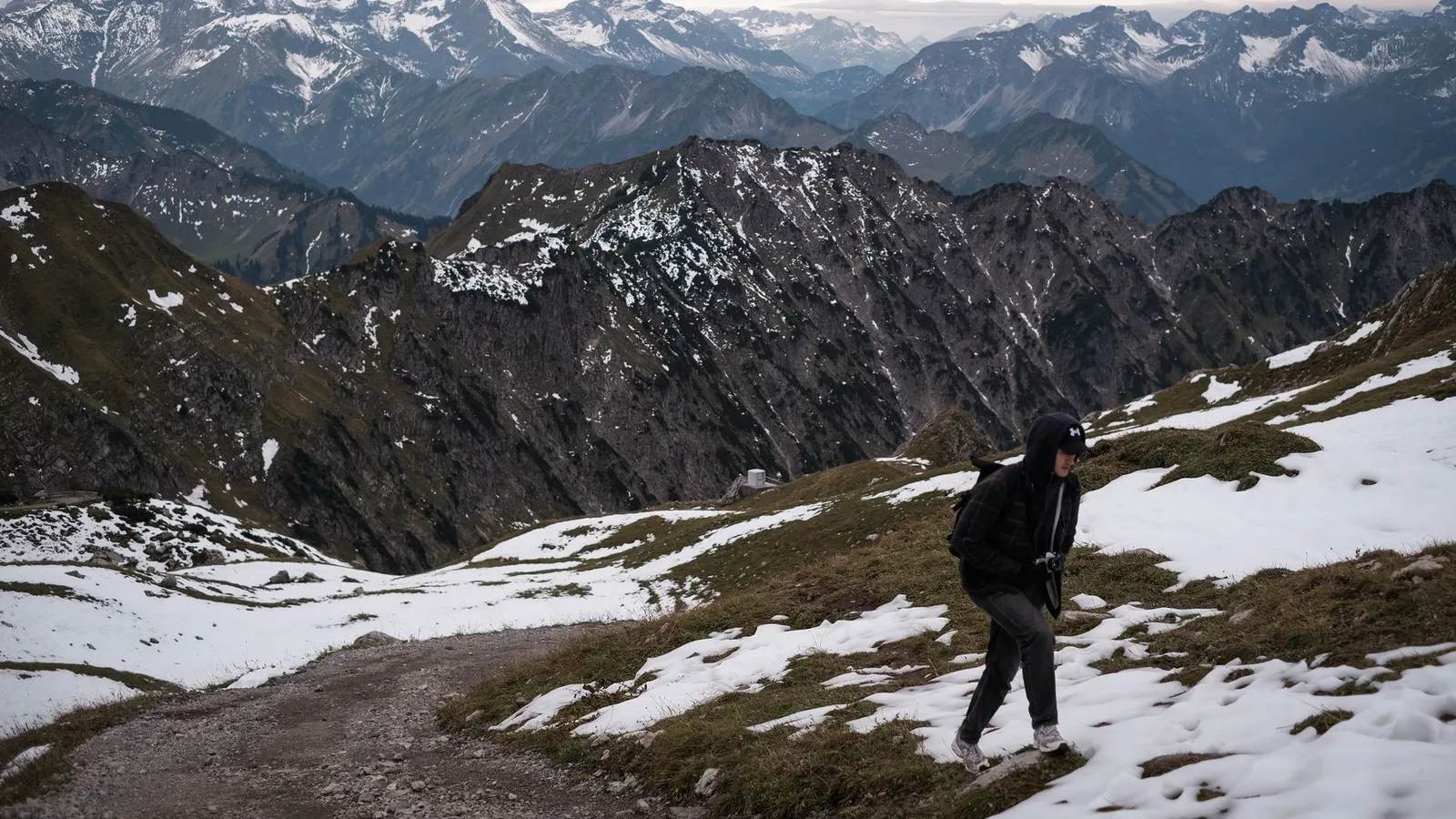
Merino or synthetic base layers, and what a lab found when it measured the smell
Merino wins the week-long wear, synthetic wins the overnight dry, and the lab reason merino stays fresh is not the bacteria story you have been told.
Safety & Advisories
If someone you know is missing in the Nepal flood, you don't have to fly to Kathmandu
Nepal Police have identified 95 of more than 1,200 bodies recovered. Families abroad can be DNA-profiled at home and send the result in. Here is how it works.