
Limi Valley Trek — 20 Days
Duration
20 days
From
$3,800/person
Max Altitude
4,990 m
Difficulty
Strenuous
Starts
Simikot (fly via Nepalgunj)
Group Size
2–10 People
Stay
Tea House / Camp
Meals
Breakfast, Lunch & Dinner
Best Season
May–Oct (rain-shadow, monsoon-trekkable)
Trip Highlights
Day-by-Day Itinerary(20 days)
Altitude Profile
Peak: 4,990 m · Day 16Arrival at Tribhuvan International Airport, transfer to your hotel in Thamel. Evening trek briefing, restricted-area permit paperwork and equipment check with your guide.
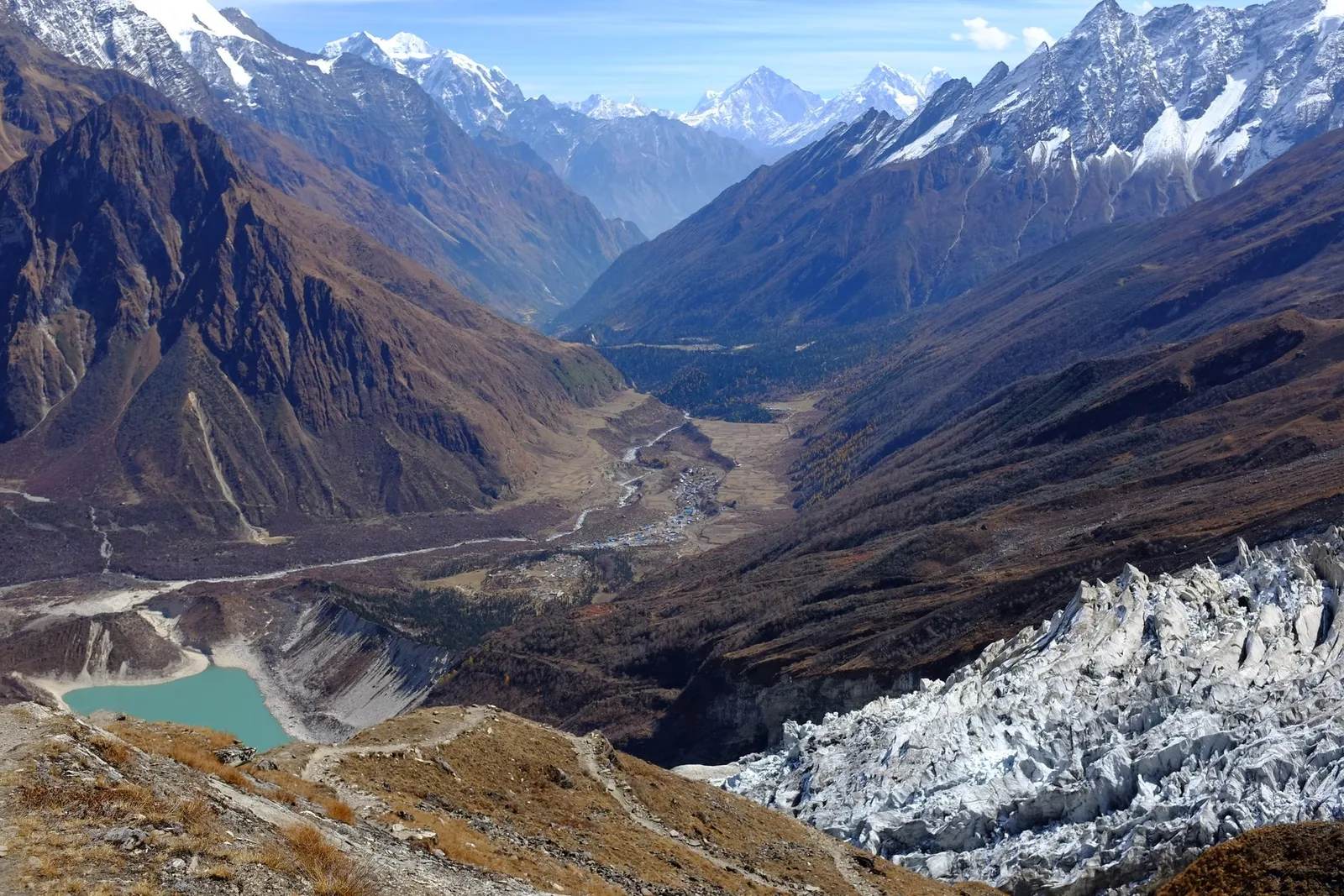
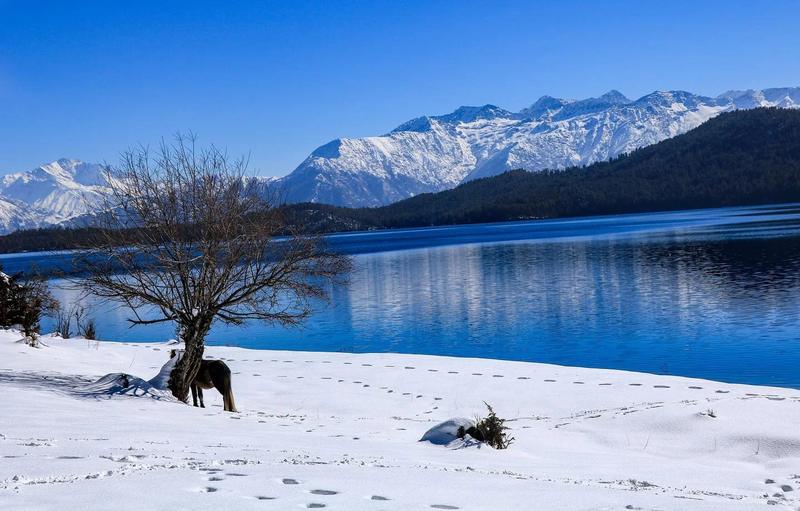
The Limi Valley Trek is one of Nepal's last true wilderness journeys — a remote camping expedition deep into Humla, the country's far-northwest corner, where the trail brushes the Tibetan border within sight of the routes to sacred Mount Kailash. This is restricted-area trekking in the fullest sense: you fly to roadless Simikot, then walk for two weeks through a trans-Himalayan rain-shadow landscape of gorges, juniper, barley terraces and high desert that sees only a handful of foreign trekkers each year.
The heart of the trek is the Limi Valley itself, home to three ancient Tibetan-Buddhist villages — Til, Halji and Jang — that have changed little in a thousand years. At Halji you stand before Rinchenling Gompa, a monastery founded over a millennium ago, still the cultural and spiritual centre of the valley. Between the villages the trail follows the old salt-caravan route that once linked Tibet and the lowlands of Nepal, crossing the Nara La (4,560 m) above Hilsa and the formidable Nyalu La (4,990 m), the trek's high point and finest viewpoint.
A trek for the monsoon and beyond
Because Limi sits in the Himalayan rain shadow, like Mustang and Dolpo, it is one of the few regions in Nepal that is trekkable right through the summer monsoon, when the rest of the country is rained out. The prime windows are May, late September and October, but mid-June to August offers clear, dry trekking when few other trails are open.
Genuine remote wilderness
This is full camping support — tents, a dedicated cook and crew, and pack animals carrying every supply, because there are no tea houses for most of the route. You trek through blue-sheep and snow-leopard country in near-total isolation, with high passes, long days and real remoteness. It is demanding and logistically complex, and it rewards you with an authentic Tibetan frontier that almost no one ever sees.
What's Included
Included
- Humla (Simikot) Restricted Area Permit, local area/village fee and TIMS card
- All domestic flights: Kathmandu–Nepalgunj–Simikot and return
- 3 nights hotel in Kathmandu (twin share, with breakfast) plus airport transfers
- Licensed, experienced English-speaking trekking guide and full camping crew (cook, kitchen staff)
- Porters or pack animals to carry all group equipment and supplies
- All camping equipment — two-person tents, dining tent, toilet tent, kitchen gear, mattresses
- All meals (breakfast, lunch & dinner) during the trek, freshly prepared by the camp cook
- Guide and crew wages, insurance, food, accommodation and equipment
- Comprehensive first-aid kit with oximeter and emergency oxygen
- Kathmandu city sightseeing tour with a guide
- All government taxes, service charges and official paperwork
Not Included
- International airfare to and from Kathmandu
- Nepal entry visa fee
- Travel and high-altitude rescue/evacuation insurance (mandatory)
- Lunches and dinners in Kathmandu
- Personal trekking gear and clothing (sleeping bag and down jacket can be rented)
- Drinks, bottled water, hot showers, battery charging and Wi-Fi on trek
- Personal expenses — laundry, telephone, souvenirs
- Tips for guide, cook and crew (customary)
- Emergency helicopter charter or extra hotel nights due to flight delays
- Any costs arising from circumstances beyond our control (weather, flight cancellations, political situation)
Best Time to Go
Spring (Mar–May)
Late spring is one of the prime windows. The high passes clear of snow by May and the lower valleys green up, with stable, dry days and few other trekkers.
Summer / Monsoon (Jun–Aug)
A key selling point: Limi sits in the rain shadow and stays largely dry and trekkable through the monsoon when most of Nepal is rained out. Trails are quiet and the high desert is at its most colourful.
Autumn (Sep–Oct)
The most popular window. Crisp, clear post-monsoon skies, excellent mountain views and reliable pass crossings make late September and October ideal.
Winter (Nov–Feb)
Not recommended. Heavy snow blocks the Nara La and Nyalu La, Simikot flights are frequently grounded, and the remote villages and high camps are extremely cold.
Permits Required
Humla (Simikot) Restricted Area Permit
USD 50 (first 7 days) + USD 10/dayMandatory for the Humla restricted region; requires a licensed guide and a minimum of two trekkers. Solo permits are not issued. We arrange this for you.
Limi / Humla Local Area Fee
NPR ~1,500–3,000A local village development and conservation fee for the Limi area, collected en route. Included in your trip cost.
TIMS Card (Trekkers' Information Management System)
USD 20Standard trekkers' registration card; required for the trek and arranged with your other permits.
All permits are arranged and included in your package price. Nothing to organise yourself.
What to Pack
A detailed packing list will be sent with your booking confirmation. Gear rental available in Kathmandu and Pokhara.
Frequently Asked Questions
On the Trail
See it in motion
Your Himalaya Awaits
Ready to walk Limi Valley Trek?
Private departures on any date, a hand-picked NMA guide, and an itinerary built around you. Tell us your dates — we usually reply within a few hours.
$3,800
/ person · all-inclusive