
Do You Need a Guide to Trek in Nepal in 2026? The Rule, the Cost, and the Region That Still Disputes It
Since April 2023, foreign trekkers must hire a licensed guide almost everywhere in Nepal — except, officially, in the Khumbu itself. Here is what the rule actually requires, what it costs, and where enforcement genuinely differs.
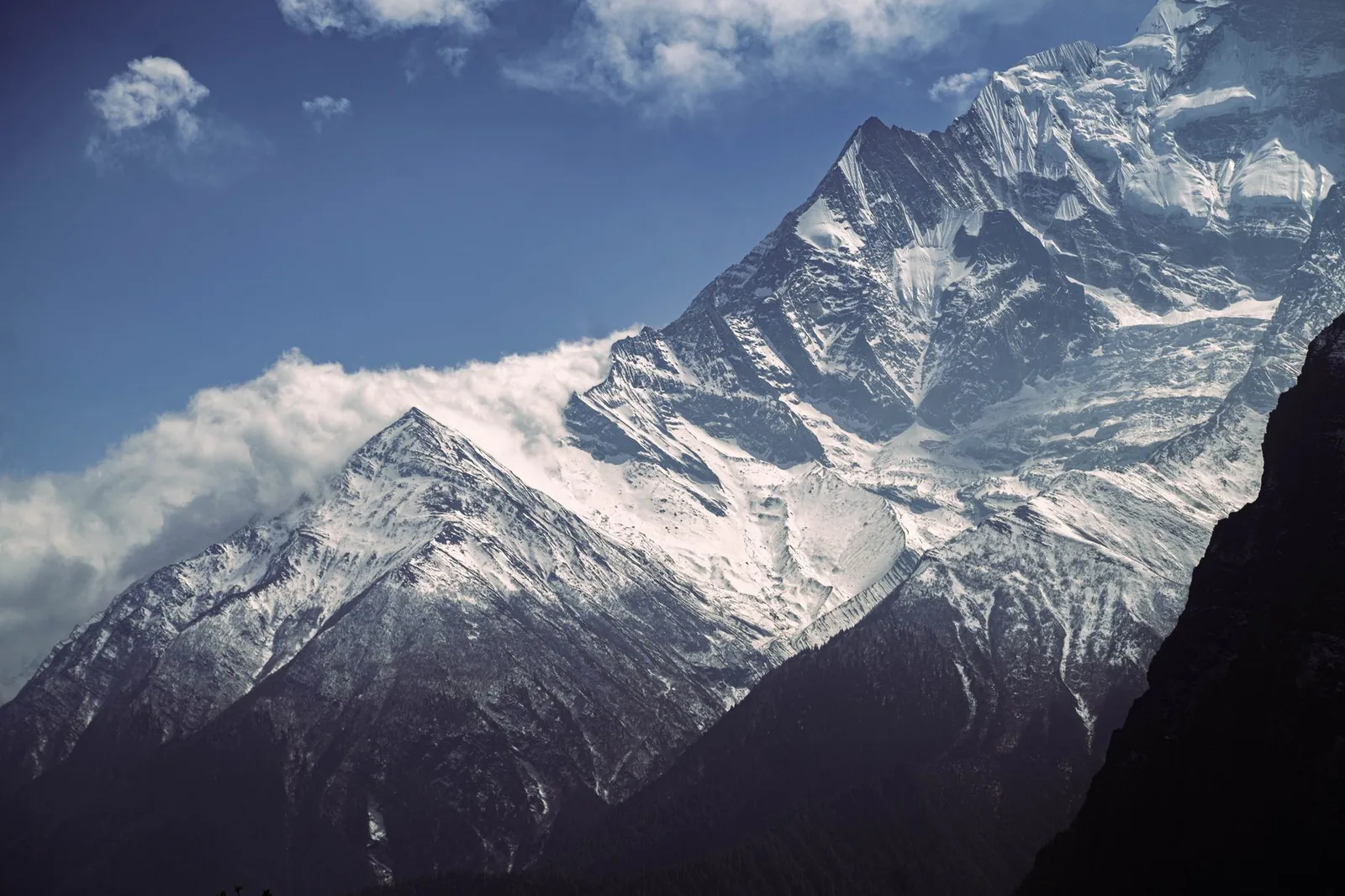
At a glance
- Published
- TopicPermits & Rules
- Verified againstThe Kathmandu Post
- Treks coveredEverest Base Camp Trek — 14 Days, Ghorepani Poon Hill Trek — 4 Days, Manaslu Circuit Trek — 14 Days
Yes, you need a guide to trek in Nepal in 2026 — in almost every region. Since 1 April 2023, Nepal's national rule has required every non-Nepali trekker to hire a licensed guide or porter-guide through a government-registered agency before setting out on any trail inside a national park, conservation area or restricted zone. The one place that rule gets genuinely murky is the one place most first-time trekkers are actually headed: the Everest region.
Key facts
- Nepal's guide-mandatory rule took effect 1 April 2023, ending unguided independent trekking nationwide for foreign visitors
- The non-SAARC foreign TIMS card fee doubled to NPR 2,000 per person the same year
- A separate rule bans solo climbing on all 8,000m peaks, effective February 2025
- The Khumbu Pasang Lhamu Rural Municipality, the local authority for the Everest region, says a guide is not technically compulsory on its own trails
The national rule, in plain terms
The Nepal Tourism Board announced the guide mandate in March 2023, and it took effect two weeks later. It ended what had been decades of free independent trekking (FIT) in Nepal: walking the trails alone, arranging teahouses as you go, with no agency involved. The board's stated reasons were safety and jobs. Officials pointed to an estimated 10 to 15 trekkers going missing every year, most of them solo travellers, along with a rising number of altitude-sickness rescues. The policy was also projected to create around 40,000 new jobs for licensed Nepali guides.
The TIMS (Trekkers' Information Management System) card, which every trekker must still carry, got more expensive the same year the guide rule arrived.
| Trekker category | Old fee (NPR) | 2023 fee (NPR) |
|---|---|---|
| Foreign (non-SAARC) individual | 1,000 | 2,000 |
| SAARC individual | 600 | 1,000 |
| SAARC group | — | 300 |
Reported day-rates for a licensed guide booked through a registered agency at the time ranged roughly from $25 a day on short, easy routes up to $100–200 a day on longer or technically demanding ones — though the number that matters more than any of those is the one nobody prices in: a guide who can tell the difference between ordinary fatigue and the early signs of altitude sickness.
The Everest exception nobody expects
Here is the twist. Within days of the national rule taking effect, the Khumbu Pasang Lhamu Rural Municipality, the local government body that actually administers the Everest trekking corridor, said publicly that hiring a guide is not mandatory on its own trails. It recommends one strongly, especially above Namche Bazaar and on the high passes, but it does not enforce the blanket requirement the Nepal Tourism Board applies everywhere else. The two authorities disputed the point in public for weeks after the rule launched.
What actually happens on the ground reflects that split. The Khumbu never adopted the standard national TIMS card. Instead it runs its own trekking permit, roughly NPR 2,000 to 3,000 per person, checked at its own posts on the way in — including at Monjo, the gateway before Namche — rather than the national system used across Annapurna, Langtang and most other regions.
8,000m peaks: a stricter, separate rule
Above trekking altitude, the rules tighten further and leave no ambiguity at all. A regulation published in the Nepal Gazette in February 2025 banned solo climbing outright on all fourteen of the world's 8,000-metre peaks, Everest included, regardless of climbing style. Expeditions above 8,000m now require one guide for every two climbers; other peaks require at least one guide per group. "We have made guides mandatory to ensure climbers' safety, particularly on the 8,000ers," Department of Tourism director general Narayan Prasad Regmi said at the time. The same overhaul raised the spring Everest climbing permit from $11,000 to $15,000 per climber, effective 1 September 2025.
What this means for your trek
The safety reasoning behind the guide rule holds regardless of which checkpoint enforces it, so budget for a licensed guide as standard rather than an optional extra, wherever you're headed. In restricted areas like Manaslu, Upper Mustang and Kanchenjunga, a guide has always been non-negotiable — there is no local exception to argue about. In the Khumbu, expect strong recommendation rather than a hard stop at the gate, but going without one is not a loophole worth taking above 4,000m.
Every one of our own itineraries, from a short Ghorepani–Poon Hill trek to a full Everest Base Camp trek or a restricted-area route like the Manaslu Circuit, already includes an NMA-trained guide as standard, so this rule changes nothing about what you'll pay us — only what you'd be risking without one. See our full Nepal permit guide for route-by-route requirements.
Source: The Kathmandu Post
Cover photo: Dipak Chettri via Pexels (Pexels License).
Planning a trek?
Trek this route with us — Everest Base Camp Trek — 14 Days
NMA-certified local guides, transparent pricing, 5,000+ treks since 1998. Message us your dates and we'll sort the permits, lodges and logistics — reply within 24 hours, no obligation.


Popular Nepal treks
All treks →


Related coverage
Permits & Rules
Do You Need a Guide to Trek in Nepal in 2026? What the Rule Actually Says
Since April 2023, foreign trekkers can not legally walk into a Nepali national park or conservation area alone. Here is exactly where that rule applies, what it costs, and where it does not.
Permits & Rules
Can you still trek Nepal without a guide in 2026? The honest answer
Nepal's licensed-guide rule reshaped independent trekking. Here's exactly where you can and can't go solo in 2026 — and why the Everest region is the big exception.
Permits & Rules
Manaslu Circuit or Everest Base Camp? The Honest 2026 Comparison
Nepal just made its restricted treks easier to book solo, and nowhere benefits more than Manaslu. Here's how the permits, crowds, cost and difficulty actually compare against Everest Base Camp, trek by trek, dollar by dollar.
Flights & Access
Planning a Nepal Trek From the United States in 2026: Real Flights, Costs and a 14-Day Everest Itinerary
No airline flies nonstop from the US to Kathmandu — here is exactly how Americans actually get there, what a real Everest Base Camp trek costs in dollars, and an itinerary built around the flight.
Latest from the desk

Money & Insurance
Rental Car Insurance Abroad in 2026: CDW, Excess and the Counter Upsell Trap
CDW, LDW, the excess you still owe, what your credit card really covers, and why the counter waiver is almost always the wrong buy.
Trail & Weather
When Is the Best Time to Trek in Nepal? The Real Month-by-Month Data for 2026
Autumn and spring aren't just guidebook folklore — Nepal's own 2025 visitor data backs them up almost exactly. Here is what the numbers, and the weather behind them, actually show.
Deals & Routes
How to Travel Europe on a Budget in 2026 (Rail Passes, Cheap Regions & When to Go)
Rail passes, the cheapest regions and the right months to go — a 2026 guide to seeing Europe cheap, with real cost tables.