
Rental Car Insurance Abroad in 2026: CDW, Excess and the Counter Upsell Trap
CDW, LDW, the excess you still owe, what your credit card really covers, and why the counter waiver is almost always the wrong buy.

At a glance
- Published
- TopicMoney & Insurance
- Verified againstMoneySavingExpert; Wikipedia (Damage waiver / Collision damage waiver)
- Treks coveredKathmandu & Pokhara Tour — 5 Days, Everest Base Camp Trek — 15 Days, Annapurna Base Camp Trek — 6 Days
You booked the car for £18 a day. At the counter, a friendly agent slides a form across and offers to “fully protect” it for another £40 a day. That single upsell — the rental car damage waiver — is one of the most profitable products in travel, and one of the least understood. Here is what each layer of rental car cover actually does, where the gaps hide, and why the panic-buy at the desk is almost always the wrong one.
The counter maths, at a glance
- Up to £42/day — what a hire company’s own counter excess waiver can cost, per MoneySavingExpert.
- From about £2/day — a standalone excess-reimbursement policy bought before you fly.
- £17 vs £90 — one documented week’s cover: standalone policy against the counter offer.
- £100s to £1,000s — the typical excess (deductible) left on your card if you decline everything.
Waiver, not insurance: what CDW and LDW really are
Start with the vocabulary, because it is deliberately slippery. A Collision Damage Waiver (CDW) and a Loss Damage Waiver (LDW) are not insurance policies at all. As the standard industry definition puts it, a damage waiver is “a modification to the basic rental contract” by which the company agrees not to chase you for the full cost of damage or theft. CDW covers accident damage to the car; LDW folds in theft and vandalism. Weather damage, towing and administrative “loss-of-use” charges are often bundled in.
The catch is that a waiver almost never means zero liability. It leaves an excess (Europe) or deductible (US) — the first slice of any bill, which stays yours. And CDW routinely excludes the parts that get damaged most: tyres, wheels, the roof, the windscreen and the underbody. A single kerbed alloy has cost renters around £400; an excess in Sicily has run to roughly €1,400, and Malta deposits of about €1,350 are held against your card on the spot.
The four things you are actually buying
Rental “insurance” is really a stack of separate products. Confuse them and you double-pay for one while leaving another wide open.
| Layer | What it does | The gap |
|---|---|---|
| Third-party liability | Pays for damage or injury you cause to others. Usually built into the base rate; some countries mandate a floor (Canada requires at least CA$200,000). | Does nothing for your own hire car. Statutory minimums can be low — top-up liability is a separate buy. |
| CDW / LDW | Waives most of the company’s claim for damage (CDW) and theft (LDW) to the rental car itself. | Leaves the excess, and typically excludes tyres, glass, roof and undercarriage. |
| Excess reimbursement | Pays back the excess (and often the excluded glass/tyres) after a claim. Cheapest bought standalone before travel. | You pay the bill first and claim it back. Read the excluded-driver and off-road terms. |
| Credit-card cover | Many cards include damage/theft cover if you pay with the card and decline the counter CDW. | Usually secondary (your own policy pays first); few cards are primary. Common exclusions below. |
The “excess reimbursement” trap
Here is where money leaks. The counter agent’s pitch — “this reduces your excess to zero” — is technically a form of excess cover, but sold at the worst possible moment and price. A standalone annual or single-trip excess policy bought online can start around £2 a day; the same protection at the desk has been quoted at up to £42 a day. One traveller documented paying £17 for a week’s standalone cover against a £90 counter offer for the identical trip. The product is fine; the venue is a trap. Buy your excess reimbursement before you leave home, and treat the desk offer as a decline-by-default.
The mirror-image mistake is assuming your card has you covered when it does not. Credit-card rental cover is real but conditional: it is usually secondary, and it commonly excludes rentals over 15 days, driving on unpaved roads, and whole countries (Ireland, Israel and Jamaica turn up repeatedly on exclusion lists). Even where it applies, the card reimburses your deductible only once the rental company supplies formal proof of the charges — so keep every document.
Before you sign the counter form
- Photograph the car — every panel, wheel, the roof and the windscreen — before you drive off, timestamped.
- Know your excess figure and whether glass/tyres/roof are excluded. Ask them to write it down.
- Decline counter CDW by default if you hold standalone excess cover or confirmed card cover.
- Check breakdown recovery separately — excess policies usually don’t include towing, which can add £500.
- Watch the deposit hold — a four-figure pre-authorisation can eat your card limit for the whole trip.
What this has to do with Nepal
Almost nobody self-drives in Nepal — our trekkers travel on private guided transport, so the counter-waiver game never touches the Himalayan leg of the trip. But the wider journey is where it bites: a road-trip stage in Europe, a hire car in India before the flight to Kathmandu, a campervan in Australia or New Zealand on the way home. The people booking a month in the mountains are exactly the people renting a car somewhere else on the same itinerary, and paying the desk £40 a day out of travel-day fatigue. Sort the car cover before you fly, and keep your budget for the trail.
Rental cover sits alongside the bigger question of trip and medical insurance for a Himalayan holiday — including whether a single-trip or annual multi-trip policy is the better value. We break that down in our guide to annual versus single-trip travel insurance for 2026. And when you are ready to plan the mountain half of the trip, our Everest Base Camp trek and Annapurna Base Camp trek pages lay out fixed costs with no counter upsell in sight.
Figures are typical market examples for orientation, not quotes. Excess amounts, exclusions and card benefits vary widely by company, country and card issuer — confirm the exact excess, the glass/tyre/roof exclusions and your card’s primary-or-secondary status in writing before you book.
Cover photo: Pavel Danilyuk via Pexels (Pexels License).
Planning a trek?
Trek this route with us — Kathmandu & Pokhara Tour — 5 Days
NMA-certified local guides, transparent pricing, 5,000+ treks since 1998. Message us your dates and we'll sort the permits, lodges and logistics — reply within 24 hours, no obligation.


Popular Nepal treks
All treks →


Related coverage
Money & Insurance
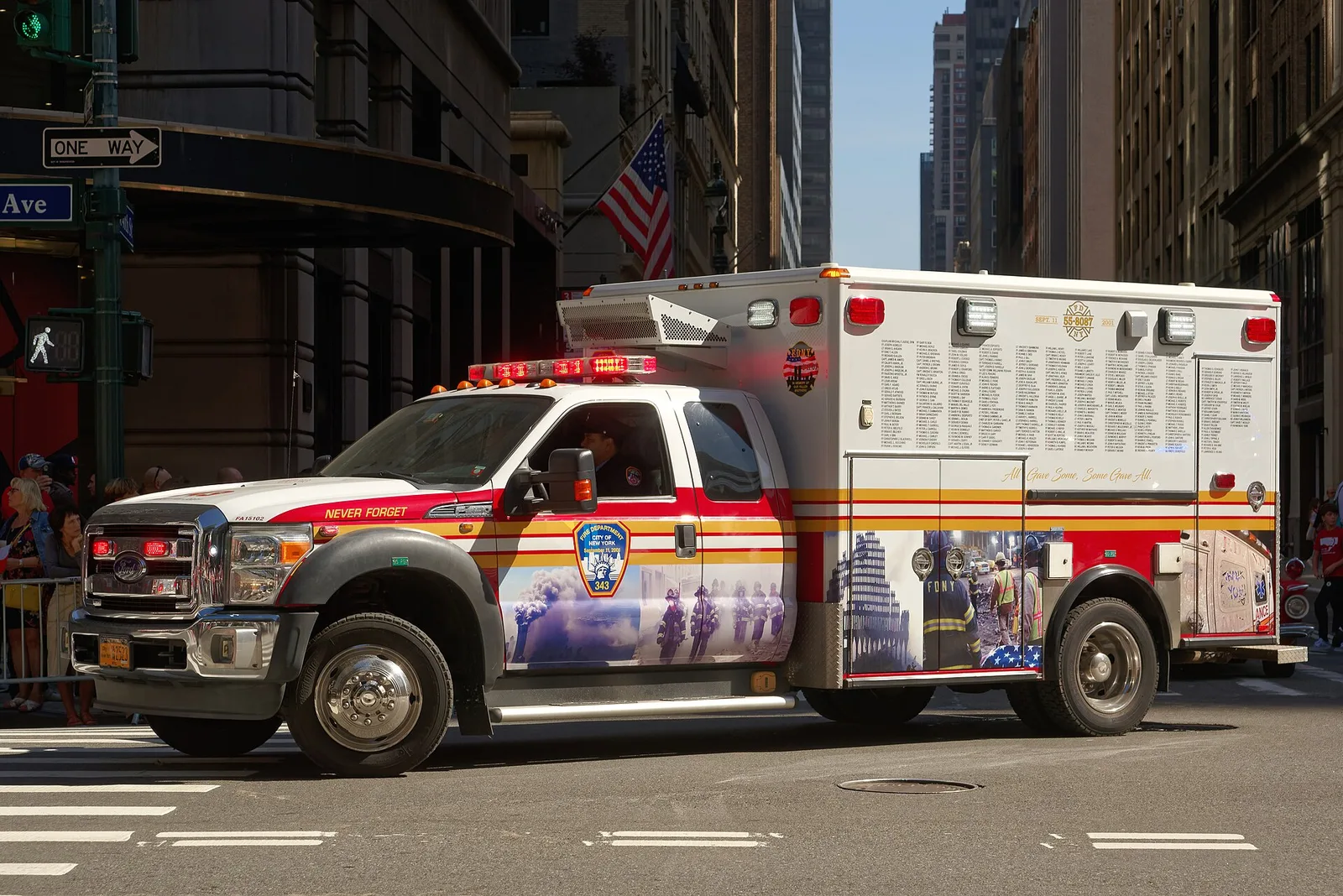
Travel Insurance for Visiting the USA in 2026: Why You Need $1M+ in Medical Cover
American hospitals bill like nowhere else on earth. Before you add a US layover or a New York stopover to your Himalayan trip, here is the medical cover that actually protects you — and why a bare-minimum policy can leave you owing five or six figures.
Visas & Entry
Do You Need an International Driving Permit in 2026? (Countries, Cost & How to Get One)
An International Driving Permit is just a translation of your licence — but skip it in the wrong country and your rental (and insurance) can fall apart. Here is who needs one in 2026, the real cost, and why it barely matters in Nepal.

Money & Insurance
Travel Insurance for Seniors in 2026: Cover, Costs & the Age-Limit Traps
Why premiums jump after 65, the age caps that quietly refuse you, and how an active over-65 gets cover that actually holds on Everest and Annapurna.
Deals & Routes
How to Get Airport Lounge Access in 2026 (Without Flying Business Class)
Priority Pass, DragonPass, credit-card perks, day passes and walk-in prices — the five real routes into an airport lounge, and which hub lounges are worth it on the way to Nepal.
Latest from the desk
Permits & Rules
Do You Need a Guide to Trek in Nepal in 2026? The Rule, the Cost, and the Region That Still Disputes It
Since April 2023, foreign trekkers must hire a licensed guide almost everywhere in Nepal — except, officially, in the Khumbu itself. Here is what the rule actually requires, what it costs, and where enforcement genuinely differs.
Trail & Weather
When Is the Best Time to Trek in Nepal? The Real Month-by-Month Data for 2026
Autumn and spring aren't just guidebook folklore — Nepal's own 2025 visitor data backs them up almost exactly. Here is what the numbers, and the weather behind them, actually show.
Deals & Routes
How to Travel Europe on a Budget in 2026 (Rail Passes, Cheap Regions & When to Go)
Rail passes, the cheapest regions and the right months to go — a 2026 guide to seeing Europe cheap, with real cost tables.