
Nepal Runs Its Clocks 15 Minutes Off Even India, and a Sacred Mountain Is the Reason
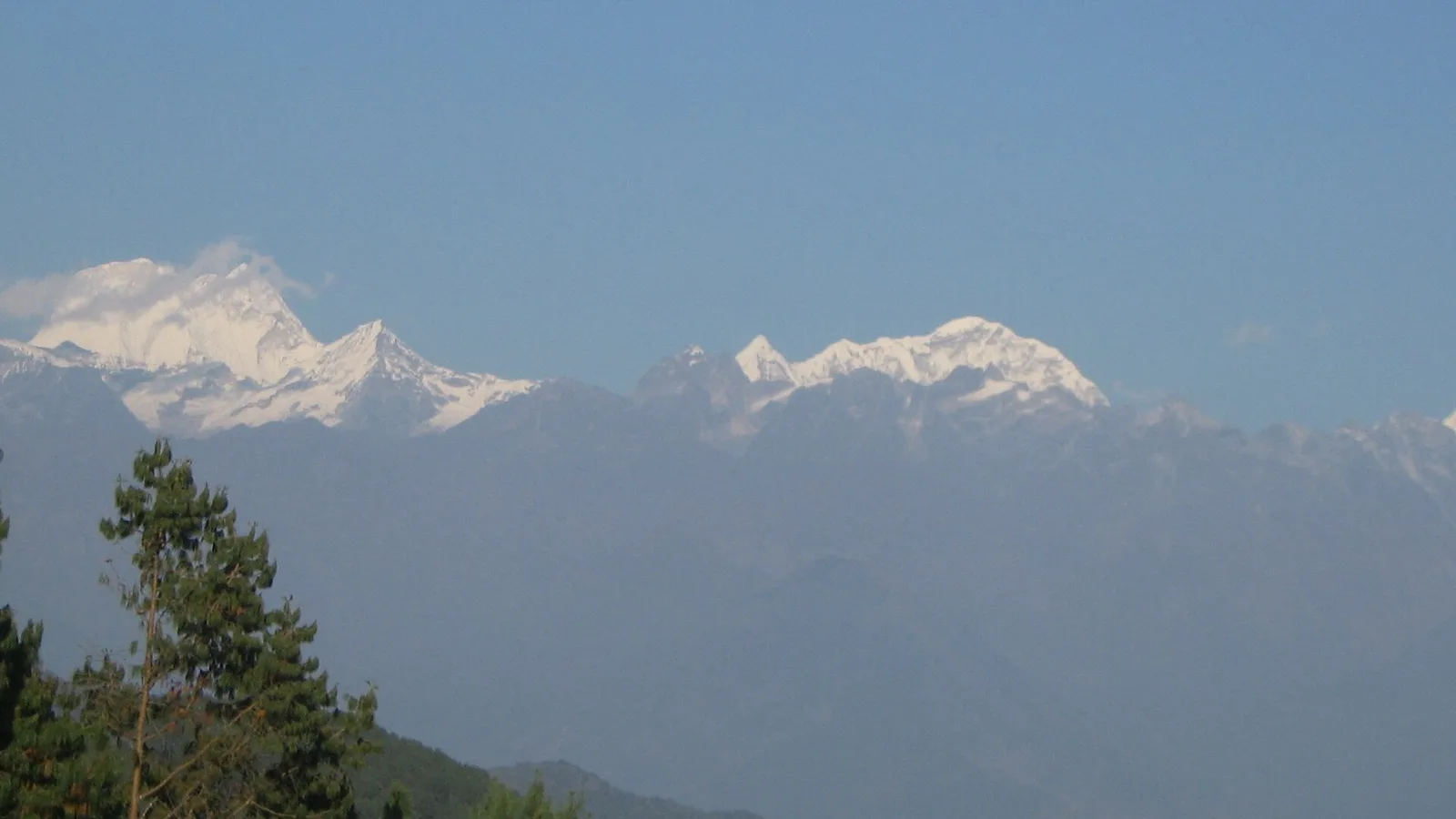
Nepal Standard Time is UTC+5:45, one of only three 45-minute time zones on Earth, and the offset is set to the exact longitude of a peak Nepalis consider sacred.
At a glance
- Published
- TopicFlights & Access
- Verified againstWikipedia
- Treks coveredEverest Base Camp Trek — 14 Days, Kathmandu & Pokhara Tour — 5 Days
Land in Kathmandu and set your phone to local time, and it will do something most travellers have never seen a clock do: it will jump forward not by a clean hour, and not even by the 30-minute nudge you might expect crossing into a neighbouring country, but by an odd, specific 45 minutes. Nepal Standard Time is UTC+5:45 — not shared with anyone, and not a rounding error.
Key facts
- Nepal runs on UTC+5:45, its own Nepal Standard Time
- The offset took effect on 1 January 1986, replacing the UTC+5:30 Nepal had shared with India
- The standard meridian is set to the longitude of Gaurishankar, a peak held sacred in Nepali tradition, at roughly 86°20' E
- Nepal is one of only three places on Earth using a 45-minute UTC offset
Until 1986, Nepal kept the same clock as India: UTC+5:30. That year, the government moved the country's clocks forward 15 minutes to a new, independent standard — a deliberate 45-minute offset rather than the rounder 30 or 60 minutes most time-zone shifts use. The line the new time zone follows runs through Gaurishankar, a Himalayan peak roughly 100 kilometres east of Kathmandu that Nepalis regard as sacred, giving the country's official time an anchor that is geographic and cultural at once rather than a copy of a neighbour's clock.
It is a strange thing to build a time zone around, and Nepal is barely part of a club. Only three time references on Earth use a 45-minute offset at all: Nepal's UTC+5:45, the unofficial Australian Central Western Time at UTC+8:45 used around Eucla on Australia's border, and Chatham Standard Time in New Zealand's remote Chatham Islands at UTC+12:45. Everywhere else, the whole world rounds to the half hour or the full hour.
The practical effect shows up the moment you try to work out what time it is back home. Because the offset isn't a round number, half-hour mental math doesn't get you there — you have to do the full 45-minute sum, and most digital clocks, boarding-pass apps and flight trackers that round to the nearest 15 minutes are the only ones that get it right without a manual check.
| City | Local time |
|---|---|
| New Delhi, India | 11:45 |
| London, UK | 06:15 |
| New York, USA | 01:15 |
| Sydney, Australia | 16:15 |
What this means for trekkers
What this means for you
Book a connecting flight through Delhi, Doha or Bangkok and the 15-minute gap against India, or the wider gaps against Gulf and Southeast Asian hubs, is exactly the kind of thing that turns a comfortable two-hour layover into a sprint if you calculate it in round numbers. Build in the extra buffer, and set your itinerary's local times manually rather than trusting an app that assumes every zone rounds to the half hour.
Whichever way you fly in, the odd clock is one of the smallest, strangest parts of arriving in Nepal — right up there with the mountains themselves. Once you've adjusted, most first-time visitors start their trip in the valley before heading for altitude on something like the Kathmandu and Pokhara tour, or go straight for the high country on the Everest Base Camp trek.
Sources: Wikipedia, "Nepal Standard Time"; Wikipedia, "UTC+05:45."
Cover photo: बिप्लब आनन्द via Wikimedia Commons (CC BY-SA 3.0).
Still running this season
Everest Base Camp Trek — 14 Days is running normally
NMA-certified local guides, transparent pricing, 5,000+ treks since 1998. Message us your dates and we'll sort the permits, lodges and logistics — reply within 24 hours, no obligation.


Popular Nepal treks
All treks →


Related coverage
Records & People
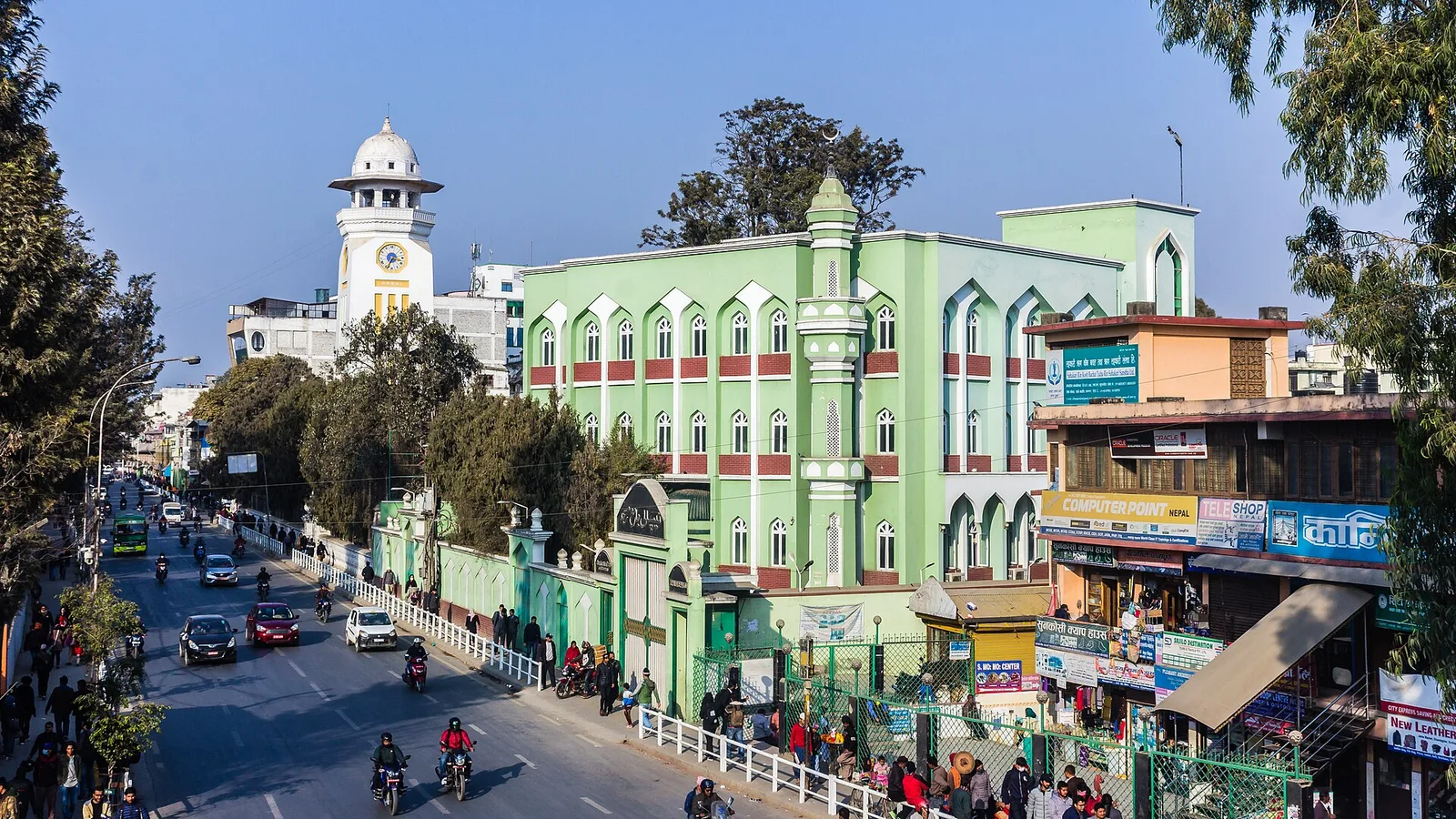
Nepal Runs on Its Own Clock: Why the Country Sits 15 Minutes Off Every Neighbor
Land in Kathmandu and you don't just change time zones — you join one of the only places on Earth with a 45-minute offset, fixed to the exact minute of a Himalayan peak.

Flights & Access
Nepal Airlines Is Flying to Tokyo Four Times a Week This Autumn, and the Timing Is No Accident
The national carrier adds a fourth weekly Kathmandu-Narita rotation from 18 September, wide-body A330 and all, timed squarely at the Dashain-Tihar homecoming rush and the autumn trekking peak that follows it.

Climate & Environment
Nepal Lost a Tenth of Its Power Grid in Thirty Minutes
431 megawatts gone, six plants down the same river, and another 470 MW damaged before it was even finished. The Rasuwa flood was a national infrastructure event, not just a mountain one.
Money & Insurance
Ski & Winter Sports Travel Insurance in 2026: Why Standard Cover Excludes the Slopes
Strap on skis and most standard travel policies quietly stop covering you. Here is why winter sports are excluded, what a ski add-on really buys — off-piste, piste closure, avalanche delay, mountain rescue, helicopter, equipment — and the exact clauses to check before you travel.
Latest from the desk

Gear & Tech
Do You Need an RFID-Blocking Wallet in 2026? The Honest Answer on Contactless-Card Skimming
Contactless "skimming" from someone brushing past you is rare and overhyped. Here is what actually threatens your card abroad — and the free five-minute setup that beats any gadget.
Safety & Advisories
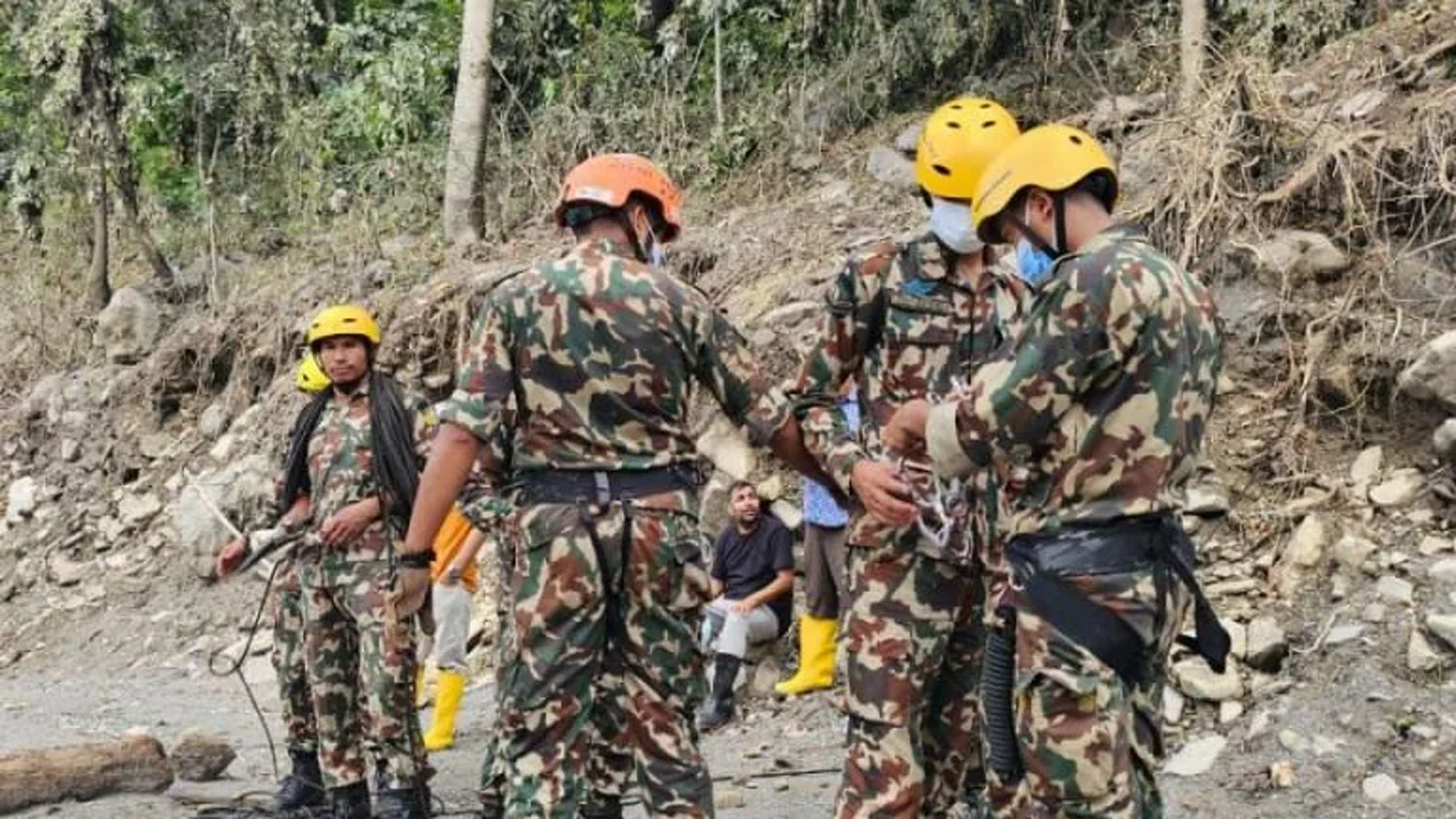
The Nepal flood video with 7 million views was AI-generated, and here's how to check the next one
Nepal's Press Council has ordered 72 accounts to take content down. Here are the fakes that travelled furthest, and the three checks that catch nearly all of them.
Industry & Tourism
Should you still book Nepal this autumn after the flood, and what happens to the guides if you don't
Four Langtang and Rasuwa treks are paused on our own books, while Everest, Annapurna and Manaslu sit in different river systems and are running normally.