
Nepal Trekking Permits After the 2026 Floods: Are ACAP, TIMS and the Langtang Permit Affected?
The floods damaged roads and the Langtang gateway — not the permit counters. ACAP, TIMS and the national-park permits are all still issued normally; here is what actually changed, and what a Langtang permit holder should do.
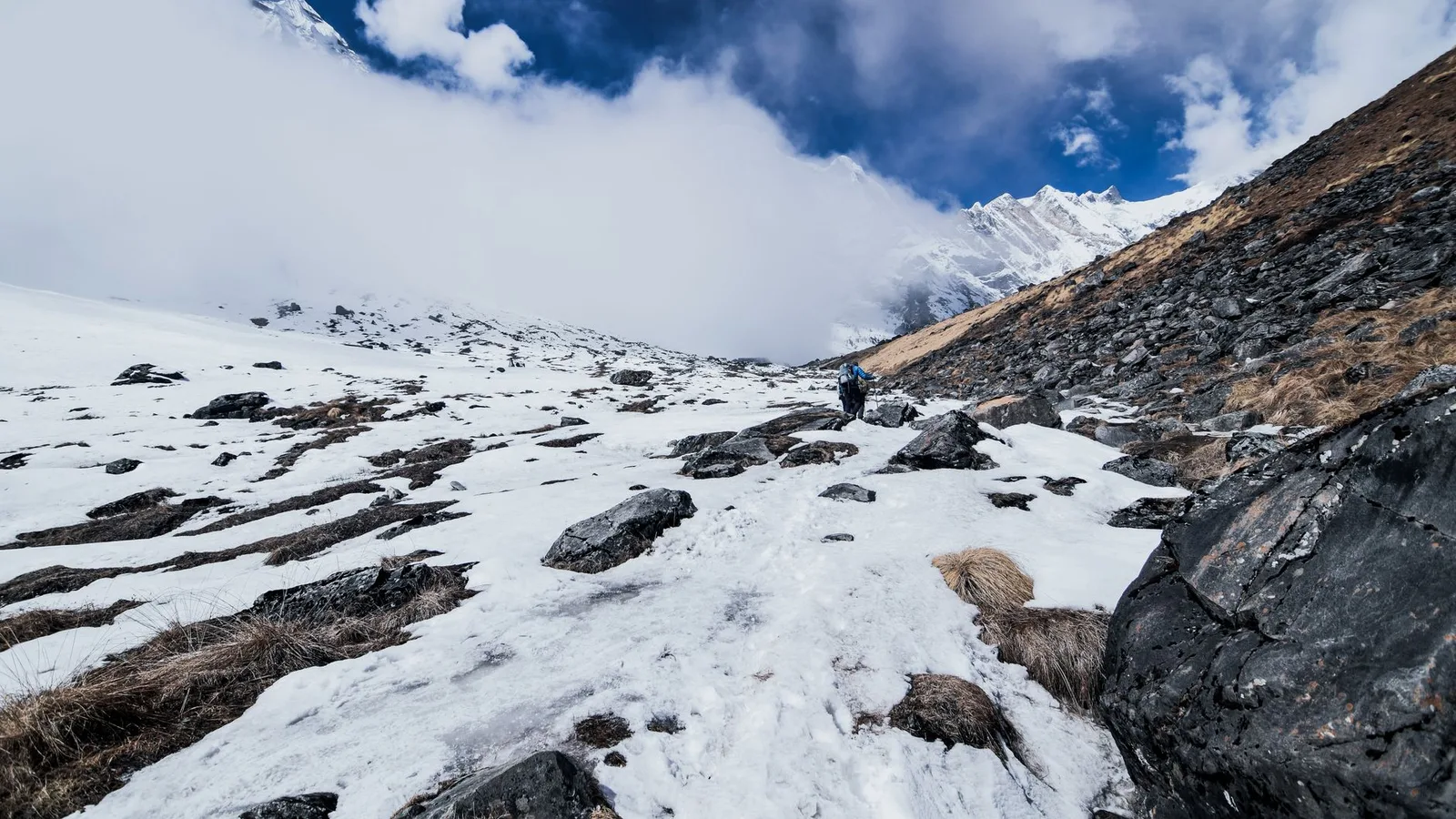
At a glance
- Published
- TopicPermits & Rules
- ReportingOriginal, by our guides in Pokhara
- Treks coveredAnnapurna Base Camp Trek — 6 Days, Everest Base Camp Trek — 15 Days, Langtang Valley Trek — 7 Days
📍 Developing story — live updates
The 2026 Nepal floods are a developing, nationwide emergency and figures are rising. For the latest verified death toll, missing and rescued numbers, and trek status, follow our continuously-updated Nepal Floods 2026: Live Updates.
Short answer: the 2026 floods have not stopped Nepal from issuing trekking permits. ACAP, the TIMS card, the national-park entry permits and the restricted-area permits are all still issued the normal way — centrally, through the Nepal Tourism Board counters in Kathmandu and Pokhara, the conservation-area and park offices, and (for restricted zones) a registered agency. The 26 August flood in Rasuwa damaged roads, bridges and the Langtang gateway at Syabrubesi — it did not close a permit office. So the thing to check before your trek is access, not paperwork. If your permit is for Langtang or the overland Tibet route, the question is whether you can physically reach the trail right now; if it is for Everest or Annapurna, nothing about your permit has changed.
The fast answer if you already hold a permit or are about to buy one
- Permits are still being issued. No authority has announced a suspension of ACAP, TIMS, or any national-park or restricted-area permit because of the flood.
- Where permits come from is unaffected. They are issued in Kathmandu and Pokhara (and park/agency offices) — not in the flood-hit Rasuwa border zone.
- The disruption is access, not issuance. The flood hit the road-head and bridges around Syabrubesi and the Rasuwagadhi–Kerung crossing.
- Everest and Annapurna permit holders: carry on. Those regions are running normally.
- Langtang permit holders: your permit is fine — confirm the road to Syabrubesi with your operator before you travel.
Why the flood doesn’t touch permit issuance
Nepal issues trekking permits centrally, away from the trailhead. For the Annapurna region you buy your ACAP (Annapurna Conservation Area Permit) and your TIMS card at the Nepal Tourism Board offices in Kathmandu or Pokhara before you set off. National-park entry permits — Langtang National Park, Sagarmatha (Everest) National Park — are issued the same way, through the Tourism Board or the park office. Restricted-area permits (Manaslu, Upper Mustang and the rest) are issued through a registered agency in Kathmandu. None of those counters is in Rasuwa, and none of them stopped working on 26 August. We keep the full, current breakdown on our Nepal trekking permits hub, and we checked the actual 2026 fees against the government’s own sources earlier this season — ACAP, TIMS, Sagarmatha, Manaslu and Langtang were all exactly where they had been the year before. The flood changes none of that.
What the flood did change is the ground. As we reported in our running coverage of Nepal trekking conditions right now, the surge down the Bhote Koshi struck Syabrubesi — the road-head where nearly every Langtang Valley trek begins — along with the Pasang Lhamu Highway that reaches it, and the Rasuwagadhi–Kerung border crossing used for the overland trip to Tibet and Mount Kailash. A permit in your pocket does not help if the road to the trail is cut. That is the honest distinction to hold onto: the permit system is open; one access corridor is not.
Permit-by-permit: is each one being issued normally?
| Permit | Issued normally? | Note |
|---|---|---|
| ACAP (Annapurna Conservation Area) | Yes | Issued at NTB Kathmandu/Pokhara and ACAP offices. Annapurna is open; one short stretch of the ABC trail near Ghurjung is being assessed — a trail matter, not a permit one. See our ACAP + TIMS guide. |
| TIMS card | Yes | Issued as normal alongside ACAP for Annapurna treks. No flood-related change announced. |
| Langtang National Park entry | Yes — no suspension announced | The permit is not the blocker; reaching the trail via Syabrubesi is. Confirm road access before you commit to dates. |
| Sagarmatha (Everest) National Park + Khumbu municipality permit | Yes | Everest region unaffected by the flood. See our Everest permit guide. |
| Restricted-area permits (Manaslu, Mustang, etc.) | Yes — via a registered agency | Issuance unchanged. These zones are away from the flood corridor. |
If you hold a Langtang permit
This is the one group with a real decision to make, and it is a smaller decision than the headlines suggest. Your Langtang National Park permit is valid and there is no announcement stopping it from being issued or honoured. The variable is the road: the flood damaged the approach through Syabrubesi, and repairs to roads and bridges are under way. The timing works in your favour — the main autumn season is October and November, several weeks out, which leaves time for access to be restored before most trips begin.
What to do if your trek runs through the flood corridor
Do not cancel Nepal — rebook, reroute, or shift your dates. Talk to your operator first: they will know whether Syabrubesi access has reopened and can hold your departure or move you to a region running normally. A national-park permit is tied to the park, not to a fixed calendar day, so shifting a Langtang trip a few weeks rarely means losing a permit. If you would rather keep your dates, switching to Everest, the upper Annapurna Circuit, Manaslu or Mustang is straightforward, and the permits for those regions are all being issued as usual. For the trek-by-trek booking picture, see which Nepal treks are on hold and which are running normally.
Everest and Annapurna: nothing to do
If your trek is in the Khumbu or the Annapurna region, there is genuinely nothing for you to change on the permit front. Sagarmatha National Park and the Khumbu Pasang Lhamu municipality permit for Everest, and ACAP plus TIMS for Annapurna, are all issued exactly as before. The only Annapurna caveat is a single trail stretch near the Ghurjung bridge that is being assessed after separate monsoon damage — again a trail-condition question, not a permit one, and your operator will route around it if needed.
One honest caveat
Permit rules can move quickly in Nepal, and the flood response is still evolving. As of 27 August 2026 we have seen no official notice of a flood-related change to any permit — no suspension, no new fee, no closure of a permit office. If that changes, it will come from the Nepal Tourism Board, the Department of National Parks and Wildlife Conservation, or the relevant conservation-area office, and we will update this page. Until then, the safe assumption is simple: buy your permit as normal, and put your energy into confirming access, not paperwork. Our permits hub stays current with the fees and the process, and our team in Pokhara can tell you what the ground actually looks like the week you travel.
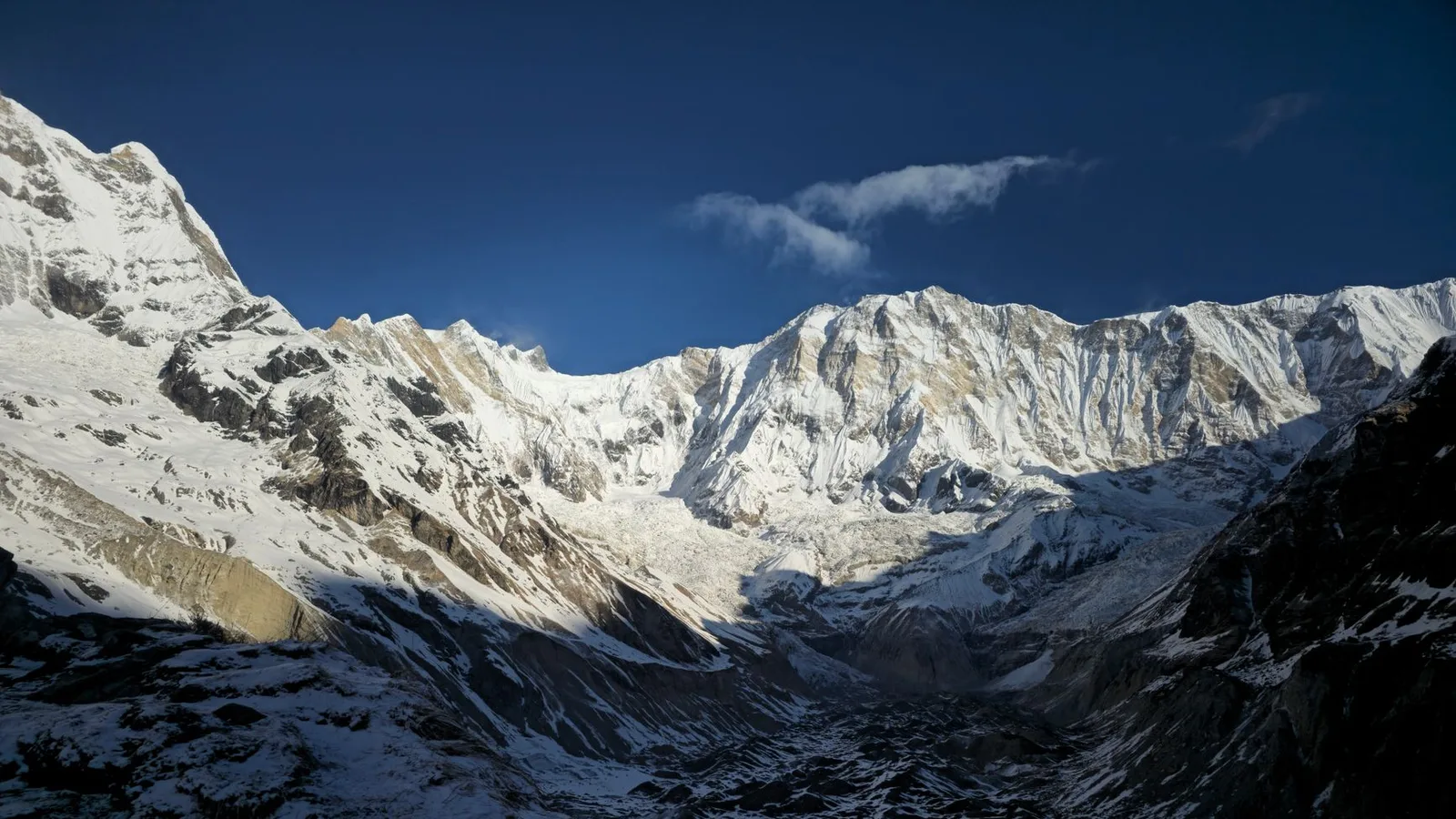
Cover photo: Namal Siriwardana via Pexels (Pexels License).
Need a hand with permits?
Permit offices are working normally after the floods. If you’d rather not deal with ACAP, TIMS or the Langtang permit yourself, we arrange them as part of every trek and can talk you through exactly what your route needs.
Message us on WhatsApp → · Ask us about your dates →
Annapurna Base Camp Trek — 9 Days · Everest Base Camp Trek — 14 Days · Langtang Valley Trek — 7 Days
Planning a trek?
Trek this route with us — Langtang Valley Trek — 7 Days
NMA-certified local guides, transparent pricing, 5,000+ treks since 1998. Message us your dates and we'll sort the permits, lodges and logistics — reply within 24 hours, no obligation.


Popular Nepal treks
All treks →


Related coverage
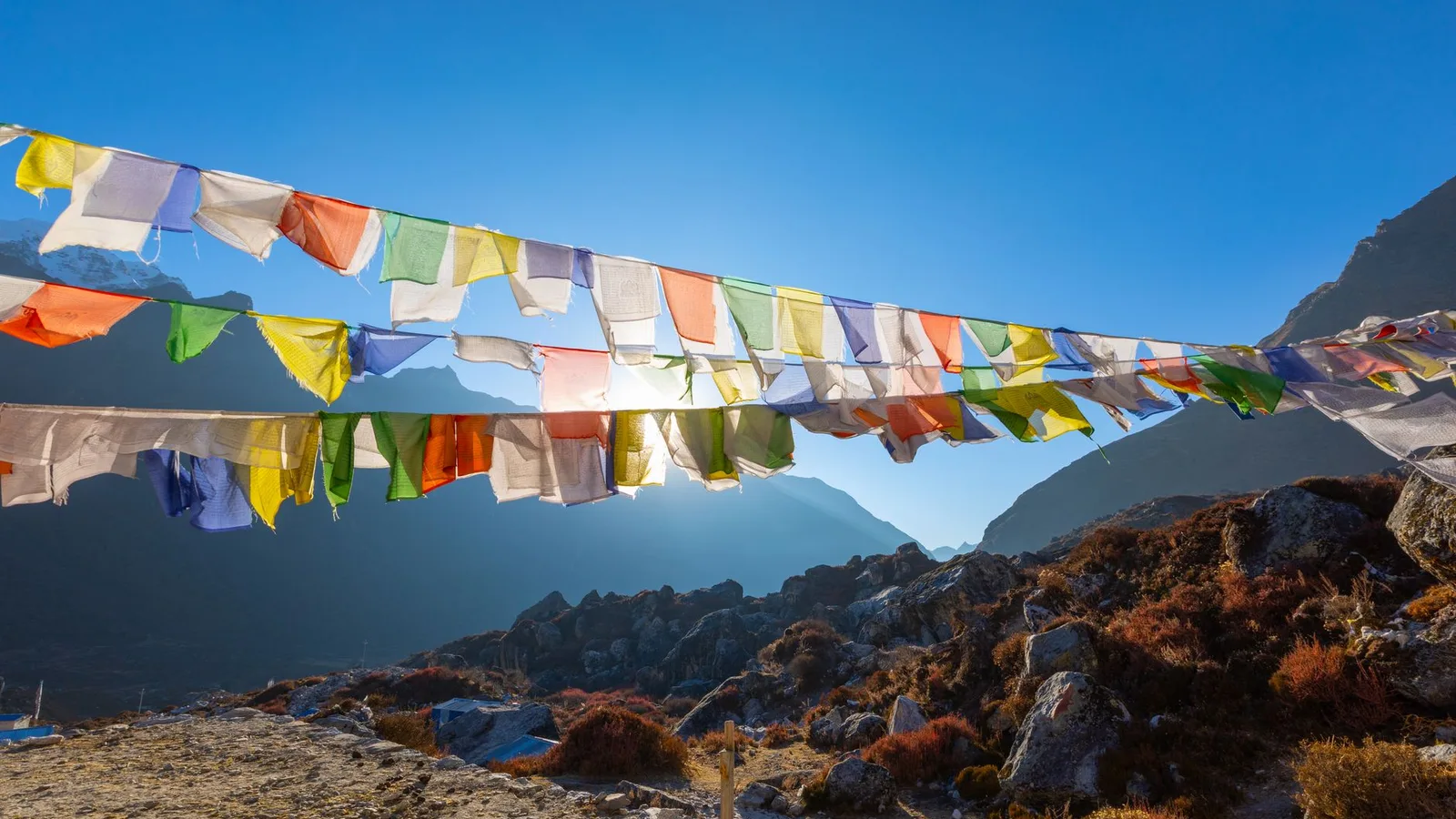
Breaking · Safety & Advisories
Massive Flash Flood on the Nepal-Tibet Border Leaves Hundreds of Tourists Missing
A wall of water tore through Rasuwa's Bhote Koshi valley on August 26, killing at least nine and leaving 384 travellers — including three Americans — unaccounted for near the Langtang trekking region.
Permits & Rules
Nepal Trekking Costs by Route in 2026: What EBC, Poon Hill and Manaslu Actually Cost
Permits alone run from $38 to over $200 depending which trail you pick — a real, route-by-route budget breakdown, not one average number for the whole country.
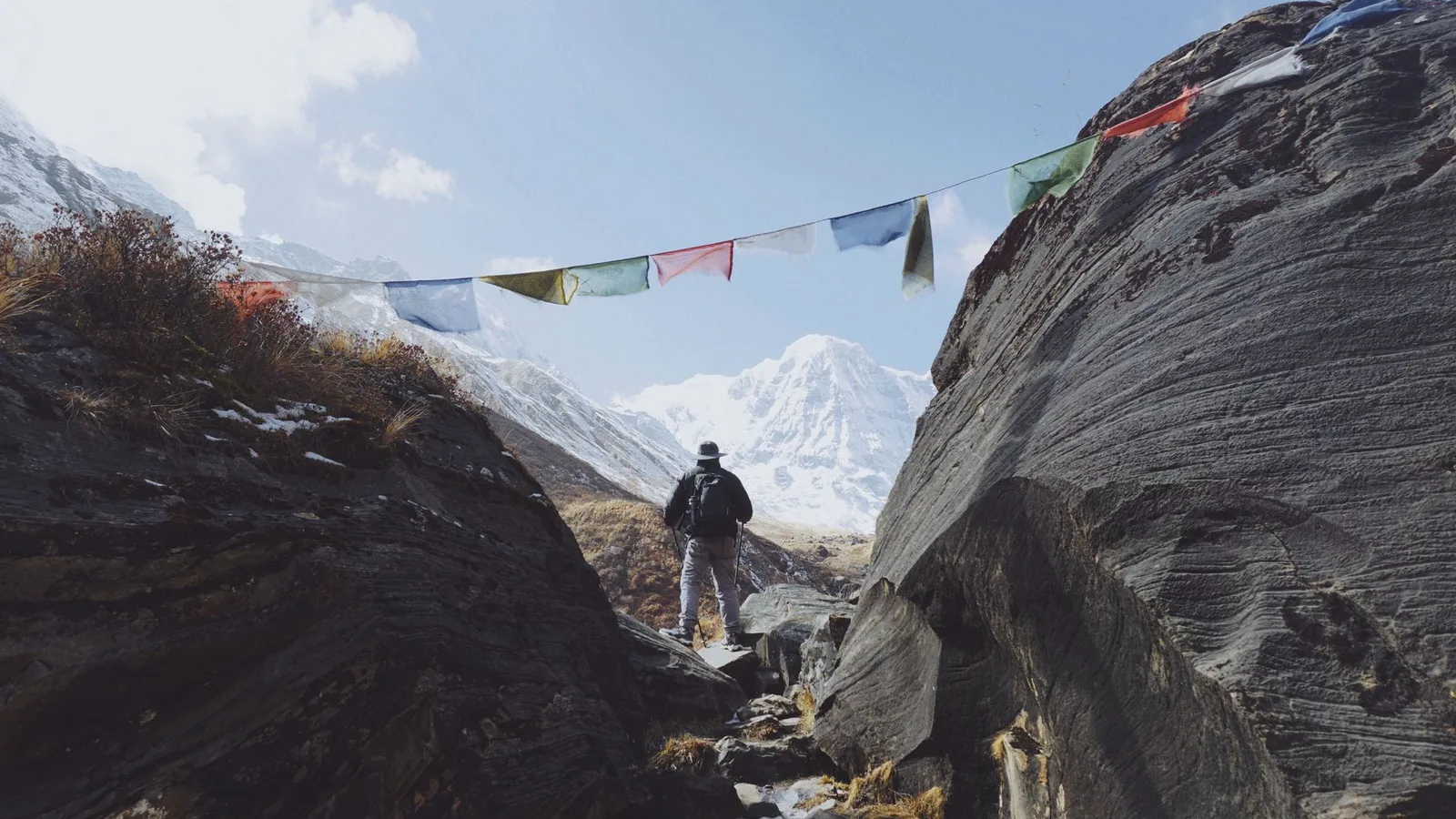
Safety & Advisories
Nepal Trekking Conditions Right Now: Region-by-Region Status After the 2026 Floods
Which trails are open, which access roads are cut, and what autumn 2026 actually looks like — updated through the season by a team based in Pokhara.
Safety & Advisories
Flash Floods and GLOFs on a Nepal Trek: How to Read the Risk and Stay Safe (2026)
Camp above the floodline, cross early, heed warnings: a working guide's field method for reading flash-flood and glacial-flood (GLOF) risk on any Nepal trek — the signs, the exposed terrain, and what to do.
Latest from the desk

Safety & Advisories
India Sends Around 50 Tonnes of Aid to Nepal as Modi Offers Condolences After the 2026 Floods
India is rushing tonnes of relief and rescue support to flood-hit Nepal, as Prime Minister Narendra Modi conveyed condolences to his Nepali counterpart and pledged India's full solidarity.

Money & Insurance
Does Your Credit Card Include Travel Insurance in 2026? What It Covers — and the Costly Gap
Many premium and travel cards bundle some cover — but it's usually secondary, conditional and capped, and it almost never pays for the emergency medical bill or evacuation that actually bankrupts travellers.

Safety & Advisories
Everyone Is Pledging Millions to Nepal. Here Is Where You Can Actually Send Money
The UN released $2m, the US pledged $500,000, India sent 50 tonnes. None of that helps if you are one person with a card. The official fund, the two alternatives worth trusting, and the scam window that is open right now.