
Faith, identity and a cable car: the Mukkumlung controversy explained
A planned cable car to the Pathibhara temple in eastern Nepal has become a flashpoint between tourism development and Indigenous Limbu heritage. Here's what's happening and what it means for visitors.

At a glance
- Published
- TopicIndustry & Tourism
- Verified againstNepal News
- Treks coveredKanchenjunga Base Camp Trek — 22 Days, Makalu Base Camp Trek — 18 Days
High in the hills of Taplejung, in Nepal's far east, a mountaintop draws hundreds of thousands of visitors a year — and has become the centre of one of the country's most heated debates about how tourism should grow. Known as Pathibhara to Hindu pilgrims and as Mukkumlung to the Indigenous Yakthung (Limbu) people, the site is the subject of a contested cable-car project that pits accessibility and development against heritage and Indigenous rights.
From the trail · Langtang


Key facts
- Site draws roughly 300,000 pilgrims a year
- Sacred as Pathibhara (Hindu) and Mukkumlung (Limbu)
- The Save Mukkumlung campaign opposes the cable car
- 286 organisations worldwide have voiced solidarity
What is being built, and why
The proposed cable car would carry visitors up toward the Pathibhara shrine, which currently requires a steep walk to reach. Backers — including the developer and parts of the government — frame it as a tourism and accessibility project: a way to bring more pilgrims and trekkers, more easily, to a major destination, with the jobs and revenue that follow. Cable cars have become a popular development model across Nepal's pilgrimage sites for exactly this reason.
Why it is being opposed
For the Limbu community and the Save Mukkumlung campaign, the mountain is not a backdrop but a living sacred landscape tied to their Mundhum tradition. Opponents argue the project has advanced without the community's free, prior and informed consent, threatens both a heritage site and a fragile high-altitude ecosystem, and could mean felling thousands of trees. Protests have moved from Taplejung to Kathmandu, a World Bank accountability watchdog has been examining a linked project, and 286 organisations around the world have expressed solidarity with the opposition.
| Tradition | Name | Significance |
|---|---|---|
| Hindu pilgrims | Pathibhara Devi | Wish-fulfilling goddess shrine |
| Yakthung (Limbu) | Mukkumlung | Sacred Mundhum heritage site |
What this means for you
Pathibhara/Mukkumlung remains open and is a worthwhile detour for trekkers in the Kanchenjunga and far-eastern region — but go as an informed, respectful guest. Understand that you are visiting a place sacred to two communities and at the centre of a genuine debate. Walking up, rather than waiting for any future cable car, is itself a quieter and more traditional way to arrive.
A bigger question for Nepali tourism
The Mukkumlung dispute is about one mountain, but the question behind it echoes across the Himalaya: who decides how a sacred place becomes a tourist destination, and who benefits when it does? As Nepal pushes hard to grow visitor numbers and build infrastructure, cases like this are a reminder that the most durable tourism is the kind local communities actually want. How Nepal resolves Mukkumlung will say a lot about the kind of destination it intends to be.
We take no side in a community's internal debate. But as guides who depend on the goodwill of the villages we walk through, we believe the people who call a place home should have the decisive voice in its future.
Source: Nepal News; Mongabay; Global Press Journal.
Cover photo: Sanjeevstha via Wikimedia Commons (CC BY-SA 4.0).
Still running this season
Kanchenjunga Base Camp Trek — 22 Days is running normally
NMA-certified local guides, transparent pricing, 5,000+ treks since 1998. Message us your dates and we'll sort the permits, lodges and logistics — reply within 24 hours, no obligation.
Popular Nepal treks
All treks →
Related coverage

Wildlife & Nature
Red Panda: Nepal's Endangered 'Fire Fox' of the Eastern Himalaya (2026)
Fewer than trekkers realise cling on in eastern Nepal's cloud forests — the bamboo-eating fire fox is Endangered, and the fight to save it runs on local forest guardians.
Safety & Advisories
Is the Makalu Base Camp Trek Affected by the 2026 Nepal Floods?
No — Makalu is in the far east of Nepal, running normally. The 26 August flood hit Rasuwa in the north, ~250–300 km away. Here is why the Tumlingtar flight and the Barun-valley trail are unaffected.

Wildlife & Nature
Nepal Wildlife in 2026: The Iconic Animals and Where to See Them
From the rhinos and tigers of the Terai to the snow leopards of the high Himalaya, a field guide to Nepal's extraordinary wildlife — and how, and where, to actually see it.
Safety & Advisories
Is the Kanchenjunga Trek Affected by the 2026 Nepal Floods?
Short answer: no. The Kanchenjunga trek is in the far east of Nepal, in Taplejung district, roughly 600 km from the flood-hit Rasuwa corridor. It is a different region on a different river, and it is running normally.
Latest from the desk
Gear & Tech
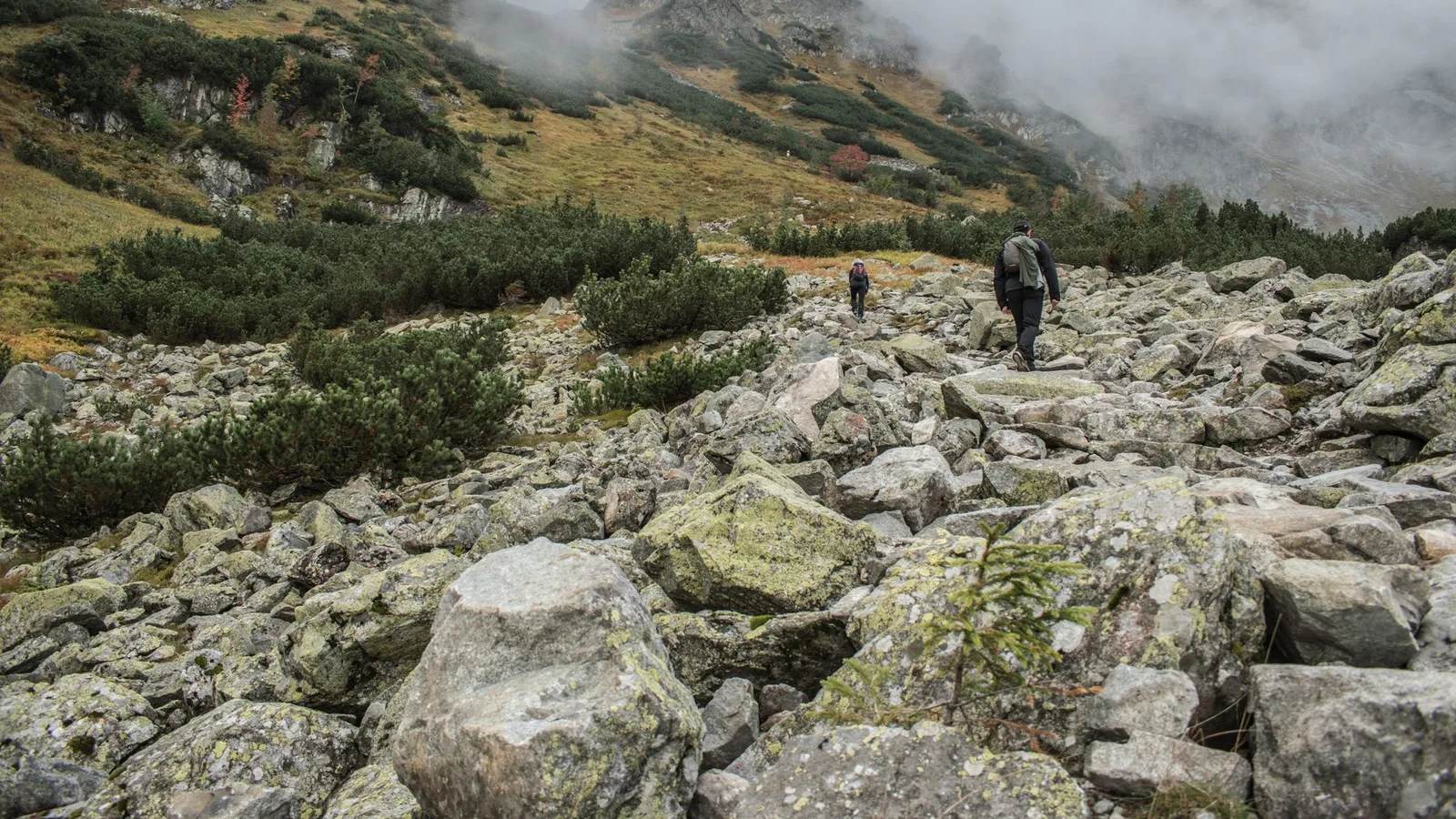
Trail shoes or hiking boots, and what the ankle-support research actually found
Most teahouse trekkers wear more boot than the walk needs, and the ankle-support argument holding that up is thinner than the shops suggest.
Gear & Tech
Merino or synthetic base layers, and what a lab found when it measured the smell
Merino wins the week-long wear, synthetic wins the overnight dry, and the lab reason merino stays fresh is not the bacteria story you have been told.
Safety & Advisories
If someone you know is missing in the Nepal flood, you don't have to fly to Kathmandu
Nepal Police have identified 95 of more than 1,200 bodies recovered. Families abroad can be DNA-profiled at home and send the result in. Here is how it works.