
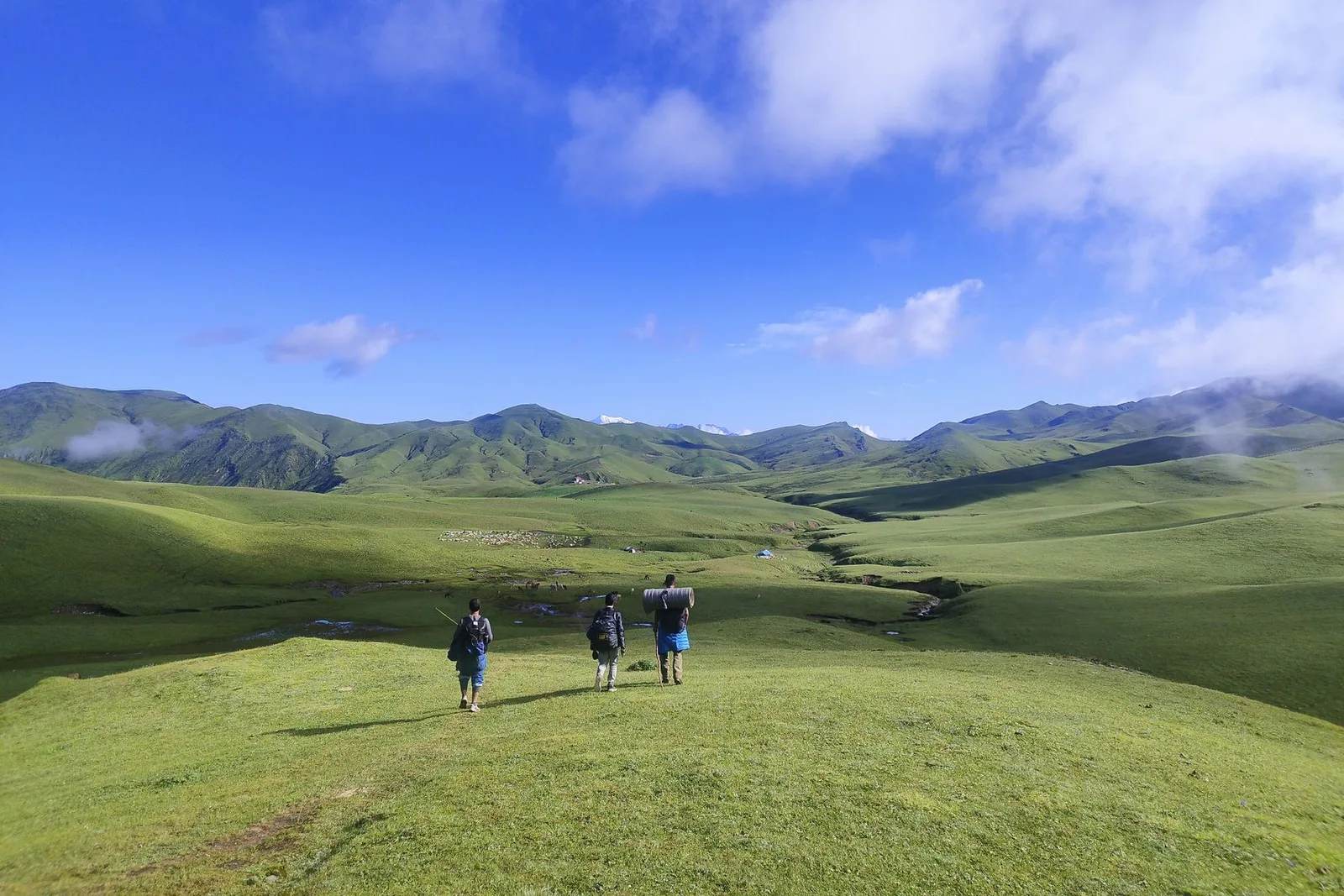
Badimalika Trek — 9 Days
Duration
9 days
From
$2,050/person
Max Altitude
4,200 m
Difficulty
Moderate
Starts
Martadi, Bajura (fly Kathmandu–Dhangadhi, then drive)
Group Size
2–10 People
Stay
Tea House / Camp
Meals
Breakfast, Lunch & Dinner
Best Season
Mar–Jun, Sep–Oct
Trip Highlights
Day-by-Day Itinerary(9 days)
Altitude Profile
Peak: 4,200 m · Day 6Morning flight from Kathmandu to Dhangadhi in the far-western Terai, then begin the long mountain drive toward Martadi, the Bajura district headquarters. Overnight en route or in Martadi depending on road conditions.
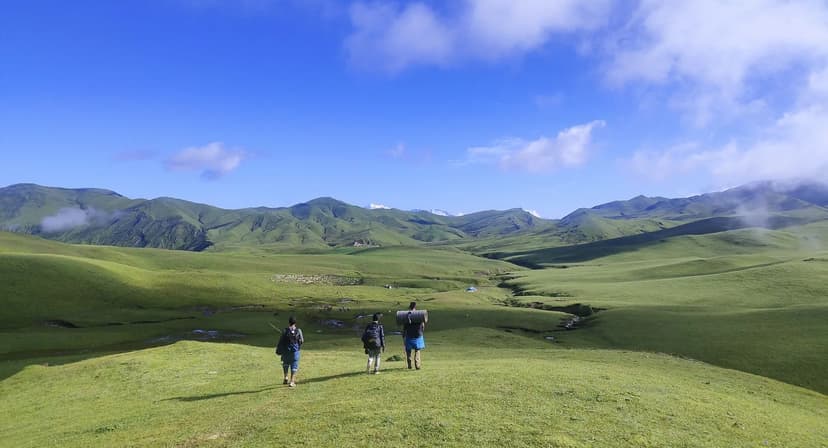
Hidden in the wild far west of Nepal, the Badimalika Trek is one of the country's most authentic and least-walked Himalayan journeys. The trail climbs to the revered Badimalika (Goddess Malika) temple at roughly 4,200 m, set high on the rolling alpine meadows of Malika Patan above the Bajura district. A major Hindu Shakti pilgrimage site — busiest during the Janai Purnima full moon in August — it sees a fraction of the foreign trekkers who crowd the Annapurna and Everest regions, offering a rare window into far-west Nepali mountain culture.
From Kathmandu you fly west to Dhangadhi, then take a long mountain drive to Martadi, the headquarters of remote Bajura. The trek proper winds up through terraced villages, oak and rhododendron forest and grazing pastures to Triveni and the Malika Patan meadow, where the temple commands sweeping views toward Saipal Himal and the Api–Nampa peaks on clear days. This is a moderate trek by altitude and gradient, but the long overland approach, basic teahouse-and-camp facilities and the high open meadow make it best suited to flexible, adventurous trekkers.
A genuine far-west pilgrimage
Expect simple lodges, homestays and camping rather than the polished teahouses of the central trails. Our crew carries camping support where lodges run out, and a licensed local guide handles the regional logistics that make this remote corner accessible. You will share the path mainly with Nepali pilgrims and herders.
Route and altitude note
Far-west routes vary by operator and season, and place names and altitudes along the Bajura approach are approximate where on-the-ground sources are thin. We confirm the exact daily plan, road conditions and overnight stops with our Martadi-based team before departure and adjust for weather, water and local festival timing.
What's Included
Included
- Kathmandu–Dhangadhi and Dhangadhi–Kathmandu domestic flights
- All ground transport (Dhangadhi–Martadi and return) by private/local vehicle
- Licensed, experienced English-speaking trekking guide
- Porters to carry main baggage
- All camping equipment (tents, kitchen, dining) where required
- All accommodation on trek (lodge / homestay / camp)
- All meals on trek (breakfast, lunch and dinner)
- TIMS card and local area/municipality permits
- Guide and porter wages, insurance, meals and equipment
- All applicable government taxes and service charges
Not Included
- International airfare to and from Kathmandu
- Nepal entry visa fee
- Travel and high-altitude rescue insurance (mandatory)
- Accommodation and meals in Kathmandu (unless requested)
- Personal trekking gear and equipment
- Drinks, snacks, bottled water and personal expenses
- Tips for guide, porters and drivers
- Costs from flight delays, weather or road conditions beyond our control
- Anything not listed under Included
Best Time to Go
Spring (Mar–Jun)
Prime season — stable weather, blooming rhododendron forest and clear views toward Saipal. Warm days at the meadow.
Summer / Monsoon (Jul–Aug)
Wet and muddy trails, but August brings the vibrant Janai Purnima pilgrimage to the temple — atmospheric for cultural travellers.
Autumn (Sep–Oct)
Crisp, clear skies after the monsoon and excellent mountain visibility. Comfortable temperatures and firm trails.
Winter (Nov–Feb)
Cold and often snowbound on Malika Patan, with the temple area frequently inaccessible. Generally not recommended.
Permits Required
TIMS Card
USD 20Trekkers Information Management System card, required for the trek.
Local Area / Municipality Fee
USD 5–10Small local entry/rural municipality fee; exact amount confirmed locally before departure and may change.
All permits are arranged and included in your package price. Nothing to organise yourself.
What to Pack
A detailed packing list will be sent with your booking confirmation. Gear rental available in Kathmandu and Pokhara.
Frequently Asked Questions
On the Trail
See it in motion
Your Himalaya Awaits
Ready to walk Badimalika Trek?
Private departures on any date, a hand-picked NMA guide, and an itinerary built around you. Tell us your dates — we usually reply within a few hours.
$2,050
/ person · all-inclusive