
The short version
A 2026 guide to the Badimalika Trek in Bajura, far-west Nepal: the 4,200m Goddess Malika temple, 22 alpine meadows, route, permits, cost and best season.
- One of far-west Nepal's last truly wild treks — endless high pastures, Hindu pilgrimage culture and almost no foreign trekkers.
- The goal is the Goddess Malika (Badimalika) temple at around 4,200 m, set on a vast alpine meadow ringed by 22 rolling grasslands locally called Patan.
- It is an open trekking area — no Restricted Area Permit — but a TIMS card, a small local fee and a licensed local guide are the practical reality on unmarked trails.
- Best in spring (Mar–Jun) for rhododendron and wildflowers, or autumn (Sep–Oct); the Janai Purnima full moon in August is the great pilgrimage but means crowds and monsoon mud.
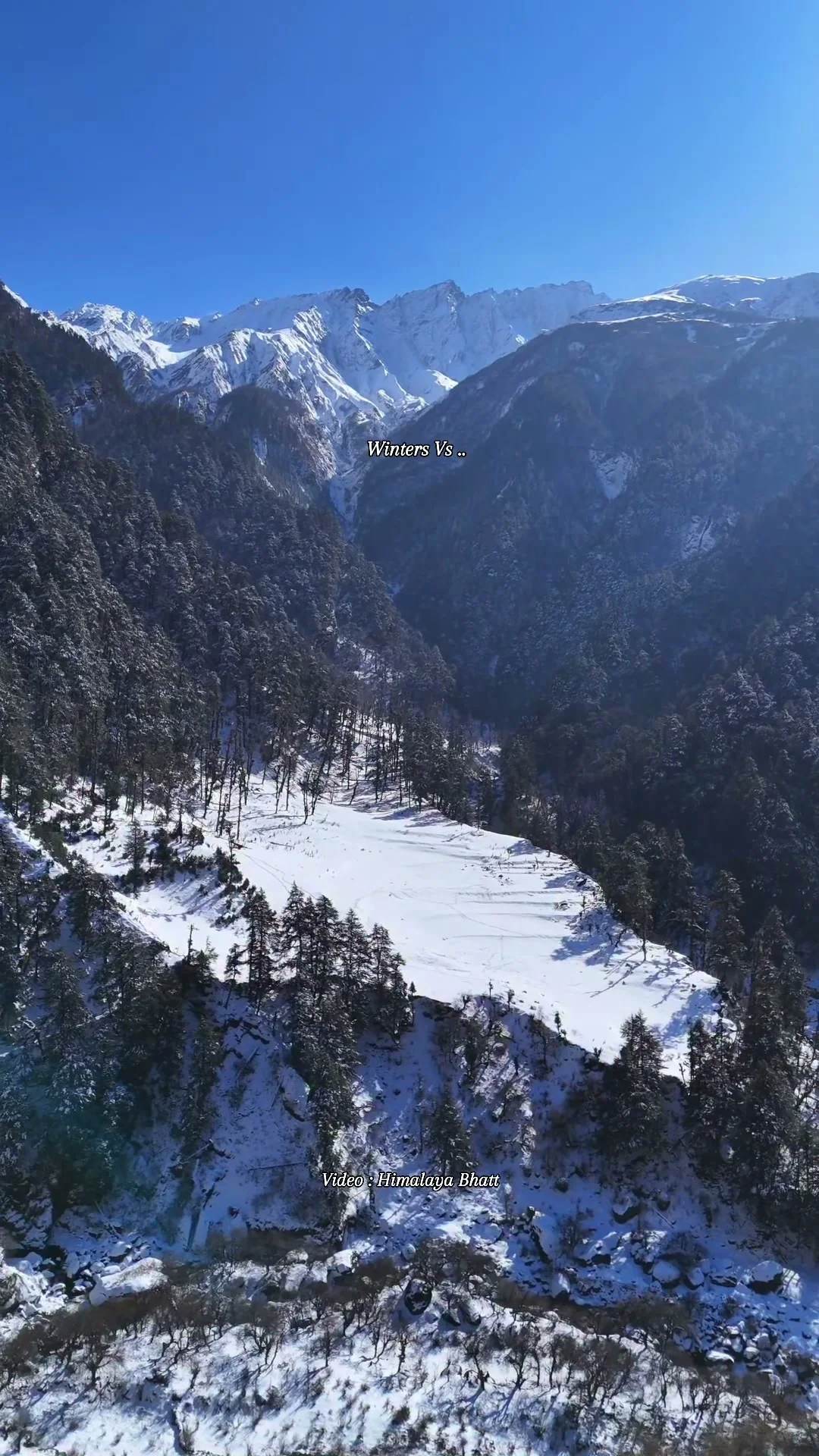
The Badimalika Trek is, for us, one of the most quietly spectacular journeys in Nepal — and one almost no foreign trekker has heard of. Tucked into Bajura district in the far-western hills, it climbs through forest, terraced villages and finally onto an immense sea of alpine meadows to reach the sacred temple of the Goddess Malika at roughly 4,200 metres. It rewards you not with a famous 8,000-metre wall like Everest or Annapurna, but with rolling grasslands, wildflowers, Hindu pilgrimage culture and panoramic views of the Saipal and Api Himal. As a Pokhara-based operator running treks since 1998, we think of it as far-west Nepal's great undiscovered walk.
Why trek to Badimalika
Most trekkers never look west of Pokhara, and that is exactly why Badimalika feels like stepping back twenty years. There are no lodges with espresso machines, no queues at the pass, no other foreigners. What you get instead is authenticity: shepherds moving flocks across the high pastures, pilgrims walking barefoot toward the shrine, and meadows that locals call Patan — there are said to be twenty-two of them — which in summer become a natural botanical garden of wildflowers and medicinal herbs. The Badimalika temple is one of the far-west's most important Shakti Peeth sites, dedicated to the goddess Bhagwati, and the trek is as much a cultural and spiritual experience as a scenic one. For walkers who want real solitude and a window into a part of Nepal that tourism has barely touched, nothing on our tours page compares.
Route and itinerary overview
The trek almost always begins from Martadi, the district headquarters of Bajura, which you reach after a long overland approach from the far-western lowlands. From Martadi the walking begins in earnest:
- Days 1–2: Trek out of Martadi through villages and forest, gaining height steadily toward staging hamlets such as Tate and Dhalaune.
- Days 3–4: Climb onto the high country, passing the sacred river confluence of Triveni at around 3,870 m, where pilgrims take a holy dip before the final ascent.
- Days 5–6: Cross the open Malika Patan meadows to the Badimalika temple at roughly 4,200 m — the spiritual and scenic high point — then explore the surrounding ridges for views of Saipal and Api Himal.
- Days 7 onward: Descend by the same or an alternative valley back to Martadi and begin the journey out.
We deliberately quote day ranges rather than a rigid day-by-day plan: weather, the state of the rough roads to Martadi and your group's pace all shift the schedule in the far west, so flexibility is part of the trek. For a sense of how Badimalika sits against other off-grid routes, see our Nepal trek comparison.
Difficulty and fitness
We rate Badimalika moderate to strenuous. The headline altitude of about 4,200 m is modest by Himalayan standards — well below Everest Base Camp or the Thorong La — so serious altitude sickness is less of a concern than on the high passes. The challenge is different: long days, a remote approach, steep ups and downs through forest and meadow, and very basic facilities throughout. There are no comfortable lodges to fall back on and no quick exit if the weather turns. You should be comfortable walking six to eight hours a day on rough, often unmarked trails and carrying a daypack. If you have done a teahouse trek like Langtang or the lower Annapurna foothills and enjoyed it, you are ready for the physical side of Badimalika.
Permits and 2026 cost
Badimalika is an open trekking area — it is not a restricted region, so there is no expensive Restricted Area Permit and no two-trekker rule like those covered on our restricted areas page. That said, the practical paperwork looks like this for 2026, and we always confirm current rules before departure:
- TIMS card — the standard Trekkers' Information Management System card, around US$17 per person for individuals through an agency.
- Local / municipality fee — Bajura levies a small entry or development fee, typically a few hundred to around NPR 2,000; this is modest and paid locally.
- Khaptad National Park permit — only if your specific route touches or enters the park boundary (some itineraries do). For foreigners this is around NPR 1,500 plus 13% VAT.
- Licensed guide — in line with Nepal's tightening rules and the sheer absence of signage out here, a licensed local guide is effectively essential rather than optional.
For the full national picture see our permits hub and the dedicated Nepal trekking permits 2026 guide. As an all-in figure, budget roughly US$900–1,500 per person for a group of two, covering the trek itself, guide, porters, food and the long far-west transport. Because the logistics are unusual, we tailor each Badimalika departure as a private trip through our trekking agency.
Best time to trek
There are two clear windows. Spring, roughly March to June, brings rhododendron blooms and the wildflower carpets the meadows are famous for, with generally stable weather. Autumn, September to October, offers crisp air and the clearest mountain views after the monsoon. The single most significant date is Janai Purnima, the full moon of August, when thousands of pilgrims converge on the temple for the great fair — an extraordinary cultural spectacle, but it falls in the monsoon, so expect mud, leeches and crowds. We avoid the deep monsoon of July and the harsh, snowbound winter from December to February. For a season-by-season breakdown across Nepal, read our best time to trek Nepal guide and the 2026 seasonal update.
How to get there
Reaching the trailhead is half the adventure. The usual approach is to fly from Kathmandu to Dhangadhi (or to Surkhet or Nepalgunj), then drive the long, rough road through the hills to Martadi in Bajura — a journey that can take the better part of two days from the lowlands. From Nepalgunj it is sometimes possible to take a small aircraft closer to Bajura, weather and schedules permitting. Whichever way you come, allow generous buffer days: far-western roads and flights are weather-dependent and delays are normal. This long approach is precisely why so few visitors make it here, and why those who do find the trails empty. You will want your Nepal visa sorted well before arrival.
Accommodation: teahouse or camping
This is not a teahouse trek in the Annapurna or Everest sense. While the lower villages have simple homestays and basic lodges, the high meadows around the temple have no commercial accommodation at all. For that reason we run Badimalika primarily as a supported camping trek: our team carries tents, a kitchen, food and gear, and we cook for you along the way. This is the traditional, fully-supported style of trekking that built Nepal's industry, and it is the only realistic way to spend a night up on the Patan meadows. It also means the trek works best as an organised expedition rather than an independent walk.
Packing for the far west
Because nights are spent camping at altitude, your kit matters more than on a lodge trek. Bring a four-season sleeping bag, warm layers for cold high-meadow nights even in summer, solid waterproofs (spring and the shoulder of the monsoon can be wet), broken-in boots, sun protection for the exposed grasslands and a personal first-aid kit. There are no shops to resupply once you leave Martadi, so come self-sufficient. Our full Nepal trekking packing list covers the essentials; for Badimalika simply lean toward warmth, waterproofing and self-reliance.
Who is this trek for — and how it compares
Badimalika is for the experienced, curious trekker who has perhaps already done the classic routes and wants something genuinely off the map. If you loved the emptiness of Rara or the spiritual calm of Khaptad, you will feel at home here. Compared with the Rara Lake trek, Badimalika trades Rara's serene blue lake for high pilgrimage meadows and a living temple culture; both share that precious far-western solitude. It is wilder and more spiritual than Khaptad's gentle plateau, and far less commercial than anything in the Annapurna or Everest regions. It is not for first-timers who want comfort, hot showers and a well-marked trail. If you are weighing it against the eastern high routes, our trek comparison puts the options side by side.
Altitude and safety
At around 4,200 m the temple is high enough to take seriously but low enough that, with a sensible ascent, most fit trekkers acclimatise without difficulty. Our itineraries build in steady height gain rather than rushing to the top, and our guides watch everyone for early signs of altitude sickness. If you would like to understand the symptoms and prevention before you travel, read our detailed altitude sickness guide. The greater safety considerations on Badimalika are actually remoteness and self-sufficiency: there is no road rescue, limited mobile signal and no nearby hospital, which is exactly why we insist on an experienced licensed guide. If you are still deciding whether to walk with a guide at all, our honest take is in do you need a guide to trek Nepal — for the far west, the answer is an emphatic yes.
Do I need a special permit for the Badimalika Trek?
No. Badimalika is an open trekking area, so there is no Restricted Area Permit. You will need a TIMS card and a small local Bajura fee, and a Khaptad National Park permit only if your route touches the park. A licensed local guide is effectively essential on these unmarked trails. We confirm the exact current requirements before every departure.
How high does the trek go?
The high point is the Badimalika (Goddess Malika) temple at roughly 4,200 metres, set on a vast alpine meadow. That is modest by Himalayan standards, so serious altitude sickness is less likely than on the high passes, but a steady ascent and an attentive guide still matter.
When is the best time to go?
Spring (March to June) for rhododendron and wildflowers, or autumn (September to October) for the clearest mountain views. The Janai Purnima full moon in August is the great pilgrimage, drawing thousands of devotees, but it falls in the monsoon with mud and crowds. We avoid deep monsoon and winter.
Is it a teahouse trek or camping?
Mainly camping. Lower villages have basic homestays, but the high meadows around the temple have no commercial lodging, so we run Badimalika as a fully supported camping trek with tents, a kitchen crew and porters. It works best as an organised trip rather than an independent walk.
How do I get to the trailhead?
Fly from Kathmandu to Dhangadhi (or Surkhet or Nepalgunj), then drive the rough hill road to Martadi, the headquarters of Bajura, and trek from there. Allow buffer days, as far-western flights and roads are weather-dependent. From Nepalgunj a small aircraft closer to Bajura is sometimes available.
How much does the Badimalika Trek cost?
As a guideline, budget roughly US$900–1,500 per person for a group of two, covering the guide, porters, camping support, food and the long far-west transport. Because the logistics are unusual we tailor each trip privately through our trekking agency rather than running fixed group departures.
Travel Himalaya Nepal runs the Badimalika Trek as a fully-supported, licensed far-west departure. View the 9-day trek & dates →
Private departures on any date, hand-picked NMA guides, and 25+ years on the trail. Tell us your dates — we usually reply within a few hours.
Browse all treks & tours →
Written by
Travel Himalaya NepalPokhara-based, NMA-certified trekking guides. We’ve led 5,000+ treks across the Annapurna and Everest regions since 1998 — every word here comes from the trail. More from this author →
Share this article
Ready to Trek?
From reading about it to standing on it
Our Pokhara-based guides have been doing this since 1998. Tell us your dates and fitness level — we'll build your perfect itinerary. Free, no obligation.
Why trek with our licensed agencyMore guides like this
Popular trips to consider
View all treks & toursFree Trekker’s Insider Guide
Permits, packing lists, cost breakdowns — no fluff.
We send one useful email. You can unsubscribe anytime.