
The short version
Plan the Khaptad National Park trek 2026: a serene far-west Nepal plateau at ~3,300m with 22 meadows, the Khaptad Baba ashram, permits, season and costs.
- A grassland plateau, not a peak. Khaptad is gentle rolling meadow walking at around 3,000 m, topping out near 3,300 m — one of Nepal's easiest high treks underfoot, but among its most remote.
- Spiritual and botanical. The 22 patans (meadows), the revered Khaptad Baba ashram, Tribeni confluence and wild medicinal-herb grasslands give this trek a contemplative character you will not find on the busy classics.
- Genuinely uncrowded. You can walk for days in far-western Nepal and meet almost no other trekkers — Saipal and Api glimmer on the horizon and the patans are yours alone.
- Plan for the journey, not just the walk. Most of your eight to ten days is split between the long approach (Kathmandu–Dhangadhi flight, road to Doti) and a short, scenic plateau circuit.
The Khaptad National Park Trek takes you to a corner of Nepal that most visitors never reach: a rolling grassland plateau in the far west, draped across the Bajhang, Bajura, Achham and Doti districts at roughly 3,000 metres. There are no glaciers to cross and no high passes to fear — instead there are meadows, oak and rhododendron forest, ash-grey temples, herds of wandering cattle and the silence of a place still off the trekking map. We are a Pokhara-based operator who has run treks across Nepal since 1998, and we think of Khaptad as the antidote to the crowds: a serene, spiritual nature walk for travellers who measure a trek by its peace rather than its altitude.


Why trek Khaptad National Park?
Khaptad is unlike anywhere else in Nepal. Where the Annapurna and Everest regions deliver dramatic vertical theatre, Khaptad offers a soft, almost European upland — open meadows the locals call patans, rippling between belts of forest. There are said to be 22 of these grasslands, each with its own name and character, and walking between them feels less like climbing a mountain and more like wandering an alpine garden. The park is also a living pharmacy: its grasslands are rich in medicinal and aromatic herbs that have drawn healers and botanists for generations. Add the panoramic horizon of the Saipal and Api Himal ranges, the wild birdlife and the deep cultural weight of the Khaptad Baba ashram, and you have a trek that nourishes more than the legs. If you want to understand why we still rate Nepal's quieter corners, see our wider take on the best treks in Nepal.
Route and itinerary overview
The Khaptad trek is short on the ground but long on logistics. The usual shape of an 8–10 day trip looks like this:
- Days 1–2: Fly Kathmandu–Dhangadhi in the far-western Terai, then drive up into the hills towards Silgadhi (Doti) or the trailhead village of Jhota. The road day is long and dusty but scenic.
- Days 3–4: Begin the climb from the valley floor through dense oak and rhododendron forest, gaining the plateau rim. This is the steepest, sweatiest part of the whole trek.
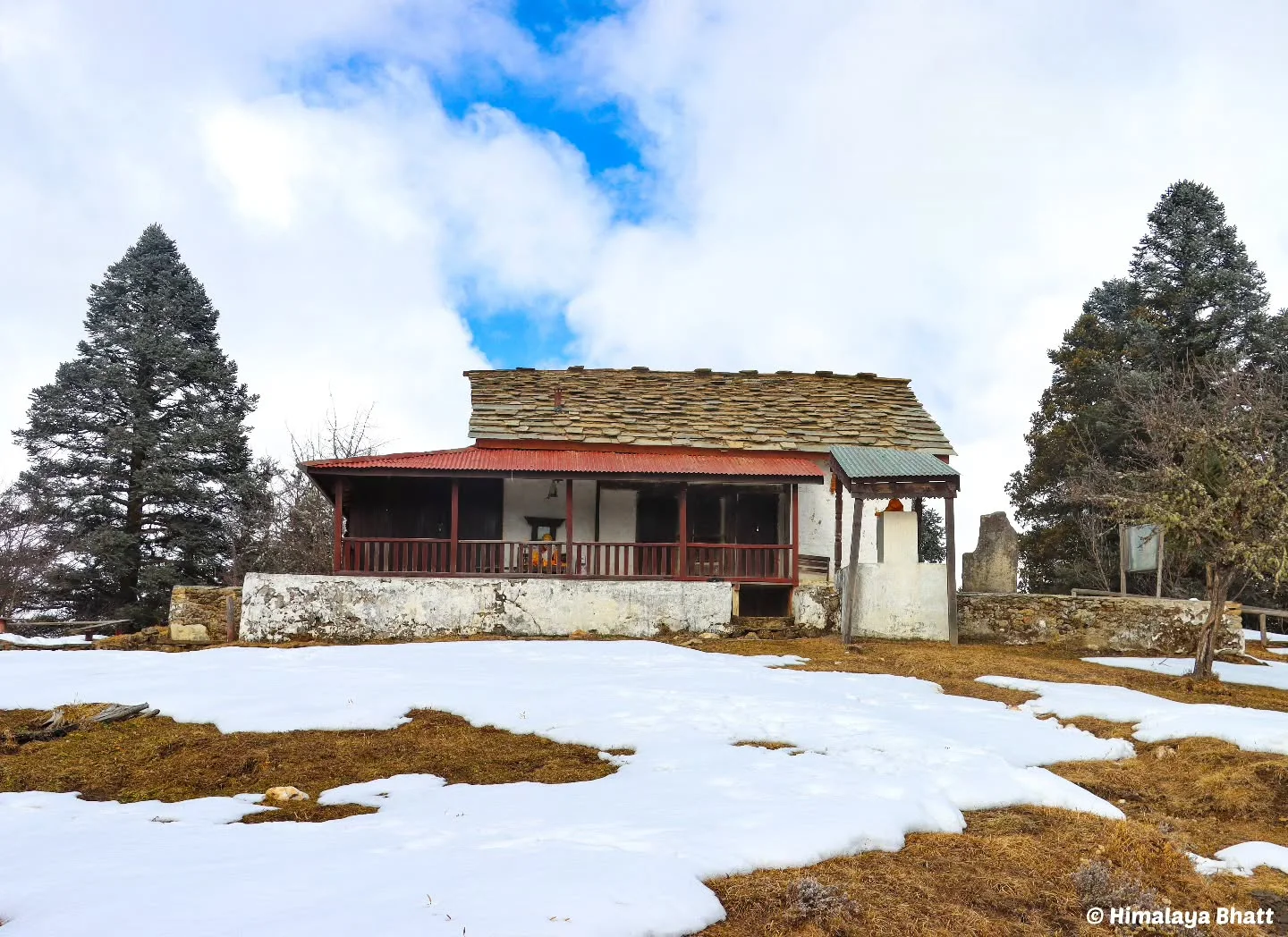
- Days 5–7: Circuit the plateau itself — the patans, the Khaptad Baba ashram, the Tribeni confluence where three streams meet, and the cluster of Ganesh, Nag and Khaptad temples. A side walk reaches the Sahasra Linga / Khaptad Lekh high point near 3,300 m for the widest Himalayan views.
- Days 8–10: Descend back to the road, drive to Dhangadhi and fly to Kathmandu.
We avoid publishing a rigid day-by-day plan here because conditions, road timings and flight schedules in the far west shift often. Our guides build the exact cadence around your group, the season and the latest local advice.
Difficulty and fitness
On the trail itself, Khaptad is one of the most forgiving high treks in Nepal — gentle plateau walking with modest daily ascents once you are up on top. The real demands are the long approach days, the steep initial climb to the rim, and the remoteness: there is no quick exit if something goes wrong, and facilities are basic. If you can comfortably walk five to six hours a day over rolling terrain, you have the fitness for Khaptad. The challenge is psychological and logistical rather than physical. For a sense of how it sits against Nepal's other routes, our Nepal trek comparison places it firmly in the easy-to-moderate, low-altitude bracket.
Permits and 2026 cost
Khaptad is a national park, not a restricted area, so the paperwork is refreshingly simple. You need a Khaptad National Park entry permit, which for foreign nationals sits in the region of NPR 3,000 per person (NPR 1,500 for SAARC nationals) (around US$8–12) at the time of writing, plus the standard 13% VAT — far cheaper than the conservation-area fees on the popular trails. SAARC nationals pay less and Nepalis less again. You do not need a TIMS card or a special restricted-area permit, but you do need to trek with a licensed guide, both because solo trekking is now restricted across much of Nepal and because the far-west trails are genuinely hard to navigate alone. Always confirm the current fee before you travel, as park rates are revised periodically — our Nepal trekking permits hub and 2026 permits guide track the latest figures.
For the trek as a whole, budget roughly US$900–1,400 per person for a guided trip, reflecting the costly Dhangadhi flights and long private transfers rather than the trekking itself. You can model your own figure with our trek cost calculator and our wider notes on Nepal trekking costs.
Best time to trek Khaptad
There are two clear windows. Spring, roughly March to June, is arguably the finest: the patans burst into a carpet of wildflowers and primulas, the rhododendron forest blazes red, pink and white, and temperatures are mild. Autumn, October to November, brings the most stable skies and the crispest, clearest views of the Api and Saipal ranges after the monsoon has washed the air clean. Avoid the summer monsoon (July to early September), when the trails turn to mud and leeches, and midwinter, when the plateau can be cold and snow-dusted with services shut. For the full national picture, see our guide to the best time to trek in Nepal and the 2026 seasonal breakdown.
How to get there
Getting to Khaptad is half the adventure. The standard route is a domestic flight from Kathmandu to Dhangadhi, the main town of the far-western Terai, followed by a long drive — several hours — up into the hills to Silgadhi in Doti district or the trailhead at Jhota. From there the trek climbs on foot to the plateau. Overland alternatives exist from Nepalgunj or via the long highway from Kathmandu, but they add days. Because flight timings to and from the far west are weather-dependent and occasionally cancelled, we always build a buffer day into the itinerary. Arranging these connections smoothly is exactly the sort of thing a local trekking agency handles best.
Accommodation: teahouse versus camping
This is where Khaptad differs sharply from the classic routes. There is no developed teahouse network on the plateau. Inside the park you will find a few very basic lodges and a park guesthouse near the headquarters, but supplies are limited and standards are simple. For most groups we run Khaptad as a supported camping trek: tents, a cook, porters and full provisions carried in. This guarantees comfort and proper meals in a region with little infrastructure, and it is part of why the trek costs more than a teahouse classic. In the gateway towns of Dhangadhi and Silgadhi you will find ordinary hotels for the start and end of the trip.
What to pack
Pack as you would for any spring or autumn Nepal trek, with a few far-west tweaks. Layers are essential — the plateau is warm in the sun and chilly at dawn — so bring a fleece, a light down jacket and a windproof shell. Sturdy broken-in boots, sun protection for the open meadows, a good water-purification system and a personal first-aid kit are non-negotiable given the remoteness. Because services are scarce, carry any specific medicines, spare camera batteries and cash (there are no ATMs on the trail). Our full Nepal trekking packing list covers the essentials in detail; for Khaptad, lean towards self-sufficiency.
Who it is for — and how it compares
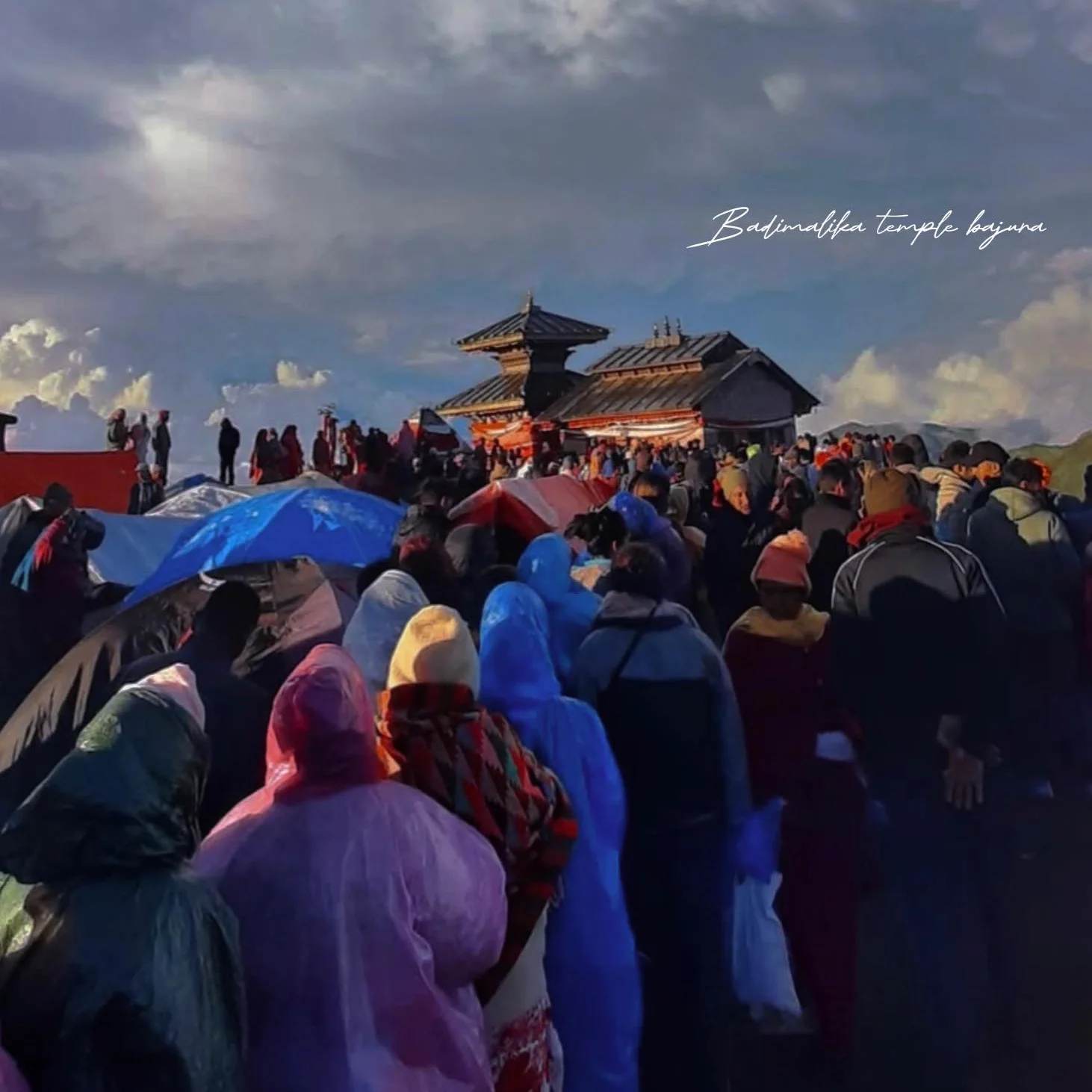
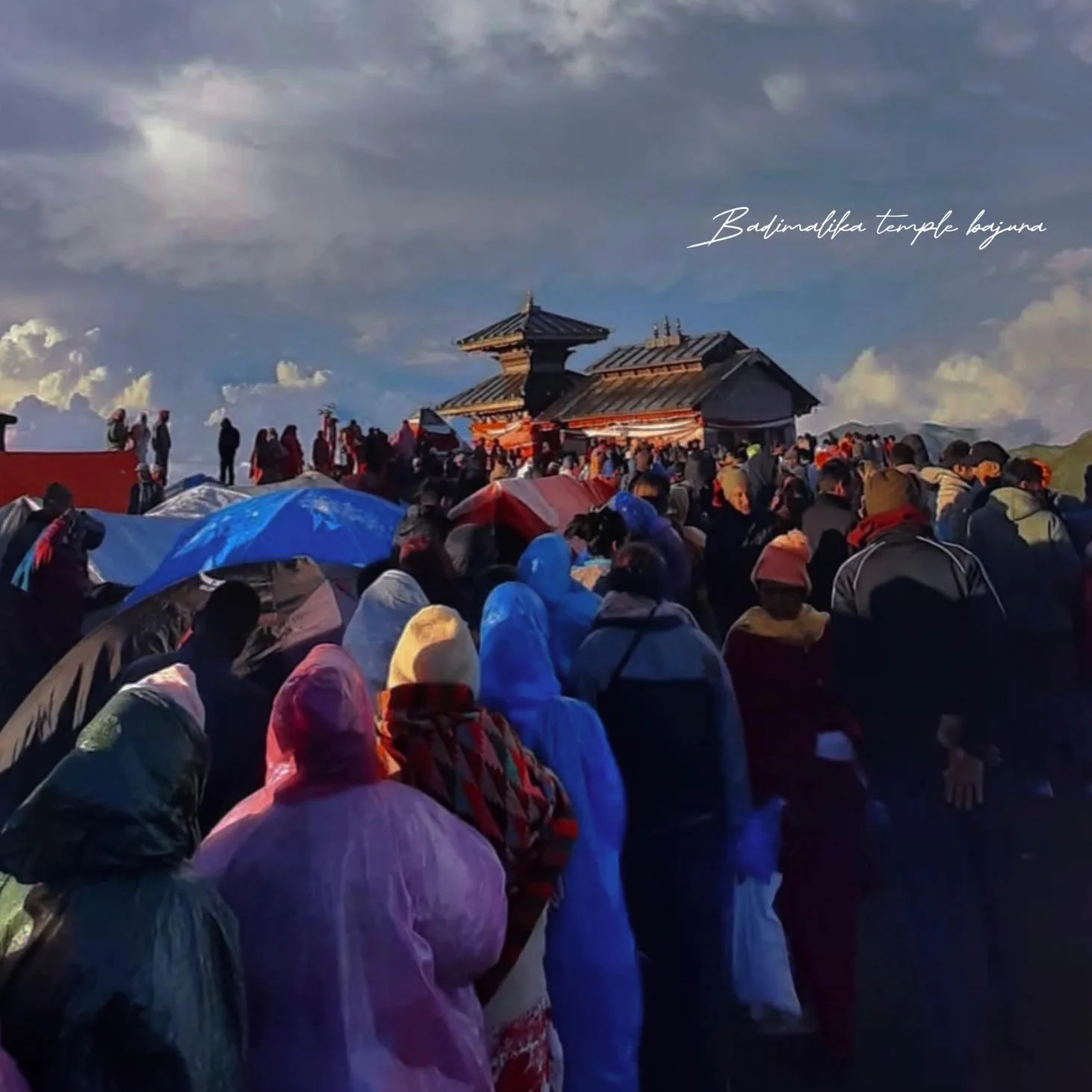
Khaptad is for the traveller who has perhaps already done a busy classic and now craves solitude, or for the first-timer who values culture and nature over altitude bragging rights. It pairs naturally with Nepal's other far-and-mid-west gems. The Rara Lake trek shares the same remote, uncrowded spirit but centres on Nepal's largest lake; the Badimalika trek, just to the east in Bajura, is a more strenuous pilgrimage to a high goddess shrine and makes a superb extension. For the truly committed, the Dolpo trek pushes into Nepal's wildest trans-Himalayan terrain. Where those treks test you, Khaptad soothes — it is the gentlest and most meditative of the western circuit, and the one we recommend to anyone who wants the far west without the suffering. Browse the full range on our tours page.
Altitude and safety
At a high point of around 3,300 m, Khaptad sits well below the threshold where serious altitude sickness becomes a common worry, and the gradual ascent profile makes problems rarer still. That said, mild symptoms can appear at any height, so stay hydrated, walk at a steady pace and tell your guide if you feel unwell — our altitude sickness guide explains the warning signs. The bigger safety consideration in Khaptad is remoteness: evacuation is slow and medical facilities are distant, which is precisely why we insist on an experienced licensed guide, a thorough kit and a sensible buffer in the schedule. Trekking with a registered company is not just a legal formality in the far west — it is your safety net. If you are weighing up going independently, read our honest take on whether you need a guide to trek Nepal in 2026.
How high does the Khaptad trek go?
The plateau itself sits at around 3,000 m, and the highest point — the Sahasra Linga viewpoint on Khaptad Lekh — reaches roughly 3,300 m. This is low enough that altitude sickness is uncommon, making Khaptad one of Nepal's most accessible high-country treks.
Do I need a special permit for Khaptad National Park?
No restricted-area permit is required. You need a Khaptad National Park entry permit — NPR 3,000 for foreign nationals (NPR 1,500 for SAARC) plus VAT — and you must trek with a licensed guide. There is no TIMS card or extra restricted-zone fee. Always confirm the current rate before you travel.
When is the best time to trek Khaptad?
Spring (March to June) for wildflowers and blooming rhododendron, or autumn (October to November) for the clearest, most stable mountain views. Avoid the summer monsoon and the cold, often snowy midwinter months.
Is Khaptad a teahouse trek?
Not really. There is no developed teahouse network on the plateau — just a few very basic lodges and a park guesthouse. Most groups trek Khaptad as a fully supported camping trip with tents, a cook and porters, which is the most comfortable and reliable option.
How do I get to the Khaptad trailhead?
Fly from Kathmandu to Dhangadhi in the far-western Terai, then drive several hours up to Silgadhi (Doti) or the Jhota trailhead, from where you trek to the plateau. Because far-west flights can be weather-affected, we always build in a buffer day.
How does Khaptad compare to Rara Lake or Badimalika?
All three are remote far-and-mid-west treks. Khaptad is the gentlest and most meditative — a plateau of meadows and temples. Rara centres on Nepal's largest lake, while Badimalika is a tougher high-altitude pilgrimage. Khaptad and Badimalika combine especially well into one trip.
Travel Himalaya Nepal runs the Khaptad National Park Trek as a fully-supported, licensed far-west departure. View the 8-day trek & dates →
Private Khaptad departures on any date, hand-picked NMA guides, and 25+ years on these trails. Tell us your dates — we usually reply within a few hours.
Browse Khaptad treks & tours →
Written by
Travel Himalaya NepalPokhara-based, NMA-certified trekking guides. We’ve led 5,000+ treks across the Annapurna and Everest regions since 1998 — every word here comes from the trail. More from this author →
Share this article
Ready to Trek?
From reading about it to standing on it
Our Pokhara-based guides have been doing this since 1998. Tell us your dates and fitness level — we'll build your perfect itinerary. Free, no obligation.
Why trek with our licensed agencyMore guides like this
Popular trips to consider
View all treks & toursFree Trekker’s Insider Guide
Permits, packing lists, cost breakdowns — no fluff.
We send one useful email. You can unsubscribe anytime.