
The short version
Plan the Limi Valley Trek 2026 in Humla, Nepal: Nyalu La pass, restricted-area permits, 2026 costs, best season, itinerary and who this remote trek is for.
- One of Nepal's most intact Tibetan valleys — the medieval villages of Til, Halji and Jang sit on the old salt-trade route toward Mount Kailash, almost untouched by tourism.
- Restricted and crew-supported — Humla needs a Restricted Area Permit, a licensed guide and a registered agency with a minimum of two trekkers; this is a camping trek, not a teahouse one.
- Trans-Himalayan rain-shadow — like Dolpo and Upper Mustang it lies behind the main range, so it stays trekkable through the summer monsoon from May to October.
- For seasoned trekkers only — 18–22 days, the ~4,990 m Nyalu La, long days and near-total isolation make fitness and acclimatisation non-negotiable.
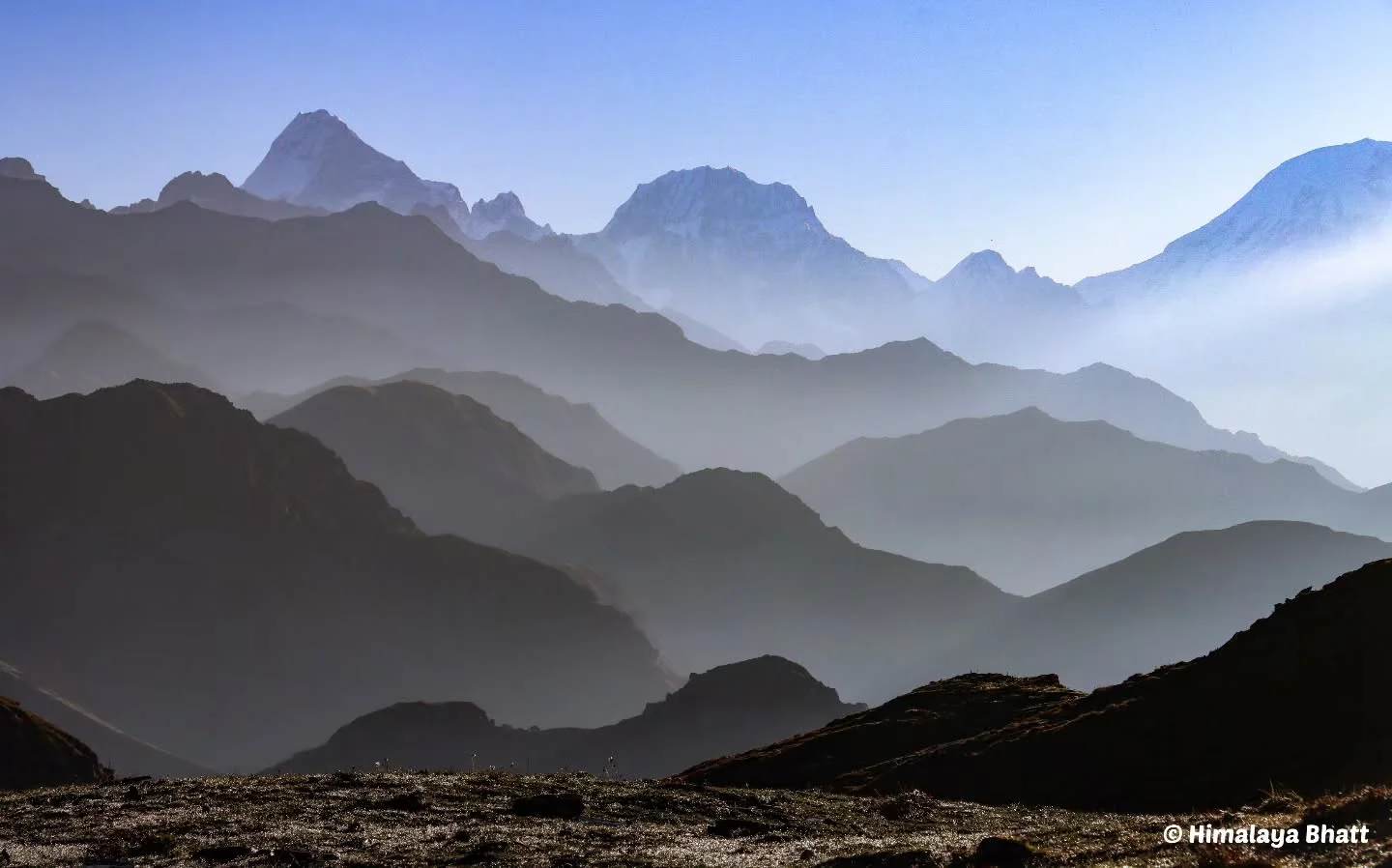
The Limi Valley Trek is, quietly, one of the most extraordinary journeys left in Nepal. Tucked into Humla, the country's far-northwestern district on the Tibet border near sacred Mount Kailash, Limi is a hidden trans-Himalayan kingdom of whitewashed Tibetan villages, thousand-year-old monasteries and an ancient salt-trade trail that has barely changed in centuries. Very few trekkers ever reach it. As a Pokhara-based operator running treks since 1998, we think of Limi as the connoisseur's choice — the trek you do once you have already fallen for the wild, arid grandeur of Dolpo and Mustang and want something even more remote.
Why trek Limi Valley
Most of Nepal's famous trails have changed beyond recognition over thirty years — lodges, Wi-Fi, queues at the passes. Limi has not. Sealed off behind the Himalaya and ringed by Tibet on three sides, the valley preserves a way of life that vanished elsewhere generations ago. The people here are ethnically and culturally Tibetan, speaking a Tibetan dialect, herding yaks and dzo, and practising Buddhism in monasteries that predate most of Europe's cathedrals. Walking into Halji or Til feels less like arriving at a viewpoint and more like stepping through a doorway in time. For travellers who measure a trek by cultural depth and solitude rather than mountain selfies, nothing in Nepal compares.
What makes Limi special
The heart of the trek is the trio of villages strung along the Limi Khola: Til, Halji and Jang. Halji is home to the Rinchenling Monastery, a roughly thousand-year-old gompa of the Drikung Kagyu lineage and one of the oldest surviving Buddhist sites in this corner of the Himalaya. You will also trace fragments of the old salt-trade route that once carried Tibetan salt down toward the Nepali lowlands and pilgrims up toward Kailash and Lake Manasarovar via Hilsa. The landscape is pure high desert — ochre cliffs, deep gorges, juniper and barley terraces — and it is genuine snow-leopard and blue-sheep country. You are far more likely to see wildlife and prayer flags than other foreigners.
Route & itinerary overview
The journey begins with flights from Kathmandu to Nepalgunj in the lowlands, then a short, weather-dependent STOL flight up to Simikot, Humla's hilltop district capital at around 2,900 m. From there it is all on foot. A typical 18–22 day plan unfolds like this:
- Days 1–3: fly Kathmandu–Nepalgunj–Simikot and begin trekking, descending toward the Humla Karnali river and following the gorge.
- Days 4–8: climb through high pasture and cross the Nyalu La (~4,990 m), the trek's high point, often with a side-camp near a glacial lake for acclimatisation.
- Days 9–14: drop into the Limi Valley proper and spend time at Til, Halji and Jang, visiting Rinchenling Monastery and the old salt-route villages.
- Days 15–22: trek out via the Hilsa–Kailash border trail, recrossing high ground (some itineraries add the Nara La, ~4,560 m) before returning to Simikot to fly out.
We deliberately avoid publishing a fabricated day-by-day schedule, because exact stages shift with the Simikot flight window, weather and crew. Your final itinerary is built around acclimatisation and the realities of a remote camping trek.
Difficulty & fitness
Limi is a strenuous, committing trek and we are honest about that. You face daily walking of six to eight hours over rough, sometimes trackless ground, a high pass near 5,000 m, and stretches with no settlements, no roads and no rescue close at hand. There is no teahouse to retreat to and no shop to resupply. You should arrive with solid hill fitness built over months of training, recent multi-day trekking experience, and the mental resilience for weeks of basic camping. If the Annapurna Circuit felt comfortable and Dolpo appeals, you are in the right territory. If this is your first Himalayan trek, start elsewhere and work up to Limi.
Permits & 2026 cost
Humla is a restricted area, so the rules are strict and non-negotiable. You need a Restricted Area Permit (RAP), which for Humla is priced at roughly US$50 per person for the first week, then about US$10 per person per day beyond that, plus the local conservation/area fee. Crucially, restricted-area treks must be arranged through a government-registered agency with a licensed guide, and there is a minimum of two trekkers on the permit — solo independent trekking is not permitted here. Always treat these figures as a guide and confirm the exact 2026 amounts with us before you book, as Nepal adjusts fees periodically. For the full picture see our restricted-area permits guide and the broader 2026 trekking permits overview. All-in, expect a total of USD 2,500–3,500 — the cost reflects internal flights to Simikot and a full camping crew. You can sanity-check your own budget with our trek cost calculator and the Nepal trekking cost guide.
Best time to trek
Because Limi sits in the Himalayan rain-shadow, it follows the same logic as Dolpo and Mustang: the high peaks block most of the summer monsoon, so the valley stays comparatively dry and trekkable from May to October. Late spring and early autumn give the most reliable Simikot flights and the kindest pass conditions, while the summer months — unworkable on the south side of the range — are a genuine option here. Winter is best avoided: snow closes the high passes and the cold is severe. For a season-by-season view across the country, read our best time to trek Nepal page and the 2026 seasons guide.
How to get there
Getting to the trailhead is part of the adventure. From Kathmandu you fly west to Nepalgunj on the Indian border, usually staying a night, then take a small STOL flight to Simikot. These mountain flights are entirely weather-dependent and delays of a day or two are normal, which is why we build buffer days into every Limi programme. Once at Simikot, the trek begins on foot — there is no road link, which is precisely what has kept the valley so intact. You will need a Nepal tourist visa to enter the country; our Nepal visa guide covers the latest rules.
Accommodation: camping, not teahouses
Unlike the Annapurna or Everest regions, Limi has no teahouse network. This is a full camping trek: you sleep in tents, your crew of cook, kitchen staff and porters carries the food, fuel and equipment, and meals are prepared fresh in a mess tent each day. In a handful of villages you may be hosted in simple homestays, which are a privilege and a highlight, but you should plan for canvas throughout. The upside of camping is total freedom of route and a far more intimate experience of the landscape; the trade-off is that the logistics — and therefore the cost — are heavier than a lodge trek.
Packing for Limi
Pack for cold nights, strong high-altitude sun and complete self-sufficiency. Essentials include a sleeping bag rated to around -15°C, robust layering with a down jacket and waterproof shell, broken-in trekking boots, trekking poles, high-SPF sun protection and a brimmed hat, a personal first-aid kit, plenty of high-energy snacks, and a reliable headtorch. Because there are no shops once you leave Simikot, anything you forget stays forgotten — bring spares of anything critical. Our full Nepal trekking packing list walks through everything in detail.
Altitude & safety
With a pass near 4,990 m and many days spent above 3,500 m, altitude is the single biggest health risk on this trek. Acute mountain sickness is a real danger, and Limi's remoteness means evacuation is slow and complicated — there is no quick road exit. We design itineraries with a gradual ascent profile and acclimatisation days, our guides are trained to recognise the early signs of AMS, HACE and HAPE, and we carry a comprehensive medical kit and a means of emergency communication. Please read our detailed altitude sickness prevention guide before you travel, and never hide symptoms from your guide.
Who Limi Valley is for
Limi belongs in the same club as Upper Dolpo and Upper Mustang — restricted, trans-Himalayan, deeply Tibetan and physically demanding. Of the three, Limi is arguably the least visited and the most logistically involved, so it suits experienced trekkers who have already tasted one of those regions and want to go further off the map. If you crave living culture over crowds, raw high desert over manicured trails, and weeks of genuine remoteness, this is your trek. To see how it stacks up against more accessible classics, compare options on our Nepal trek comparison and browse what we run on the tours page. When you are ready to plan a Limi expedition, our team is one Pokhara message away — start with our trekking agency page.
Do I need a guide for the Limi Valley Trek?
Yes. Humla is a restricted area, so a licensed guide and a government-registered agency are mandatory, and the permit requires a minimum of two trekkers. Independent solo trekking is not allowed here. See our guide-requirement explainer for the wider rules.
How much does the Limi Valley Trek cost in 2026?
Budget roughly USD 2,500–3,500 per person. The figure is higher than mainstream treks because it includes Kathmandu–Nepalgunj–Simikot flights, the Restricted Area Permit and a full camping crew. Use our cost calculator to model your own trip.
What permits do I need for Humla and Limi?
You need a Restricted Area Permit for Humla — about US$50 per person for the first week, then around US$10 per day after that — plus the local conservation/area fee. Confirm exact 2026 amounts with us; details are on our restricted-area permits page.
When is the best time to trek Limi Valley?
May to October. Because Limi lies in the rain-shadow behind the main Himalaya, it stays comparatively dry through the monsoon, much like Dolpo and Mustang. Late spring and early autumn give the most reliable Simikot flights. More in our best-time guide.
How hard is the Limi Valley Trek?
It is strenuous and remote — 18–22 days, a pass near 4,990 m, long daily stages and near-total isolation with no teahouses or quick rescue. It suits experienced, well-trained trekkers, ideally those who have already done a trek like Dolpo or the Annapurna Circuit.
Is Limi Valley like Dolpo or Mustang?
Yes — all three are restricted, trans-Himalayan, culturally Tibetan and crew-supported. Limi is the least visited and most logistically demanding of the set. Compare them on our trek comparison page.
Travel Himalaya Nepal runs the Limi Valley Trek as a fully-supported, licensed 20-day Humla expedition. View the 20-day trek & dates →
Private departures on any date, hand-picked NMA guides, and 25+ years on the trail. Tell us your dates — we usually reply within a few hours.
Browse all treks & tours →
Written by
Travel Himalaya NepalPokhara-based, NMA-certified trekking guides. We’ve led 5,000+ treks across the Annapurna and Everest regions since 1998 — every word here comes from the trail. More from this author →
Share this article
Ready to Trek?
From reading about it to standing on it
Our Pokhara-based guides have been doing this since 1998. Tell us your dates and fitness level — we'll build your perfect itinerary. Free, no obligation.
Why trek with our licensed agencyMore guides like this
Popular trips to consider
View all treks & toursFree Trekker’s Insider Guide
Permits, packing lists, cost breakdowns — no fluff.
We send one useful email. You can unsubscribe anytime.