
The short version
Plan the Lumba Sumba Pass Trek 2026: a remote 18-day Great Himalaya Trail traverse linking Kanchenjunga and Makalu over a 5,160m pass. Routes, permits, costs.
- A true wilderness traverse: the Lumba Sumba Pass links the Kanchenjunga and Makalu regions across one of the least-walked sections of the Great Himalaya Trail in far-eastern Nepal.
- Strenuous and remote: roughly 18 days, a high point near 5,160m, long valley days and very few villages once you leave the Tamur behind.
- Three permits, one mandatory guide: you need a Kanchenjunga Restricted Area Permit (USD 20 per week), the Kanchenjunga Conservation Area Permit (about NPR 3,000) and Makalu Barun National Park entry (about NPR 3,000), and a government-licensed guide is required by law.
- Camping-led, not teahouse-rich: expect a mix of basic Limbu and Sherpa village lodges and full camping support over the pass, so this is an organised expedition rather than an independent walk.
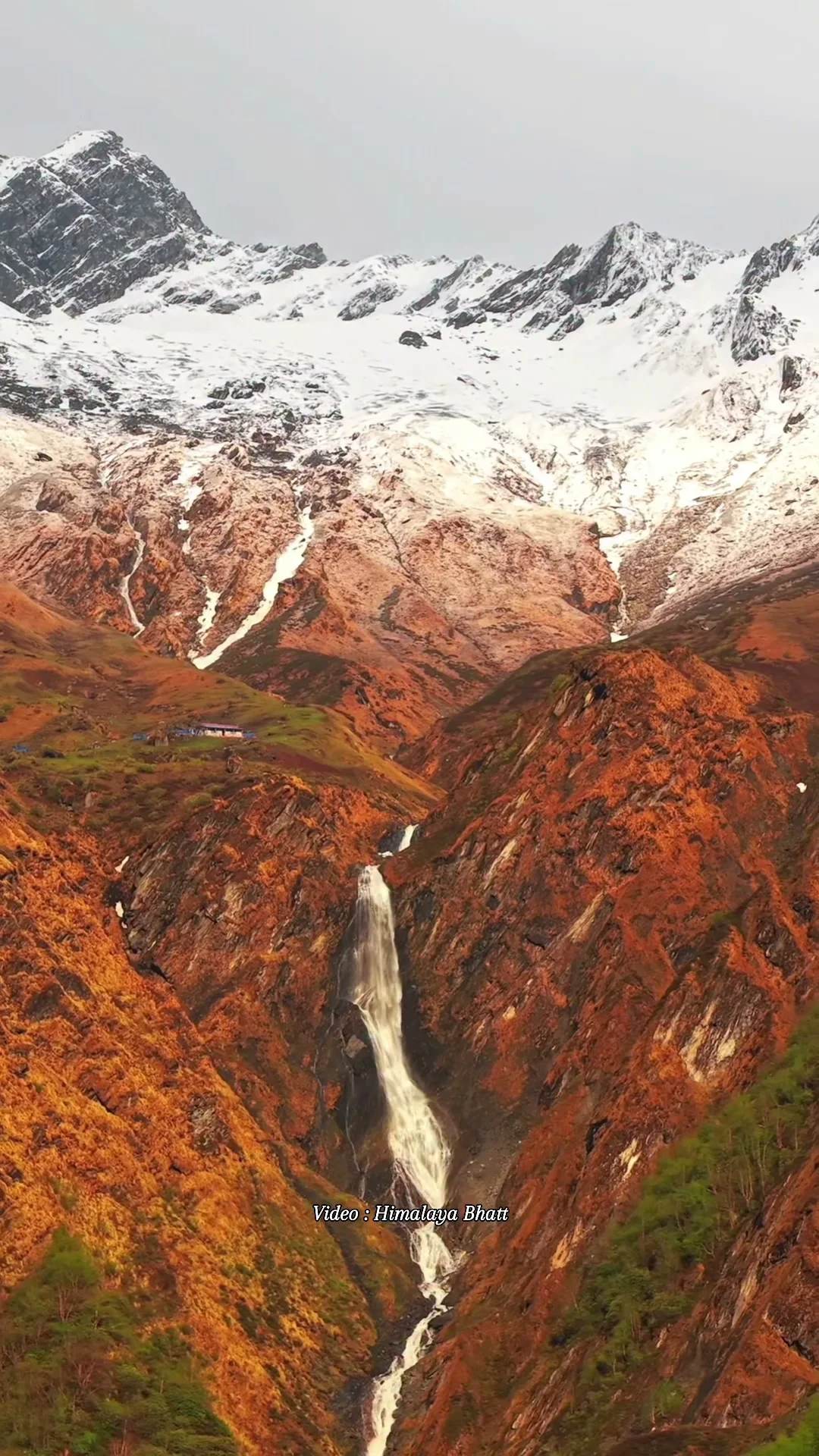
The Lumba Sumba Pass Trek is one of those rare Nepal routes that still feels genuinely off the map. Hidden in the far north-east of the country, it stitches together two of the Himalaya's giants, Kanchenjunga and Makalu, in a single high crossing over the Lumba Sumba Pass at around 5,160m. We have guided in Nepal since 1998, and this remains one of the wildest, most rewarding traverses we offer for trekkers who have already earned their high-altitude legs elsewhere.
Why trek Lumba Sumba
Most visitors to eastern Nepal head straight for Kanchenjunga Base Camp and turn around. The Lumba Sumba Pass does something different: it carries you right through the heart of the eastern Himalaya, from the Tamur valley draining Kanchenjunga across to the Arun valley below Makalu. This is a designated section of the Great Himalaya Trail, the high route that runs the length of Nepal, and it remains so lightly trekked that on many days you will share the path only with herders and your own crew. You walk through Limbu and Sherpa villages, rhododendron and pine forest, glacial moraine and yak pasture, with both Kanchenjunga and Makalu massifs framing the high days. For walkers chasing solitude over crowds, few routes in our tour collection deliver it as completely.
Route and itinerary overview
The trek is usually built as an 18-day point-to-point traverse with separate fly-in and fly-out points. Here is how the days tend to fall:
- Days 1 to 2: fly Kathmandu to Bhadrapur (or Suketar near Taplejung), then drive up into the hills to Taplejung, the eastern trailhead.
- Days 3 to 7: follow the Tamur valley upstream through Limbu farming villages and forest, gaining height steadily towards the upper valley.
- Days 8 to 11: push into high yak country and approach the pass, with acclimatisation built in before the crossing.
- Days 12 to 13: cross the Lumba Sumba Pass at around 5,160m, the physical and scenic high point, then descend into the Arun watershed.
- Days 14 to 18: follow the Arun valley down through Sherpa and Rai villages within Makalu Barun National Park, finishing with a drive and flight out from Tumlingtar.
We deliberately quote ranges rather than a rigid day-by-day plan, because weather, river crossings and acclimatisation needs shift the schedule on a route this remote. Our full 18-day Lumba Sumba Pass Trek itinerary sets out the staged version we run.
Difficulty and fitness
This is a strenuous trek and we are honest about that. You are looking at long days, significant daily ascent and descent, a high pass near 5,160m, and several days far from any road or quick exit. The terrain itself is rarely technical, but the cumulative load of 18 days at altitude with a heavy logistical tail demands real hill fitness and prior multi-day trekking experience. We would not recommend Lumba Sumba as a first Himalayan trek. If you have completed something like the Manaslu Circuit or a Kanchenjunga base camp route comfortably, you are in the right territory. Build your base with regular hill walking and cardio in the months before you arrive, and read our guidance on altitude sickness prevention and treatment before you commit.
Permits and 2026 cost
Because the route passes through restricted and protected areas, you need three permits, and you cannot get them as a solo independent trekker:
- Kanchenjunga Restricted Area Permit (RAP): USD 20 per person per week for the first four weeks, issued only through a registered trekking agency.
- Kanchenjunga Conservation Area Permit (KCAP): around NPR 3,000 per foreign trekker.
- Makalu Barun National Park entry permit: around NPR 3,000 per foreign trekker.
Crucially, a government-licensed guide is mandatory for this restricted-area route, and the RAP is only issued to a group booked through a licensed agency. There is no legal way to do this trek without one. For the wider picture see our guides to Nepal restricted-area permits and the annual Nepal trekking permits 2026 guide, and read why a guide is required to trek Nepal in 2026. All-in package prices typically run from around USD 2,200 to 3,000 per person depending on group size and service level; you can sanity-check a budget with our trek cost calculator.
Best time to trek
The two reliable windows are spring (March to May) and autumn (October to November). Spring brings rhododendron bloom on the lower Tamur and generally stable high-altitude weather; autumn delivers the clearest mountain views after the monsoon clears the haze. We avoid the June to September monsoon entirely on this route, as the leech-heavy lower forests and swollen river crossings make it miserable and risky, and deep winter brings snow that can close the pass. For a season-by-season breakdown across Nepal, see our best time to trek Nepal hub and the 2026 seasonal guide.
How to get there
Access is a small expedition in itself. The standard approach is to fly from Kathmandu to Bhadrapur in the south-east, or directly to Suketar airstrip near Taplejung when flights run, then transfer by jeep up into the hills to Taplejung to start walking. On the far side, the trek finishes in the Arun valley with a drive to Tumlingtar and a flight back to Kathmandu. These domestic flights and long hill drives are part of why the route is best handled as an organised package; co-ordinating transport, permits and a crew across two ends of a roadless traverse is not something to improvise.
Accommodation: teahouse versus camping
Lumba Sumba is not a teahouse trek in the way Everest or Annapurna are. The lower Tamur and Arun villages have basic local lodges, but the high middle section over the pass has little to no fixed accommodation, so reputable operators run it as a supported camping trek with tents, a kitchen crew and porters. That means you carry a full camp over the high ground. It is more comfortable and far safer than relying on whatever you might find, and it is the reason the trek requires proper logistics rather than a light independent style. If you prefer guaranteed lodges every night, a region like Everest or Annapurna will suit you better.
Packing for a remote traverse
Because you are camping at altitude and far from resupply, pack for genuine self-sufficiency. Bring a four-season sleeping bag, a warm down jacket, robust waterproofs, sturdy broken-in boots, gaiters, sun protection for high-glare snow and glacier sections, and a personal first-aid kit including any altitude medication discussed with your doctor. Layering matters more here than on busier routes because conditions swing from warm forest to freezing pass in a single trek. Our full Nepal trekking packing list covers the detail; for Lumba Sumba, lean towards the colder, more remote end of every recommendation.
Who it is for, and how it compares
This trek suits experienced, fit walkers who value wilderness and solitude over facilities and who are comfortable with camping at altitude. If you have loved remote routes like the Dolpo trek or the quiet of Rara Lake, Lumba Sumba is a natural next step with serious high-pass commitment added. Compared with Kanchenjunga Base Camp, which is an out-and-back to one region, Lumba Sumba is a genuine traverse linking two; compared with the Manaslu Circuit, it is wilder, less developed and more demanding logistically. You can weigh it against other options with our trek comparison tool.
Altitude and safety
With a high point near 5,160m and several days above 4,000m, altitude is the main objective risk. We build acclimatisation days into the approach, follow a steady climb-high-sleep-low pattern where the terrain allows, and our guides carry a pulse oximeter and first-aid kit and watch every member for early signs of acute mountain sickness. The remoteness raises the stakes: evacuation from the upper sections means a long walk or, in a serious case, a helicopter, so comprehensive travel insurance that covers high-altitude trekking and helicopter rescue is non-negotiable on this route. Ascend slowly, hydrate, tell your guide about any symptoms immediately, and never push over the pass while unwell.
How high is the Lumba Sumba Pass?
The pass tops out at roughly 5,160m, which is the highest point of the trek and the crux of the crossing between the Kanchenjunga and Makalu watersheds.
Do I need a guide for the Lumba Sumba Pass Trek?
Yes. The route runs through the Kanchenjunga restricted area, so a government-licensed guide and a booking through a registered trekking agency are mandatory. There is no legal way to trek it independently.
What permits do I need and what do they cost?
Three: the Kanchenjunga Restricted Area Permit (USD 20 per person per week), the Kanchenjunga Conservation Area Permit (about NPR 3,000) and Makalu Barun National Park entry (about NPR 3,000). Your agency arranges the restricted-area permit on your behalf.
How difficult is the trek?
Strenuous. Expect about 18 days, a 5,160m pass, long valley days and remote camping. We recommend prior multi-day high-altitude trekking experience and good hill fitness before attempting it.
When is the best time to go?
Spring (March to May) and autumn (October to November) are the reliable windows. We avoid the monsoon and deep winter, when leeches, swollen rivers and snow on the pass make the route difficult or dangerous.
Is it teahouse or camping?
Mostly camping. Lower villages have basic lodges, but the high section over the pass has little fixed accommodation, so we run it as a fully supported camping trek with crew, tents and porters.


Private departures on any date, hand-picked NMA guides, and 25+ years on the trail. Tell us your dates — we usually reply within a few hours.
Browse all treks & tours →
Written by
Travel Himalaya NepalPokhara-based, NMA-certified trekking guides. We’ve led 5,000+ treks across the Annapurna and Everest regions since 1998 — every word here comes from the trail. More from this author →
Share this article
Ready to Trek?
From reading about it to standing on it
Our Pokhara-based guides have been doing this since 1998. Tell us your dates and fitness level — we'll build your perfect itinerary. Free, no obligation.
Why trek with our licensed agencyMore guides like this
Popular trips to consider
View all treks & toursFree Trekker’s Insider Guide
Permits, packing lists, cost breakdowns — no fluff.
We send one useful email. You can unsubscribe anytime.