Lumba Sumba Pass Trek
Duration
18 days
From
$2,690/person
Max Altitude
5,160 m
Difficulty
Strenuous
Starts
Taplejung (fly via Bhadrapur)
Group Size
2–10 People
Stay
Tea House / Camp
Meals
Breakfast, Lunch & Dinner
Best Season
Mar–May, Sep–Nov
Trip Highlights
Day-by-Day Itinerary(18 days)
Altitude Profile
Peak: 5,160 m · Day 11Arrive at Tribhuvan International Airport and transfer to your hotel in Kathmandu. Trek briefing, gear check and permit formalities with your guide in the evening.
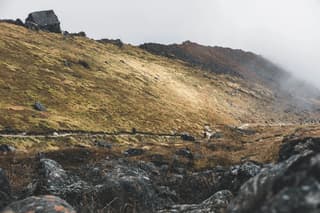
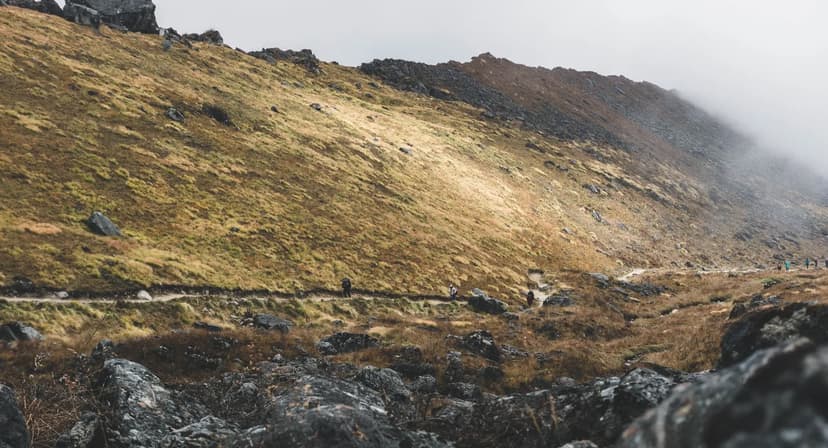
The Lumba Sumba Pass Trek is one of eastern Nepal's last true wilderness journeys, a high traverse along the Great Himalaya Trail that links the Kanchenjunga Conservation Area with Makalu Barun National Park over the wind-scoured 5,160 m Lumba Sumba Pass. This is camping country for much of the route, far from the lodge circuits, where the trail threads through Limbu farming hamlets, the Tibetan-Buddhist village of Olangchung Gola, and the deep gorges of the Tamur and Arun rivers.
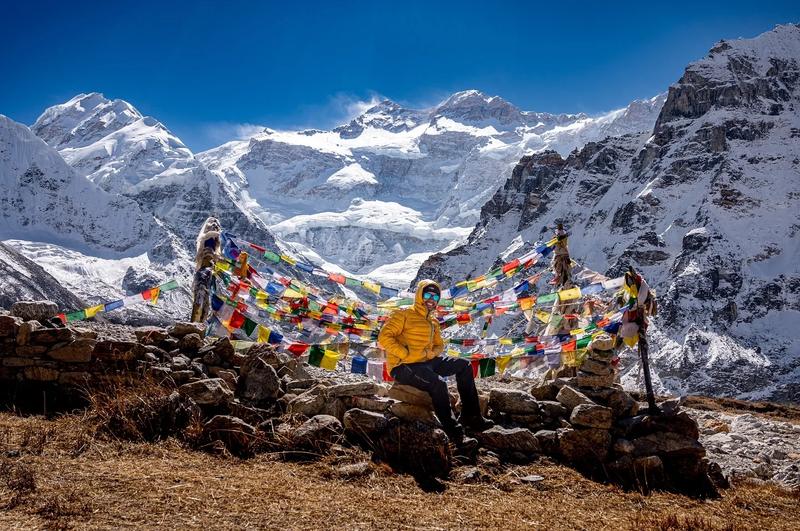
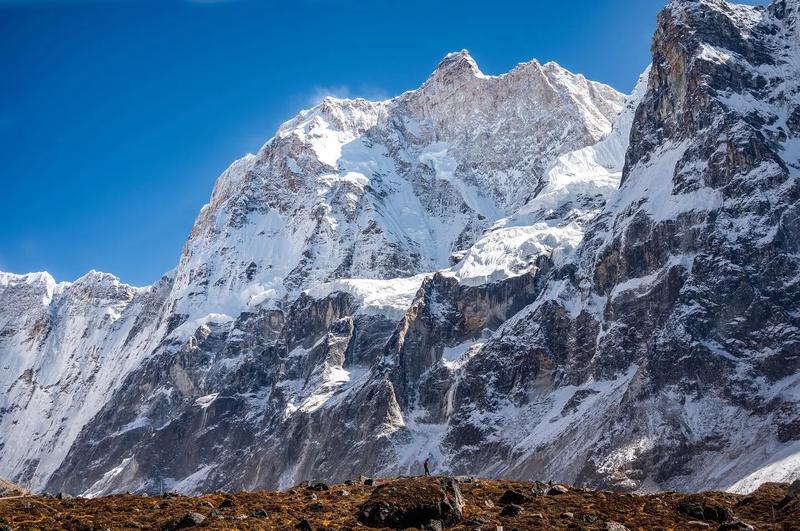
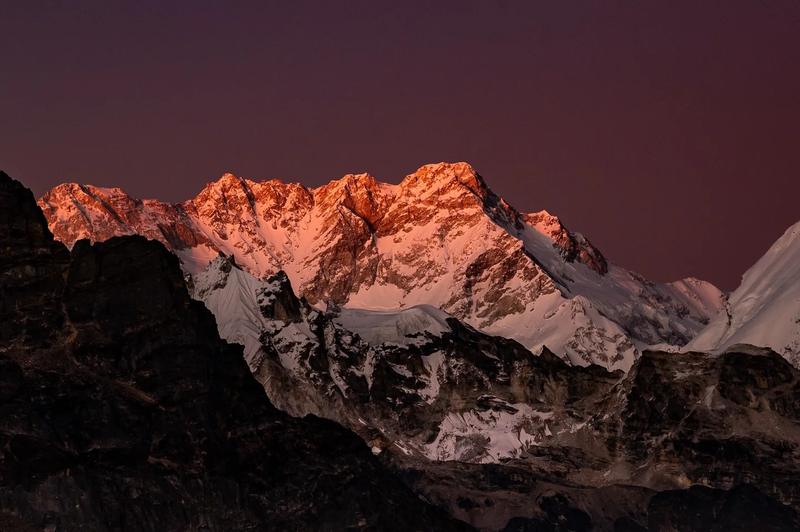
From the pass, weather permitting, the panorama sweeps across the Kanchenjunga massif, Makalu, Lhotse, Cho Oyu and a wall of unnamed glaciated summits. The lower valleys are corridors for red panda and snow leopard, and the forests shelter rhododendron, fir and a rich birdlife. Because the route crosses restricted territory and demands strong fitness at altitude, every group travels with a licensed guide and full logistical support.
Why this trek
You will walk for days without seeing another foreign trekker, sleep under canvas beside glacial streams, and cross a genuine Himalayan pass that connects two of Nepal's greatest mountain sanctuaries. It rewards experienced trekkers who want solitude, cultural depth and a real expedition feel rather than tea-house comfort.
Best time to go
Spring (March to May) brings rhododendron blooms and stable weather, while autumn (September to November) offers the clearest mountain views and crisp, dry trails. The pass can hold snow into early spring and after autumn, so timing and acclimatisation are essential.
What's Included
Included
- Airport transfers in Kathmandu on a private vehicle
- 2 nights hotel in Kathmandu with breakfast
- Kathmandu–Bhadrapur and Tumlingtar–Kathmandu domestic flights
- Ground transport Bhadrapur–Taplejung–Tapethok and Tumlingtar transfer
- Kanchenjunga Restricted Area Permit, KCAP and Makalu Barun National Park permits
- Government-licensed, experienced trekking guide and required staff
- Porters to carry trekking gear and camping equipment
- Full camping setup: tents, kitchen, dining and toilet tents
- All meals (breakfast, lunch, dinner) on the trek with hot drinks
- Tea house and homestay accommodation where available, camping elsewhere
- First-aid kit, oximeter and staff insurance
- All government taxes and service charges
Not Included
- International airfare to and from Nepal
- Nepal entry visa fee
- Travel and high-altitude rescue insurance (mandatory)
- Lunches and dinners in Kathmandu
- Personal trekking gear and clothing
- Drinks, bottled water, hot showers and battery charging where chargeable
- Tips for guide, porters and crew
- Personal expenses and any costs from early descent or itinerary changes due to weather
Best Time to Go
Spring (Mar–May)
Rhododendron forests in bloom, stable weather and good visibility; the pass is usually open by mid-spring.
Summer / Monsoon (Jun–Aug)
Heavy rain, leeches, slippery trails and cloud-covered peaks make this the least suitable window.
Autumn (Sep–Nov)
The prime season: crisp, dry air, the clearest mountain views and settled conditions for the high crossing.
Winter (Dec–Feb)
Bitterly cold with deep snow that frequently closes the Lumba Sumba Pass; only for very experienced, well-equipped teams.
Permits Required
Kanchenjunga Restricted Area Permit (RAP)
USD 20 per weekMandatory because the route passes restricted areas around Olangchung Gola; a licensed guide is required.
Kanchenjunga Conservation Area Permit (KCAP)
NPR 3,000 (approx. USD 25)Required for the Kanchenjunga side of the traverse.
Makalu Barun National Park Entry Permit
NPR 3,000 (approx. USD 25)Required for the descent through the Makalu Barun side; SAARC nationals pay a reduced fee.
Local Rural Municipality Fee
NPR 1,000–2,000Local development fee charged on parts of the route.
All permits are arranged and included in your package price. Nothing to organise yourself.
What to Pack
A detailed packing list will be sent with your booking confirmation. Gear rental available in Kathmandu and Pokhara.
Frequently Asked Questions
On the Trail
See it in motion
Your Himalaya Awaits
Ready to walk Lumba Sumba Pass Trek?
Private departures on any date, a hand-picked NMA guide, and an itinerary built around you. Tell us your dates — we usually reply within a few hours.
$2,690
/ person · all-inclusive