
The short version
Plan the Numbur Cheese Circuit Trek 2026: Gyajo La pass (4,880m), Solu cheese factories, permits, cost, best season and a realistic 11-day route.
- The Numbur Cheese Circuit is an off-the-beaten-path loop through Solu and Ramechhap, in the lower Everest region, that almost no foreign trekkers ever see.
- It crosses Gyajo La (~4,880m) and visits the holy Panch Pokhari (Solu) lakes near 4,600m beneath Numbur Himal (6,958m).
- You only need a Gaurishankar Conservation Area Permit (GCAP) plus a TIMS card — no Sagarmatha or Khumbu permit is required.
- Expect basic teahouses and homestays plus some camping, real Sherpa and Jirel village life, and the famous Thodung cheese factory.
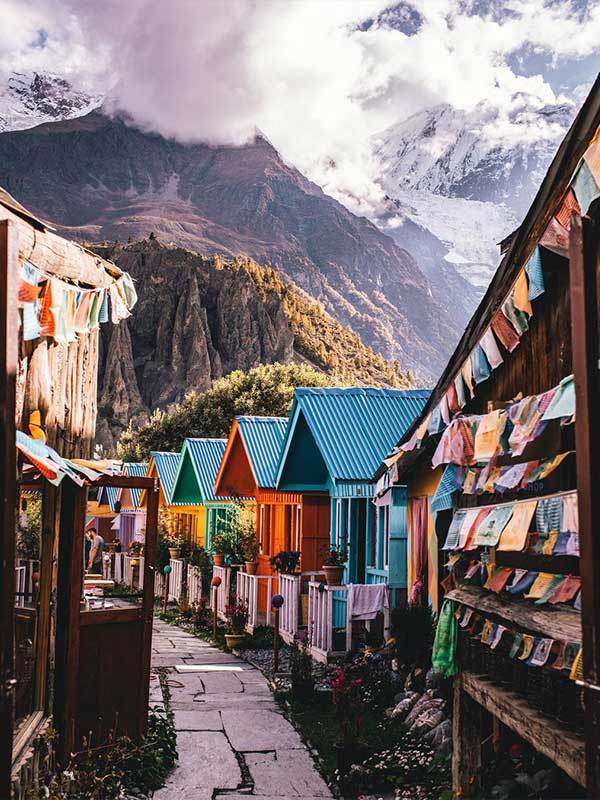
The Numbur Cheese Circuit Trek is one of those rare Nepal routes that still feels genuinely undiscovered. It loops below Numbur Himal — known to local Sherpas as Shorong Yul Lha, the guardian deity of Solu, at 6,958m — through the districts of Solukhumbu and Ramechhap in what we call the lower Everest region. Instead of the busy Khumbu trail, you walk through quiet Sherpa and Jirel villages, past traditional yak-cheese factories and high sacred lakes, sharing the path with herders rather than crowds. As a Pokhara-based operator running treks since 1998, this is the trek we recommend to people who have already done the classics and want something wilder and more local. Here is our complete 2026 planning guide.
Why trek the Numbur Cheese Circuit
This is a trek for solitude-seekers. Developed as a community tourism trail and opened by the Nepal Tourism Board in 2009, the circuit was designed to bring income to villages that the Everest boom largely bypassed. The reward for trekkers is a route with almost no foreign traffic, where the culture you meet is lived rather than staged. You walk through the homeland of the Jirel people around Jiri and Sherpa settlements higher up, you can taste fresh yak cheese at seasonal kharkas (high pastures), and you stand beneath the towering north face of Numbur with hardly another tourist in sight. If you want the atmosphere of old Nepal — the way the Everest approach felt before the airstrip at Lukla — this is it. For more remote-trek inspiration, see our Dolpo trek guide and Rara Lake trek guide.
The cheese connection: Thodung and the kharkas
The trek takes its name from a real and living tradition. The factory at Thodung is the oldest cheese factory in Nepal, a Swiss-designed operation established in 1957 to turn the milk of the region's yaks and chauris into hard Himalayan cheese. Along the higher reaches of the circuit you pass a string of seasonal cheese-making centres at the summer pastures, where herders still make cheese and butter by hand during the grazing months. Trying a slab of fresh yak cheese at altitude, bought directly from the people who made it, is one of the small, honest pleasures that gives this trek its character.
Route and itinerary overview
Most itineraries run around 11 days on the trail, starting from Shivalaya, the historic old Jiri trailhead reached by a long road drive from Kathmandu via Ramechhap. Here is how the journey typically unfolds:
- Day 1: Drive Kathmandu to Shivalaya (the original Everest road-head before Lukla).
- Days 2–3: Climb through Jirel and Sherpa villages toward Bhandar and Thodung, visiting the historic cheese factory.
- Days 4–6: Trek into the high country below Numbur Himal, through forest and summer pastures to the upper kharkas.
- Days 7–8: Cross the high point at Gyajo La (~4,880m) and descend toward the sacred Panch Pokhari (Solu) lakes near 4,600m.
- Days 9–11: Wind down through villages and farmland, then drive back to Kathmandu.
We deliberately avoid publishing a rigid hour-by-hour itinerary here because the trail is remote and weather over the pass can force sensible changes. Compare the shape of this loop with other routes on our Nepal trek comparison page, or browse all our departures on the tours page.
Difficulty and fitness
We rate the Numbur Cheese Circuit as Challenging, and we do not say that lightly. The daily ascents and descents are long, the trail is rough and at times faint, and the crossing of Gyajo La near 4,880m is a serious high-altitude day. There are no quick exits if the weather turns. You should be comfortable walking 6–8 hours a day on consecutive days with significant elevation change, and ideally have at least one previous multi-day Himalayan trek behind you. Good cardiovascular fitness, strong knees for the descents, and a flexible mindset all matter more here than on a teahouse classic. If you are weighing this against an easier first trek, read our honest take in the best treks in Nepal guide.
Permits and 2026 cost
The permit situation is refreshingly simple. The entire circuit lies inside the Gaurishankar Conservation Area, so you need a Gaurishankar Conservation Area Permit (GCAP) plus a TIMS card. Crucially, because the route stays west of the Khumbu, you do not need a Sagarmatha National Park permit or the Khumbu Pasang Lhamu Rural Municipality fee that Everest Base Camp trekkers pay. For 2026:
- GCAP: around NPR 3,000 for foreign nationals (lower for SAARC nationals); often quoted at the older NPR 2,000 baseline — confirm the current rate when you book.
- TIMS card: roughly USD 10 per person when trekking with a registered agency (more for independent trekkers), in Nepali rupee equivalent.
- All-in trip cost: a typical guided package runs about USD 1,000–1,500 per person depending on group size, covering permits, guide, porter, transport, food and basic lodging.
For the full national picture, see our Nepal trekking permits 2026 guide and the permits hub. You can estimate your own budget with the trek cost calculator and read more on the cost of trekking in Nepal.
Best time to trek
The two reliable windows are autumn (October to November) and spring (March to May). Autumn brings the clearest mountain views and stable weather after the monsoon, with rhododendron-free but crisp trails. Spring is warmer at lower elevations and lights up the forests with bloom, though afternoon haze can build later in the season. We avoid the monsoon (June to early September), when the rough trail becomes slippery and leech-ridden and the pass is risky, and deep winter, when snow can close Gyajo La entirely. For a season-by-season breakdown across Nepal, see our best time to trek Nepal page and the related 2026 seasons post.
How to get there
Access is entirely by road, which is part of what keeps the route quiet. From Kathmandu you drive east toward Ramechhap and on to Shivalaya, the trailhead that served as the start of the Everest trek for decades before the Lukla airstrip changed everything. The drive is long and the road is rough in places, so we build a full day into the itinerary for it. There are no flights into the trek itself, which is exactly why so few foreign trekkers come this way. Your guide and ground transport are arranged as part of any package booked through a registered Nepal trekking agency.
Accommodation: teahouse versus camping
This is not a polished teahouse trail like Annapurna or Everest. In the villages you will find basic teahouses and family homestays with simple rooms and shared facilities, and the food is honest dal bhat and local fare rather than a printed tourist menu. Higher up, around the pass and the remote kharkas, lodging thins out and most operators carry camping support — tents, a cook and porters — for at least a night or two. We plan our Numbur trips as a hybrid: homestays and teahouses where they exist, camping where they do not. Pack and prepare for a camping-grade experience rather than expecting hot showers every night.
What to pack
Because nights at altitude are cold and resupply is limited, pack with self-sufficiency in mind. A four-season sleeping bag, proper insulating layers, a waterproof shell, broken-in boots for rough ground, sun protection for the exposed high pastures, and a personal first-aid kit are all essential. Bring enough cash in Nepali rupees from Kathmandu, as there are no ATMs on the route. For a full checklist we keep current each year, use our Nepal trekking packing list.
Altitude and safety
Crossing Gyajo La near 4,880m means real exposure to altitude, and on a remote trail with no road access acclimatisation discipline is non-negotiable. We build in gradual ascent, encourage plenty of fluids, and watch every member of the group for the early signs of altitude sickness — headache, nausea, poor sleep. The cardinal rule is simple: if symptoms worsen, descend. Because evacuation from this area is slower and harder than from the popular trails, prevention matters even more here. Read our detailed altitude sickness prevention and treatment guide before you go, and make sure your travel insurance covers helicopter rescue above 5,000m.
Who it's for — and how it compares
The Numbur Cheese Circuit suits experienced, self-reliant trekkers who value solitude and culture over comfort and big-name summits. If your dream is a busy, social trail with cosy lodges and famous viewpoints, the Everest or Annapurna regions will serve you better. But if you have done one of those and found yourself wishing for fewer people and more authenticity, this is the natural next step — closer to Kathmandu and cheaper than far-western options like Dolpo, yet just as remote in feel. Many of our repeat guests describe it as the most genuinely local trek they have done in Nepal. Do remember that a licensed guide is now required for most trekking routes in Nepal — see our note on whether you need a guide.
Ready to walk a trail almost no one else has? Explore our 11-day Numbur Cheese Circuit Trek and get in touch — we will tailor the dates, the camping support and the pace to your group.
Do I need an Everest or Khumbu permit for the Numbur Cheese Circuit?
No. The whole circuit lies inside the Gaurishankar Conservation Area, so you only need a Gaurishankar Conservation Area Permit (GCAP) and a TIMS card. No Sagarmatha National Park permit or Khumbu rural municipality fee is required, because the route does not enter the Everest national park.
How hard is the Numbur Cheese Circuit Trek?
We rate it Challenging. Expect long days of 6–8 hours with big ascents and descents on rough, sometimes faint trails, plus a serious high pass at Gyajo La near 4,880m. It suits fit trekkers who ideally have at least one previous multi-day Himalayan trek behind them.
How many days does the trek take?
Most itineraries run about 11 days on the trail, starting and finishing with road drives between Kathmandu, Ramechhap and the Shivalaya trailhead. We can adjust the length slightly for acclimatisation or to add rest days.
What is the highest point of the trek?
The high point is Gyajo La pass at around 4,880m. The trek also visits the sacred Panch Pokhari (Solu) lakes near 4,600m, all beneath Numbur Himal, which rises to 6,958m.
Is it teahouse or camping?
It is a hybrid. You will find basic teahouses and family homestays in the villages, but lodging thins out higher up, so most operators carry camping support for at least a night or two around the pass and the remote pastures.
When is the best time to go?
Autumn (October to November) for the clearest views and stable weather, or spring (March to May) for warmer days and blooming forests. We avoid the monsoon and deep winter, when the pass can be slippery, risky or snowed in.


Private departures on any date, hand-picked NMA guides, and 25+ years on the trail. Tell us your dates — we usually reply within a few hours.
Browse all treks & tours →
Written by
Travel Himalaya NepalPokhara-based, NMA-certified trekking guides. We’ve led 5,000+ treks across the Annapurna and Everest regions since 1998 — every word here comes from the trail. More from this author →
Share this article
Ready to Trek?
From reading about it to standing on it
Our Pokhara-based guides have been doing this since 1998. Tell us your dates and fitness level — we'll build your perfect itinerary. Free, no obligation.
Why trek with our licensed agencyMore guides like this
Popular trips to consider
View all treks & toursFree Trekker’s Insider Guide
Permits, packing lists, cost breakdowns — no fluff.
We send one useful email. You can unsubscribe anytime.