
Mount Everest Can Only Be Climbed for About 10 Days a Year — Here's Why
The world's highest mountain sits in the direct path of the jet stream for 355 days of the year. Every spring, climbers and Everest Base Camp trekkers alike race a window that can open, and slam shut, within hours.
At a glance
- Published
- TopicTrail & Weather
- Verified againstAccuWeather
- Treks coveredEverest Base Camp Trek — 12 Days, Everest Base Camp Trek — 14 Days, Everest Three High Passes Trek — 20 Days
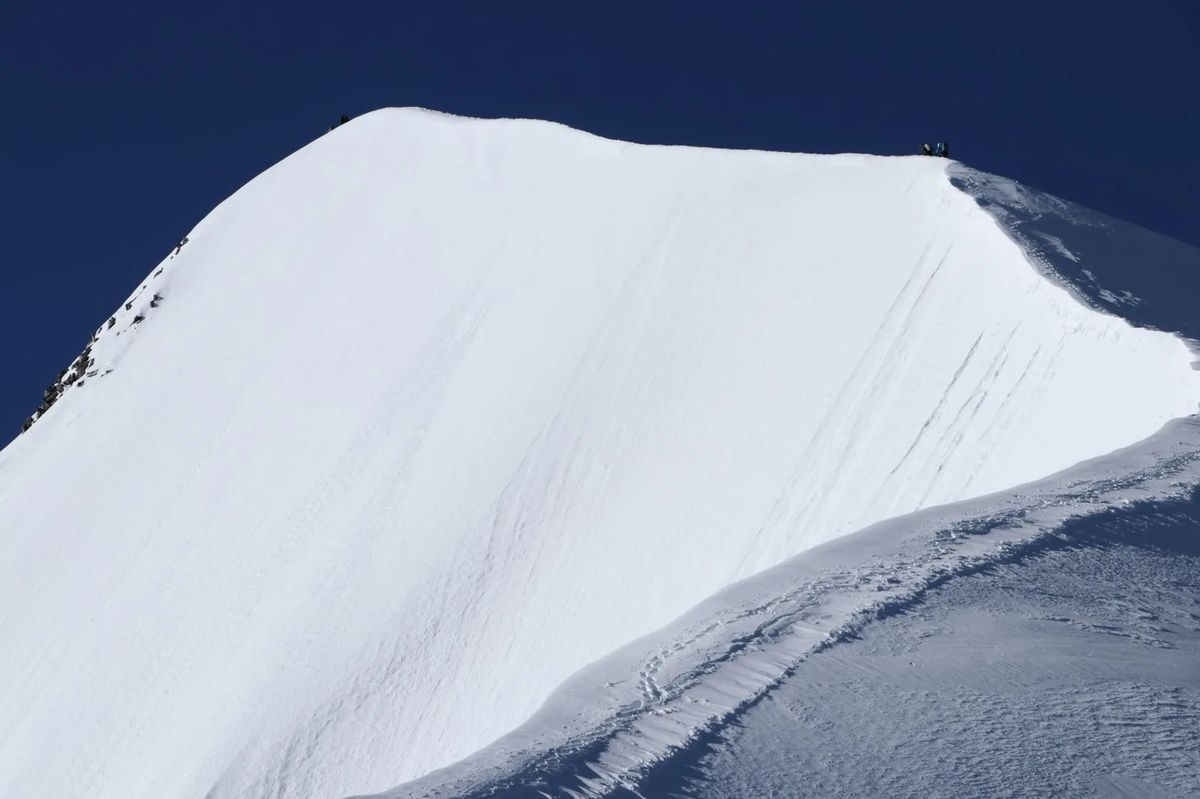
Stand on the summit of Mount Everest on an ordinary day and you would not survive long enough to enjoy the view. For roughly 355 days of the year, the jet stream — a river of high-altitude wind that circles the planet — sits directly on top of the mountain, driving gusts of 150 to 200+ km/h across the summit ridge. Then, for about ten to fourteen days each spring, the jet stream shifts north just enough to let climbers through. That is the entire climbing season, packed into less time than most people spend on a single vacation.
Key facts
- Everest's summit sits in jet-stream winds of 150–200+ km/h for most of the year
- The climbable 'weather window' is typically just 10–14 days, in mid-to-late May
- In spring 2026, roughly 80% of all 1,008 summits happened in a single 10-day span, May 17–26
- Outside spring and a shorter autumn window, standard Everest summits do not happen at all
The mechanism is simple physics with life-or-death stakes. Everest's 8,849-metre summit pokes directly into the polar jet stream, a fast-moving band of upper-atmosphere wind that normally sits over the peak for most of the year, according to meteorologists cited by AccuWeather and Kathmandu-based reporting on the 2026 season. In the pre-monsoon weeks of April and May, as the Indian Ocean monsoon begins building, the jet stream is pushed north off the summit for a short stretch — sometimes just three to seven days, sometimes closer to two weeks. Wind speeds on the summit ridge drop from lethal to merely dangerous, and a queue of expeditions that has been waiting at Base Camp for a month makes its move, together.
That is why Everest's most famous images — the long line of climbers strung along the Hillary Step, dozens of headlamps snaking up the Lhotse Face in the dark — all happen inside the same handful of days. Everyone is chasing the identical narrow gap in the wind, because there usually isn't a second one. This spring, the jet stream parked directly on the summit from roughly May 14 to 18, delaying the first big summit pushes; when it finally lifted, camps mounted a rush that produced most of the season's 1,008 recorded summits in barely ten days, according to mountaineering chronicler Alan Arnette's 2026 season summary.
| Season | Typical window | What happens |
|---|---|---|
| Spring (Mar–May) | ~10–14 days, mid/late May | ~90% of all standard-route summits |
| Autumn (Sept–Nov) | A few days, if any | A handful of summits, far colder |
| Monsoon (Jun–Aug) | None | Snow, avalanche risk, route unclimbable |
| Winter (Dec–Feb) | None | Jet stream sits directly on the summit |
What this means for trekkers
What this means for you
You don't need supplemental oxygen or a summit permit to feel the benefit of this same window. The identical spring weather pattern that finally lets climbers go up is also the clearest, calmest three-to-four-week stretch of the year on the trail to Everest Base Camp itself — mornings with unobstructed views of Everest, Nuptse and Ama Dablam before afternoon cloud rolls up the valley, as it does most days. It's why our guides book mid-April to late May solid every year, and why the same short window that produces record single-day summit counts on the mountain also produces the busiest, and best-looking, weeks on the trail below it.
Outside that window, Everest essentially closes. Autumn offers a smaller, colder echo of the same pattern — a reason some trekkers prefer it for a quieter trail, at the cost of a shorter and less certain break in the wind. Either way, the lesson from 2026 holds: on the world's highest mountain, the difference between a summit photo and a season written off can come down to a handful of days, and everyone on the mountain is watching the same forecast.
Source: AccuWeather; Alan Arnette, Everest 2026 season summary; The Kathmandu Post.
Cover photo: Ezmari Nabizadeh via Pexels (Pexels License).
Still running this season
Everest Base Camp Trek — 12 Days is running normally
NMA-certified local guides, transparent pricing, 5,000+ treks since 1998. Message us your dates and we'll sort the permits, lodges and logistics — reply within 24 hours, no obligation.
Popular Nepal treks
All treks →
Related coverage
Records & People
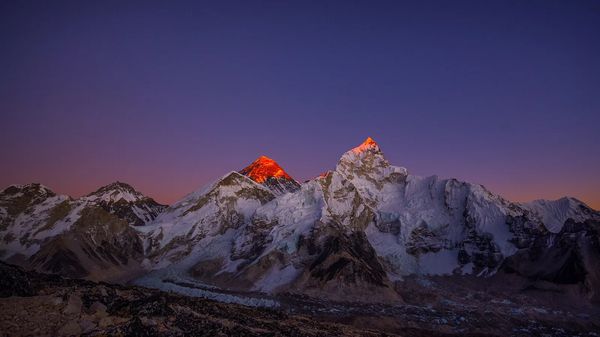
Nobody tells you Everest can only be climbed a few days a year, and the jet stream is why
For most of the year a jet stream sits on the summit of Everest with winds over 250 km/h. It lifts north for a few weeks each May when the monsoon pushes it aside, and that short calm is the only time the mountain is climbable.

Flights & Access
Everest Base Camp Trek or Helicopter Tour? The Kala Patthar Reopening Changes the Math in 2026
A shared helicopter can land you on Kala Patthar again after a three-year ban, but it still can't buy you what nine days on the trail does.
Records & People
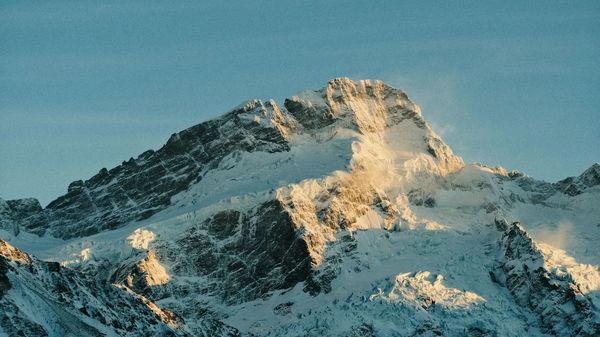
Mount Everest Is Still Growing — and a Hijacked River 47 Miles Away Is Pushing It Up
A 2024 study in Nature Geoscience found the world's tallest mountain gains roughly 2mm a year from an ancient river 'piracy' event on top of the tectonic collision that built it in the first place.
Safety & Advisories
Can You Trek to Everest Base Camp at 82? What the Record and the Research Actually Say
There is no legal or medical age cutoff on the trail to Everest Base Camp, and the current record holder just proved it at 82.
Latest from the desk
Records & People
Everyone Calls This Nepal's Deepest Lake. A Government Survey Says It Isn't.
Phoksundo's turquoise water and no-fishing custom are real, but Nepal's own hydrology surveys put the actual depth record on a different lake entirely.
Flights & Access
Pokhara Just Got Its First Real International Flight, Three Years After the Airport Opened
flydubai starts daily Dubai–Pokhara flights on 23 September 2026, the first scheduled international airline to serve Nepal's trekking capital since its $216 million airport opened in 2023.
Festivals & Events
Dashain 2027 tika is Saturday 9 October, twelve days earlier than this year
Dashain 2027 runs 30 September to 14 October, tika on Saturday the 9th. Bhai Tika is 31 October. Why the early date matters for an autumn trek.