
Drones Are Now Doing Everest's Deadliest Chore in 8 Minutes Flat
A heavy-lift drone crossed Everest's deadliest terrain in eight minutes this spring, hauling out nearly 3 tonnes of trash and rewriting how the mountain gets cleaned.

At a glance
- Published
- TopicIndustry & Tourism
- Verified againstTechRadar
- Treks coveredEverest Base Camp Trek — 14 Days, Everest Base Camp Helicopter Tour — 1 Day, Island Peak Climbing — 18 Days
For the first time in Everest's history, the most dangerous stretch of the mountain is being flown, not walked. A heavy-lift cargo drone spent this spring crossing the crevasse field of the Khumbu Icefall in eight minutes flat — a trip that takes a human load-carrying Sherpa six to eight hours on foot.
Key facts
- DJI's FlyCart 100 drone, operated with Nepali company Airlift, flew supplies and waste between Everest Base Camp and Camp 1 through spring 2026
- It moved a total of 10,073 kg (22,207 lb) — carrying oxygen, rope and ladders up, and trash back down
- Of that, 2,858 kg (6,300 lb) was garbage flown out of the mountain rather than carried by hand
- Everest still holds an estimated 50+ tons of legacy waste from Base Camp to the higher camps
The project was run jointly with the Sagarmatha Pollution Control Committee (SPCC) — the same organisation behind the Icefall Doctors — and the local rural municipality, and it targeted exactly the leg of the mountain human load-carriers dread most: the Khumbu Icefall itself, a maze of shifting seracs and hidden crevasses that has caused more Everest deaths than any single other feature. Airlift charged roughly $6.50 per kilogram of cargo carried, according to Nepali reporting, a fee that reflects both the drone technology and the risk it's removing from human load-carriers who would otherwise make that crossing repeatedly, roped and exposed, all season.
The split of what went up versus what came down tells its own story about how expedition logistics actually work above Base Camp: 7,215 kg of oxygen bottles, rope and ladders flew up toward Camp 1, while 2,858 kg of waste — spent oxygen canisters, food packaging, broken tents, human waste bags — flew back down, material that would otherwise sit at altitude for years or be hauled out slowly, camp by camp, by the same overworked Sherpa crews who fix the route in the first place.
It arrives alongside a tightening of Nepal's own rules. For the 2026 season, the Department of Tourism introduced a mandatory rule requiring each climber to bring back at least 8 kilograms of garbage from the mountain, alongside a mandatory human-waste bag requirement above Base Camp — regulation aimed squarely at the same problem the drone is now attacking from the air. Neither measure alone will clear five decades of accumulated waste, but together they mark the most concrete shift yet from "climb and leave it" toward genuine mountain-wide cleanup.
| Direction | Cargo | Weight |
|---|---|---|
| Up | Oxygen, rope, ladders | 7,215 kg |
| Down | Waste, worn gear | 2,858 kg |
| Total moved | — | 10,073 kg |
What this means for trekkers
What this means for you
If your trip is the standard trek to Everest Base Camp rather than a climb beyond it, the 8kg carry-out rule and the drone cleanup mostly affect what happens above Base Camp — but you'll likely see the drones themselves buzzing over the Khumbu Icefall from the Base Camp trail, a genuinely new sight on a route that hasn't changed much in seventy years. It's also a good sign for anyone weighing whether Everest tourism is becoming more sustainable: the money and effort are visibly following the mess.
It's part of the same push behind the plastic bottle ban above Namche that every Everest-region trekker now encounters on the trail. If you want to see the Khumbu Icefall and the cleanup effort for yourself, our Everest Base Camp Trek and EBC Helicopter Tour both bring you to the viewpoint above it, and climbers heading further can see the route in daily use on our Island Peak Climbing itinerary.
Source: TechRadar
Cover photo: Abdul Kayum via Pexels (Pexels License).
Still running this season
Everest Base Camp Trek — 14 Days is running normally
NMA-certified local guides, transparent pricing, 5,000+ treks since 1998. Message us your dates and we'll sort the permits, lodges and logistics — reply within 24 hours, no obligation.


Popular Nepal treks
All treks →


Related coverage
Industry & Tourism
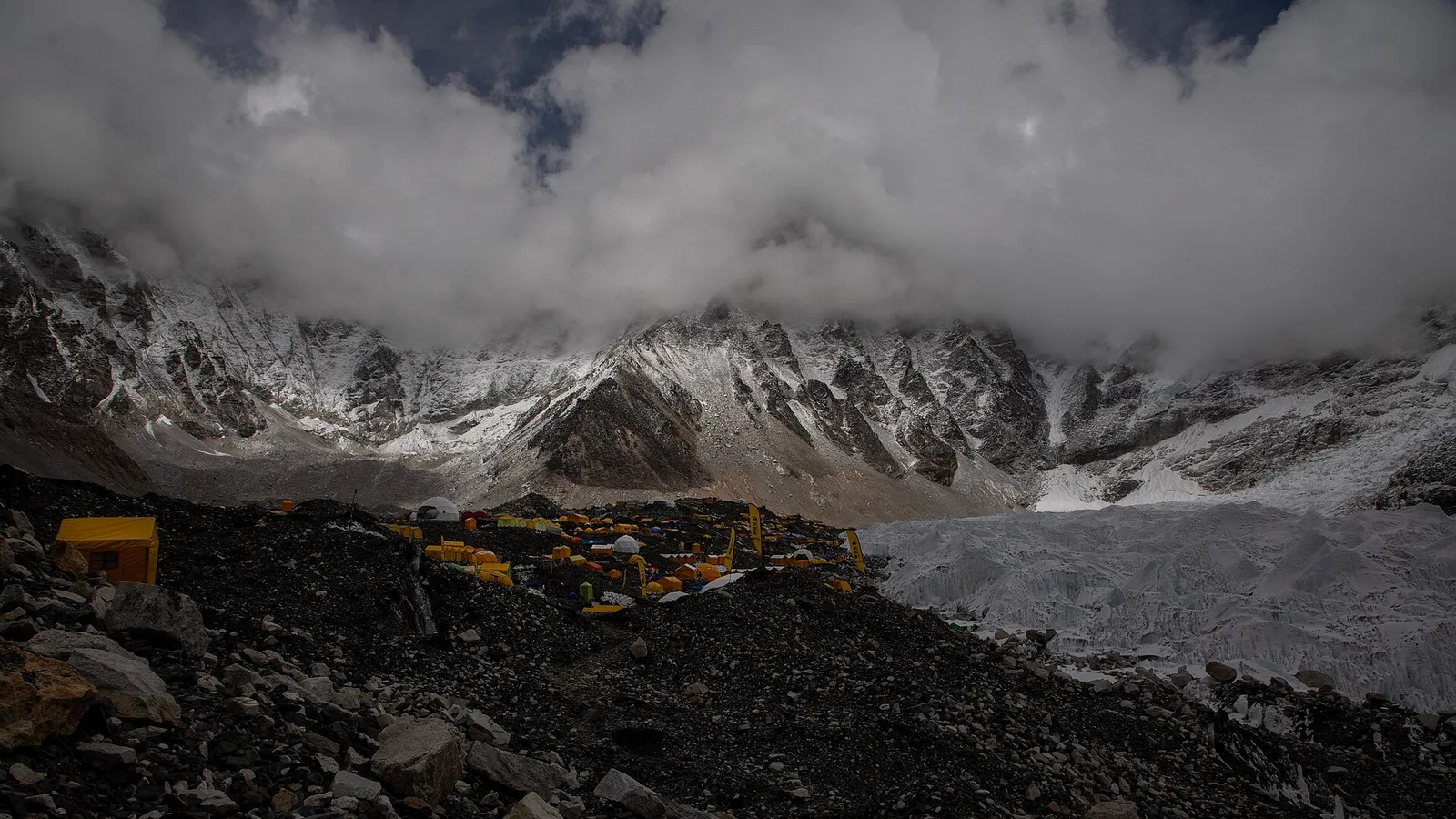
Everest Just Had Its Busiest Climbing Season Ever. Climbers Also Left Behind 90,000 Kilograms of Trash.
A record 701 climbers pushed for the summit this spring, and the mountain's cleanup crews hauled down a record amount of waste right behind them.
Industry & Tourism
Everest Base Camp or Annapurna Base Camp: Which Should You Actually Trek in 2026?
Both are sold as 'base camp treks' but they differ by 1,400 metres of altitude, a week of walking and a coin-flip mountain flight — here is how to pick the right one for your fitness, budget and time.

Flights & Access
Everest Base Camp Trek or Helicopter Tour? The Kala Patthar Reopening Changes the Math in 2026
A shared helicopter can land you on Kala Patthar again after a three-year ban, but it still can't buy you what nine days on the trail does.
Records & People
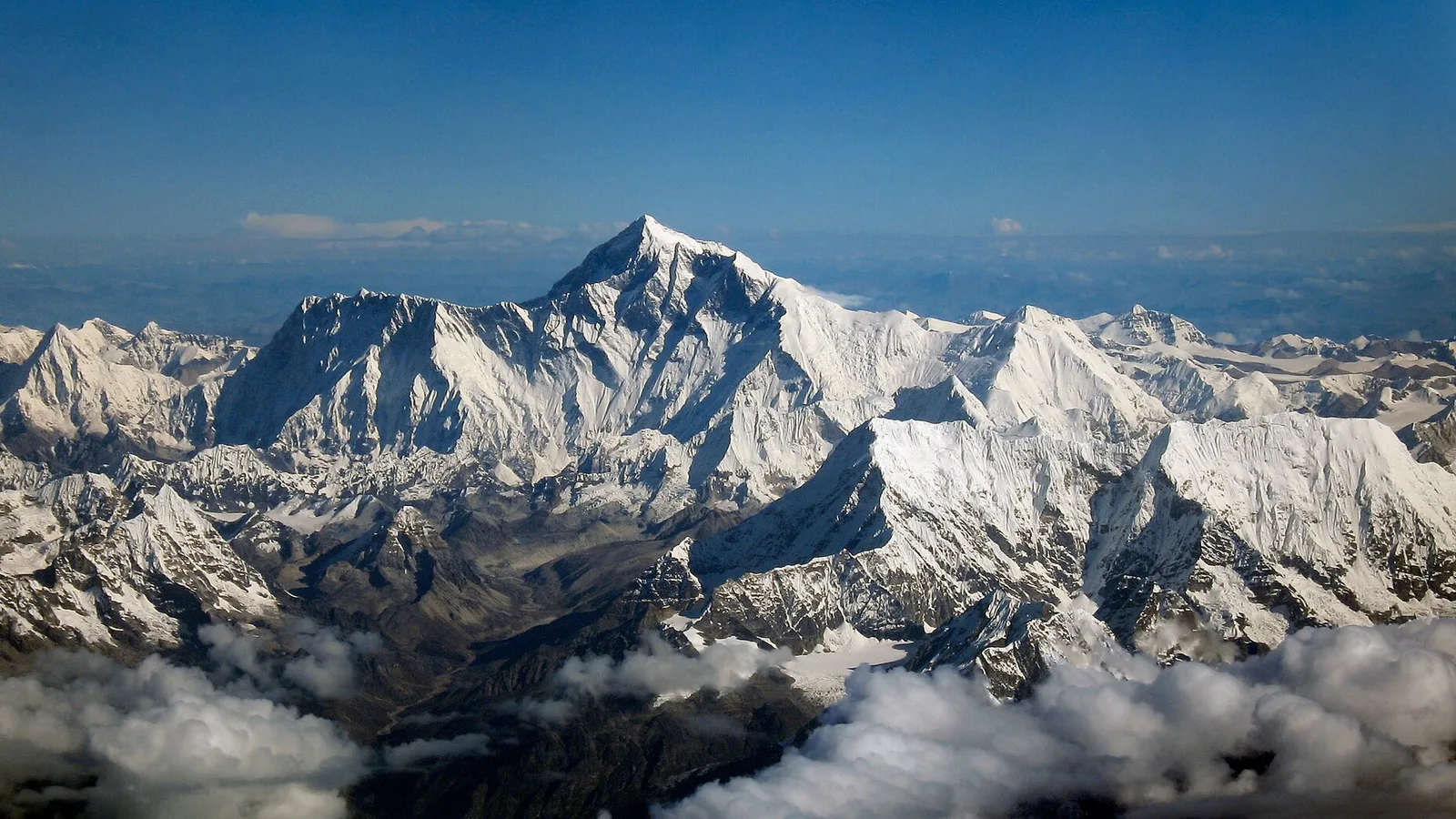
Mount Everest Was Named After a Man Who Never Saw It and Asked Not to Be
Sir George Everest never set foot near the mountain, never wanted his name on it, and wasn't even the one who proved it was the tallest on Earth.
Latest from the desk
World Destinations
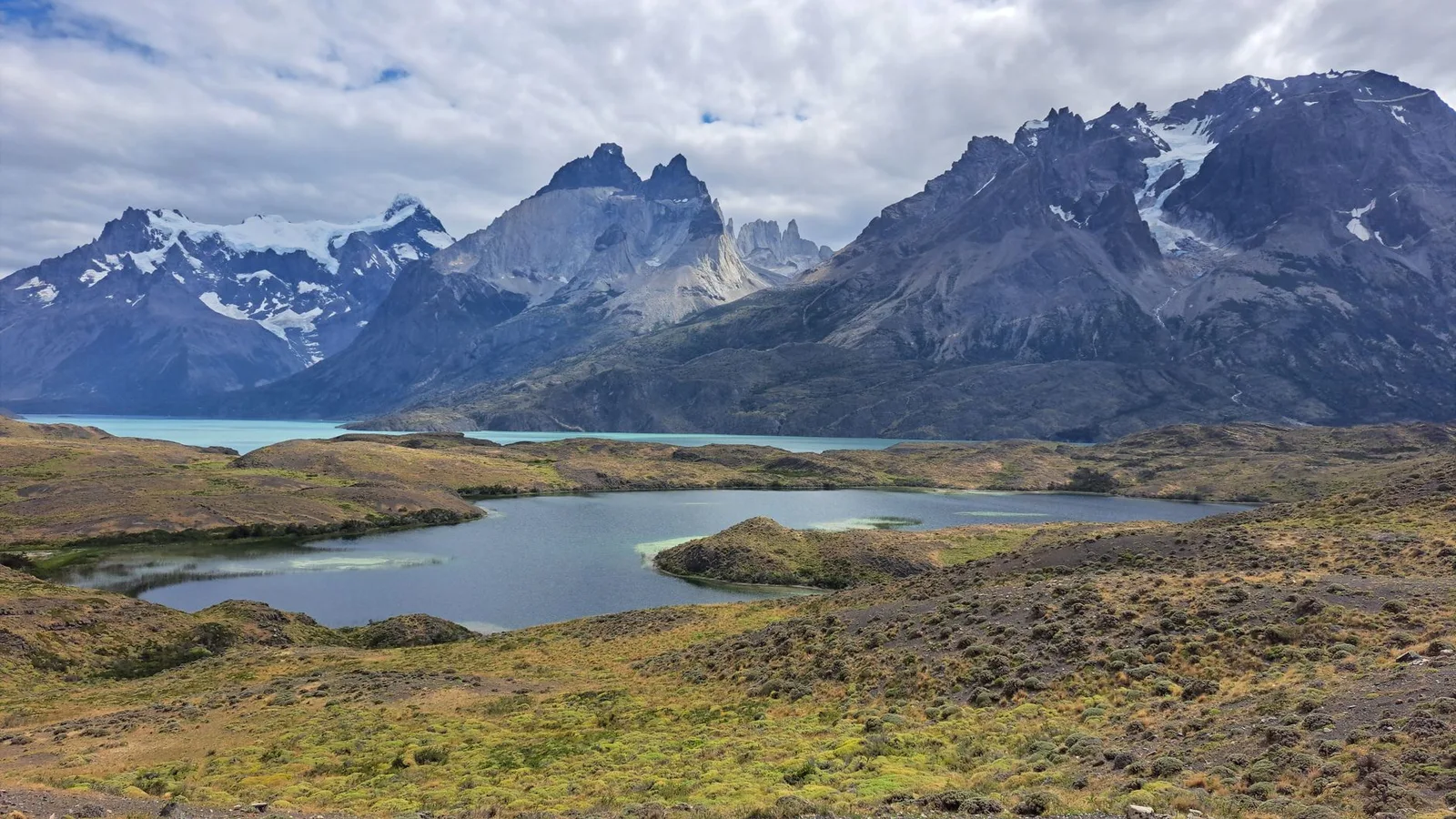
The World’s Best National Parks to Visit in 2026: A Continent-Hopping Bucket List
From Torres del Paine to the Serengeti to Nepal’s own Everest and Chitwan — nine UNESCO-grade parks worth planning a whole trip around, and the season each is best.
Records & People
The Yeti Footprint Fooled the World for 70 Years — Then DNA Solved It
A grainy 1951 photograph near Everest launched a global legend, until a 2017 study tested nine 'yeti' samples and found six bears of one kind, three of another, and a dog.
Records & People
The Kathmandu Valley You're Walking Through Used to Be a 200-Metre-Deep Lake
Geologists say the ground beneath Kathmandu's temples and guesthouses sat underwater for the better part of a million years, and the same soft lakebed sediment is a documented reason the city shakes so hard when an earthquake hits.