
Microplastics in Nepal's Tilicho Lake (2026): What Trekkers Should Know
A Tribhuvan University study found an average of 42 microplastic particles per litre in Tilicho Lake at 4,917m — and trekkers' synthetic gear and plastic bottles are the source.
At a glance
- Published
- TopicTrail & Weather
- Verified againstZME Science
- Treks coveredAnnapurna Circuit Trek with Tilicho Lake — 17 Days, Annapurna Circuit Trek — 14 Days, Tilicho Lake Trek
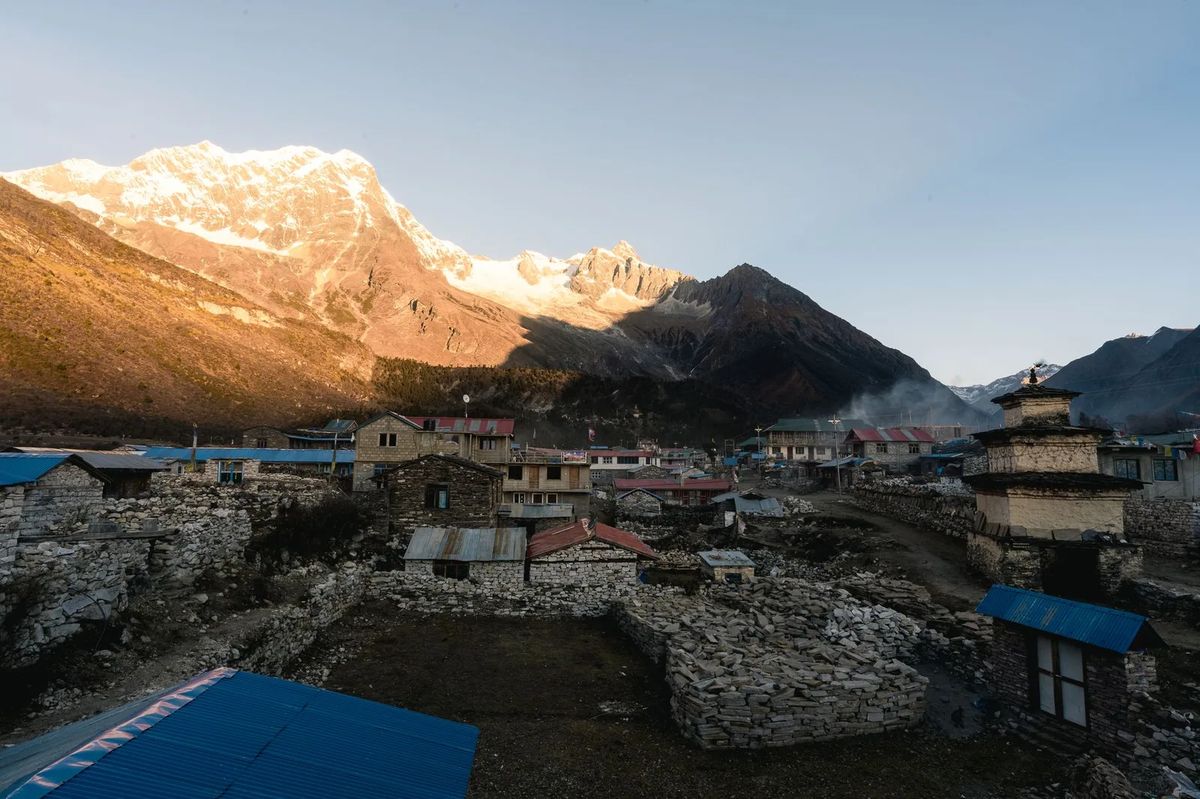
One of Nepal's most photographed high-altitude lakes is not as pristine as the postcards suggest. A new study has found microplastics throughout the turquoise water of Tilicho Lake, at 4,917m on the Annapurna Circuit — and the trail of evidence leads straight back to us, the trekkers.
Key facts
- Tilicho Lake sits at 4,917m in Manang, inside the Annapurna Conservation Area.
- Researchers found an average of 42 microplastic particles per litre of surface water.
- Samples came from 6 accessible shoreline sites — the busiest stretches were the dirtiest.
- The dominant plastics — polyester, polyethylene and polypropylene — match trekking gear.
- The work, from Tribhuvan University, was published in the journal iScience.
The study, led by Sahil Shrestha of Tribhuvan University's Institute of Engineering (Pulchowk Campus), is the first quantitative look at microplastics in Tilicho's surface water. Across six nearshore locations the team measured an average of 42 ± 18 particles per litre — a striking figure for a snow-fed lake more than three vertical kilometres above the nearest town. Crucially, contamination was highest exactly where day-trippers and trekkers can walk to the water's edge, and lowest on the harder-to-reach shores.
The particle types tell the story. The researchers logged fibres, fragments, films and foam, dominated by polyester, polyethylene and polypropylene — the same polymers woven into fleece jackets, down layers, tents, rope, dry bags and single-use bottles. Every time a synthetic layer is worn, washed or snagged it sheds fibres; every crushed bottle and torn noodle wrapper adds more. At altitude, cold water and thin biological activity mean those fragments break down painfully slowly.
How bad is 42 particles per litre? For perspective, an earlier 2022 survey of streams and rivers on the Everest Base Camp trail, sampled between 2,600m and 5,000m, averaged around 2 particles per litre. A separate 2026 study of the Gokyo lakes (4,680–5,000m) in the Everest region also flagged rising fibre and fragment loads. Tilicho's higher reading reflects a still lake that traps and concentrates whatever washes in — plus the sheer volume of visitors funnelling to a single, iconic shoreline.
What this means for trekkers
What this means for you
You don't have to cancel the trek — you have to trek cleaner. Carry a reusable bottle and treat lake or stream water with a filter, UV pen or tablets rather than buying stacked plastic bottles; the study's own author calls for ACAP to restrict plastic bottles and polythene bags outright. Wash synthetic layers before you fly in, pack out every wrapper, and resist the urge to rinse gear or swim at the lakeshore. Small habits, multiplied across thousands of boots, are exactly what tipped Tilicho over.
Tilicho remains one of the great days in Nepalese trekking — a punchy side-trip off the Annapurna Circuit to the highest large lake most travellers will ever see. Going with an operator that runs a genuine leave-no-trace policy is now part of protecting it. If the lake is on your list, our Tilicho Lake trek and the longer Annapurna Circuit with Tilicho Lake both build in filtered water, proper waste-out logistics and careful acclimatisation, so you see the turquoise at its best while leaving as little behind as possible.
Sources: iScience / Cell Press (Shrestha et al., Tilicho Lake microplastics); ZME Science; Eos (AGU); ScienceDirect. Figures as reported July 2026.
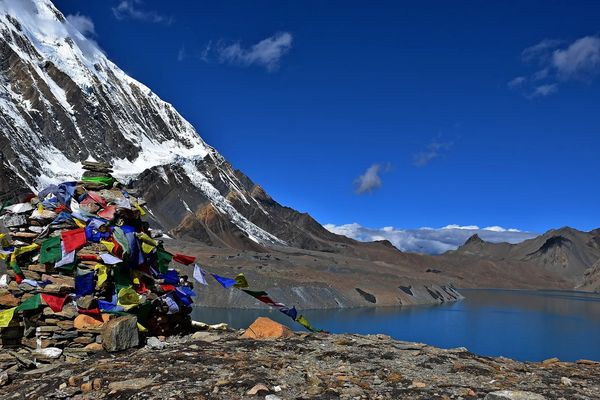
Cover photo: Arjay Neyra via Pexels (Pexels License).
Still running this season
Annapurna Circuit Trek with Tilicho Lake — 17 Days is running normally
NMA-certified local guides, transparent pricing, 5,000+ treks since 1998. Message us your dates and we'll sort the permits, lodges and logistics — reply within 24 hours, no obligation.
Popular Nepal treks
All treks →



Related coverage
Records & People
Tilicho Lake Is Called 'The World's Highest Lake.' It Isn't Even Nepal's Highest Anymore
Every trekking brochure calls Tilicho the world's highest lake. At 4,919m it's spectacular — but a Nepali lake discovered in 2019 already beats it, and the real global record sits over 1,400m higher, inside a volcano.
Safety & Advisories
Is the Tilicho Lake Trek Affected by the 2026 Nepal Floods?
No — Tilicho Lake is an Annapurna-region trek in Manang, on the Marsyangdi, well away from the flood-hit Bhote Koshi in Rasuwa, and it is running normally. Here is why the trail is unaffected, plus the one monsoon road caveat.
Records & People
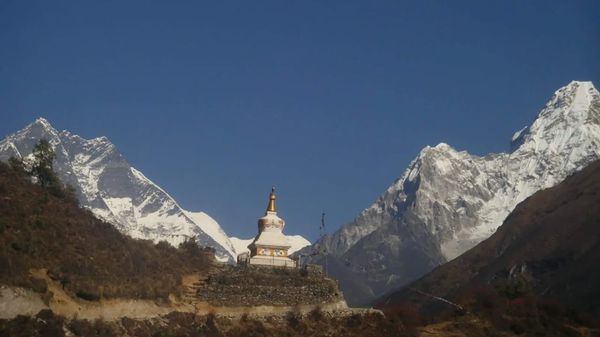
The Yeti Footprint Fooled the World for 70 Years — Then DNA Solved It
A grainy 1951 photograph near Everest launched a global legend, until a 2017 study tested nine 'yeti' samples and found six bears of one kind, three of another, and a dog.
Safety & Advisories
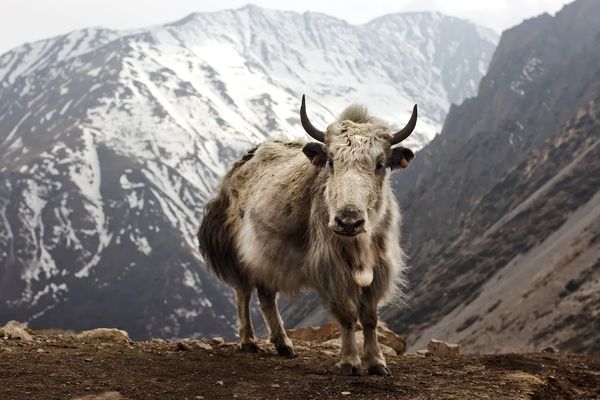
Is the Annapurna Circuit Trek Affected by the 2026 Nepal Floods?
Short answer: the Circuit trail itself was not hit — it runs the Marsyangdi and Kali Gandaki on the far western side of the country, a different river system from the Rasuwa flood. The one real catch is the drive in: confirm the Prithvi Highway to Besisahar, or fly to Pokhara.
Latest from the desk
Records & People
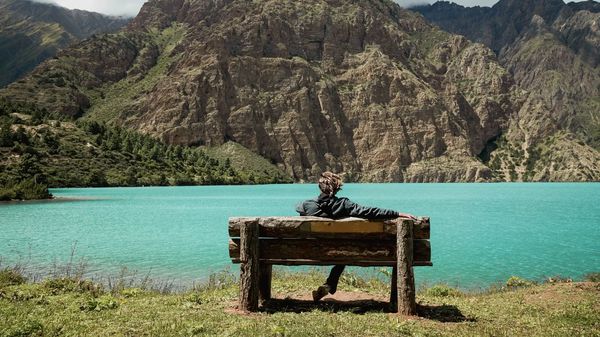
Everyone Calls This Nepal's Deepest Lake. A Government Survey Says It Isn't.
Phoksundo's turquoise water and no-fishing custom are real, but Nepal's own hydrology surveys put the actual depth record on a different lake entirely.
Flights & Access
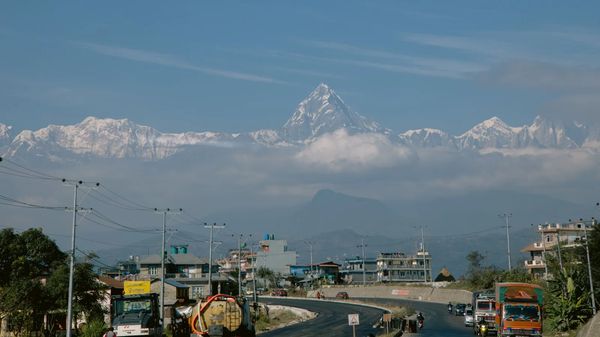
Pokhara Just Got Its First Real International Flight, Three Years After the Airport Opened
flydubai starts daily Dubai–Pokhara flights on 23 September 2026, the first scheduled international airline to serve Nepal's trekking capital since its $216 million airport opened in 2023.
Festivals & Events
Dashain 2027 tika is Saturday 9 October, twelve days earlier than this year
Dashain 2027 runs 30 September to 14 October, tika on Saturday the 9th. Bhai Tika is 31 October. Why the early date matters for an autumn trek.