
Nepal Has 10,000 Hand-Carved Caves in a Cliff Face — and Nobody Knows Who Built Them
Some five storeys tall and packed with 2,000-year-old mummies, silk manuscripts and monastic cells, Upper Mustang's 'sky caves' remain one of archaeology's open questions.
At a glance
- Published
- TopicRecords & People
- Verified againstWikipedia
- Treks coveredUpper Mustang Trek — 12 Days, Upper Mustang Trek — 15 Days
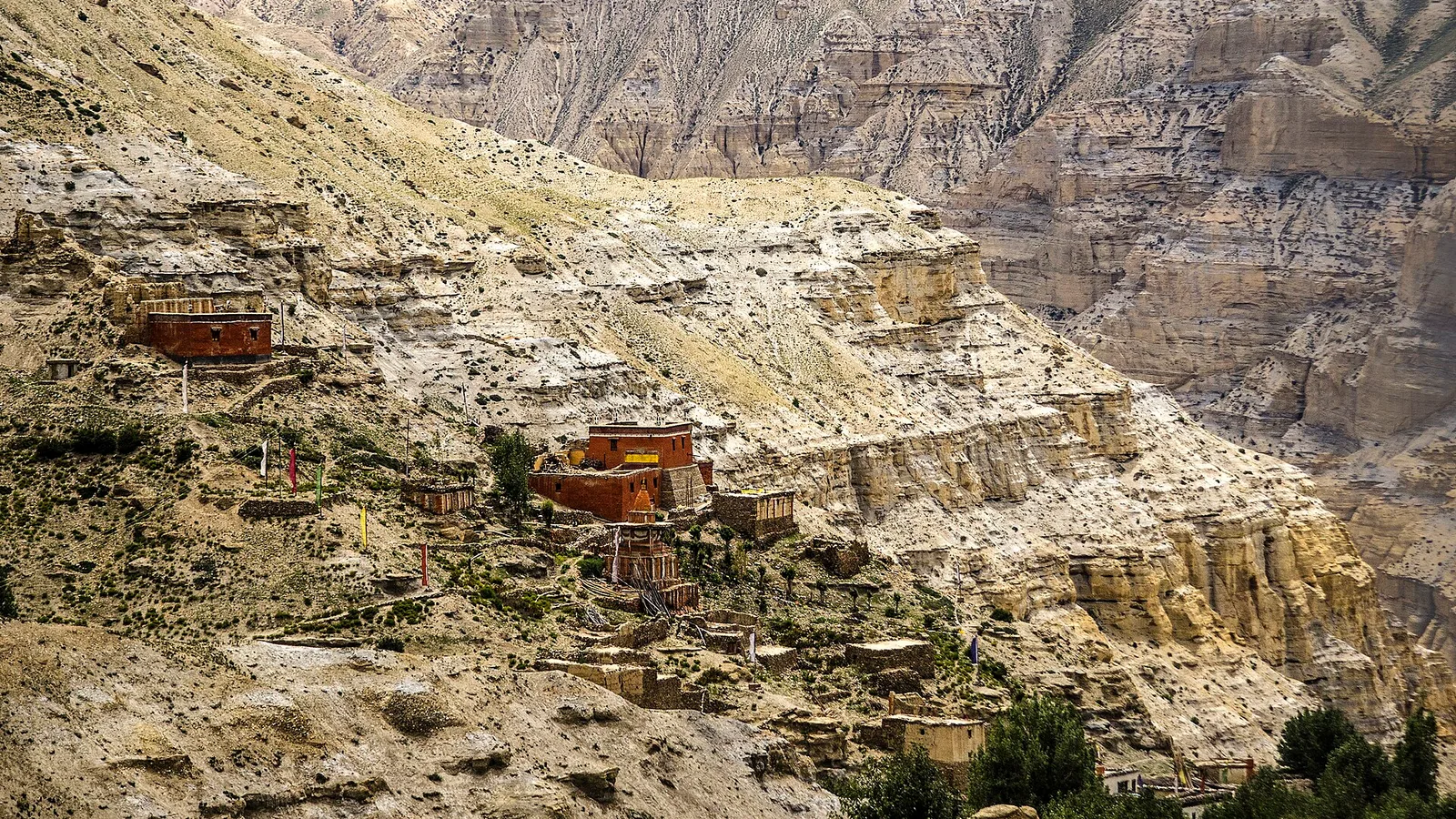
Climb the switchback trail above the village of Chhoser in Nepal's Upper Mustang and a cliff face opens up riddled with square black windows — floor after floor of them, running roughly 50 metres straight up a wall of wind-carved mud rock. There is no staircase on the outside. Whoever carved this reached each floor from within, room by room, using ladders that are still there. Multiply that one cliff by roughly ten thousand across the district, and you have one of the least-understood archaeological landscapes left on earth — inside a trekking region that opened to foreigners only in 1992.
Key facts
- An estimated 10,000 man-made caves are cut into the cliffs of Upper Mustang, Nepal
- The largest complex, near Chhoser (Jhong Cave), rises about 50 metres (165 feet) up the rock face across five internal storeys
- Partially mummified human remains found inside date to at least 2,000-3,000 years ago; skeletons at Samdzong date to the 3rd-8th centuries AD
- Excavated contents include Buddhist manuscripts, painted sculpture and pottery dated to the 12th-14th centuries
Nobody living in Mustang today claims to know who first dug them, and that isn't for lack of asking. Archaeologists from Nepal's Department of Archaeology and the University of Cologne began the first serious excavation campaigns in the mid-1990s, working with mountaineers because many of the highest caves can only be reached with climbing rope. What they found didn't answer the question so much as complicate it. Radiocarbon dates on wood and bone pulled the earliest burial use back to roughly 1,000 BC — centuries before Buddhism reached this valley — while later chambers were clearly repurposed again and again by people with completely different reasons for climbing up there.
The earliest radiocarbon dates place human burial use in the cliff caves well before Buddhism reached the Kali Gandaki valley.
A 2010 expedition finds 27 relatively intact human remains in two large caves near Samdzong, alongside grave goods.
Regional conflict pushes villagers to live inside the caves full-time, carving new rooms for shelter rather than burial.
As villages resettle at ground level, the upper caves shift to meditation cells, lookout posts and storage as Buddhism consolidates in Mustang.
A joint US-Italy-Nepal team documents painted Buddhist manuscripts and pottery in caves near Lo Manthang.
The physical scale is what surprises most first-time visitors. The Jhong Cave complex at Chhoser has roughly forty interconnected rooms across five storeys, cut entirely by hand into compacted mud-sandstone and linked by wooden ladders rather than any single internal staircase. It sits within day-trip range of Lo Manthang, the walled former capital of the Mustang kingdom. Because Upper Mustang remains a restricted area under a special permit system, the caves have stayed comparatively unpicked-over by mass tourism — most of the ten thousand have never been formally excavated at all.
| Site | Period | Finds |
|---|---|---|
| Samdzong caves | 3rd-8th c. AD | 27 human remains, grave goods |
| Near Lo Manthang | 12th-14th c. | Painted manuscripts, sculpture, pottery |
| Chhoser (Jhong Cave) | Multi-period | ~40 rooms, 5 storeys, residential and monastic use |
What this means for trekkers
What this means for you
Most of the sky caves are closed to entry or simply too fragile and remote to visit, but Chhoser's Jhong Cave and the nearby Nyphu meditation cave are open on the standard Upper Mustang trekking route and can be visited with a licensed guide as an acclimatisation-day detour around Lo Manthang. Go with an operator who already holds the restricted-area permit — Upper Mustang cannot legally be trekked without one, solo or otherwise — and build in the extra day; rushing past Chhoser to keep to a tight itinerary is the single most common regret we hear from guests afterwards.
What nobody has recovered yet is a name. No inscription in any excavated cave identifies who ordered the earliest chambers cut, or why a community chose vertical cliff faces over ground-level building in a valley with plenty of flat land. The leading theory ties the shift to periods of conflict and raiding along the old salt-and-wool trade route between Tibet and India, when height itself was a form of defence. It's a rare case where the archaeology keeps generating better questions rather than settling the original one — which is exactly why researchers keep going back. Trekkers on the 12-day Upper Mustang trek or the longer 15-day route walk directly beneath several of these cliffs; our guides can point out which caves are currently excavated and which are simply sealed and waiting.
Source: Wikipedia, 'Mustang Caves', cross-referenced against published excavation records from the University of Cologne Mustang expeditions.
Cover photo: Mohan K. Duwal via Wikimedia Commons (CC BY-SA 4.0).
Planning a trek?
Trek this route with us — Upper Mustang Trek — 12 Days
NMA-certified local guides, transparent pricing, 5,000+ treks since 1998. Message us your dates and we'll sort the permits, lodges and logistics — reply within 24 hours, no obligation.


Popular Nepal treks
All treks →


Related coverage
Records & People
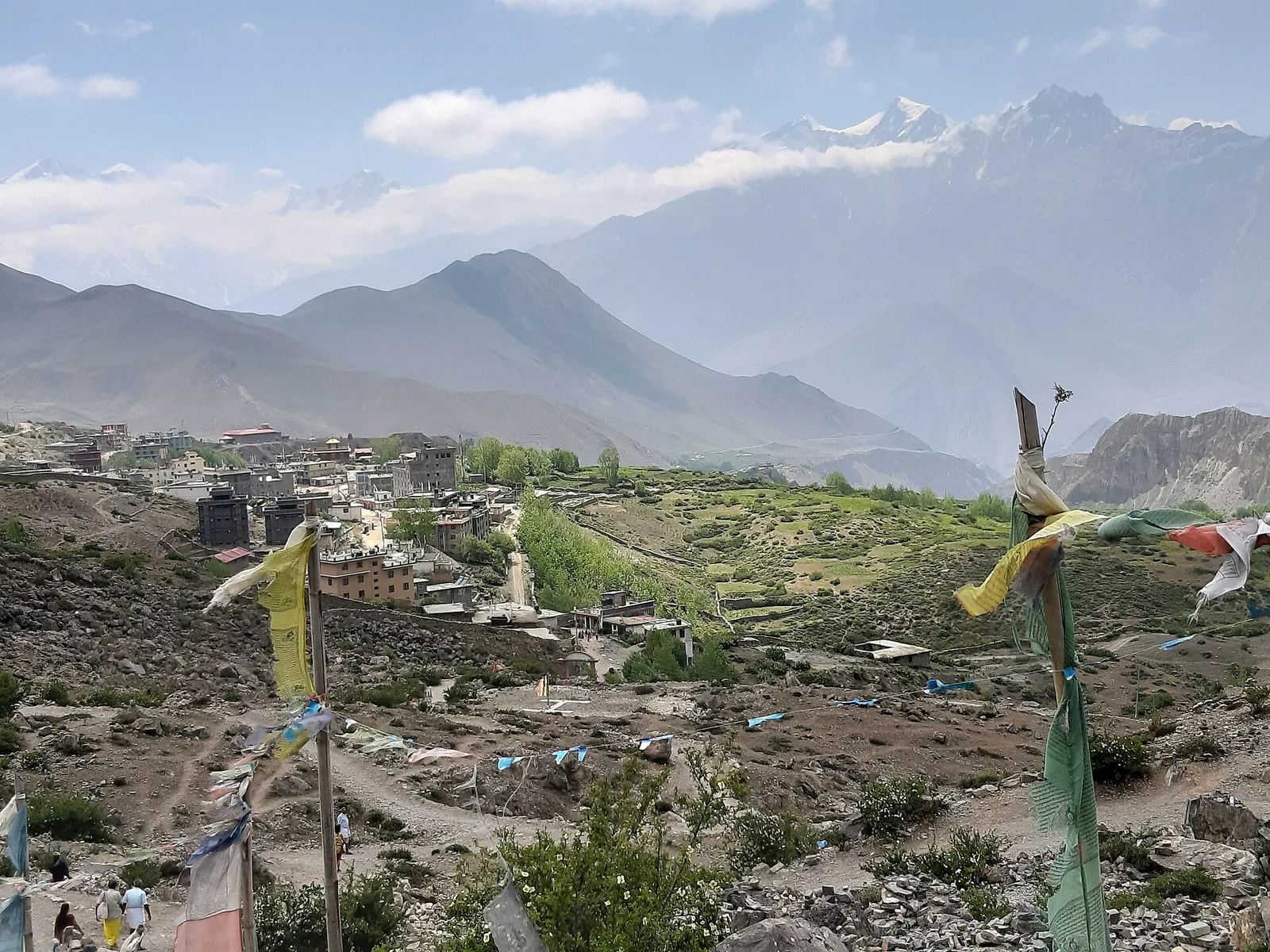
The Temple Where Fire Burns on Water — and Two Religions Call It Holy
At 3,762 metres in Nepal's Mustang district, natural gas burns continuously above a spring inside Jwala Mai temple, part of a shrine both Hindus and Buddhists climb the Himalaya to reach.
Records & People
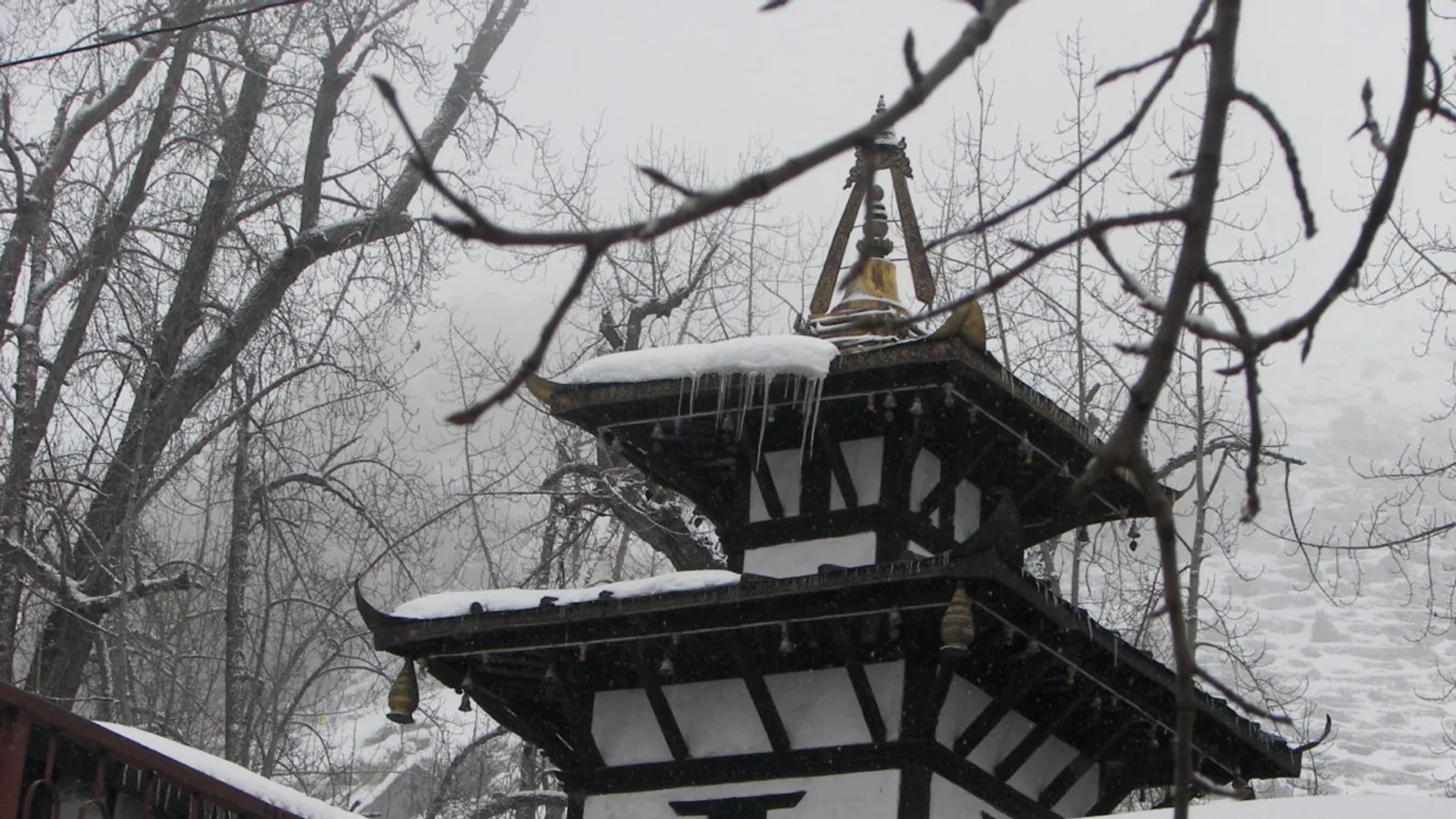
There's a Flame in Nepal That Has Burned on Water for Centuries — and Hindus, Buddhists and Sikhs All Call It Holy
At 3,710 metres in Mustang, a natural-gas flame burns beside a glacial spring that has never run dry — one of the only shrines in the Himalaya shared, uncontested, by two major faiths for centuries.
Industry & Tourism
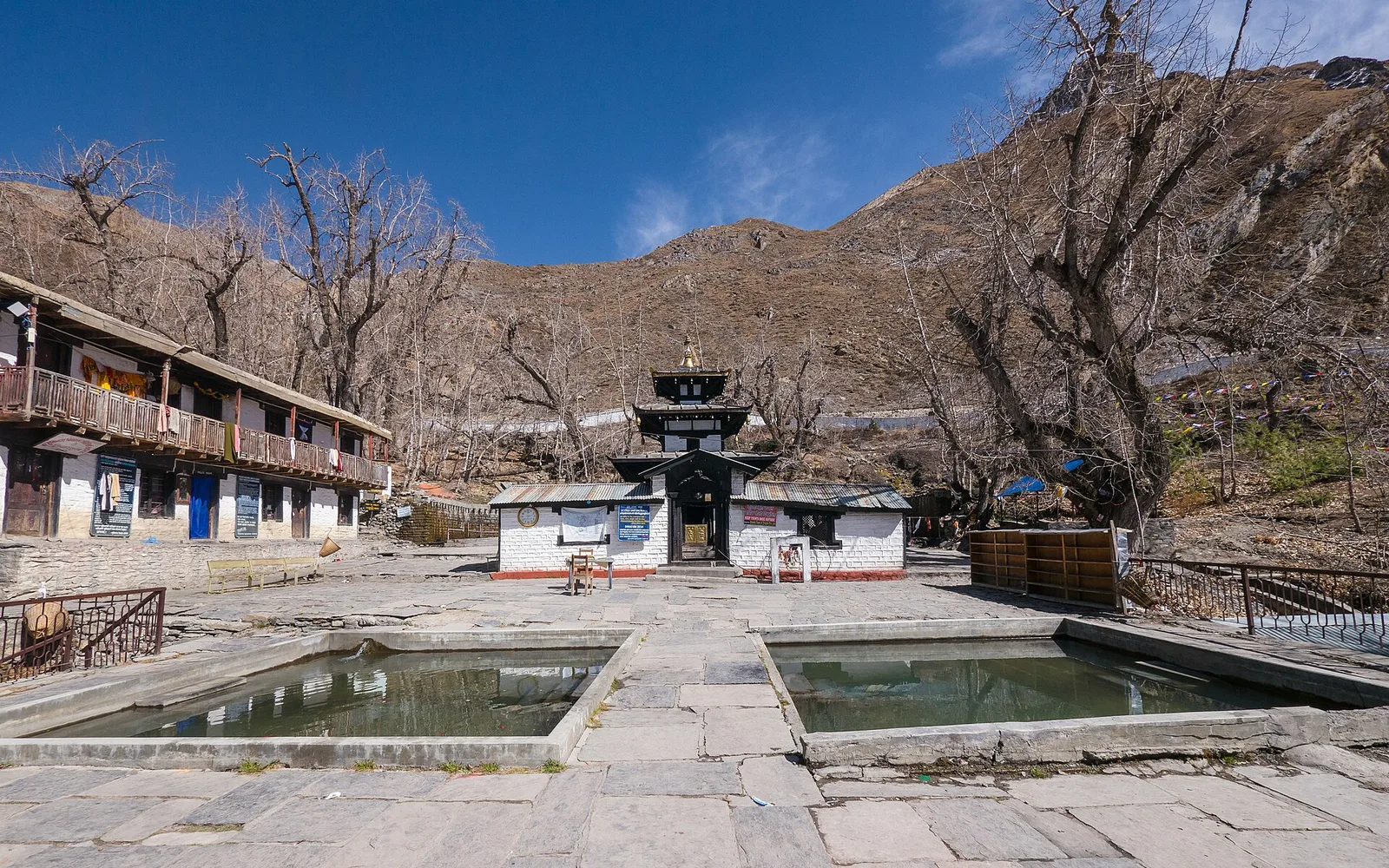
The Temple Where Fire Burns on Water: Inside Nepal's Strangest Sacred Site at 12,343 Feet
At Muktinath, a natural-gas flame flickers directly above a cold mountain spring — a geological quirk that Hindus and Buddhists have both worshipped for generations, and that modern trekkers walk right past.
Records & People
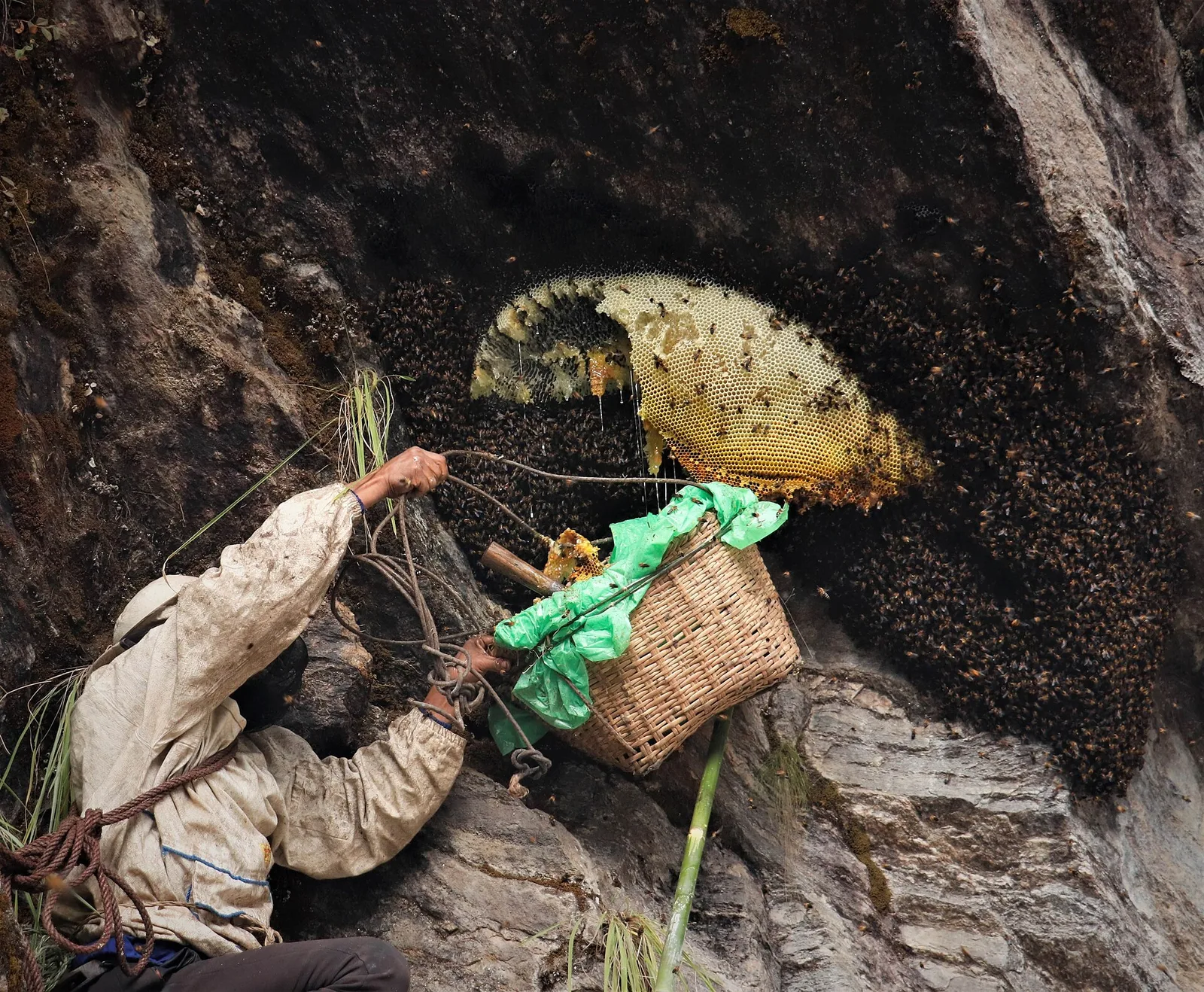
Nepal's Cliff Honey Hunters Risk Their Lives for a Honey That Can Get You High — and the Bees Are Vanishing
High in the cliffs of Lamjung, Gurung hunters climb hand-woven rope ladders for the world's largest honeybee's harvest — a tradition now disappearing at an alarming rate.
Latest from the desk
Records & People
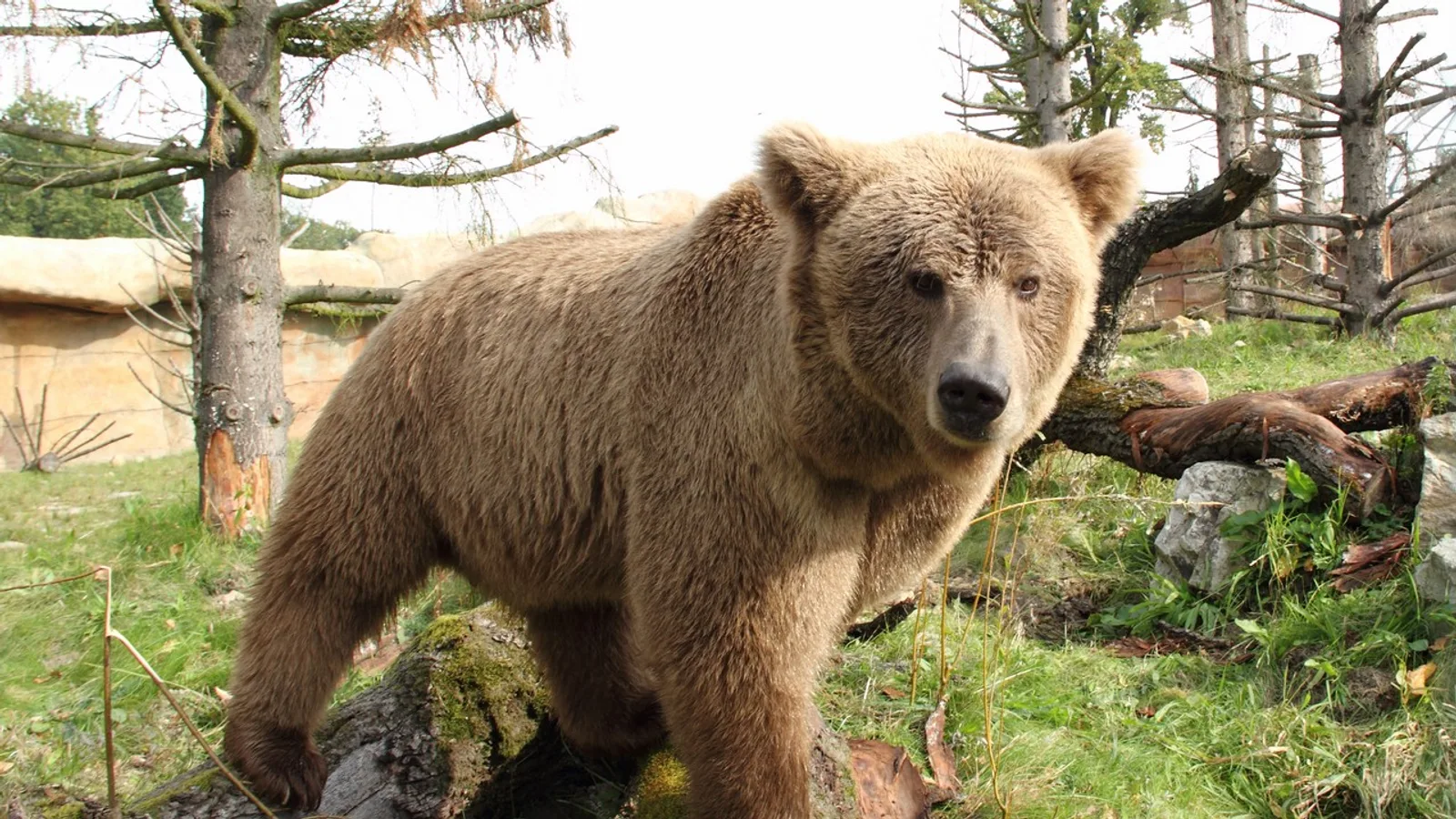
The Yeti Isn't a Myth — Its DNA Just Belongs to a Real Himalayan Bear
Two separate DNA labs tested the actual physical 'yeti' evidence — hair, teeth, even a monastery relic — and got the same answer both times.
Deals & Routes
Free Stopover Programs in 2026: Turn a Long Layover Into a Second Destination
Icelandair, Qatar, Turkish, Emirates and more let you break a hub connection for days at little or no extra airfare. How they work, the one catch, and how to bolt a free city break onto your Nepal trek.

Culture & Heritage
Nepal's Gurung Honey Hunters Scale Cliffs for the World's Largest Bee and Its 'Mad Honey'
Gurung harvesters descend Himalayan cliffs on handmade ladders to cut combs from the world's largest honeybee, whose red 'mad honey' is prized as medicine and mild intoxicant.