
The Yeti Isn't a Myth — Its DNA Just Belongs to a Real Himalayan Bear
Two separate DNA labs tested the actual physical 'yeti' evidence — hair, teeth, even a monastery relic — and got the same answer both times.
At a glance
- Published
- TopicRecords & People
- Verified againstProceedings of the Royal Society B
- Treks coveredEverest Base Camp Trek — 14 Days, Manaslu Circuit Trek — 14 Days, Kanchenjunga Base Camp Trek — 22 Days
Sherpas have shown climbers the same relic for a hundred years: a leathery, conical scalp kept in the gompa at Khumjung, said to have been torn from the head of a yeti. Reinhold Messner spent decades hunting the creature and kept a specimen in his own museum in Italy. In 2014 and again in 2017, two separate DNA labs — Oxford and the University at Buffalo — tested the actual physical evidence: hair, teeth, skin, even that Khumjung relic. The result was the same both times. It's a bear.
Key facts
- The 2017 study in Proceedings of the Royal Society B tested 9 purported yeti samples from museums and private collections
- 8 of 9 matched Himalayan brown bear, Tibetan brown bear or Asian black bear DNA; the ninth turned out to be a domestic dog
- One sample came from the Reinhold Messner Mountain Museum; another from a monastery 'yeti hand' relic
- Himalayan and Tibetan brown bears are genetically distinct populations, isolated for roughly 650,000 years — real, rare animals in their own right
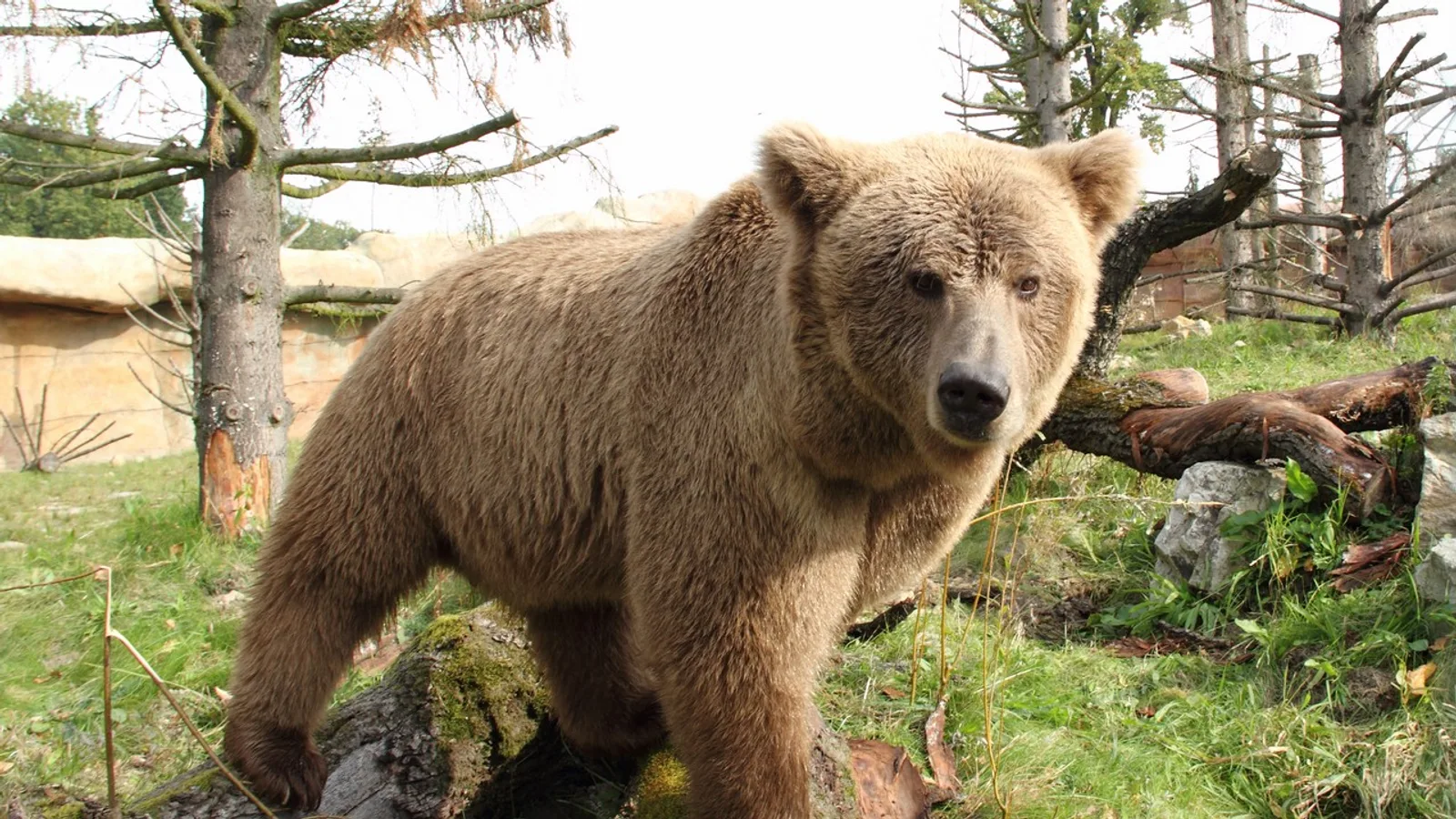
The lead scientist, Charlotte Lindqvist of the University at Buffalo, wasn't debunking a myth so much as chasing a genuine zoology question that had been hiding behind one: how closely related are the Himalayan brown bear, the Tibetan brown bear and the Asian black bear that share these valleys? Her lab's 2017 paper sequenced mitochondrial DNA from nine specimens that had circulated for decades as yeti evidence — hair pulled from a supposed den, a tooth, scraps of skin and fur, even droppings. Eight lined up cleanly with three real, living Asian bear lineages. The ninth, oddly, was a dog.
It closed a loop left open by an earlier, messier study. In 2014 the Oxford geneticist Bryan Sykes tested a different batch of hair samples and found two — one from Ladakh, one from Bhutan — that matched a roughly 40,000-year-old polar bear jawbone found in Norway. It made global headlines: had a lost polar bear-brown bear hybrid survived in the Himalaya? Other geneticists pushed back almost immediately, pointing out that brown bear and polar bear DNA sequences overlap enough in that region of the genome that the 'match' wasn't as clean as it looked. Lindqvist's 2017 sampling, wider and checked against a proper regional bear family tree, effectively closed the polar-bear theory: every Himalayan sample traced back to a known, local bear.
A British officer in Nepal describes a tall, shaggy, bipedal creature seen by his porters — one of the earliest Western accounts.
Everest mountaineer Eric Shipton photographs a huge footprint in Himalayan snow, cementing the yeti in Western pop culture.
Oxford's Bryan Sykes matches two Himalayan hair samples to an ancient polar bear jawbone — and the idea of a lost hybrid goes worldwide.
Charlotte Lindqvist's Buffalo lab tests nine samples against a full regional bear phylogeny: eight are brown or black bears, one is a dog.
What this means for trekkers
What this means for you
The Himalayan brown bear is real, it is rare, and it still shares the high valleys with trekking trails on routes like Kanchenjunga, Manaslu and the upper Everest region. Guides here treat a genuine bear track in fresh snow the way climbers once treated 'yeti' sign — carefully, and as a reason to store food properly at camp. You are far more likely to see a musk deer or a Himalayan tahr than a bear, but the animal behind a century of legend is a real, protected species, not a monster.
None of this makes the story less interesting to guides who grew up on it. Sherpa Buddhist cosmology has long placed the migyur — the local name behind the 'yeti' translation — as one of several beings sharing the mountains with people, closer to a spirit than an animal to be caught. Science hasn't erased that; it has quietly confirmed which physical evidence, out of everything collected over a century, actually came from flesh and blood. The relics stay in the monasteries. The bears stay in the forest below the tree line, mostly unseen by the thousands of trekkers who now walk past their territory each season on the way to Kanchenjunga Base Camp and the Manaslu Circuit. For more on how Himalayan bodies adapted to this landscape, see our earlier piece on the Sherpa high-altitude gene — a rarer, better-documented adaptation story from the same mountains.
Source: Proceedings of the Royal Society B, 'Evolutionary history of enigmatic bears in the Tibetan Plateau-Himalaya region and the identity of the yeti' (2017).
Cover photo: Zoo Hluboka via Wikimedia Commons (CC BY-SA 4.0).
Planning a trek?
Trek this route with us — Everest Base Camp Trek — 14 Days
NMA-certified local guides, transparent pricing, 5,000+ treks since 1998. Message us your dates and we'll sort the permits, lodges and logistics — reply within 24 hours, no obligation.


Popular Nepal treks
All treks →


Related coverage
Records & People
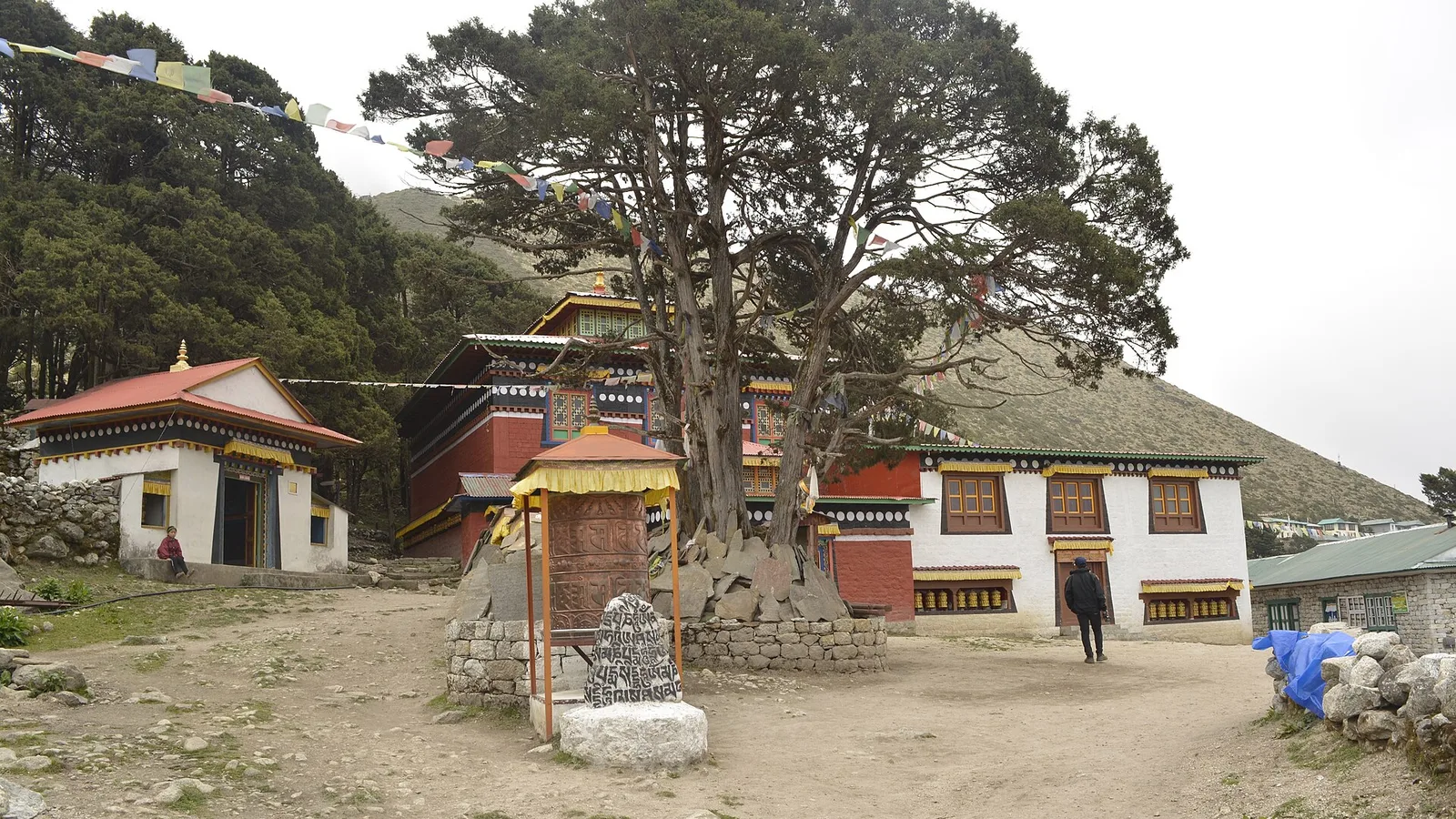
Disney Just Confirmed It's Fixing Its Broken Yeti — Here's the Real 300-Year-Old Relic That Started the Legend
The animatronic Yeti at Disney World has run stuck in place since 2006. The Sherpa monastery guarding the scalp said to have inspired it has kept its own mystery going a lot longer.
Records & People
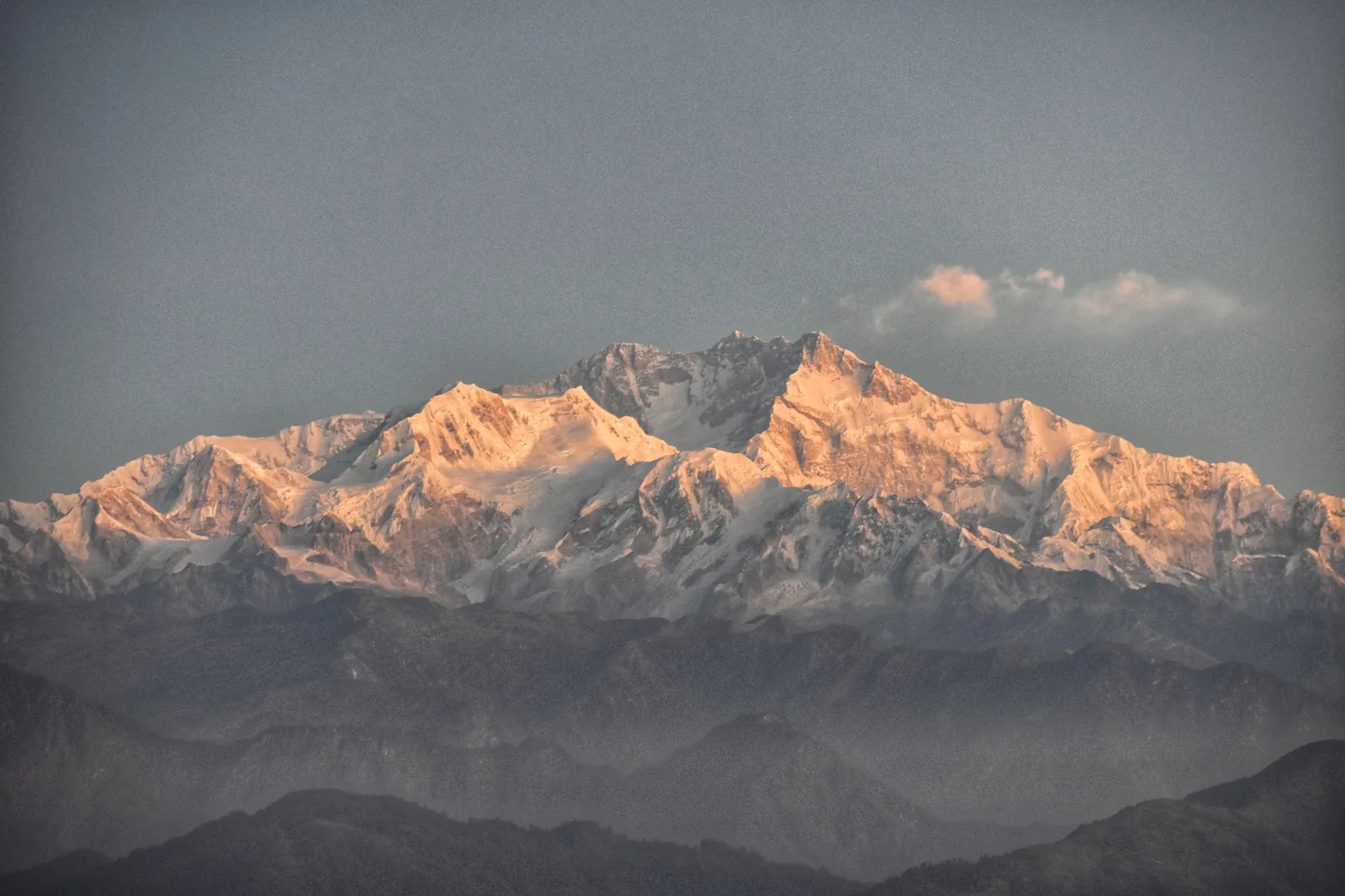
Nepal Says It Has 14 of the World's Eight-Thousanders. The Rest of the World Still Counts Eight.
In February 2025 Nepal's tourism department quietly redrew the map of the world's highest mountains, finding six new 8,000-metre summits hidden inside three already-famous massifs — but the body that keeps the official list still hasn't signed off.
Records & People
The 1951 Photo That Convinced the World Yetis Were Real — And What DNA Finally Proved Made the Tracks
Eric Shipton's footprint photograph from the Menlung Glacier near Everest ran in newspapers worldwide and launched a legend. A 2017 DNA study on nine yeti specimens finally settled what made them.

Deals & Routes
How to Find Cheap Flights in 2026: The Search Strategy That Actually Works
Flexible-date search, alternate airports, split tickets, fare alerts and mistake fares — the tools that surface a lower fare, and the one myth you can stop believing.
Latest from the desk
Records & People
Nepal Has 10,000 Hand-Carved Caves in a Cliff Face — and Nobody Knows Who Built Them
Some five storeys tall and packed with 2,000-year-old mummies, silk manuscripts and monastic cells, Upper Mustang's 'sky caves' remain one of archaeology's open questions.

Deals & Routes
Free Stopover Programs in 2026: Turn a Long Layover Into a Second Destination
Icelandair, Qatar, Turkish, Emirates and more let you break a hub connection for days at little or no extra airfare. How they work, the one catch, and how to bolt a free city break onto your Nepal trek.
Culture & Heritage
Nepal's Gurung Honey Hunters Scale Cliffs for the World's Largest Bee and Its 'Mad Honey'
Gurung harvesters descend Himalayan cliffs on handmade ladders to cut combs from the world's largest honeybee, whose red 'mad honey' is prized as medicine and mild intoxicant.