
Nepal Says It Has 14 of the World's Eight-Thousanders. The Rest of the World Still Counts Eight.
In February 2025 Nepal's tourism department quietly redrew the map of the world's highest mountains, finding six new 8,000-metre summits hidden inside three already-famous massifs — but the body that keeps the official list still hasn't signed off.
At a glance
- Published
- TopicRecords & People
- Verified againstThe Kathmandu Post
- Treks coveredEverest Base Camp Trek — 14 Days, Kanchenjunga Base Camp Trek — 22 Days, Manaslu Circuit Trek — 14 Days
Ask a climber how many mountains on Earth rise above 8,000 metres and they'll say fourteen — the same fourteen mentioned in mountaineering lore since the 1980s, when Reinhold Messner became the first person to summit them all. Ask Nepal's Department of Tourism today and you'll get a different number: fourteen peaks, yes, but not the same fourteen. In February 2025, the department quietly announced that Nepal alone is home to fourteen 8,000-metre summits — nearly doubling the country's previous count of eight, and doing it without adding a single new mountain to the map.
Key facts
- Nepal's Department of Tourism added six new 8,000m peaks to its official tally in February 2025, all hidden inside three already-famous massifs.
- The claim would give Nepal 14 of the world's 14 eight-thousanders — instead of the traditionally counted 8.
- The UIAA, the body that keeps the internationally recognised list, has not approved the change.
- None of the six 'new' peaks require a new permit, route or approach — they're subsidiary summits climbers have walked past for decades.
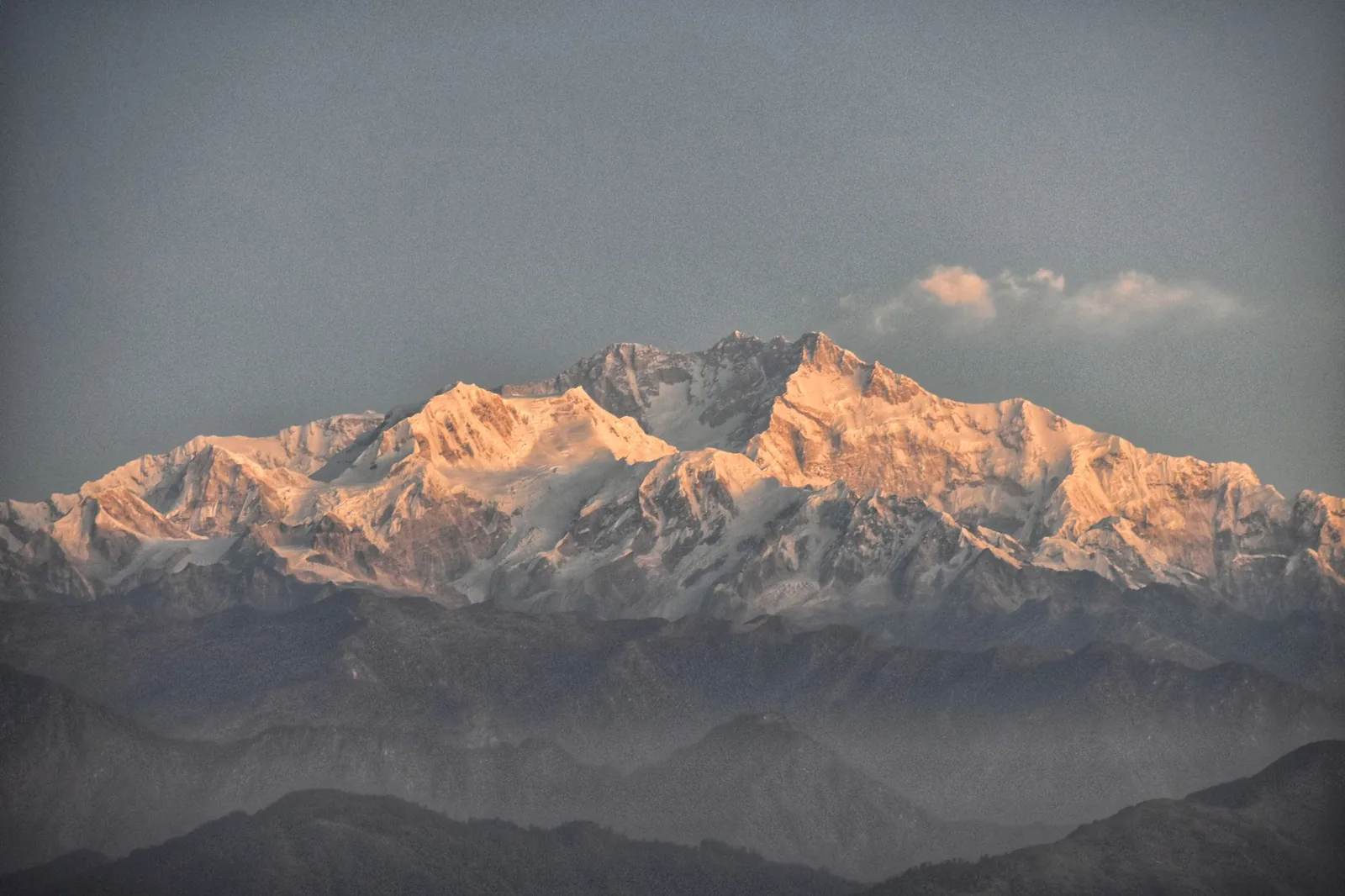
The six additions aren't undiscovered peaks pulled from a satellite survey — they're subsidiary summits on mountains every trekker already knows. Four sit on the Kangchenjunga massif: Yalung Kang (8,505m), Yalung Kang West (8,077m), Kangchenjunga Central (8,473m) and Kangchenjunga South (8,476m). Two more sit on Lhotse: Lhotse Middle (8,410m) and Lhotse Shar (8,400m). Climbers have stood on several of them for decades. What changed isn't the rock — it's whether Kathmandu counts a subsidiary summit as its own mountain.
The rule Nepal is leaning on is a real mountaineering convention: a subsidiary summit qualifies as an independent peak if it sits at least 500 metres of prominence — measured by the col, the lowest point of the ridge connecting it to the parent summit — from the main peak, and can be reached by a route that doesn't simply retrace the main mountain's line. By that measure, the department argues, Kangchenjunga isn't one giant mountain with a few bumps on its ridge — it's a massif hiding four separate eight-thousanders.
| Peak | Massif | Height | Status |
|---|---|---|---|
| Everest | Everest | 8,849m | Original 8 |
| Kangchenjunga | Kangchenjunga | 8,586m | Original 8 |
| Lhotse | Lhotse | 8,516m | Original 8 |
| Yalung Kang | Kangchenjunga | 8,505m | New 2025 |
| Makalu | Makalu | 8,485m | Original 8 |
| Kangchenjunga South | Kangchenjunga | 8,476m | New 2025 |
| Kangchenjunga Central | Kangchenjunga | 8,473m | New 2025 |
| Lhotse Middle | Lhotse | 8,410m | New 2025 |
| Lhotse Shar | Lhotse | 8,400m | New 2025 |
| Cho Oyu | Cho Oyu | 8,188m | Original 8 |
| Dhaulagiri I | Dhaulagiri | 8,167m | Original 8 |
| Manaslu | Manaslu | 8,163m | Original 8 |
| Annapurna I | Annapurna | 8,091m | Original 8 |
| Yalung Kang West | Kangchenjunga | 8,077m | New 2025 |
The paperwork trail explains the long gap. Nepal's Department of Tourism began surveying and documenting these subsidiary summits back in 2013, but the process stalled twice — first after the 2014 Everest icefall avalanche that killed 16 workers, then after the 2015 earthquake that devastated the country and its climbing infrastructure. It took a decade for the department to formally revisit the list. When it finally did, Director General Narayan Prasad Regmi said the next step is to send the updated tally to the International Mountaineering and Climbing Federation (UIAA) — the body the International Olympic Committee recognises as the keeper of the official eight-thousander list — for global approval. As of today, that approval hasn't come, and the update still needs Nepal's own Cabinet sign-off before it's even formally submitted to Geneva.
What this means for trekkers
What this means for you
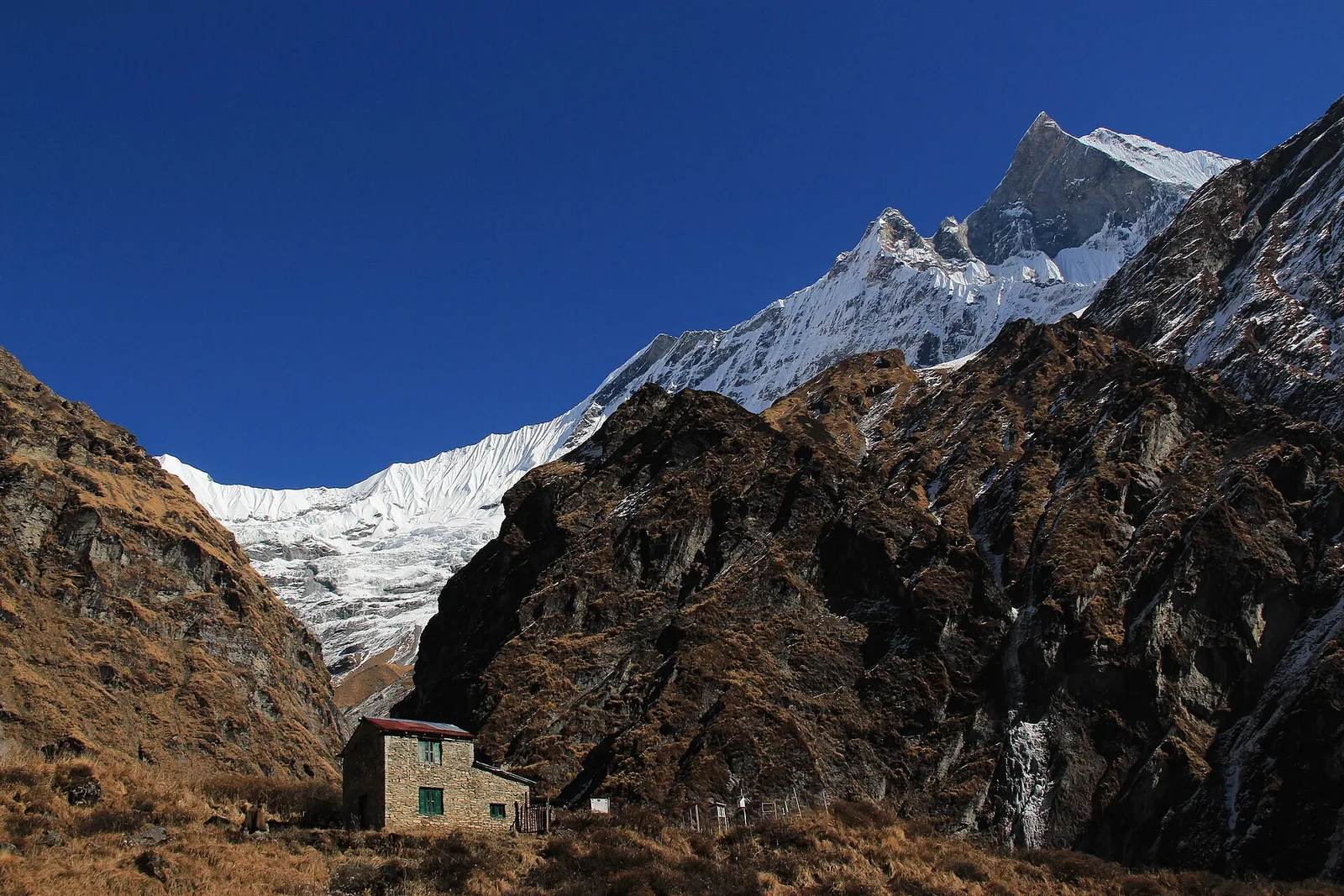
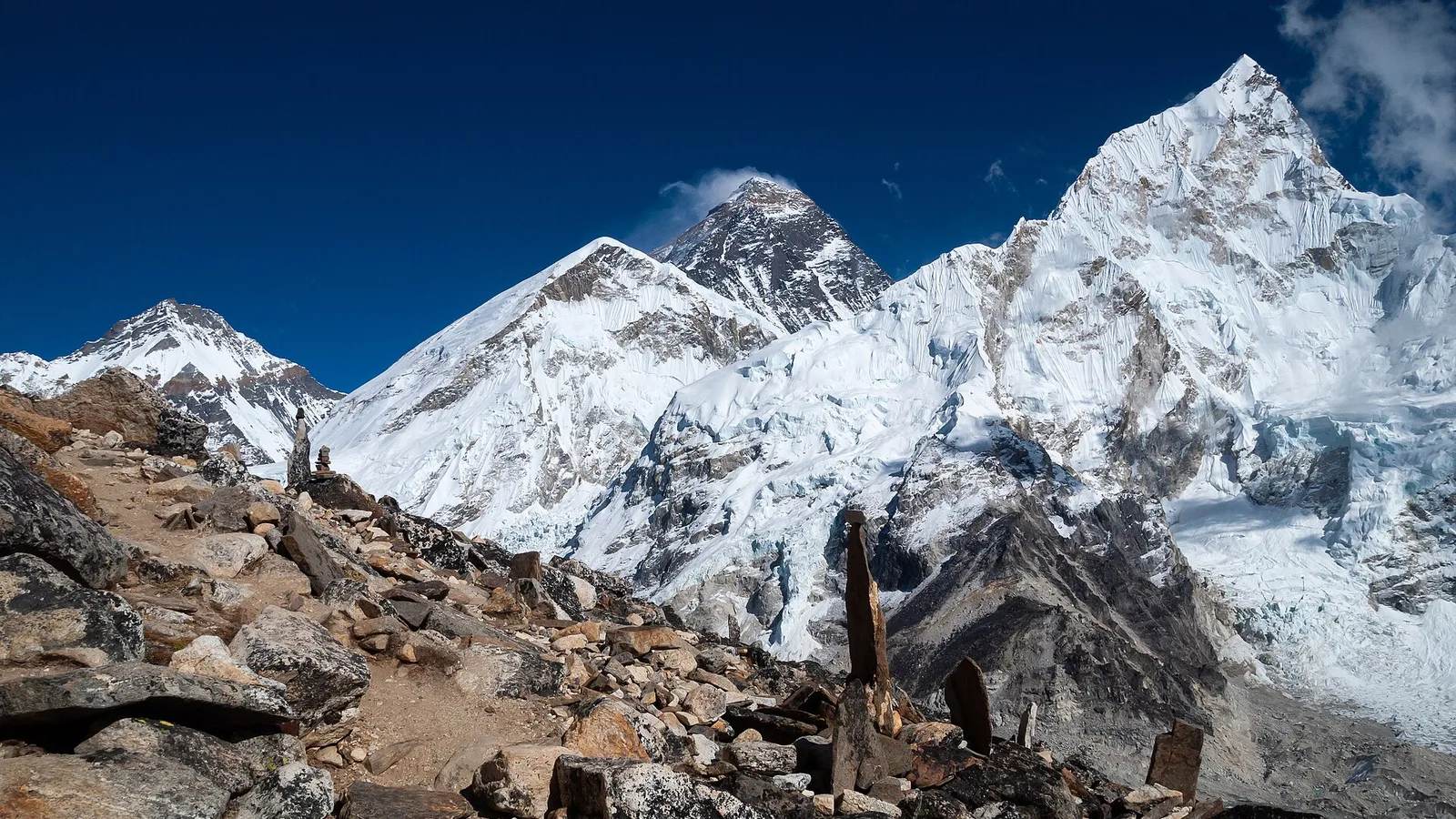
Nothing changes on the trail. Every one of the six 'new' peaks sits inside a massif you can already trek to — the Kangchenjunga additions are visible from the Kanchenjunga Base Camp trek in Nepal's remote far east, and the Lhotse pair tower over the standard Everest Base Camp route. No new permit exists for them, because no new approach exists; they're reached, if reached at all, via routes on the parent mountain. What the claim really tells you is simpler: whichever way the count officially lands, Nepal holds more giants above 8,000m than anywhere else on Earth, and you can stand at the foot of most of them on a single trek.
Whether the UIAA ultimately blesses Nepal's count of 14 or holds the traditional 8, the geography underneath the argument isn't in dispute: this stretch of the Himalaya, almost entirely inside Nepal's borders, concentrates more extreme altitude than any comparable area on the planet. For a trekker choosing a bucket-list route, that's the number that matters more than the semantics — and the Kanchenjunga and Everest regions remain two of the very few places on Earth where you can walk in among this many eight-thousand-metre giants at once.
Source: The Kathmandu Post.
Cover photo: Vishal Govada via Pexels (Pexels License).
Still running this season
Everest Base Camp Trek — 14 Days is running normally
NMA-certified local guides, transparent pricing, 5,000+ treks since 1998. Message us your dates and we'll sort the permits, lodges and logistics — reply within 24 hours, no obligation.
Popular Nepal treks
All treks →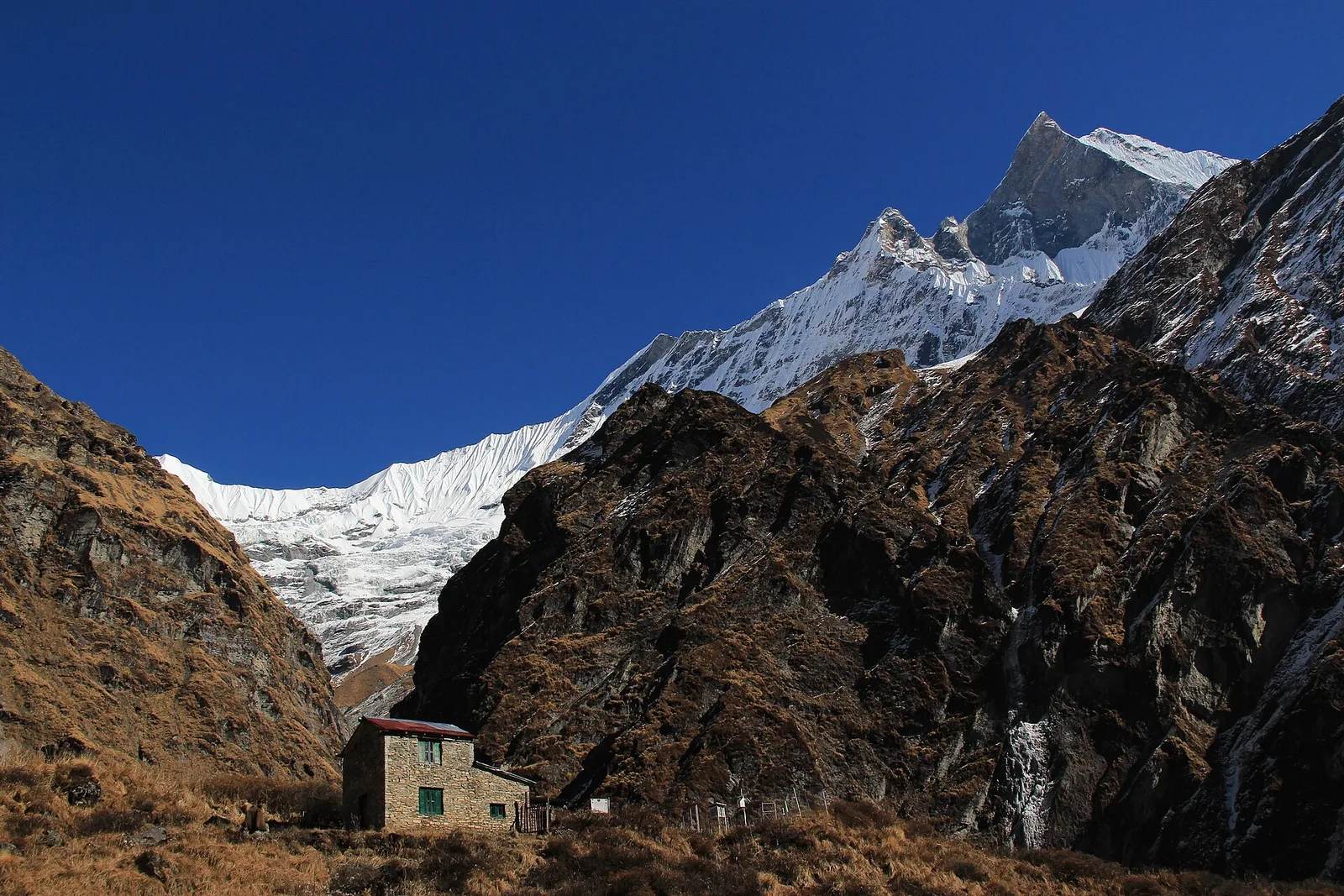
Related coverage
Records & People
Eight of the World's 14 Highest Peaks Touch Nepal, and Only Three Sit Entirely Inside It
Nepal shares five of its eight giants with a neighbour, and all eight were first climbed within a single decade, starting with Annapurna in 1950.
Records & People
Why some 8,000-metre peaks get climbed thousands of times and others almost never
Everest has over 12,000 ascents; Annapurna I and Kangchenjunga barely a few hundred each. The gap between the eight-thousanders is not about height.

Records & People
Nepal’s first woman helicopter captain flew nearly 100 rescues in six days
Priya Adhikari has flown over 1,000 Himalayan rescues. In the week after the Bhote Koshi flood she flew about a hundred, into places with nowhere to land.

Flights & Access
Nepal Airlines Is Flying to Tokyo Four Times a Week This Autumn, and the Timing Is No Accident
The national carrier adds a fourth weekly Kathmandu-Narita rotation from 18 September, wide-body A330 and all, timed squarely at the Dashain-Tihar homecoming rush and the autumn trekking peak that follows it.
Latest from the desk
Records & People
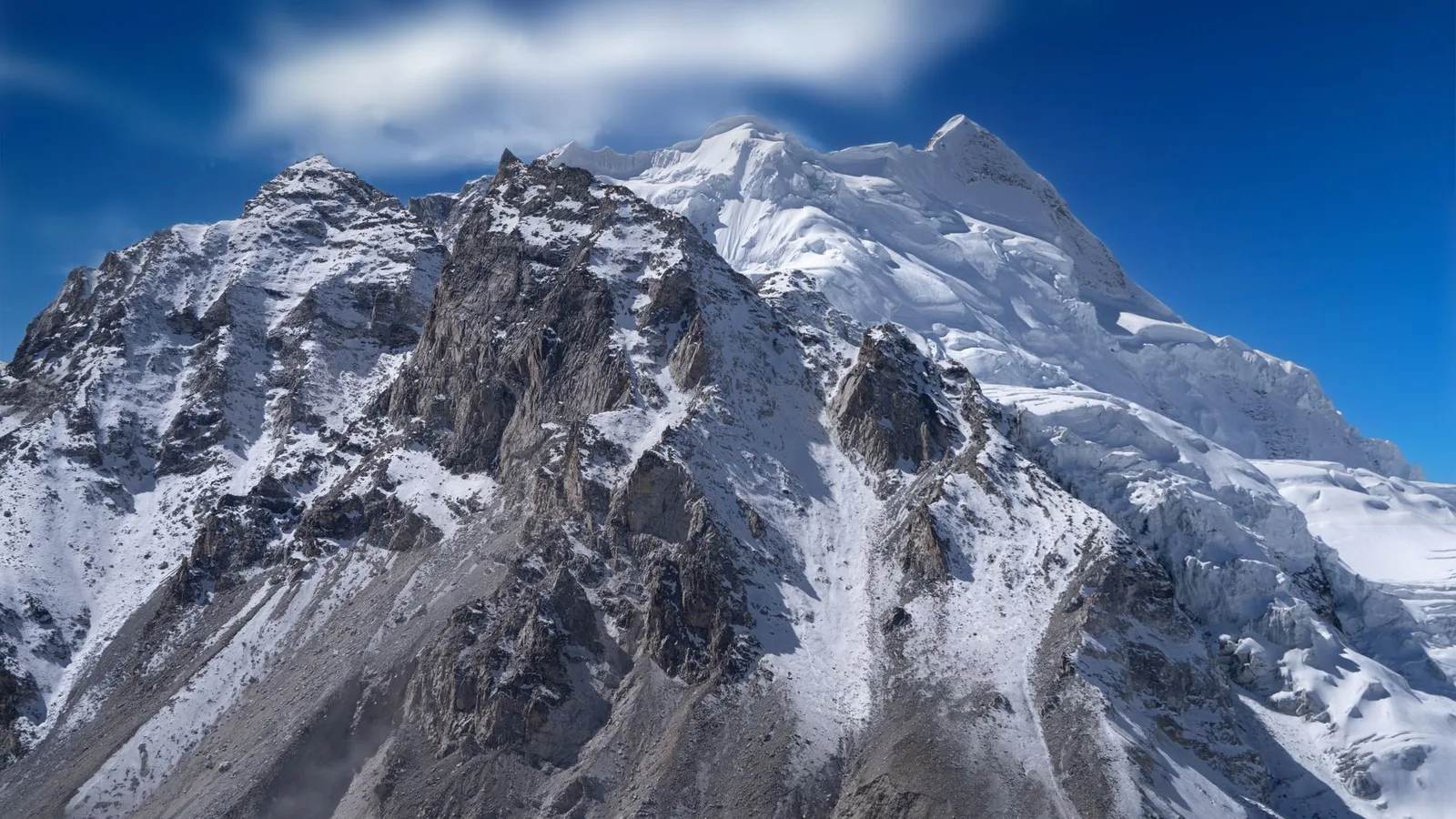
A Singaporean climber has died on Manaslu, the first foreigner lost this autumn
Lau Wee Seng, 50, died on 17 September near 6,000m while descending from Camp II on an acclimatisation rotation. He is the second death there this season.
Industry & Tourism
Nepal lost a quarter of its Indian visitors in August. Here is who came instead
Nepal had 85,444 visitors in August 2026, down 3.6%. Indian arrivals fell 25.7% while China and Sri Lanka rose sharply. The year is still up 5.6%.
Records & People
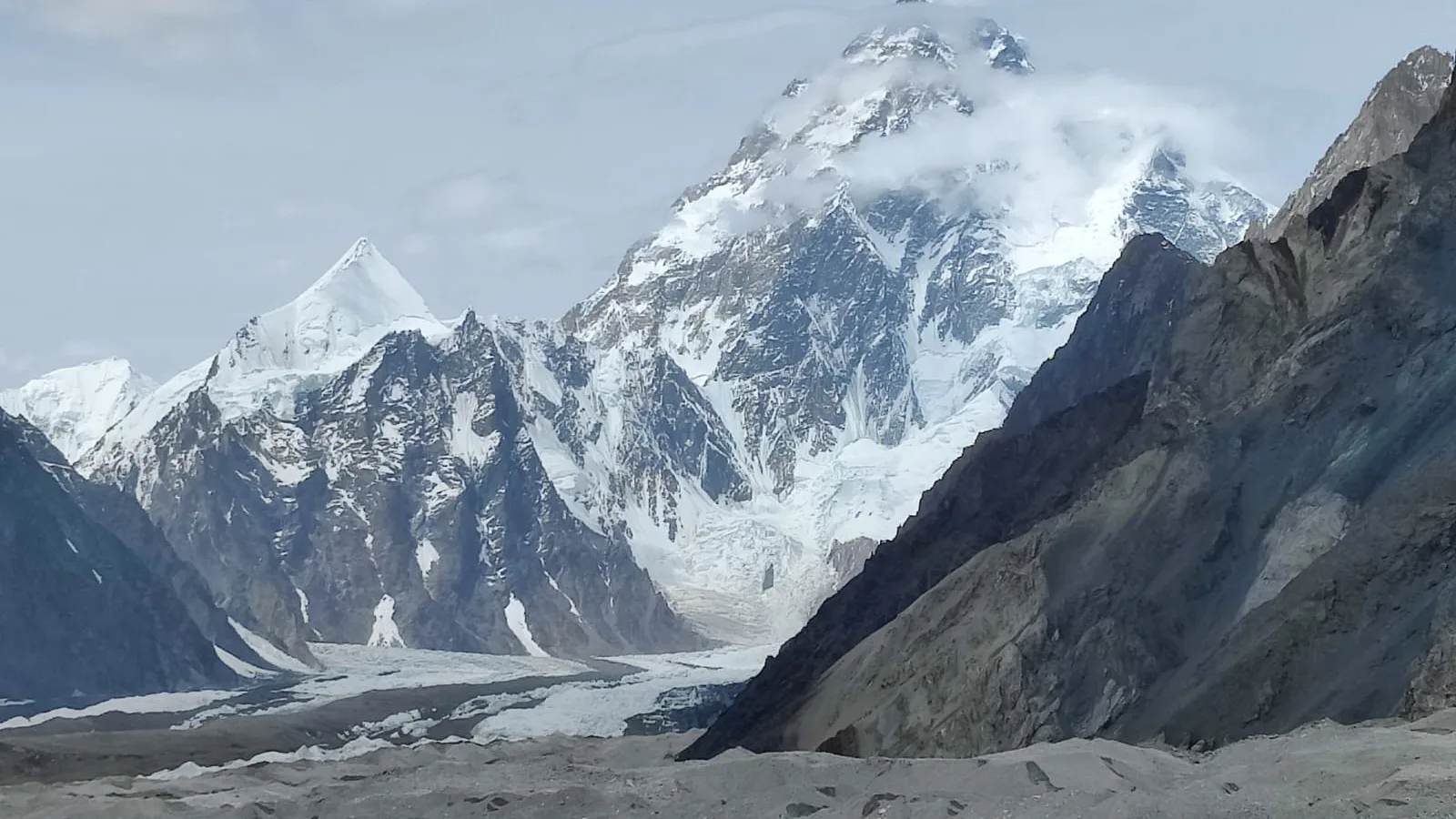
Nobody stood on top of K2 this summer. Here is what stopped the whole mountain
Forty-one people summited K2 in 2025. In 2026, nobody did. Heavy July snow, a hot August and the fewest permits in two decades, and what it tells climbers.