
The rescue that was the scam: 32 charged in Nepal's $20M fake-evacuation racket
Nepal's crime bureau has charged 32 people over a years-long fake helicopter-rescue insurance racket worth nearly $20 million. Here's how it worked — and how to protect yourself on the trail.

At a glance
- Published · updated
- TopicSafety & Advisories
- Verified againstThe Kathmandu Post
- Treks coveredManaslu Circuit Trek — 14 Days, Everest Base Camp Trek — 12 Days, Annapurna Base Camp Trek — 9 Days
One of the ugliest stories in Himalayan trekking finally reached a courtroom this year, and every trekker bound for Nepal should understand it. In March 2026, Nepal's Central Investigation Bureau (CIB) charged 32 people over an organised racket that staged or exaggerated helicopter "rescues" of trekkers to harvest travel-insurance payouts — a fraud investigators value at close to USD 20 million. It is the clearest signal yet that the authorities are moving against a scam that has dogged the industry for years.
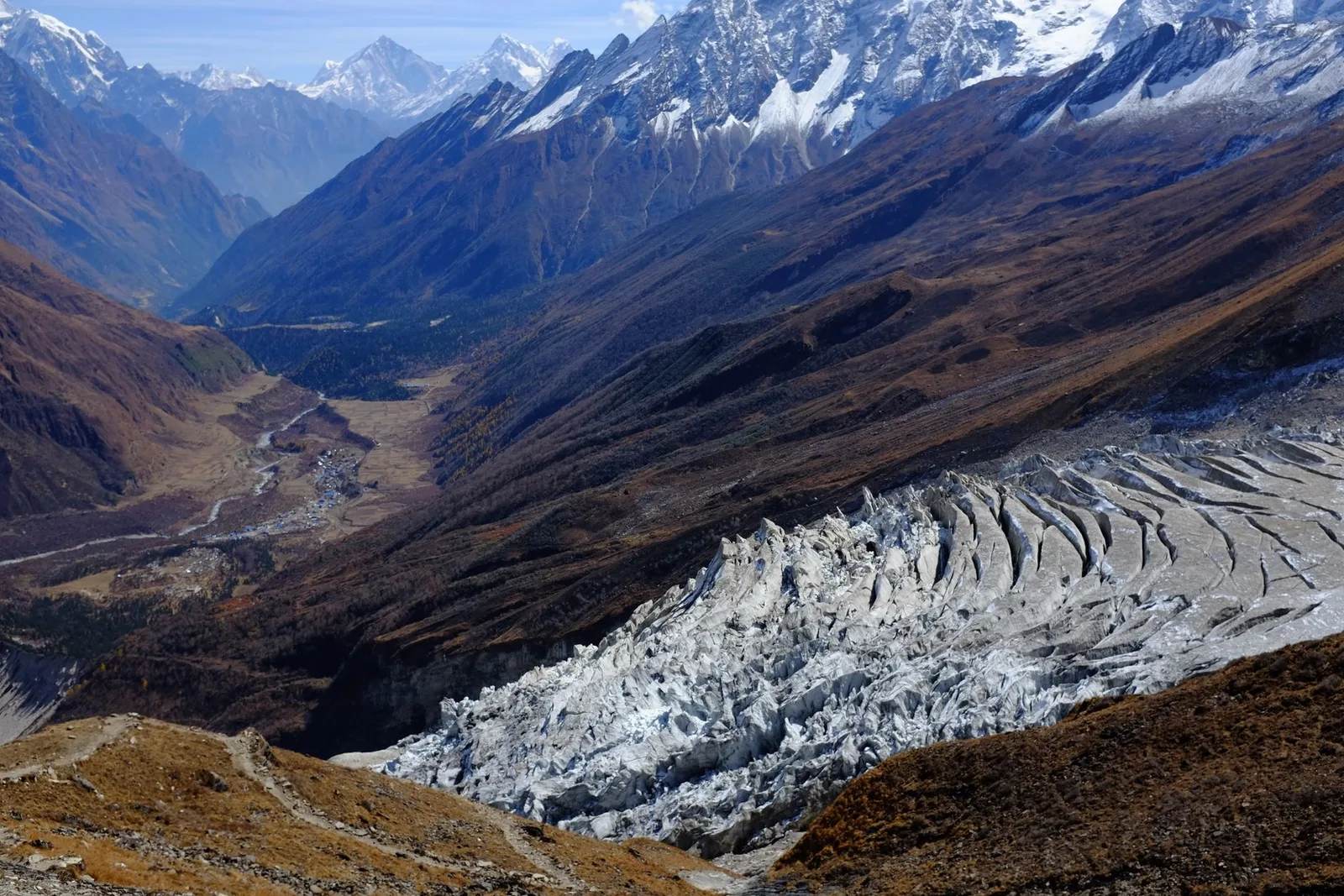
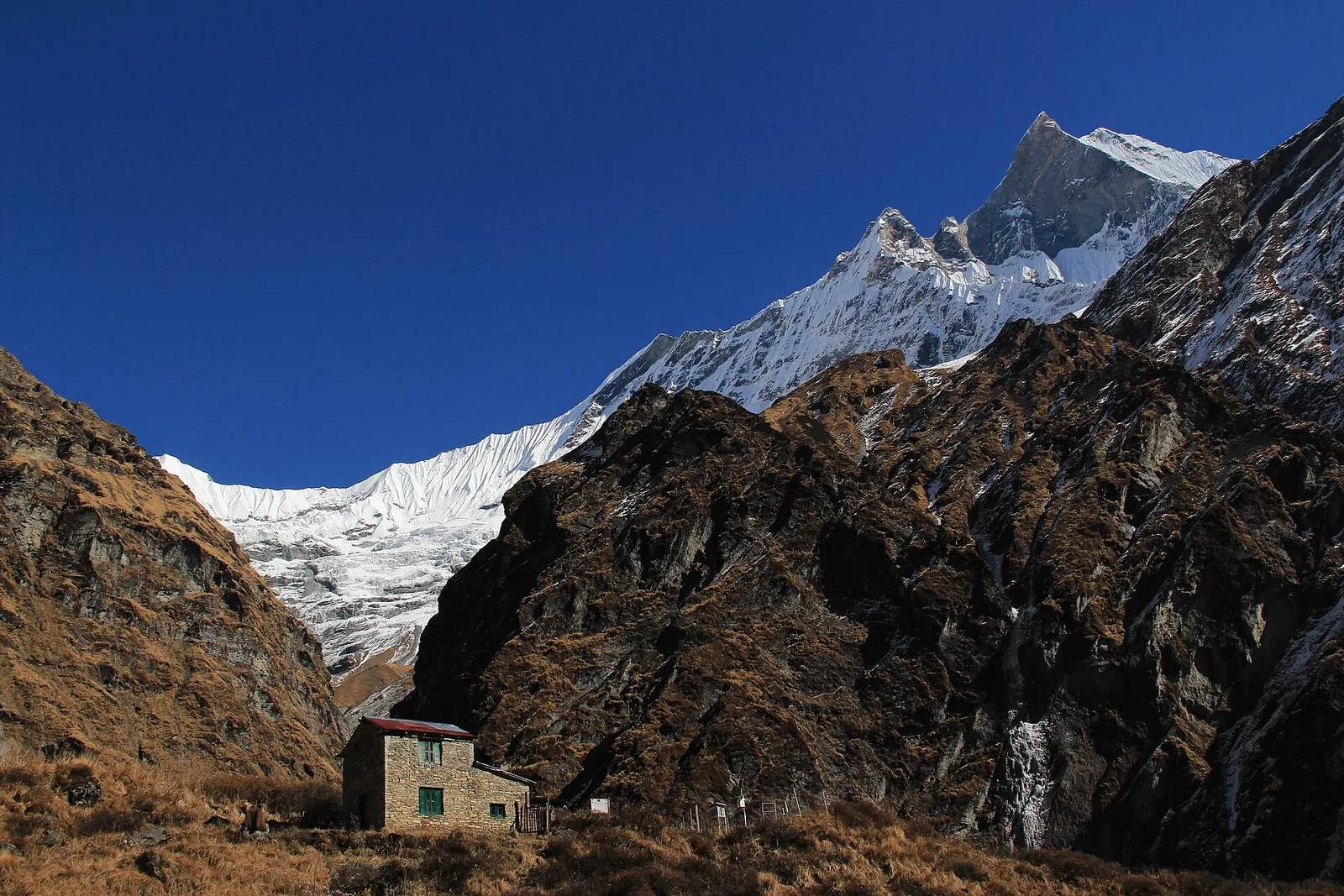
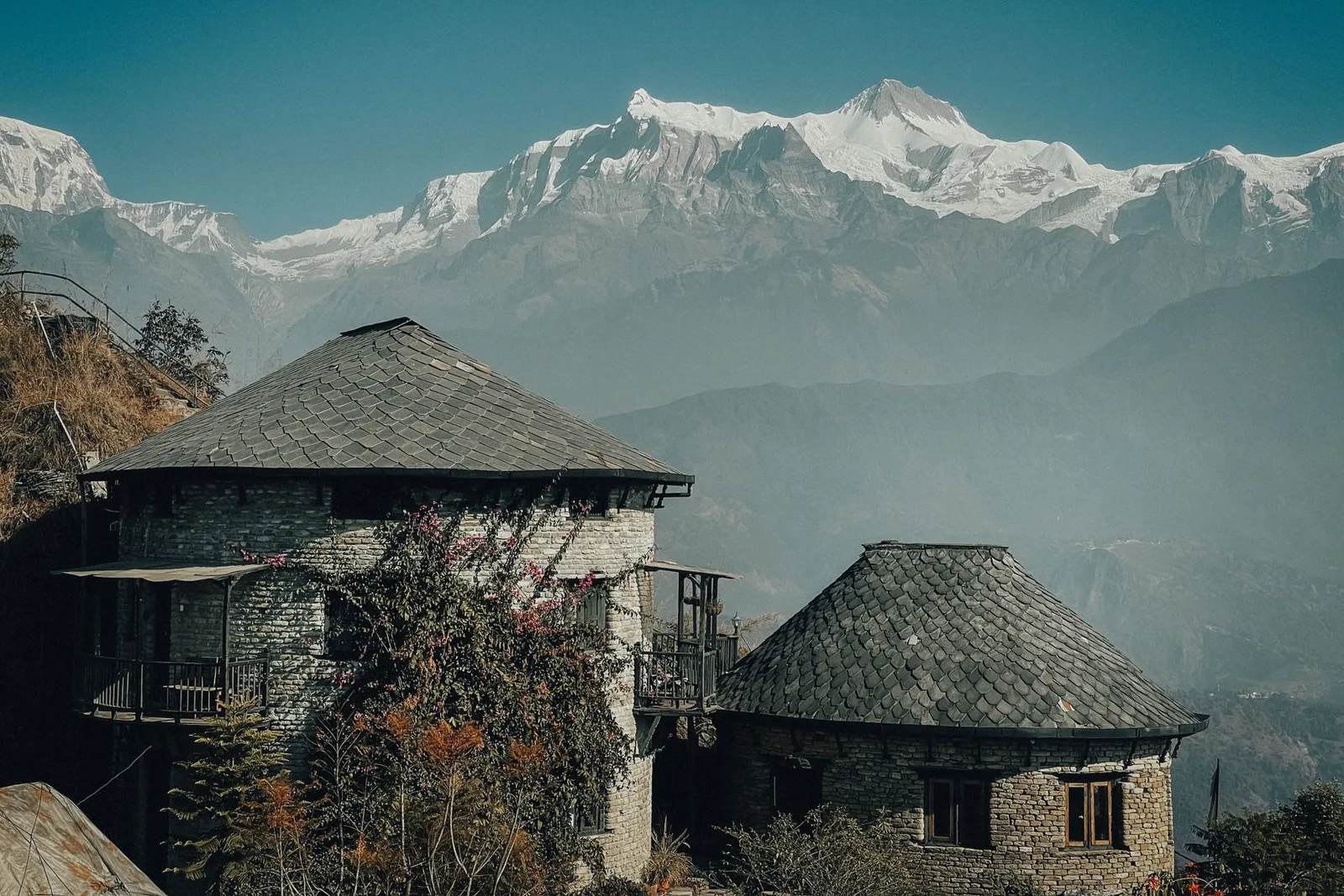
From the trail · Annapurna


Key facts
- 32 people charged by the CIB in March 2026
- Fraudulent claims worth about USD 19.7 million (2022–2025)
- 317 of 2,320 rescue operations found fabricated or manipulated
- Three helicopter firms and three hospitals named in the case
How the racket worked
According to investigators, the scheme linked some trekking agencies, helicopter operators and private hospitals into a referral chain. A trekker would be flown out on a chartered helicopter billed as an emergency evacuation; the hospital would issue inflated or fabricated invoices; and the insurance payout would then be carved up — investigators describe hospitals passing 20–25% back to the trekking company and a further 20–25% to the helicopter operator for the referral. In some cases, multiple claims were filed for a single flight.
| Metric | Figure |
|---|---|
| People charged | 32 |
| Arrested (initial) | 9 |
| Rescue operations reviewed | 2,320 |
| Found fabricated / manipulated | 317 |
| Estimated fraud value | $19.7M |
The disputed part
One allegation grabbed global headlines: that guides deliberately sickened clients — including by slipping baking soda into their food — to manufacture an emergency. We want to be careful and fair here. That claim appears in the investigation, but it has been openly questioned, and at least one specialist outlet reviewing the charge sheet reported no firm evidence for deliberate poisoning. The financial fraud is the substance of the case; the poisoning angle remains a contested allegation, not a proven fact. Treat the lurid version with caution. And hold the whole case in the right frame: the 32 have been charged, not convicted, and no verdict has been returned.
Why it matters for honest operators
Scams like this damage everyone who does the job properly. They drive up insurance premiums, make underwriters suspicious of legitimate claims, and tar an entire industry built on trust at altitude. The vast majority of helicopter rescues in Nepal are exactly what they appear to be — life-saving responses to genuine altitude sickness, injury or sudden illness, where minutes matter. The answer is not to fear evacuation; it is to trek with people you can trust and to understand how a real rescue is supposed to work.
How to protect yourself
Buy trekking insurance that explicitly covers helicopter evacuation to your maximum trek altitude, and keep the policy details on you. Never authorise an evacuation you do not understand — if you can walk down safely with your guide, do. Ask your operator, in writing, what their evacuation protocol is and which hospital they use. And insist on a real diagnosis: a genuine rescue ends with proper medical care, not a quick helicopter hop and a fat invoice.
A turning point
Authorities have signalled tighter rules ahead — digital tracking of rescue flights, independent medical audits and stricter licensing. For trekkers, the takeaway is reassuring rather than alarming: the system is being cleaned up, and choosing a reputable, transparent operator has never mattered more. We have always treated evacuation as a last resort and a medical decision, never a revenue line — and that is exactly the standard this case should make universal.
Source: The Kathmandu Post; Travel And Tour World; Climbing.com.
Cover photo: Jean-Paul Wettstein via Pexels (Pexels License).
Still running this season
Annapurna Base Camp Trek — 9 Days is running normally
NMA-certified local guides, transparent pricing, 5,000+ treks since 1998. Message us your dates and we'll sort the permits, lodges and logistics — reply within 24 hours, no obligation.
Popular Nepal treks
All treks →
Related coverage

Records & People
Nepal’s first woman helicopter captain flew nearly 100 rescues in six days
Priya Adhikari has flown over 1,000 Himalayan rescues. In the week after the Bhote Koshi flood she flew about a hundred, into places with nowhere to land.
Safety & Advisories
Your Nepal Trekking Guide Just Spent the Week Learning to Keep You Alive Above 4,000m
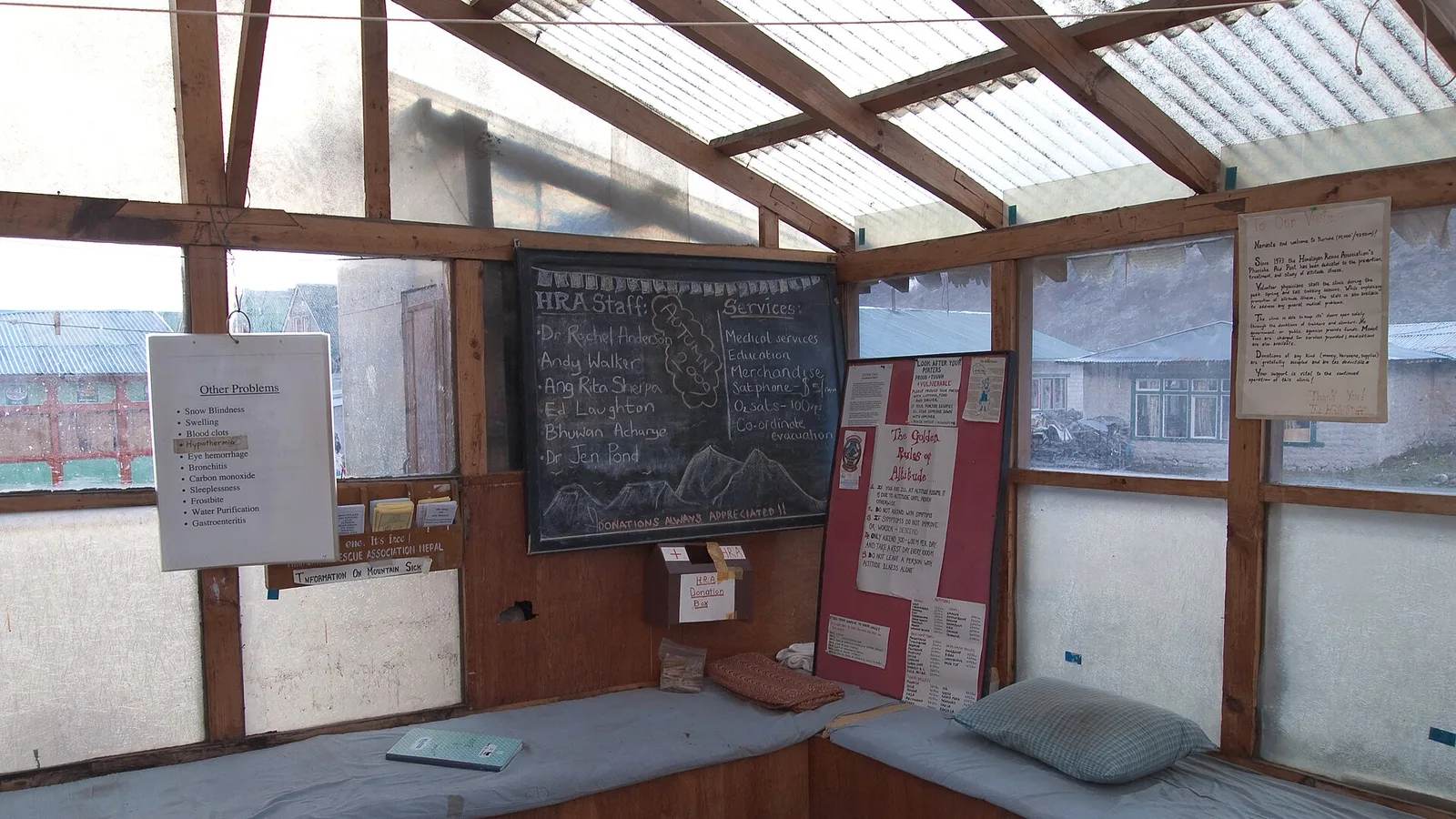
Days before Nepal's autumn trekking season opens, two of the country's oldest mountain-safety institutions ran back-to-back wilderness first-aid courses for working guides, drilling CPR, patient evacuation and the earliest signs of altitude sickness.

Money & Insurance
Travel Insurance Excess Explained (2026): Why the Cheapest Policy Can Cost You the Most
The excess is the first slice of every claim you pay yourself. How a higher voluntary excess cuts your premium, why it bites per claim AND per section, and how a low headline price can leave you worse off than a dearer policy.

Money & Insurance
Does Your Credit Card Include Travel Insurance in 2026? What It Covers — and the Costly Gap
Many premium and travel cards bundle some cover — but it's usually secondary, conditional and capped, and it almost never pays for the emergency medical bill or evacuation that actually bankrupts travellers.
Latest from the desk
Gear & Tech
Trail shoes or hiking boots, and what the ankle-support research actually found
Most teahouse trekkers wear more boot than the walk needs, and the ankle-support argument holding that up is thinner than the shops suggest.
Gear & Tech
Merino or synthetic base layers, and what a lab found when it measured the smell
Merino wins the week-long wear, synthetic wins the overnight dry, and the lab reason merino stays fresh is not the bacteria story you have been told.
Safety & Advisories
If someone you know is missing in the Nepal flood, you don't have to fly to Kathmandu
Nepal Police have identified 95 of more than 1,200 bodies recovered. Families abroad can be DNA-profiled at home and send the result in. Here is how it works.