
Nepal's Living Goddess Is a Toddler Whose Feet Have Never Touched the Ground
Aryatara Shakya was crowned Kathmandu's Royal Kumari at two years and eight months old — carried everywhere she goes, worshipped by Hindus and Buddhists alike, and destined to retire the moment nature makes her human again.
At a glance
- Published
- TopicRecords & People
- Verified againstCNN
- Treks coveredKathmandu Valley Cultural Tour — 3 Days, Nepal Classic Tour — 7 Days, Kathmandu UNESCO Heritage Sites — 1 Day
Key facts
- Aryatara Shakya became Kathmandu's Royal Kumari at 2 years and 8 months old, crowned on 3 October 2025
- Candidates must pass 32 'signs of perfection' — physical and temperamental traits believed to mark the goddess
- While she holds the role, her feet must never touch bare ground outside her temple — she is carried or rides a palanquin
- The tradition's earliest written record dates to 1280 CE, nearly 750 years before this Kumari's crowning
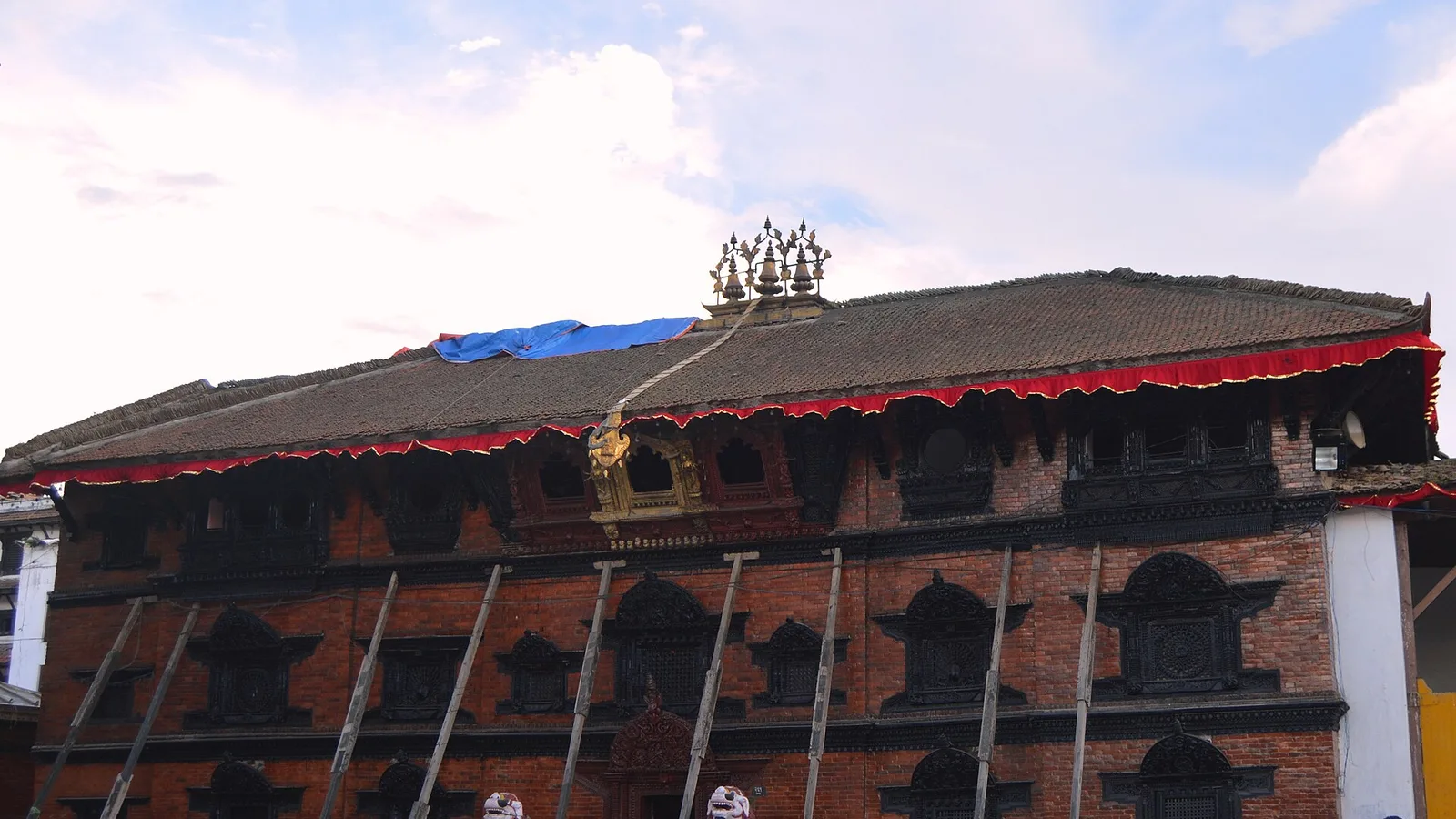
In a carved wooden building on Kathmandu's Durbar Square, a toddler is worshipped as a living goddess by both Hindus and Buddhists, and the ground itself is considered too unholy for her feet to touch. Her name is Aryatara Shakya. She was two years and eight months old when she was chosen in September 2025, and until she reaches puberty, she is Nepal's Royal Kumari — the human vessel of the goddess Taleju Bhawani.
She is carried everywhere she goes, either in someone's arms or seated in a gilded palanquin, because the moment a Kumari's foot touches the ground, tradition holds that the goddess's spirit leaves her body. She speaks only to her own family. She leaves her residence, the Kumari Ghar, for no more than 13 religious festivals a year — the biggest of which, Indra Jatra, sees her pulled through the old city on a wooden chariot while Nepal's head of state bows before her and receives a blessing.
Chosen by fearlessness, not birth
A Kumari isn't born into the role, and it isn't hereditary. Girls from the Newar Shakya clan, usually toddlers, are examined against the '32 signs of perfection' — traits the tradition describes in almost poetic detail, including 'a neck like a conch shell', 'thighs like a deer' and 'a voice as soft as a duck's'. Her horoscope is checked for compatibility with the head of state's, and in the final test she is reportedly shown frightening sights, including masked dancers and severed buffalo heads, in a dark courtyard at night. A candidate who shows no fear is judged to be housing the goddess already.
The first known reference to a living-goddess tradition in the Kathmandu Valley appears in a stone inscription from the reign of King Ananta Malla.
Later Malla kings, most associated with Jaya Prakash Malla, formalise the Royal Kumari of Kathmandu and build the Kumari Ghar beside Durbar Square as her residence.
Nepal abolishes its centuries-old monarchy, but the Kumari tradition continues unchanged — the president now performs the ritual bow once reserved for the king.
Selected on 30 September 2025 and formally installed three days later, she becomes Kathmandu's latest Royal Kumari, succeeding Trishna Shakya, who had served since childhood.
| While she holds the role | Once she is dismissed |
|---|---|
| Feet never touch bare ground outside the temple | Walks, plays and attends school like any other child |
| Speaks only to close family members | Free to talk to anyone |
| Leaves the Kumari Ghar for at most 13 festivals a year | Returns fully to public and private life |
| Worshipped by visiting Hindus and Buddhists alike | Receives a state pension for her service |
What this means for your trip to Kathmandu
What this means for your trip to Kathmandu
You can genuinely see her. The Kumari Ghar sits inside Kathmandu Durbar Square, a UNESCO World Heritage site most Nepal itineraries already visit, and she occasionally appears at a carved upper window to bless the courtyard below — photography of her face is not permitted, out of respect, but standing in that courtyard is one of the few places on Earth where tourists share a living space with a worshipped deity. Time a Kathmandu stop around Indra Jatra, usually in September, and you can watch her chariot procession through the old city, one of the country's most striking festivals.
Kathmandu's living-goddess tradition sits alongside sites like Muktinath, sacred to Hindus and Buddhists for very different reasons — we've also written about the eternal flame that burns on water there. Our Kathmandu Valley cultural tour routes through Durbar Square with a local guide who can explain what you're looking at, and it's a common add-on to any longer Nepal itinerary either before or after a trek.
Source: CNN
Cover photo: Suraj Belbase via Wikimedia Commons (CC BY-SA 4.0).
Planning a trek?
Trek this route with us — Kathmandu Valley Cultural Tour — 3 Days
NMA-certified local guides, transparent pricing, 5,000+ treks since 1998. Message us your dates and we'll sort the permits, lodges and logistics — reply within 24 hours, no obligation.


Popular Nepal treks
All treks →


Related coverage
Records & People
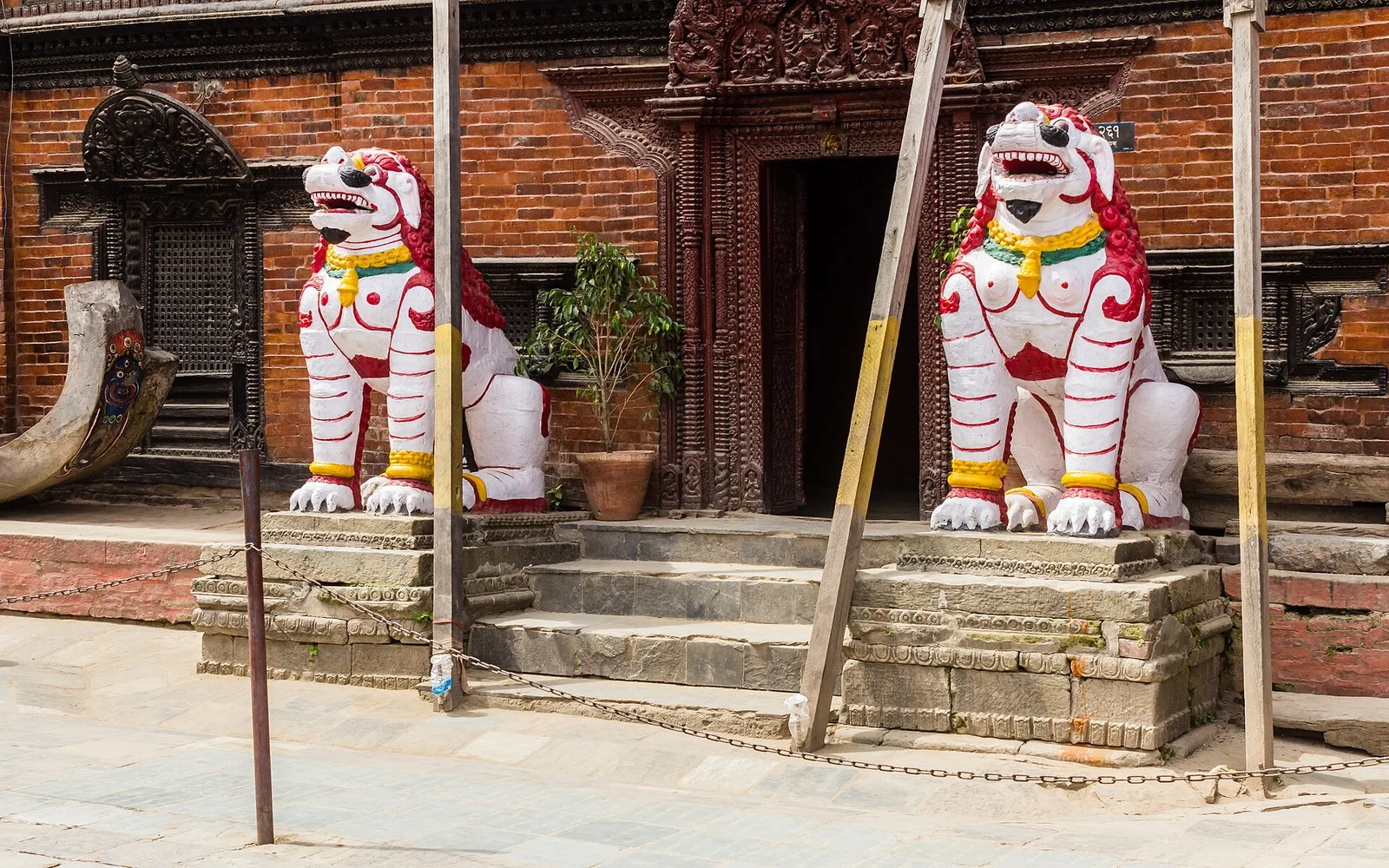
Nepal Just Named a 2-Year-Old a Living Goddess — She Can't Touch the Ground Until She Retires
Aryatara Shakya was enthroned as Kathmandu's Royal Kumari in 2025, the latest in a 17th-century tradition of worshipping a toddler as a living deity.
Records & People
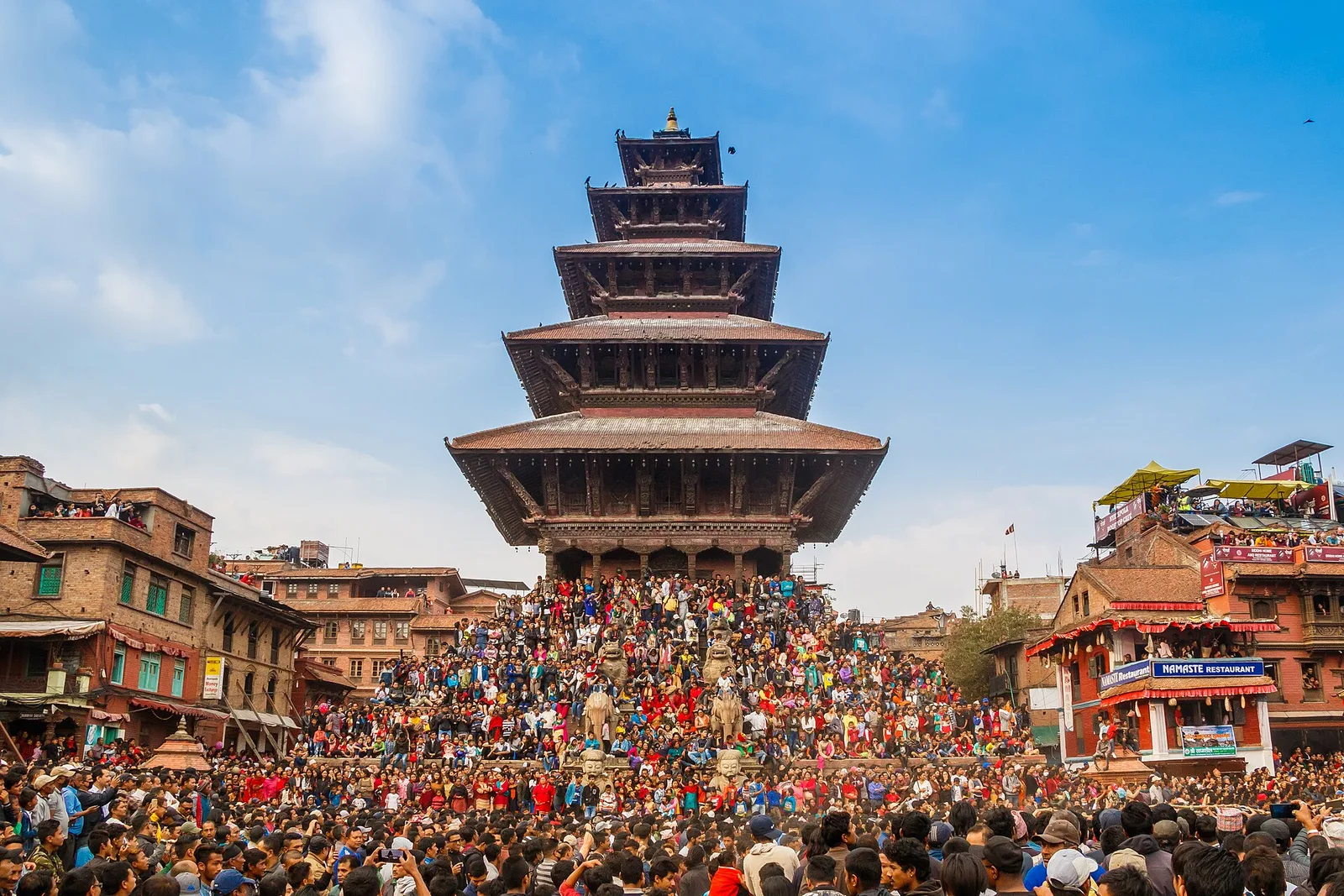
At 17, a Nepali Teenager Led 80 Artists Into Tibet. He Designed the White Pagoda Beijing Still Protects 700 Years Later
Long before Nepal became a bucket-list trekking destination, one Kathmandu Valley teenager designed a monument so revered that a Chinese premier personally ordered it saved from the Cultural Revolution.

Records & People
Every Other Country on Earth Flies a Rectangle. Nepal's Flag Is Built From Math Instead.
Nepal is the only nation whose flag isn't a quadrilateral — and its exact shape isn't a designer's choice, it's a formula written into the constitution.
Records & People
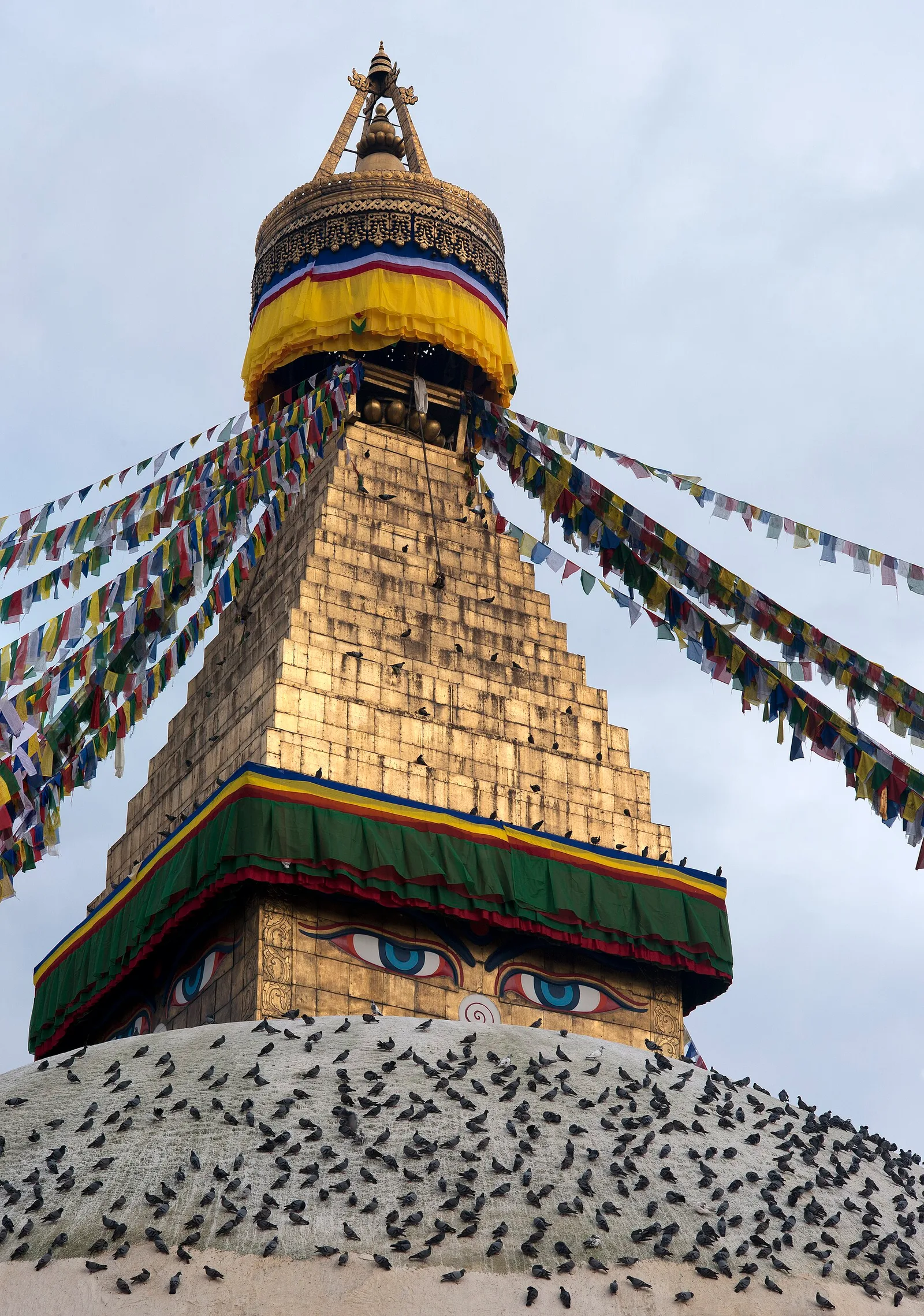
Why Four Pairs of Giant Painted Eyes Watch You From Every Direction in Kathmandu
The all-seeing eyes atop Nepal's Boudhanath Stupa are not decoration — every element, from the nose shaped like a Nepali numeral to the 13 gold tiers above, encodes a specific step toward enlightenment.
Latest from the desk
World Destinations
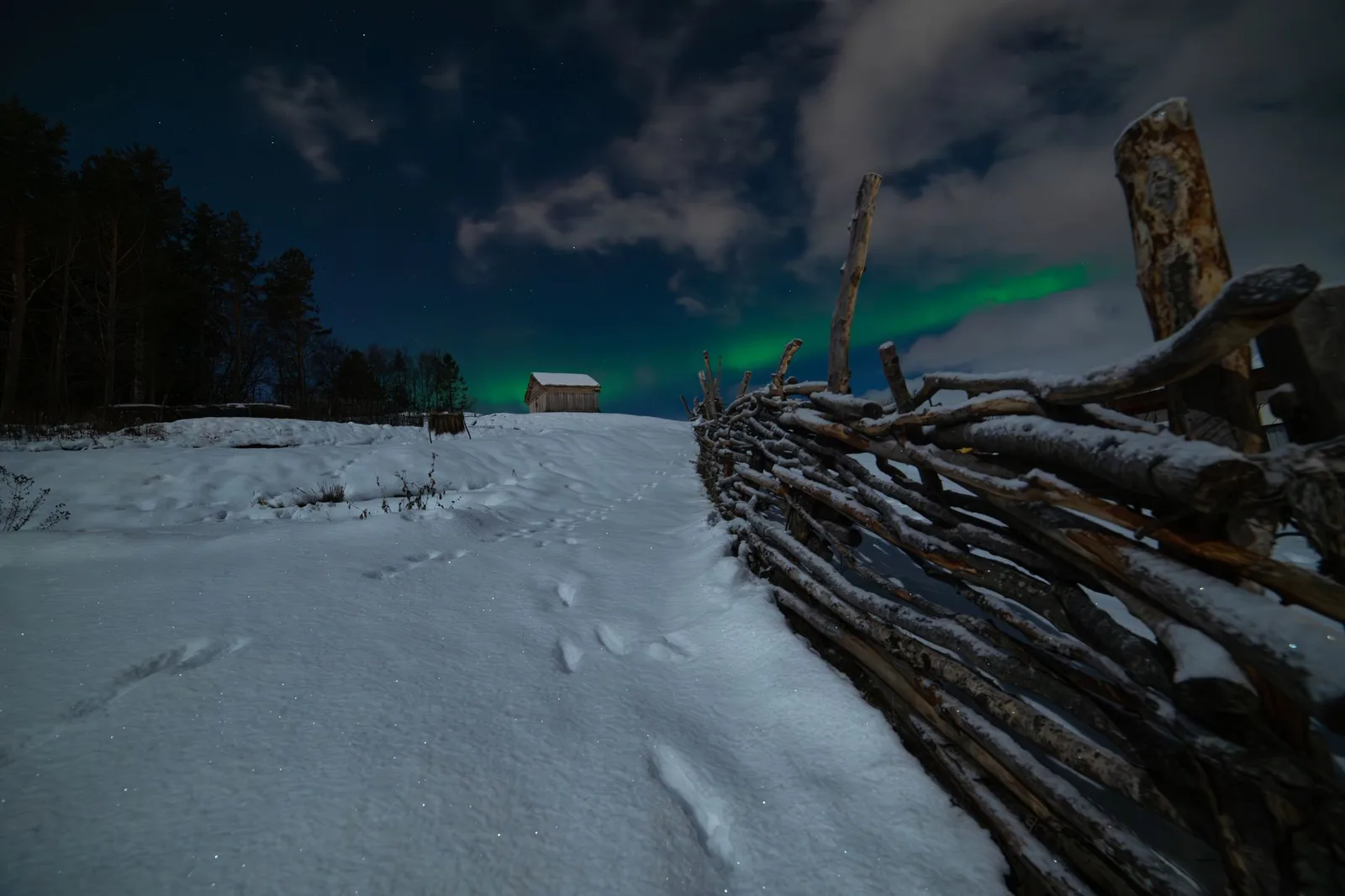
Northern Lights 2026: Where and When to See the Aurora (Best Destinations)
A clear, no-hype guide to catching the aurora next winter — the best destinations from Tromsø to the Yukon, the September–March season, why the solar cycle still favours 2026, and honest expectation-setting.
Flights & Access
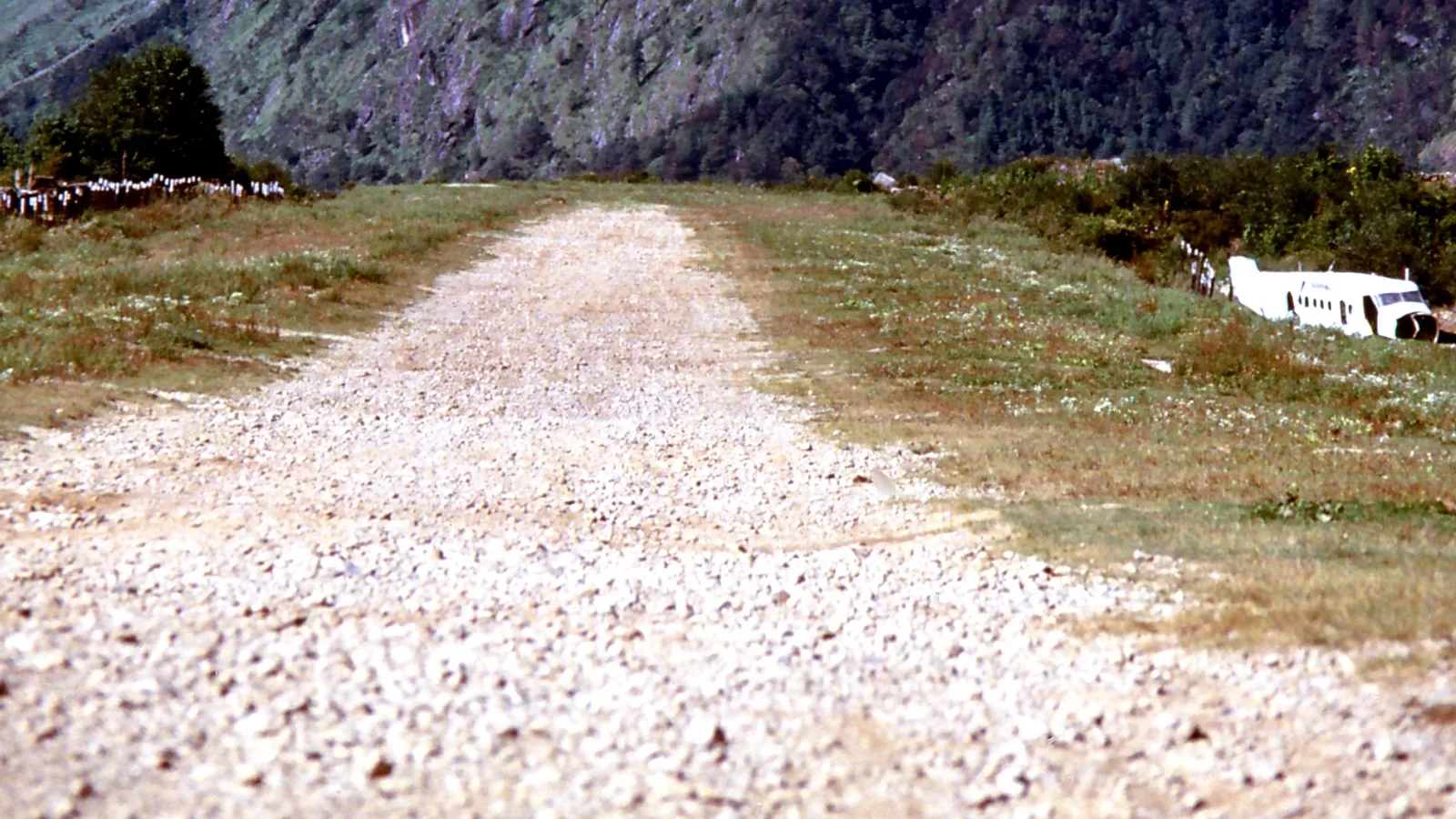
Lukla Is the World's Most Dangerous Airport — and There's No Way to Abort the Landing
A 527-metre runway that ends in a cliff, an 11.7% uphill slope, and pilots who need a year of Nepal experience before they're allowed to try it — meet the airstrip every Everest trekker has to survive first.

Deals & Routes
Basic Economy Fares in 2026: The Traps, When It’s Fine, and the Real Cost After Add-Ons
Basic economy is the same seat with the extras stripped out — no seat selection, restricted carry-on, last to board, no changes. Here is what you give up, when it is genuinely fine, and how to work out the true cost.