
Scientists Tried to Find the Trick Behind Nepal's Superhuman Porters. There Isn't One.
Nepal's professional trekking porters routinely carry more than their own body weight, balanced on a single strap across the forehead. A biomechanics study set out to explain how — and found they simply endure it.
At a glance
- Published
- TopicRecords & People
- Verified againstJournal of Experimental Biology
- Treks coveredAnnapurna Base Camp Trek — 9 Days, Everest Base Camp Trek — 14 Days, Manaslu Circuit Trek — 16 Days
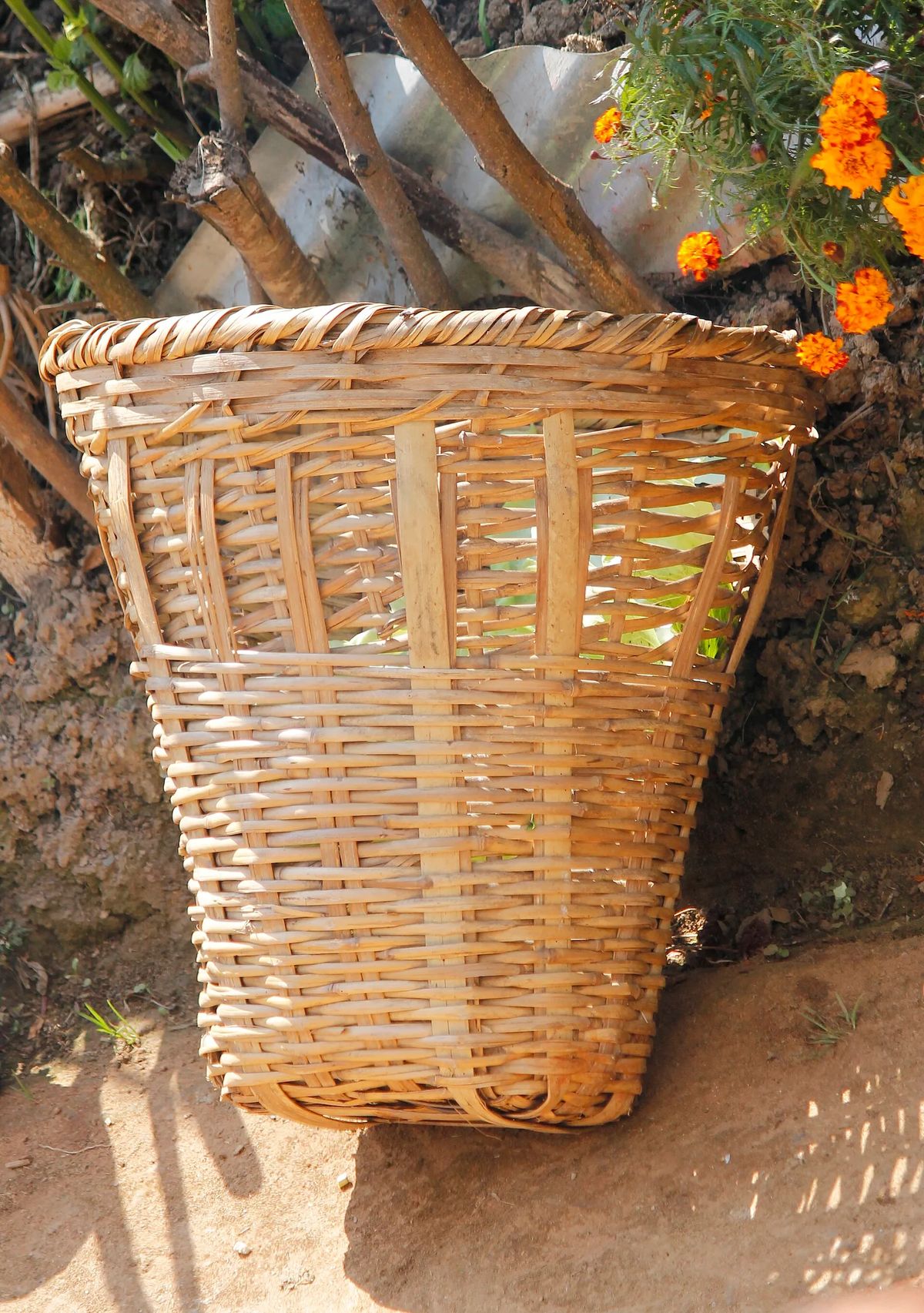
On any trail between Lukla and Everest Base Camp, you will eventually be overtaken by someone carrying more than you weigh. It won't look dramatic — just a steady, flat-footed walk, a wicker basket called a doko riding on the lower back, and a single woven strap, the naamlo, looped across the forehead taking the load. Scientists have spent decades trying to work out how Nepal's professional porters do this without breaking down. The most detailed answer, published in the Journal of Experimental Biology in 2016, was almost anticlimactic: there is no hidden trick. They are simply able to sustain an effort that would stop most people in their tracks.
Key facts
- Professional male porters carry loads averaging 93% of their own body weight; women average 66%
- Non-tourism goods porters have been documented carrying up to 120 kg (264 lb) — more than double a typical adult's weight
- The trekking industry's own safety body, the International Porter Protection Group (IPPG), recommends a hard cap of 30 kg for tourism loads
- A 2016 study of 21 Nepalese porters found they use no energy-saving gait trick — unlike other head-carrying cultures studied
Researchers from the Université catholique de Louvain, led by Gaspard Bastien, studied 21 Nepalese porters from the Rai, Sherpa and Tamang communities against European control subjects, publishing their results in November 2016. Earlier research on East African women who carry loads on their heads had found a genuine mechanical trick: on flat ground, they can shift their center of mass between steps in a way that recovers some of the energy, cutting the metabolic cost of heavy loads. The Louvain team expected to find something similar in Nepal. Instead, they found the opposite. Nepal's trekking trails are so steep and uneven — rarely two steps at the same level — that porters can't use that energy-recovering stride at all. They pay the full metabolic cost of every kilogram, on every step, for hours at altitude.
That makes the raw numbers more startling, not less. Field studies cited by the journal and reported by Science found adult male porters typically carry loads equal to 93% of their own body weight, and women 66% — figures that dwarf the loads Western hikers are advised to carry. Away from the regulated tourism trekking routes, goods porters carrying rice, kerosene, building supplies or supplies for high mountain lodges have been recorded hauling up to 120 kg, more than double their own body weight, according to reporting compiled by NPR and multiple field studies of the trade.
| Load | Amount |
|---|---|
| IPPG recommended maximum, tourism trekking | 30 kg |
| Average load, male trekking porter | 93% of body weight |
| Average load, female trekking porter | 66% of body weight |
| Documented extreme, non-tourism goods porters | up to 120 kg |
What this means for trekkers
What this means for you
Porters are not an anonymous feature of the landscape — they are professionals doing genuinely extreme physical work, and the industry's own safety rules exist because of studies like the 2016 Louvain paper, which linked overloading directly to altitude sickness and injury risk among porters. When you book a trek with us, your kit is capped well inside the IPPG's 30 kg limit, your porter carries proper altitude clothing and insurance, and — as our guides put it — a fair load is one of the simplest ways a trekking company treats its staff decently. If you want to see it up close respectfully, treks through Sherpa, Rai and Tamang home ground like the Everest Base Camp trek, the Annapurna Base Camp trek or the Manaslu Circuit put you on the same trail these porters have walked, professionally, for generations. It's also worth remembering, as our earlier reporting on the word 'Sherpa' explained, that most porters on these routes are Rai, Tamang or Gurung, not ethnic Sherpas — a distinction the researchers were careful to record too.
What the study didn't find may be the most human detail of all. There was no shortcut, no clever biomechanical hack that makes carrying more than your own body weight, on a mountain trail, at altitude, somehow easier. Nepal's porters simply do it — day after day, season after season — which is precisely why the industry's welfare rules, and a trekker's choice of operator, matter as much as they do.
Source: Journal of Experimental Biology (Bastien et al., 2016); Science/AAAS; NPR.
Cover photo: Nirmal Dulal via Wikimedia Commons (CC BY-SA 3.0).
Still running this season
Everest Base Camp Trek — 14 Days is running normally
NMA-certified local guides, transparent pricing, 5,000+ treks since 1998. Message us your dates and we'll sort the permits, lodges and logistics — reply within 24 hours, no obligation.
Popular Nepal treks
All treks →



Related coverage
Industry & Tourism
How to Choose a Trekking Company in Nepal in 2026: The Licence Chain That Actually Protects You
A company registration, a Trekking Agency Licence, NTB registration, TAAN membership and a named, licensed guide — verify all five before you pay a deposit, not after you land in Kathmandu.
Records & People
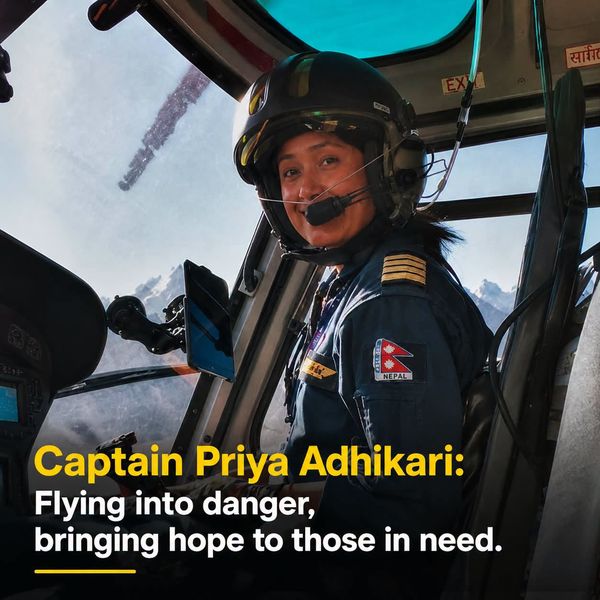
Nepal’s first woman helicopter captain flew nearly 100 rescues in six days
Priya Adhikari has flown over 1,000 Himalayan rescues. In the week after the Bhote Koshi flood she flew about a hundred, into places with nowhere to land.
Trail & Weather
Nepal trekking news that actually changes your trip, updated for autumn 2026
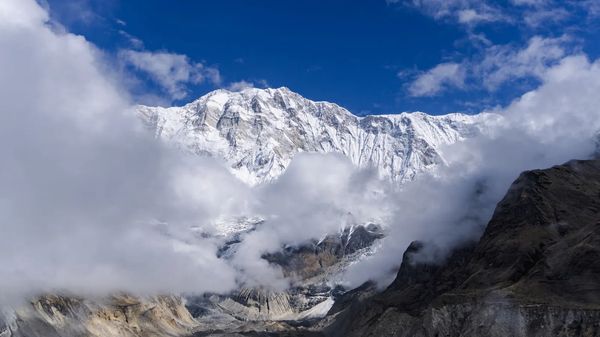
The permit rules, fines, airfares, flight routes and road closures that changed for Nepal trekkers in 2026 — what to act on for an autumn booking, and what to ignore.
Safety & Advisories
Your Nepal Trekking Guide Just Spent the Week Learning to Keep You Alive Above 4,000m
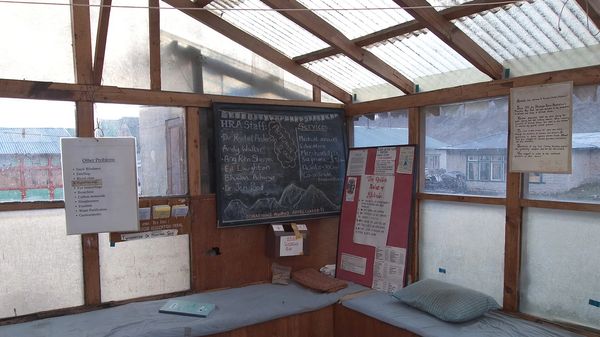
Days before Nepal's autumn trekking season opens, two of the country's oldest mountain-safety institutions ran back-to-back wilderness first-aid courses for working guides, drilling CPR, patient evacuation and the earliest signs of altitude sickness.
Latest from the desk
Records & People
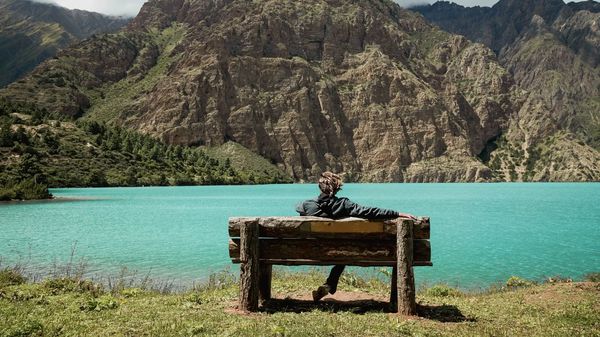
Everyone Calls This Nepal's Deepest Lake. A Government Survey Says It Isn't.
Phoksundo's turquoise water and no-fishing custom are real, but Nepal's own hydrology surveys put the actual depth record on a different lake entirely.
Flights & Access
Pokhara Just Got Its First Real International Flight, Three Years After the Airport Opened
flydubai starts daily Dubai–Pokhara flights on 23 September 2026, the first scheduled international airline to serve Nepal's trekking capital since its $216 million airport opened in 2023.
Festivals & Events
Dashain 2027 tika is Saturday 9 October, twelve days earlier than this year
Dashain 2027 runs 30 September to 14 October, tika on Saturday the 9th. Bhai Tika is 31 October. Why the early date matters for an autumn trek.