
Caught in a Flood or Monsoon Disaster in Nepal? A Traveller's Response Guide (2026)
You're already in Nepal and disaster strikes — here's the calm playbook: reach safe ground, register with your embassy, follow the Nepal Army and NDRRMA, sort comms, money, flights, treks and your insurance claim.
At a glance
- Published
- TopicSafety & Advisories
- ReportingOriginal, by our guides in Pokhara
📍 Developing story — live updates
The 2026 Nepal floods are a developing, nationwide emergency and figures are rising. For the latest verified death toll, missing and rescued numbers, and trek status, follow our continuously-updated Nepal Floods 2026: Live Updates.
Why we wrote this
On 26 August 2026 a flash flood surged out of Tibet down the Bhote Koshi into Nepal's Rasuwa district, striking the Langtang road-head at Syabrubesi and the Timure border and prompting a large army and police response. If a disaster like that happens while you are already in Nepal, this is the calm, practical playbook — read our full report on the flood for the event itself.
If you are a traveller caught in Nepal during a flood, landslide or other monsoon disaster, the most useful thing to know is that almost every incident is local — confined to one river corridor or district while the rest of the country carries on normally. Your job is not to solve the emergency. It is to reach safe ground, become findable to the people looking for you, and then work calmly through flights, treks and money. Here is how, in the order that matters.
The first hour — do these in order
- Get to high, stable ground and stay off riverbanks, low bridges and gravel flats. A surge can come long after the rain, on a clear day.
- Account for your group and stay together. Do not go back for bags or split up to "look around".
- Tell one person outside Nepal you are safe — a single message to family or a friend, who can then relay to everyone else and to your embassy.
- Contact your trekking operator or hotel. A local operator usually knows which roads are cut and where rescue is focused before the news does.
- Follow official instructions without arguing — the Nepal Army, Nepal Police, Armed Police Force and the NDRRMA lead disaster response, often with helicopters. If they say move, move.
Register with your embassy — before and during
The most important thing a foreign traveller can do is be on their government's radar. Many governments run a free travel-registration service — the US State Department's STEP (Smart Traveler Enrollment Program) is one well-known example, and the UK, Australia, Canada and most EU states offer an equivalent. Enrol before you fly if you can; if you did not, do it now. Registration is how your embassy accounts for you in an emergency, sends you alerts, and coordinates help. If you cannot reach your embassy in Kathmandu directly, your relay contact at home can call the foreign-ministry emergency line for you.
After the 26 August flood, the Nepal Tourism Board and authorities worked through a preliminary list of travellers reported missing and progressively confirmed many of them safe. That process only works if you are reachable — so answer unknown Nepali numbers, and check any group or operator channel you are on.
Follow the right channels — and ignore the rumours
In a disaster the internet fills with old footage, wrong death tolls and panic. Anchor yourself to a small number of authoritative sources and let everything else wash past.
| Your situation | What to do |
|---|---|
| On a trek, road out cut behind you | Stay put on safe ground, tell your operator, wait for organised evacuation. Do not attempt a damaged road or a swollen crossing. |
| In Kathmandu or Pokhara, trek not started | You are almost certainly safe where you are. Hold, watch official advisories, and rebook rather than rush toward an affected zone. |
| Booked onto an affected route | Contact your operator about a re-route or date change; reputable ones move you to a safe region rather than cancel outright. |
| Cannot reach anyone by phone | Send one message the moment you get signal, note your exact location, and stay where rescuers expect you to be. |
| Injured or with an injured person | Call your operator and insurer's 24-hour line for helicopter evacuation; do not self-evacuate through hazardous terrain. |
Communications: keep a line open
Signal is the first thing to fail and the thing you will most need. A cheap local SIM or an eSIM (Ncell and Nepal Telecom have the widest mountain coverage) gives you data even when your home roaming drops. Carry a power bank and keep your phone charged whenever you have power. Save the numbers you would actually need — your operator, your hotel, your embassy in Kathmandu, your insurer's emergency line — as offline contacts, not just in an app. In remote areas a guide's satellite phone or a lodge radio may be the only working link; ask.
Money and documents
Disasters knock out power, and power outages knock out card machines and ATMs — after this flood the Nepal Electricity Authority reported hundreds of megawatts of generation damaged. Keep enough cash in Nepali rupees for several days of food, transport and lodging, split between two places on your body and bag. Photograph your passport, visa and insurance policy and store the images in the cloud and offline, so a lost original does not strand you. If your passport is lost or destroyed, your embassy issues emergency travel documents — another reason registration matters.
Should you move or shelter?
Usually the answer is shelter in place if you are already safe, and move only on official instruction or your operator's advice. Roads immediately after a flood or quake are the most dangerous place to be — landslides, weakened bridges and blocked routes cause many of the secondary casualties. A dry lodge on high ground with food and a phone signal beats a risky dash to the airport. Let the professionals decide when the corridor is safe to travel.
Rebooking flights and treks
Once you are safe, deal with logistics slowly. Domestic flights (Lukla, Pokhara, Nepalgunj) are frequently grounded by monsoon weather regardless of any disaster, so build in buffer days before an international departure. Ask your airline about changes — many waive fees during a declared disaster. For your trek, a good operator will offer a re-route to an unaffected region, a later date, or a credit. Keep every receipt and every written confirmation.
Insurance claim basics
Your travel insurance is only as good as your paperwork. From the moment things go wrong, document everything: dated photos, receipts for extra nights and transport, and any written notice from an airline or operator about a cancellation or delay. Call your insurer's 24-hour emergency line early — before you spend on an evacuation or expensive rebooking — so the cost is pre-authorised. Make sure your policy actually covers your altitude and activity, and that it includes helicopter rescue and natural-disaster disruption; many budget policies do not. We wrote a plain-language guide to exactly this: travel insurance for natural disasters in Nepal.
The honest bottom line
In more than twenty years guiding here, the travellers who come through a bad monsoon week calmly are the ones who did the boring things — registered with their embassy, kept cash and a charged phone, and trusted their operator and the authorities over the rumour mill. Nepal is not a dangerous place to visit; it is a place where a handful of sensible habits carry you through the rare bad day. If you want to understand the on-the-trail side of this, read our field guide to reading flash-flood and GLOF risk, keep an eye on current trekking conditions and which treks are affected right now. And if you are with us on the Langtang Valley trek or any other route, this is simply part of the job — call us and we will move you to safe ground and sort the rest.
Flood-event figures are provisional and attributed to Bagmati Pradesh Police, the Nepal Tourism Board, the USGS and the Nepal Electricity Authority as reported on 26 August 2026, and were still changing at the time of writing. Registration programs, emergency numbers and insurance terms change — confirm the current details with your own embassy, operator and insurer. This is general guidance, not official advice; in an emergency always follow the instructions of the Nepal Army, Nepal Police and the NDRRMA.
Cover photo: Namal Siriwardana via Pexels (Pexels License).
Caught up in this, or planning around it?
If you’re in Nepal and trying to replan flights or a trek, or deciding whether to still come, you’re welcome to message us. We’ll help you think it through honestly — whether or not you ever book with us.
Planning a trek?
Trek this route with us — Annapurna Base Camp Trek — 5 Days
NMA-certified local guides, transparent pricing, 5,000+ treks since 1998. Message us your dates and we'll sort the permits, lodges and logistics — reply within 24 hours, no obligation.
Popular Nepal treks
All treks →


Related coverage
Safety & Advisories
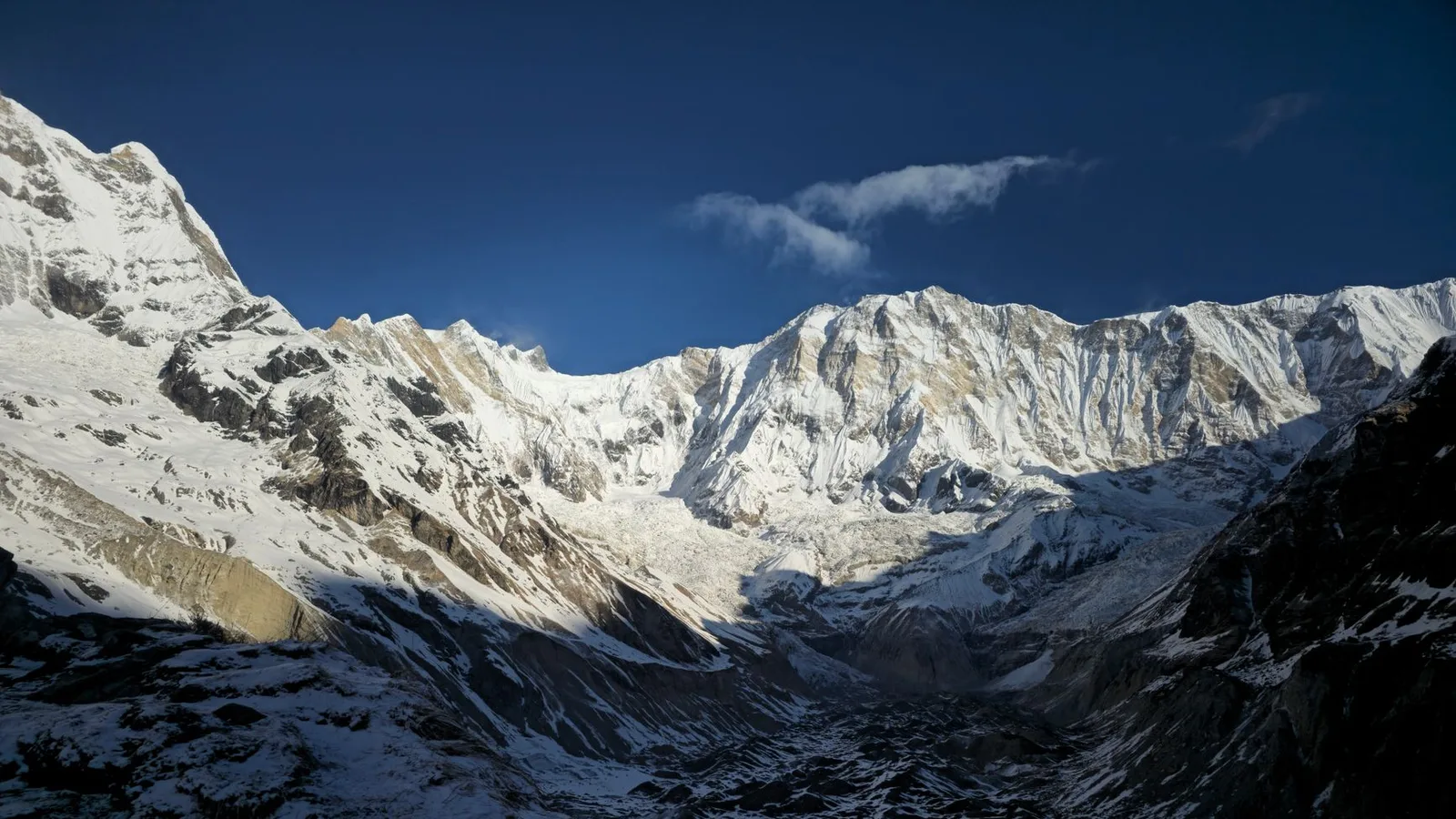
Flash Floods and GLOFs on a Nepal Trek: How to Read the Risk and Stay Safe (2026)
Camp above the floodline, cross early, heed warnings: a working guide's field method for reading flash-flood and glacial-flood (GLOF) risk on any Nepal trek — the signs, the exposed terrain, and what to do.

Safety & Advisories
Japan's PM Takaichi Offers Condolences to Nepal and Prays for the Missing
Japan's PM Sanae Takaichi offered condolences to Nepal's flood victims and voiced concern for missing Japanese nationals after the 2026 disaster.
Safety & Advisories
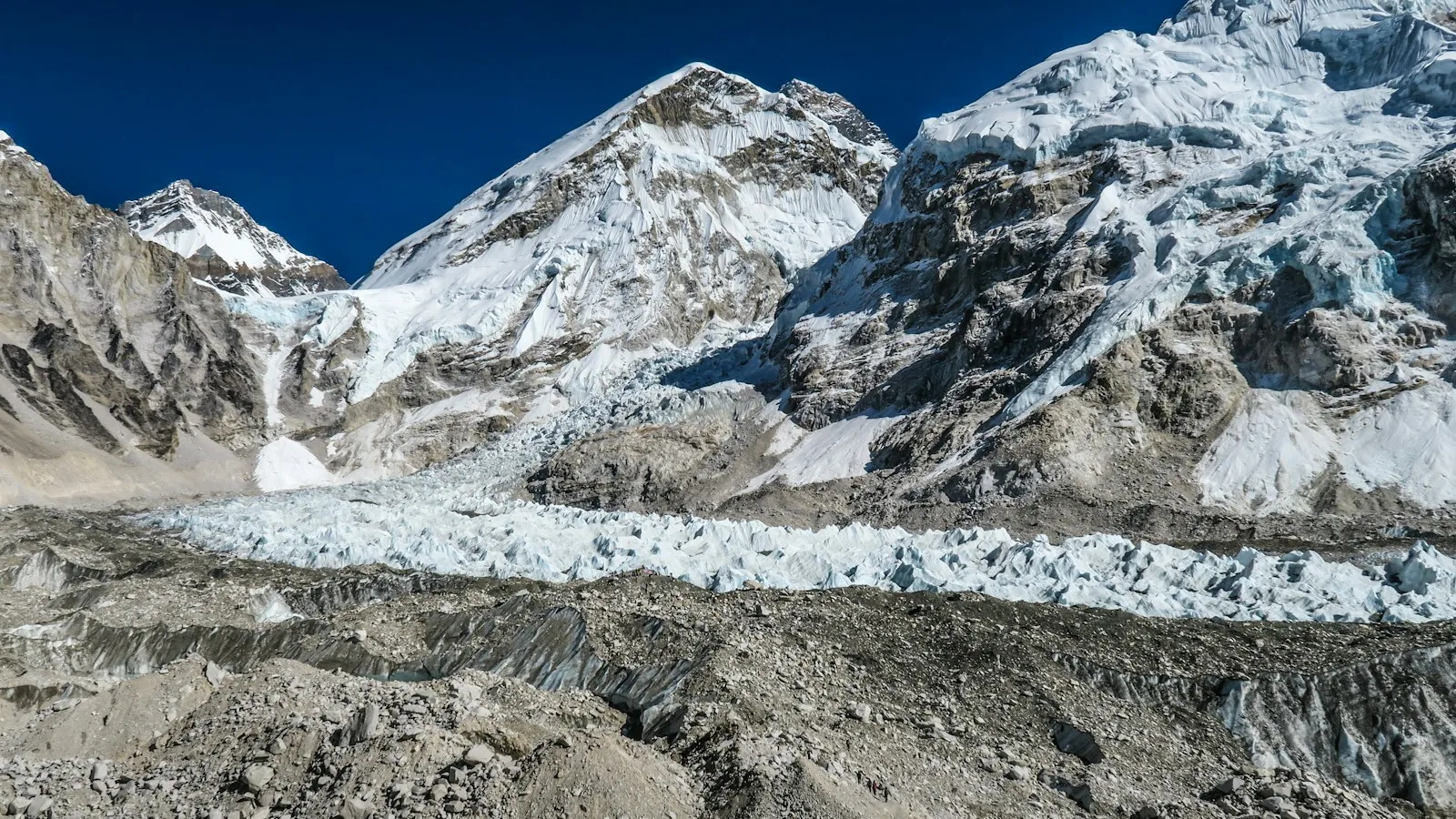
Is the Everest Base Camp Trek Affected by the 2026 Nepal Floods?
No — the Everest region is running normally. The 26 August flood hit Rasuwa in the north, not the Khumbu. Here is why Lukla flights and the EBC trail are unaffected, leg by leg.
World Destinations
Cheapest Countries to Travel in 2026: Real Daily Budgets, Ranked by Region
From $25-a-day Nepal, Vietnam and Bolivia to the cheapest corners of Europe, a fact-checked guide to where your money goes furthest in 2026 — with honest backpacker daily budgets covering bed, food and local transport, flights excluded.
Latest from the desk

Safety & Advisories
India Sends Around 50 Tonnes of Aid to Nepal as Modi Offers Condolences After the 2026 Floods
India is rushing tonnes of relief and rescue support to flood-hit Nepal, as Prime Minister Narendra Modi conveyed condolences to his Nepali counterpart and pledged India's full solidarity.

Money & Insurance
Does Your Credit Card Include Travel Insurance in 2026? What It Covers — and the Costly Gap
Many premium and travel cards bundle some cover — but it's usually secondary, conditional and capped, and it almost never pays for the emergency medical bill or evacuation that actually bankrupts travellers.

Safety & Advisories
Everyone Is Pledging Millions to Nepal. Here Is Where You Can Actually Send Money
The UN released $2m, the US pledged $500,000, India sent 50 tonnes. None of that helps if you are one person with a card. The official fund, the two alternatives worth trusting, and the scam window that is open right now.