
The short version
Why Api Himal (7,132m) in Darchula is far-west Nepal's fastest-rising trek in 2026 - the landscape, the culture, and the surge of attention.
- Api Himal (7,132m) is the highest peak in far-western Nepal and the headline of a region only now opening to trekkers.
- This is a destination story, not an itinerary - far-west Nepal is shifting from forgotten corner to fast-rising frontier on the back of growing domestic and government attention.
- The draw is rawness - empty trails, intact Byas valley culture, and a conservation area that climbs from 518m subtropical jungle to a 7,132m summit.
- Go now, prepared - infrastructure is thin, so a strenuous ~16-day trip in spring or autumn with a capable operator is the realistic way in.
For most of the last three decades the trekking map of Nepal had a blank space in the far west. Everyone flew to Lukla or drove to Pokhara; almost nobody turned left at the bottom of the country and kept going until the road ran out near the India and Tibet borders. That blank space has a name now, and it is climbing fast up the lists of people who plan treks for a living. Api Himal - the 7,132m crown of Darchula district - has become the symbol of a region finally getting its turn, and at Travel Himalaya Nepal, working out of Pokhara since 1998, we think the far west is the most interesting thing to happen to Nepali trekking in years.
Where exactly is Api Himal?
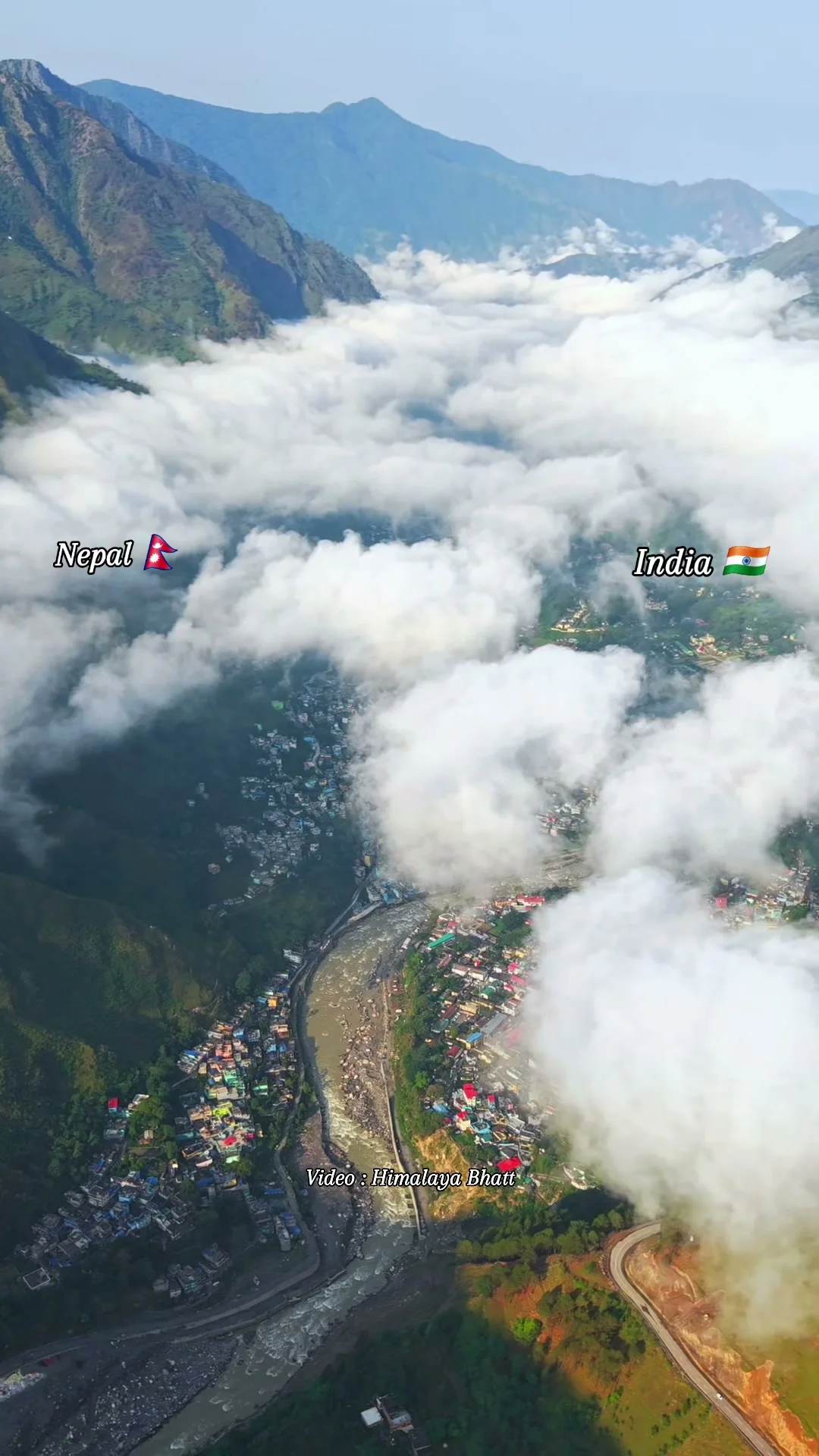
Api Himal stands at the western end of the Yoka Pahar (Gurans Himal) range, in the northern part of Darchula district in Sudurpashchim Province. At 7,132 metres it is the highest mountain in all of far-western Nepal, set in a wild knot of ridgelines where Nepal, India and Tibet meet. The whole massif sits inside the Api Nampa Conservation Area, a protected zone established in 2010 that spans roughly 1,900 square kilometres and ranges from about 518m of steamy subtropical valley floor up to the 7,132m summit itself. That vertical sweep - jungle to glacier in one protected area - is part of what makes the place feel less like a trekking route and more like a frontier.
Why far-west Nepal is suddenly getting attention
For years the far west lost out to its famous cousins. The Everest and Annapurna regions had airstrips, lodges and a thirty-year head start; Darchula had a long, hard overland approach and almost no tourist economy. What has changed in 2026 is momentum. The government has folded far-western trails - Api Himal among them - into a wider push to organise and promote Himalayan routes in Sudurpashchim, with feasibility work and circuit planning under way to lift them toward international standards. Nepal has also made dozens of peaks across the far-west and Karnali provinces royalty-free for a two-year window to draw climbers. On top of the official push, the region has been getting a wave of organic attention online, including high-profile reels and posts that have put Mt. Api in front of audiences who had never heard the name. We will not put words in anyone's mouth, but the direction is unmistakable: far-west Nepal is being talked about for the first time in a generation.
The landscape: jungle, gorge and a 7,000m wall
The journey to Api is a study in contrast. You begin low and green, in subtropical forest along the Chamaliya and Mahakali river systems, then climb through oak and rhododendron - which in spring sets the hillsides on fire with red and pink - into alpine meadow and finally to the moraine and ice beneath the peak. Api Base Camp itself sits at roughly 3,900-4,100m, a high amphitheatre with the south face of Api rising sheer above it and the neighbouring Nampa peaks crowding the skyline. Because so few people come through, wildlife is genuinely present rather than theoretical, and the conservation area protects habitat for Himalayan species you rarely glimpse on the busy circuits. It is the kind of scenery the Annapurna region offered decades ago, before the lodges and the crowds.
The culture you do not get on the mainstream trails
The far west is a different cultural world from the Sherpa and Gurung heartlands most trekkers know. This is the home of Deuda - the call-and-response song-and-dance tradition of Sudurpashchim - and of the Byas valley communities living in some of the most remote settlements in the country, with seasonal high villages near the Tibetan frontier. Daily life still runs on subsistence farming, herding and old trade ties across the borders. Because tourism has barely arrived, what you encounter is not a performance arranged for visitors but ordinary far-western life, which is exactly why it is worth travelling responsibly and spending money locally while the region is still finding its feet. To put the cultural distance in perspective, it helps to read about Nepal's other great hidden-culture regions, such as the trans-Himalayan world of our Mustang guide or the Tibetan-rooted communities described in the Dolpo trek guide.
How hard is it - and who is it for?
Let us be direct: this is a strenuous trip, and the difficulty comes as much from remoteness as from altitude. Daily distances are long, ascents are steep, and the route demands real hill fitness across a roughly 16-day round trip from Kathmandu. There is no easy bail-out, limited communications and almost no commercial rescue infrastructure compared with the Khumbu. Api Himal is best suited to trekkers who have already done a major Himalayan route - an Annapurna Circuit, a Manaslu, a Kanchenjunga - and who are drawn to solitude over comfort. If you are weighing it against the better-known wilderness options, our Rara Lake trek guide covers a gentler far-west introduction, and the Nepal trek comparison page lays the major routes side by side so you can judge honestly where Api sits.
Permits and 2026 cost
Api Himal trekking does not require the special restricted-area permit that places like upper Mustang or Manaslu do; the core requirement is an Api Nampa Conservation Area entry permit, issued through the Nepal Tourism Board counter in Kathmandu or at the conservation area headquarters in Darchula. Reported foreigner entry fees have sat in the region of a few thousand rupees plus VAT, with lower rates for SAARC nationals - confirm the current figure when you book, as conservation-area fees are periodically revised. The headline number to understand is not the permit, though; it is the logistics. Because the far west has so little tourist infrastructure, the real cost is in the long overland or multi-leg flight approach and in carrying more of your own support, which makes Api meaningfully pricier per day than a teahouse trek on a developed circuit. For the current permit landscape across the country see our 2026 Nepal trekking permits guide and the permits hub, and you can sketch a budget with the trek cost calculator.
Best time to go
The two reliable windows are spring (roughly March to May) and autumn (roughly late September to November). Spring brings the rhododendron bloom and warming temperatures, while autumn delivers the crispest air and the clearest views of the Api and Nampa peaks after the monsoon has cleared the haze. Winter closes the high camps with snow, and the monsoon makes the low forested approach leech-ridden and the rivers dangerous. For a fuller picture of how the seasons behave across Nepal, our best time to trek Nepal article and the seasonal planner are the places to start.
Getting there and sleeping along the way
Access is the single biggest difference between Api and a mainstream trek. There is no Lukla-style strip at the trailhead; most trips combine a flight to the far-western lowlands with a long, rough road transfer up toward Darchula before the walking even begins. On the trail, do not expect the lodge-every-hour comfort of the Annapurna region - accommodation is a mix of very basic homestays and teahouses lower down and camping higher up, so a supported, partly self-sufficient style is usually the only realistic way to reach base camp. We walk you through the specifics of the approach in our companion piece on how to get to Api Base Camp from Darchula, and the full logistics live in the Api Base Camp trek cost guide.
Altitude and safety in a region with thin support
Base camp around 4,000m is not extreme by Himalayan standards, but the combination of altitude, isolation and limited rescue capacity means you carry the safety burden yourself. Build genuine acclimatisation days into the plan, ascend gradually, and know the symptoms cold - our altitude sickness guide is essential reading before any high trek. Travelling with an experienced operator matters more here than almost anywhere else in Nepal, because local knowledge, communications and evacuation planning are not things you can improvise in Darchula; our view on why that matters is set out in do you need a guide to trek Nepal.
The bottom line on Api Himal
Api Himal is what the famous treks looked like before they were famous: empty, demanding, culturally intact and genuinely remote. The window where you can have a 7,000m massif almost to yourself will not stay open forever - the same government attention and online momentum lifting the far west today are exactly what will eventually bring the lodges and the crowds. If a wild, strenuous, off-the-grid trip is what you are after, the time to look at the far west is now. When you are ready to go deeper, read the full Api Base Camp trek guide for the day-by-day, then see how we run the trip on our 16-day Api Base Camp trek page.
How high is Api Himal and where is it?
Api Himal is 7,132 metres, the highest peak in far-western Nepal. It lies in the Yoka Pahar (Gurans Himal) range in northern Darchula district, Sudurpashchim Province, near the borders with India and Tibet, inside the Api Nampa Conservation Area.
Is the Api Base Camp trek difficult?
Yes - it is rated strenuous. The challenge is a mix of long daily distances, steep ascents and, above all, remoteness, across a roughly 16-day round trip from Kathmandu. It suits trekkers who have already completed a major Himalayan route.
Do I need a special restricted-area permit for Api Himal?
No. Unlike upper Mustang or Manaslu, Api does not need a restricted-area permit. The core requirement is an Api Nampa Conservation Area entry permit, available in Kathmandu or at the conservation area headquarters in Darchula. Always confirm the current fee when you book.
When is the best time to trek to Api Base Camp?
Spring (about March to May) and autumn (about late September to November). Spring brings rhododendron blooms; autumn gives the clearest mountain views. Winter snow closes the high camps and the monsoon makes the low approach difficult.
Why is far-west Nepal getting so much attention now?
A combination of government plans to develop and promote Sudurpashchim trekking circuits - including Api Himal - peak royalty waivers across the far west and Karnali, and a wave of organic online attention has put the region on the map for the first time in a generation.
How is Api different from the Everest or Annapurna treks?
Api is far more remote, with almost no tourist infrastructure, basic homestays and camping rather than a lodge every hour, a long overland approach instead of a quick flight, and a distinct far-western culture, including the Deuda tradition and the Byas valley communities.


Private departures on any date, hand-picked NMA guides, and 25+ years on the trail. Tell us your dates — we usually reply within a few hours.
Browse all treks & tours →
Written by
Travel Himalaya NepalPokhara-based, NMA-certified trekking guides. We’ve led 5,000+ treks across the Annapurna and Everest regions since 1998 — every word here comes from the trail. More from this author →
Share this article
Ready to Trek?
From reading about it to standing on it
Our Pokhara-based guides have been doing this since 1998. Tell us your dates and fitness level — we'll build your perfect itinerary. Free, no obligation.
Why trek with our licensed agencyMore guides like this
Popular trips to consider
View all treks & toursFree Trekker’s Insider Guide
Permits, packing lists, cost breakdowns — no fluff.
We send one useful email. You can unsubscribe anytime.